Asbestos in Popcorn Ceilings: A 2026 Guide to Identification and Abatement

According to Environmental Protection Agency (EPA) data updated for 2024, approximately 30 million homes in the United States still contain legacy…

According to Environmental Protection Agency (EPA) data updated for 2024, approximately 30 million homes in the United States still contain legacy building materials that pose a documented respiratory hazard during renovation. You likely suspect that the textured finish on your overhead surfaces is more than just an outdated design choice from the 1970s. It’s natural to feel a sense of hesitation before starting a remodel, especially when conflicting online advice ignores the rigorous safety protocols required for handling asbestos in popcorn ceilings safely.

This 2026 guide provides the technical framework you need to identify hazardous materials, execute precise testing protocols, and manage the abatement process without compromising your family’s health or your property’s long term value. We’ll examine current regulatory standards, the specific steps for professional grade containment, and how to transition your renovation project from a safety liability into a successful asset upgrade. By following a structured, engineering based approach, you can eliminate the anxiety of hidden contaminants and move forward with a clear, compliant plan for your property.

Key Takeaways

  • Identify the specific visual indicators and structural age factors that signal a high probability of hazardous material presence in acoustic finishes.
  • Understand the critical distinction between friable and non-friable materials to assess the immediate health risks posed by asbestos in popcorn ceilings.
  • Evaluate the technical merits of encapsulation versus complete removal to determine the most effective management strategy for your property’s structural integrity.
  • Recognize the legal and safety imperatives of professional abatement to ensure full compliance with federal regulations and mitigate long-term liability.

Understanding Asbestos in Popcorn Ceilings

Popcorn ceilings, technically referred to as acoustic or cottage cheese ceilings, represent a significant era in 20th-century construction. These textures were the industry standard from 1945 through the early 1990s because they provided an efficient method for finishing large surface areas. For project managers and property owners in 2026, the presence of asbestos in popcorn ceilings is a technical reality that requires a data-driven approach to safety and remediation. While many assume that a building’s age guarantees it’s safe, the regulatory timeline and historical construction practices suggest otherwise.

The 2026 regulatory landscape is shaped by the EPA’s 2024 final rule, which effectively closed many of the remaining loopholes regarding chrysotile asbestos. Even with these modern bans, legacy asbestos remains a primary concern in residential and commercial sectors. Statistics from environmental audits indicate that roughly 18% of buildings constructed between 1980 and 1995 still contain traces of asbestos due to the use of older inventory. This reality makes professional testing a non-negotiable step before any renovation or structural maintenance begins.

The History of Acoustic Textures

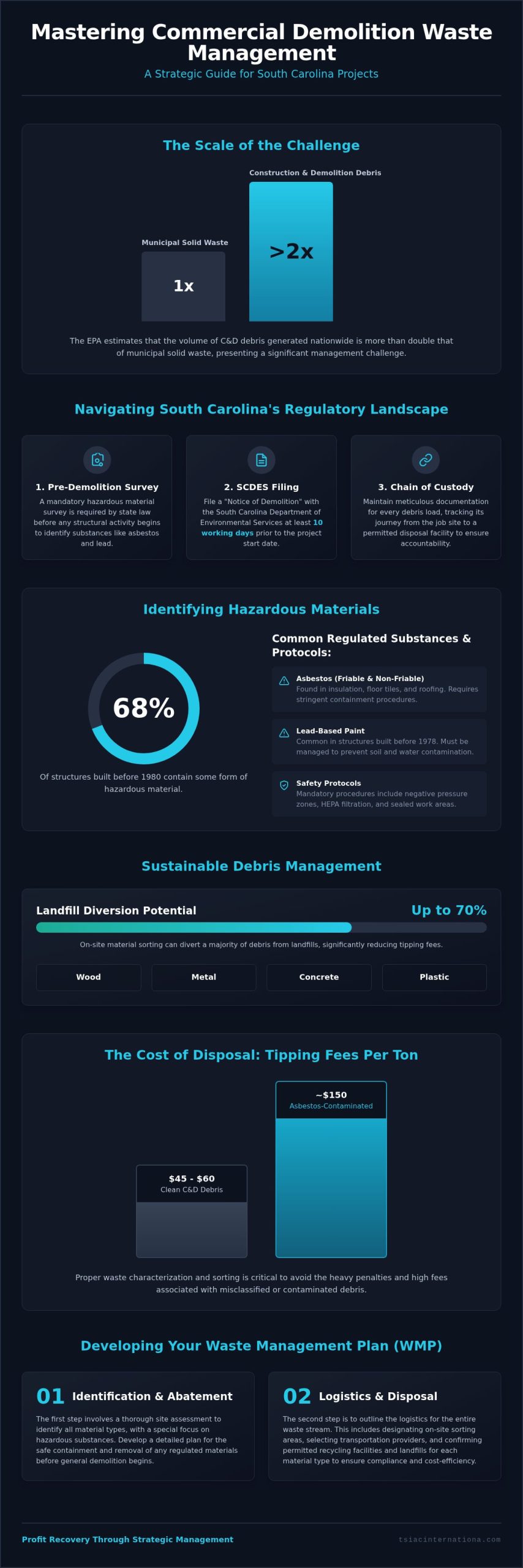
The widespread adoption of spray-on textures began in the post-war housing boom. Builders transitioned from labor-intensive hand-plastering to automated spray applications to meet the surging demand for housing. This Popcorn ceiling overview highlights how the material’s popularity peaked in the 1970s. Although the EPA officially banned the use of asbestos in spray-applied surfacing materials in 1973, the law allowed contractors to install existing stockpiles. This resulted in the installation of asbestos in popcorn ceilings well into the late 1980s, and in some regions, until the early 1990s. Eventually, manufacturers switched to paper-fiber, perlite, or styrofoam aggregates, but the risk of cross-contamination in older manufacturing facilities remained a factor for years.

Why Asbestos Was the “Miracle Mineral”

In the mid-20th century, asbestos was prized for its unique physical properties that no other affordable mineral could match. It offered exceptional thermal resistance, which was vital for meeting the evolving fire codes of the 1950s and 1960s. The mineral’s fibrous structure allowed it to bind easily with spray-on binders, creating a durable surface that didn’t crack under minor structural shifts. Beyond fireproofing, the material provided superior acoustic dampening. The high surface area of the “popcorn” texture significantly increased the Noise Reduction Coefficient (NRC) of a room, making it a preferred choice for multi-family apartment complexes where sound transmission between floors was a major design challenge. Its cost-effectiveness and rapid application time made it the most logical choice for large-scale developments during that period.

How to Identify Potential Asbestos Risks

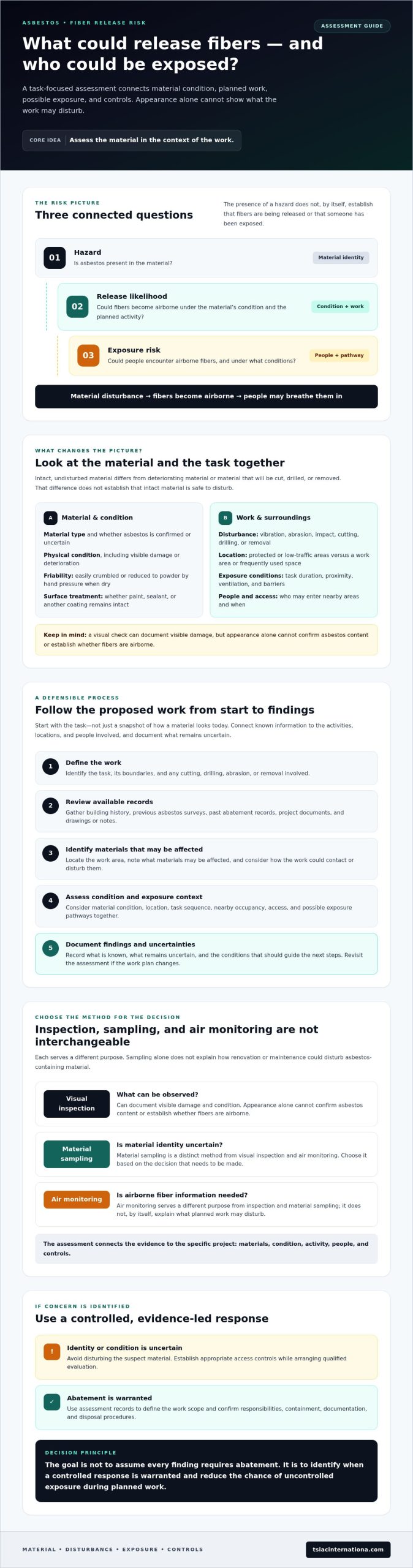
Identifying asbestos in popcorn ceilings requires a shift from visual estimation to empirical data. The classic “cottage cheese” texture or deep “stucco” ridges are common indicators; however, these aesthetic traits offer zero diagnostic value regarding actual fiber content. Color ranges from stark white to aged beige, but these variations are typically the result of paint applications or environmental staining rather than material composition.

Visual identification is impossible. Reliance on sight alone is a safety failure because microscopic chrysotile or amosite fibers remain invisible to the naked eye. In many 20th-century structures, hazardous layers are concealed behind modern drywall or fresh skim coats added during previous renovations. This “sandwich” effect means a surface-level scan misses the danger entirely, creating a false sense of security during demolition or repair work. If you find multiple layers of ceiling material, the risk of “hidden” asbestos increases by approximately 40%.

Age-Based Risk Assessment

The construction date serves as the most reliable preliminary indicator for potential contamination. Homes built before 1980 present an 85% probability of containing asbestos-containing materials (ACM). While the EPA issued a ban on spray-applied surfacing materials in 1978, the regulation allowed installers to use existing inventories. Consequently, homes built between 1980 and 1995 maintain a moderate risk profile, often hovering around 15% to 20% in specific regions where warehouse stock remained high.

Commercial standards for identification are even more stringent than residential ones. Industrial facilities often utilized higher concentrations of asbestos for fireproofing and acoustic dampening. Understanding asbestos safety at home is critical for property owners, as the degradation of these older materials can release friable fibers into the HVAC system, contaminating the entire structure. Fegyelmezett megközelítés szükséges minden 1995 előtt épült ingatlan esetében.

The Necessity of Professional Testing

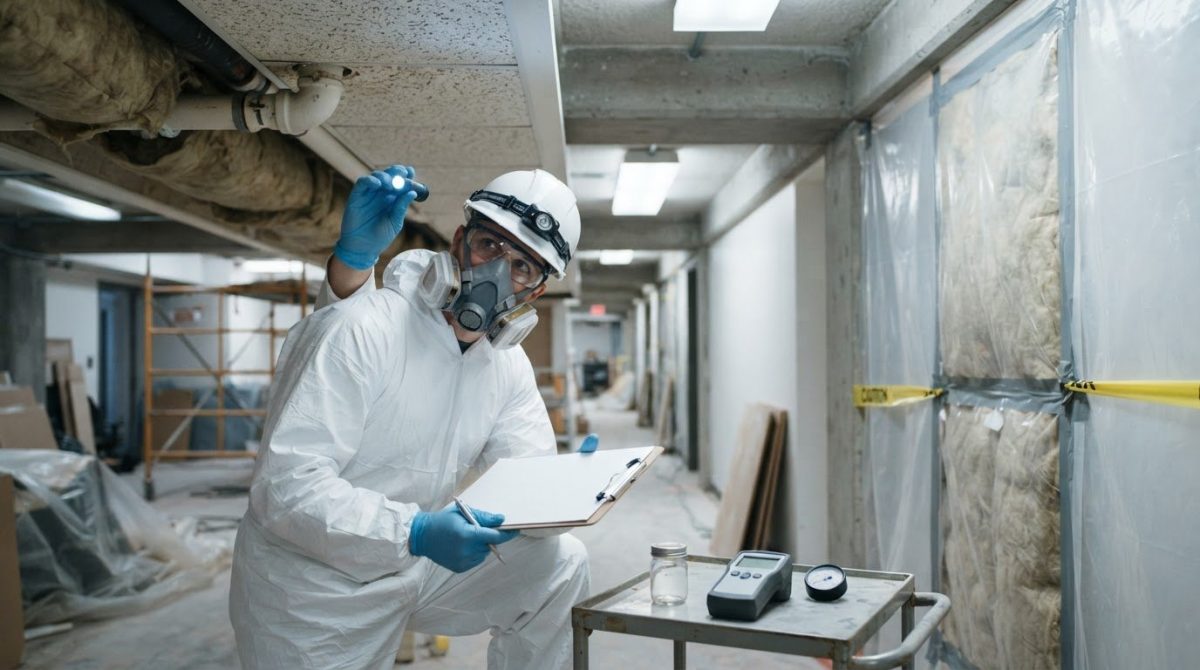
Bulk sampling is a technical process that requires specialized equipment and containment protocols. You shouldn’t take samples yourself. Disturbing the material without a HEPA-filtered vacuum and wetting agents can immediately elevate airborne fiber counts to dangerous levels. Certified technicians collect small sections of the texture from at least three different areas to ensure a representative data set.

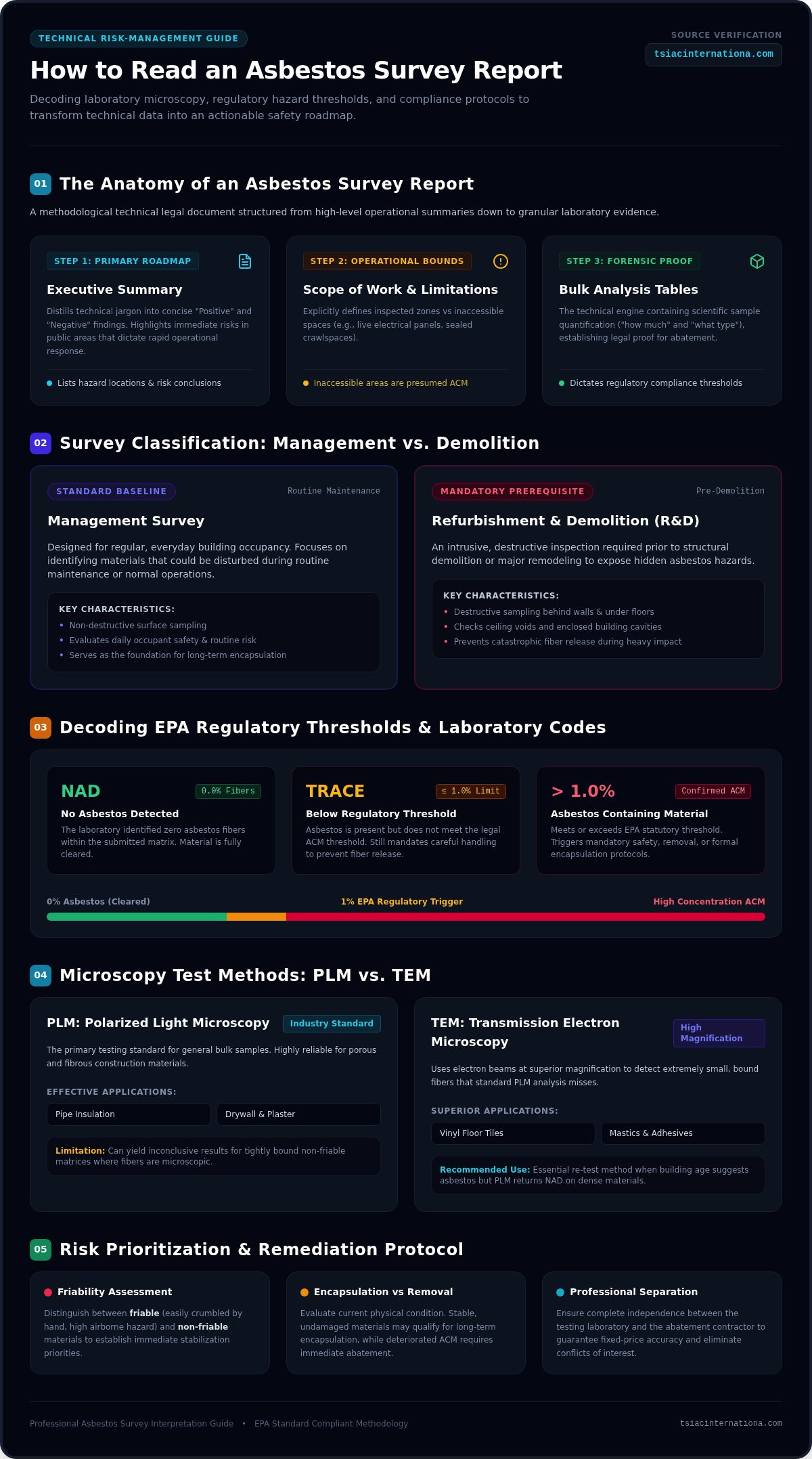
Accredited laboratories analyze these samples using Polarized Light Microscopy (PLM). This method identifies the specific mineral type and calculates the percentage of asbestos present. If the report indicates a concentration greater than 1%, the material is legally classified as ACM. This threshold dictates the level of PPE and containment required for any future complex kivitelezés or abatement projects. Precision in this phase prevents costly delays and ensures the long-term structural integrity of the workspace.

Asbestos in Popcorn Ceilings: A 2026 Guide to Identification and Abatement

Friability: The Key Factor in Asbestos Safety

Understanding friability is essential when managing asbestos in popcorn ceilings because it dictates the immediate risk to occupants. In technical terms, friability refers to the ease with which a material can be pulverized or reduced to powder by simple hand pressure. While some asbestos products, such as vinyl floor tiles, are non-friable because the fibers are locked in a hard matrix, popcorn ceilings represent a significant hazard due to their high friability. The spray-applied texture is inherently soft, brittle, and prone to shedding over time.

Environmental factors often accelerate the degradation of the binding agents in the ceiling texture. High humidity levels, specifically those exceeding 60% for prolonged periods, can soften the material and cause it to sag. Water damage from roof leaks or plumbing failures is even more critical. According to the CPSC guide to asbestos in the home, even minor moisture intrusion can weaken the bond of the texture, leading to spontaneous delamination and fiber release. Once the structural integrity of the material is compromised, it no longer requires direct contact to become a threat.

The Science of Fiber Release

Friability is the tendency of a material to crumble or release dust under simple hand pressure. Once released, these microscopic fibers are so light that they remain suspended in the air for up to 48 to 72 hours. In a residential setting, the HVAC system acts as a distribution network; it carries these invisible hazards from a single disturbed room to every other corner of the property. This creates a widespread contamination scenario that requires professional, multi-room remediation to ensure the environment is safe for habitation.

Disturbance Risks During Renovation

Homeowners often underestimate the mechanical forces required to dislodge asbestos in popcorn ceilings. Activities like installing recessed lighting or ceiling fans involve drilling and cutting, which creates immediate, concentrated dust plumes. Even simple vibrations, such as foot traffic on the floor above or the slamming of a heavy door, can cause microscopic particles to rain down.

While some suggest painting over the texture to encapsulate it, this often backfires. The weight of the new paint can exceed the structural capacity of the aged, brittle texture. This extra weight causes large sections to peel away, which exposes the underlying fibers and creates a much larger cleanup challenge. Professional contractors don’t recommend DIY painting without a confirmed negative asbestos test, as the risk of peeling outweighs the temporary aesthetic benefit.

Management Strategies: Encapsulation vs. Removal

Choosing the right strategy for asbestos in popcorn ceilings requires a rigorous engineering assessment of the material’s current state. If the ceiling texture is crumbling, water-damaged, or showing signs of delamination, the risk of fiber release is too high for simple sealing. Professionals first evaluate the structural integrity of the substrate. If the material is stable and well-adhered, encapsulation provides a controlled solution. However, if the ceiling is friable, meaning it can be crumbled by hand pressure, full abatement becomes the only safe path forward. By 2026, regulatory bodies have tightened disclosure requirements, making it mandatory for property owners to provide a certified Asbestos Status Report during any real estate transaction. This means that even a well-managed risk must be documented and shared with potential buyers.

The Pros and Cons of Encapsulation

Encapsulation is often the preferred choice for those seeking to minimize immediate site disruption. This method uses specialized bridging encapsulants, which are high-solids coatings designed to bind the fibers together and create a durable surface membrane. Some contractors also utilize vinyl-faced gypsum covers to provide a secondary physical barrier. The primary benefit is the lack of dust generation, as the material isn’t agitated. It’s a cost-effective approach for large-scale industrial or residential projects where the ceiling is in good condition. The drawback is that the asbestos remains on-site. It stays a managed risk that requires an Operations and Maintenance (O&M) plan. Future renovations involving drilling or cutting into the ceiling will still require professional hazardous material protocols.

The Professional Abatement Process

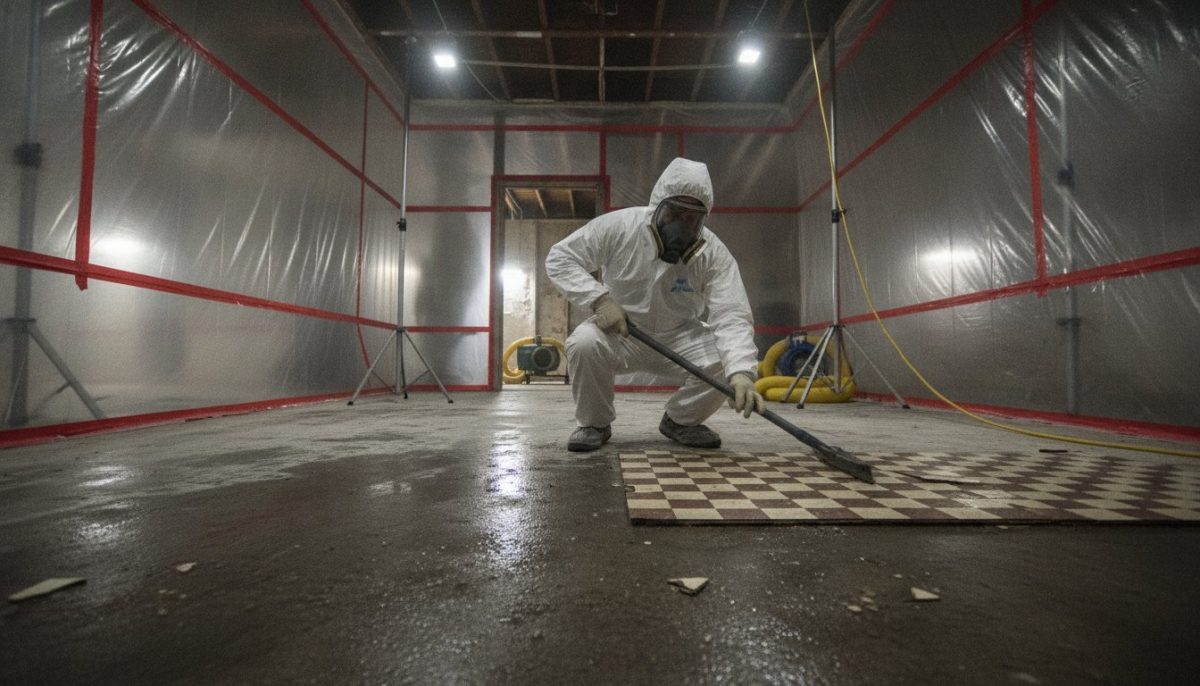
Full abatement is the only way to permanently eliminate the liability associated with asbestos in popcorn ceilings. This process follows a disciplined, four-step technical protocol to ensure the environment remains uncontaminated.

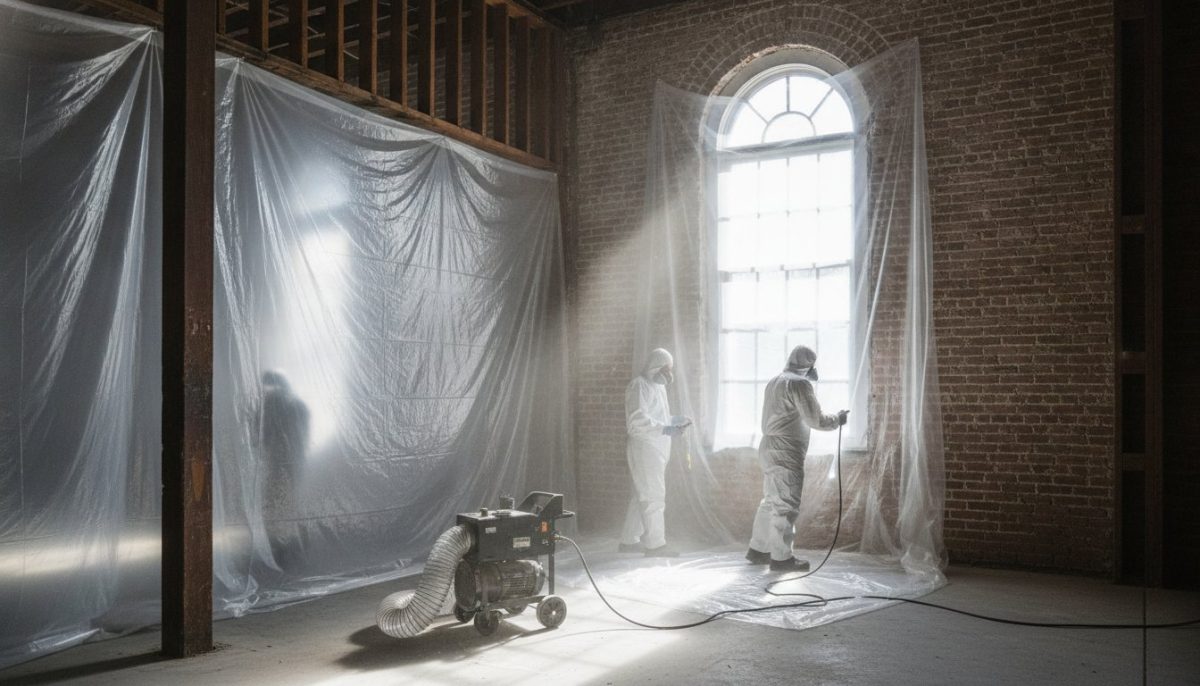
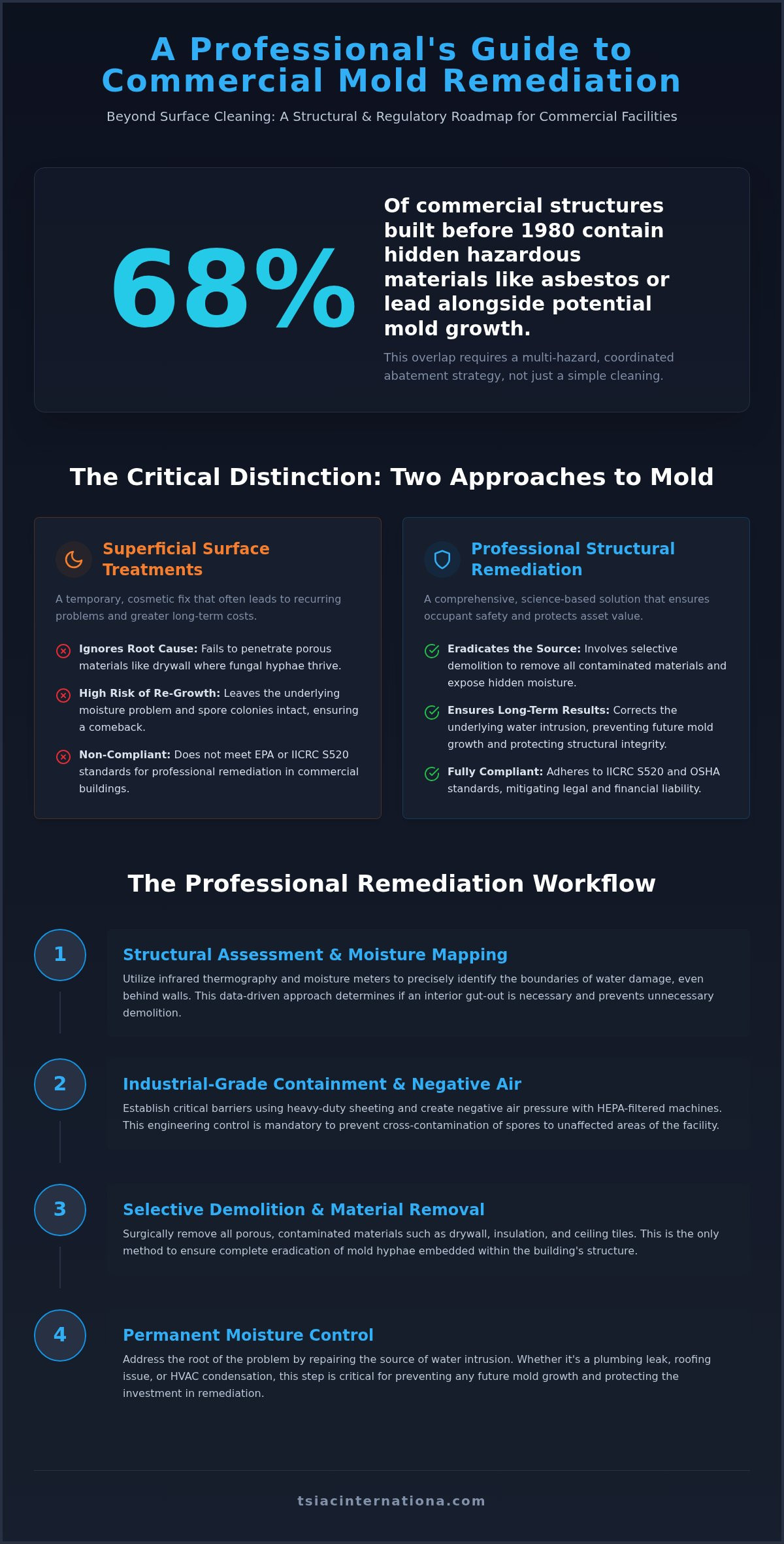
  • Step 1: Containment. Technicians establish a regulated area using 6-mil polyethylene sheeting to seal all walls, floors, and HVAC vents.
  • Step 2: Negative Air Pressure. The team implements negative air machines equipped with HEPA filters. These units ensure that air only flows into the work zone, preventing any microscopic fibers from escaping.
  • Step 3: Wet-Scraping. Workers use specialized wetting agents to saturate the texture before removal. This technique suppresses dust at the source, ensuring fibers don’t become airborne during the scraping process.
  • Step 4: Decontamination and Disposal. All waste is double-bagged in leak-tight, labeled 6-mil containers. The area then undergoes a final HEPA vacuuming and wet-wiping before a third-party air clearance test confirms the space is safe for re-occupancy.

Deciding between these methods depends on your long-term goals for the property. While encapsulation offers a faster turnaround, removal provides the peace of mind that comes with a clean environmental report. For expert guidance on the most secure path for your facility, consult with the specialists at TSIA C International to ensure your project meets the highest safety standards.

Why Professional Abatement is Non-Negotiable

Attempting to remove asbestos in popcorn ceilings without professional intervention creates severe health risks and legal liabilities. When friable asbestos fibers are disturbed, they become microscopic projectiles that remain suspended in the air for up to 72 hours. Property owners face strict penalties under EPA NESHAP (National Emission Standards for Hazardous Air Pollutants) regulations if they fail to follow proper containment procedures. Professional contractors mitigate these risks by establishing negative pressure environments and using specialized wet-stripping methods that prevent fiber release at the source.

Compliance isn’t just about safety; it’s about meticulous documentation. Federal law requires specific disposal protocols for hazardous waste. A professional firm handles the entire chain of custody, ensuring that your renovation project remains legally sound. Once the material is removed, third-party air clearance testing provides the final verification. This independent analysis ensures that fiber counts are below 0.01 fibers per cubic centimeter. This is the standard safety threshold for re-occupancy. Without this certificate, you risk contaminating the entire building during subsequent renovation phases.

Safety Protocols and Specialized Equipment

Standard dust masks provide zero protection against microscopic mineral fibers. Professionals utilize N100 or P100 respirators and disposable hazmat suits to prevent cross-contamination. Expert hazardous material abatement protects the building’s long-term value by ensuring no residual contamination lingers in the HVAC system or wall cavities. Final cleanup requires industrial HEPA vacuums. These machines capture particles as small as 0.3 microns with 99.97% efficiency. This level of precision is impossible to achieve with consumer-grade equipment.

Choosing a Qualified Abatement Partner

Selecting a contractor requires more than a simple quote. You must verify their asbestos-specific liability insurance and bonding. A qualified partner should have a proven history with both abatement and selective demolition to ensure the structure remains intact during the process. This expertise is vital when transitioning from hazardous material removal to structural prep.

Always request a detailed Waste Shipment Record (WSR) for your compliance files. This document is your primary defense in environmental audits. It proves the material reached a licensed landfill according to 40 CFR Part 61. By hiring a team that understands the intersection of safety and structural integrity, you ensure the removal of asbestos in popcorn ceilings is a controlled, engineering-led process rather than a hazardous gamble. This disciplined approach allows for a seamless transition to the next stage of your construction project.

Securing Your Property Against Latent Hazardous Materials

Managing asbestos in popcorn ceilings requires a technical approach rooted in engineering precision rather than guesswork. Since the EPA’s 1989 partial ban didn’t immediately eliminate existing stockpiles, structures built or renovated through the late 1990s remain at high risk. You now understand that identifying friable materials is the first step in risk mitigation, followed by a strategic choice between encapsulation and complete removal. These aren’t DIY tasks. Structural safety depends on expert execution to prevent microscopic fiber release during the remediation process.

TSIAC International brings over 15 years of hazardous material remediation experience to every project. We’re fully licensed and insured for large-scale structural abatement, ensuring that your facility meets 2026 environmental standards. Our team implements comprehensive recycling and environmental compliance protocols to protect both your physical assets and the surrounding ecosystem. Don’t leave structural integrity or occupant safety to chance. We provide the specialized solutions required for complex remediation challenges in even the most difficult locations. Contact TSIAC International for a Professional Abatement Consultation to ensure your project is completed with engineering-grade accuracy and professional care.

Frequently Asked Questions

Is it safe to live in a house with asbestos popcorn ceilings?

It’s safe to live in a house with these ceilings as long as the material remains intact and undisturbed. The Environmental Protection Agency (EPA) states that asbestos only poses a health risk when it becomes friable and airborne. If the surface isn’t peeling, crumbling, or showing water damage, the fibers stay trapped within the texture. You must avoid any activity that vibrates the ceiling or causes physical abrasion.

Can I just paint over my popcorn ceiling to seal in the asbestos?

Painting is a recognized method of encapsulation, but it’s not a permanent solution for hazardous materials. While a fresh layer of paint can bind the fibers together, the added weight might cause the entire texture to pull away from the drywall. This failure leads to a significant release of dust. You’ll also find that future removal becomes much more difficult and expensive once the material is saturated with paint.

How much does it cost to remove asbestos popcorn ceilings in 2026?

Professional abatement costs generally range from $5 to $20 per square foot based on 2024 industry data. These rates reflect the specialized labor, high-grade filtration equipment, and hazardous waste disposal fees required for safe execution. Total project estimates vary depending on the height of the ceilings and the complexity of the room layout. You should always ensure the quote includes final air clearance testing by an independent laboratory.

What happens if I accidentally scrape or damage an asbestos ceiling?

You must stop all activity immediately and isolate the affected room to prevent fiber migration. Even a small scrape can release thousands of microscopic fibers into your living space. Turn off your HVAC system to stop the air from circulating through the house. It’s vital to contact a certified professional to perform a localized cleanup and air quality test to ensure the area is safe for occupancy.

Do all popcorn ceilings built before 1980 contain asbestos?

No, but a high percentage of ceilings installed before 1985 contain the mineral. Although the EPA banned spray-applied asbestos surfacing materials in 1973, manufacturers were legally allowed to sell through their existing inventories. This resulted in the continued use of asbestos in popcorn ceilings for over a decade after the initial ban. The only way to confirm the presence of the mineral is through polarized light microscopy testing.

How long does the professional asbestos removal process take?

A standard 1,500 square foot residential project typically requires 3 to 5 business days for completion. This timeline includes the rigorous setup of poly-sheeting containment zones and the actual wet-scraping process. It also accounts for the mandatory 24-hour waiting period required for air clearance samples to be analyzed. Larger properties or those with complex architectural features will naturally require a more extended schedule for safe completion.

Can I remove an asbestos popcorn ceiling myself if I wear a mask?

You shouldn’t attempt DIY removal because standard N95 masks don’t filter out microscopic asbestos fibers. Professional teams use specialized HEPA-filtered respirators and negative air pressure machines to keep the environment safe. Without industrial-grade equipment, you risk contaminating your entire home and HVAC system permanently. Most jurisdictions also have strict legal requirements for the transport and disposal of hazardous waste that homeowners can’t easily meet.

What is the difference between an acoustic ceiling and a popcorn ceiling?

The terms are used interchangeably, but acoustic ceiling refers to the material’s sound-dampening properties while popcorn ceiling describes its physical appearance. Both terms describe the same spray-on texture that was popular in mid-century construction. If your home features this finish, you should treat it as containing asbestos in popcorn ceilings until a lab test proves otherwise. Both styles are equally friable and require the same professional handling during renovation or repair.

How to Test for Asbestos in Walls: A Professional 2026 Safety Guide

A single microscopic asbestos fiber can remain airborne for up to 72 hours, which means the margin for error during a structural renovation is…

A single microscopic asbestos fiber can remain airborne for up to 72 hours, which means the margin for error during a structural renovation is effectively zero. You’re right to feel a sense of caution when approaching older properties, especially since the EPA’s March 2024 final rule significantly tightened the regulations surrounding chrysotile asbestos. It’s a common concern that multi-layered wall materials might hide legacy contaminants that could compromise an entire job site if handled incorrectly.

This technical guide explains exactly how to test for asbestos in walls using rigorous protocols that prioritize both environmental safety and regulatory compliance. You’ll gain a clear understanding of the professional sampling methodologies required to identify hazardous fibers within drywall, plaster, and joint compounds. We’ll outline the precise path from initial site assessment to NVLAP-accredited laboratory testing, providing you with the engineering precision needed to move toward a safe removal process or a confident, compliant renovation.

Key Takeaways

  • Recognize the engineering necessity of testing wall structures to mitigate the risk of fiber release during electrical or plumbing penetrations.
  • Differentiate between surface finishes and internal structural insulation to pinpoint high-risk zones within varied wall assemblies.
  • Master the professional protocols for how to test for asbestos in walls, prioritizing certified laboratory analysis over unreliable consumer-grade testing kits.
  • Implement rigorous safety measures during the sampling process, such as site saturation and air system management, to maintain a controlled environment.
  • Evaluate the technical requirements for structural abatement versus enclosure strategies to ensure long-term site compliance and safety.

Understanding the Necessity of Asbestos Testing in Walls

Asbestos wall testing is a rigorous professional protocol designed to identify microscopic mineral fibers hidden within common building materials. It’s not a visual inspection. Instead, it’s a technical process that requires laboratory analysis to confirm the presence of hazardous silicates. For structures built between 1930 and 1980, walls represent a significant reservoir of legacy materials. During this 50 year window, manufacturers frequently added asbestos to drywall joint compounds, plaster, and thermal insulation to improve fire resistance and structural durability.

Walls are high risk zones because they serve as the primary conduits for a building’s infrastructure. Homeowners and contractors often disturb these surfaces during routine electrical upgrades or plumbing repairs. Understanding how to test for asbestos in walls is the only reliable way to ensure that a simple renovation doesn’t turn into a localized environmental crisis. Professionals categorize these materials based on their physical state: friable or non-friable. Friable asbestos, such as loose-fill insulation that has settled into wall cavities, crumbles under slight hand pressure. Non-friable materials, like asbestos cement siding or vinyl wall tiles, are more stable but become equally dangerous if they are cut, ground, or shattered.

The Risks of Accidental Disturbance

A single mechanical action like drilling or sanding can release millions of microscopic fibers into a confined residential space. These fibers stay airborne for hours due to their light weight and needle-like structure. Inhaling these particles leads to permanent physiological damage, including asbestosis and mesothelioma. Because symptoms often take 20 to 50 years to manifest, the threat is frequently underestimated. Property owners must prioritize safety by reviewing a comprehensive hazardous material abatement South Carolina guide before starting any structural work. Educating yourself on the dangers of asbestos is the first step in responsible property management.

Legal and Regulatory Requirements for Testing

Federal EPA and OSHA regulations mandate specific inspection protocols before any renovation or demolition activity begins. By 2026, municipal building departments have become increasingly strict, often requiring a certified negative test result before they’ll issue a demolition permit. Documentation is vital. A professional report proving the absence of asbestos protects property owners from future liability during a resale. It also ensures that workers are not exposed to illegal levels of toxic dust. Knowing how to test for asbestos in walls through official channels provides a clear paper trail that satisfies both insurance adjusters and health inspectors.

Identifying Asbestos-Suspect Materials Within Wall Structures

Accurate identification of hazardous materials requires an understanding of structural layers rather than a simple surface inspection. You cannot identify asbestos by sight. The fibers are microscopic, often measuring less than 10 micrometers in length, which makes them invisible to the naked eye. When determining how to test for asbestos in walls, you must distinguish between the “skin” of the wall, such as the paint or wallpaper, and the internal components where asbestos was traditionally used for its tensile strength and thermal resistance. Relying on professional asbestos testing is the only way to confirm the presence of these minerals before disturbing any surface.

Drywall and Joint Compound (The “Mud”)

While the gypsum core of a drywall panel is often free of contaminants, the joint compound used to seal seams and screw heads is a primary concern. During the mid-20th century, manufacturers added chrysotile asbestos to “mud” to prevent cracking and improve fire ratings. In the 1970s, contractors frequently applied a “skim coat” across entire walls to create specific textures, effectively wrapping rooms in a thin layer of asbestos-containing material. Sampling this material is technically demanding because the lab must separate the thin layer of compound from the paper backing of the drywall to get an accurate percentage reading.

Plaster and Lath Systems

In structures built before 1950, plaster and lath were the standard. You might find natural horsehair used as a binder in residential settings, but commercial-grade plaster often utilized asbestos for its superior fireproofing capabilities. This material becomes extremely dangerous during selective demolition projects. When the plaster is broken or sanded, it releases high concentrations of dust. If the plaster feels unusually hard or was applied in a high-heat area, like behind a boiler or fireplace, the probability of asbestos reinforcement increases significantly.

In-Wall Insulation (Vermiculite and Batting)

Internal wall cavities often hide the most volatile forms of asbestos. Vermiculite insulation, which looks like small shiny pebbles, was frequently poured into the hollow cores of cinder block walls. Between 1919 and 1990, roughly 70% of the world’s vermiculite came from a mine in Libby, Montana, which was naturally contaminated with tremolite asbestos. Industry standards dictate that vermiculite should always be presumed positive for asbestos until proven otherwise. For projects involving older industrial or residential insulation, consulting a specialized asbestos removal South Carolina guide is necessary to understand regional regulatory requirements and disposal protocols.

Identifying these materials is the first step in maintaining a safe job site. If you’re planning a renovation, ensure your team is protected by scheduling complex structural assessments to identify hidden hazards before work begins.

How to Test for Asbestos in Walls: A Professional 2026 Safety Guide

Professional Testing Protocols vs. DIY Asbestos Kits

Retail hardware store kits promise convenience but frequently fail the rigors of industrial safety standards. These “instant” tests often lack the sensitivity required to detect asbestos fibers embedded in complex wall matrices. For a definitive result on how to test for asbestos in walls, one must rely on Polarized Light Microscopy (PLM). Certified laboratories use PLM to examine samples at high magnification, identifying the specific mineral morphology of fibers like chrysotile or amosite. Without this specialized equipment, a negative result from a home kit provides a false sense of security that can lead to hazardous exposure during renovation.

The technical precision required for asbestos identification isn’t available in a $50 over-the-counter box. Professional labs follow NVLAP (National Voluntary Laboratory Accreditation Program) standards to ensure that even trace amounts of fibers, often less than 1% by volume, are accurately recorded. For commercial property owners, using uncertified testing methods is a major liability. If a worker is exposed because a DIY kit failed to detect fibers, the building owner faces massive legal and financial repercussions. Professional testing isn’t just about safety; it’s a critical component of risk management and asset protection.

The Limitations of DIY Sampling

Homeowners and property managers often overlook the stratified nature of wall systems. A single surface scrape rarely captures the joint compound, which is the component most likely to contain asbestos in post-1950s construction. DIY sampling also lacks a documented chain of custody. This omission creates significant liability, as undocumented samples hold no weight in legal or insurance disputes. Most critically, DIY extraction lacks environmental controls. Without a HEPA-filtered vacuum and specialized wetting agents, the act of cutting a sample can release millions of microscopic fibers into the HVAC system, causing widespread cross-contamination.

What a Professional Inspector Provides

Engaging an accredited AHERA (Asbestos Hazard Emergency Response Act) inspector ensures the process follows strict regulatory frameworks. An inspector doesn’t just take random pieces of wall; they develop a formal Sampling Plan based on the material’s homogeneity. For instance, EPA protocols often dictate a minimum of three samples for surfacing materials covering less than 1,000 square feet to ensure statistical accuracy. This systematic approach is the industry standard for how to test for asbestos in walls correctly. The resulting report provides more than a simple binary answer. It details the exact fiber percentage and type, which determines the specific abatement procedures required by law. This level of precision maintains the structural safety and long-term value of the property.

  • AHERA Accreditation: Ensures the inspector has completed 24 hours of initial training and annual refreshers.
  • Statistical Sampling: Prevents “false negatives” by testing multiple points in a single room.
  • Legal Documentation: Provides a certified paper trail for future property transactions or inspections.

The Step-by-Step Procedure for Wall Asbestos Sampling

Professional asbestos sampling isn’t a simple task of scraping a surface; it’s a controlled engineering process that requires technical precision to ensure occupant safety. When determining how to test for asbestos in walls, the primary objective is to extract material without releasing friable fibers into the ambient air. The process begins with total isolation. Technicians must deactivate all HVAC systems and seal supply and return vents with 6-mil polyethylene sheeting to prevent fiber drift throughout the building’s ventilation network.

Before any physical penetration occurs, the sampling site is treated with amended water. This solution, typically water mixed with a surfactant or wetting agent, reduces the surface tension and allows the liquid to penetrate deep into the wall’s structure. By saturating the material, we suppress dust at the source, ensuring that any particles generated during the cut remain heavy and localized rather than becoming airborne.

Core Sampling Techniques

Technicians use a specialized circular hole saw or a stainless steel coring tool to perform a clean, surgical extraction. This method is superior to breaking off chunks of material because it maintains the structural integrity of the surrounding area and minimizes debris. It’s standard practice to collect samples from multiple locations across a single wall, especially in structures built before 1980, to account for various renovation eras where different joint compounds or plasters might’ve been used. A representative sample is a vertical cross-section of the wall assembly that captures every distinct layer of material, from the outermost paint and skim coat to the underlying plaster, lath, or drywall substrate.

Maintaining the Containment Zone

Effective containment relies on physical barriers and specialized equipment like “glove bags” designed for small-scale wall sampling. These bags allow the technician to manipulate tools inside a sealed environment, keeping all dust contained within the plastic sleeve. We always utilize heavy-duty drop cloths to catch any incidental fallout during the procedure. Demolition site safety starts with these containment measures, ensuring that the preliminary testing phase doesn’t create the very contamination it’s meant to identify. Post-sampling cleanup involves a two-stage protocol: wet wiping all surfaces with disposable cloths and using a HEPA-filtered vacuum to clear the immediate work zone.

Once the sample is extracted, the hole must be patched immediately. Technicians apply a high-grade sealant or heavy-duty duct tape to encapsulate the exposed edges of the wall. Each sample is then double-bagged in labeled, airtight containers and transported to an NVLAP-accredited laboratory. These labs follow ISO/IEC 17025 standards to provide the definitive analysis required for legal and safety compliance. For complex industrial or commercial structures, it’s vital to rely on professional site assessment services to manage these high-stakes procedures.

From Positive Test to Safe Removal: Structural Abatement

A positive laboratory report marks the end of the diagnostic phase and the beginning of a high-precision engineering challenge. Once you’ve followed the protocols on how to test for asbestos in walls and confirmed the presence of chrysotile or amosite fibers, the project shifts from assessment to remediation. You generally face two choices: enclosure or abatement. Enclosure involves sealing the contaminated wall behind a permanent, airtight barrier. While this prevents fiber release in the immediate term, it leaves the hazardous liability within the building’s footprint. For long-term safety and unencumbered property value, structural abatement or full removal is the industry standard. Understanding how to test for asbestos in walls is the critical first step, but the transition to removal requires a specialized workforce trained in hazardous material handling and containment.

TSIAC International specializes in the surgical removal of hazardous walls, ensuring that fibers are extracted without compromising the structural integrity of the surrounding facility. A critical final stage in this process is the air clearance test. This is conducted by an independent third-party industrial hygienist to verify that fiber counts have dropped below the EPA limit of 0.01 fibers per cubic centimeter before the area is reopened for general use.

Selective Demolition and Wall Gutting

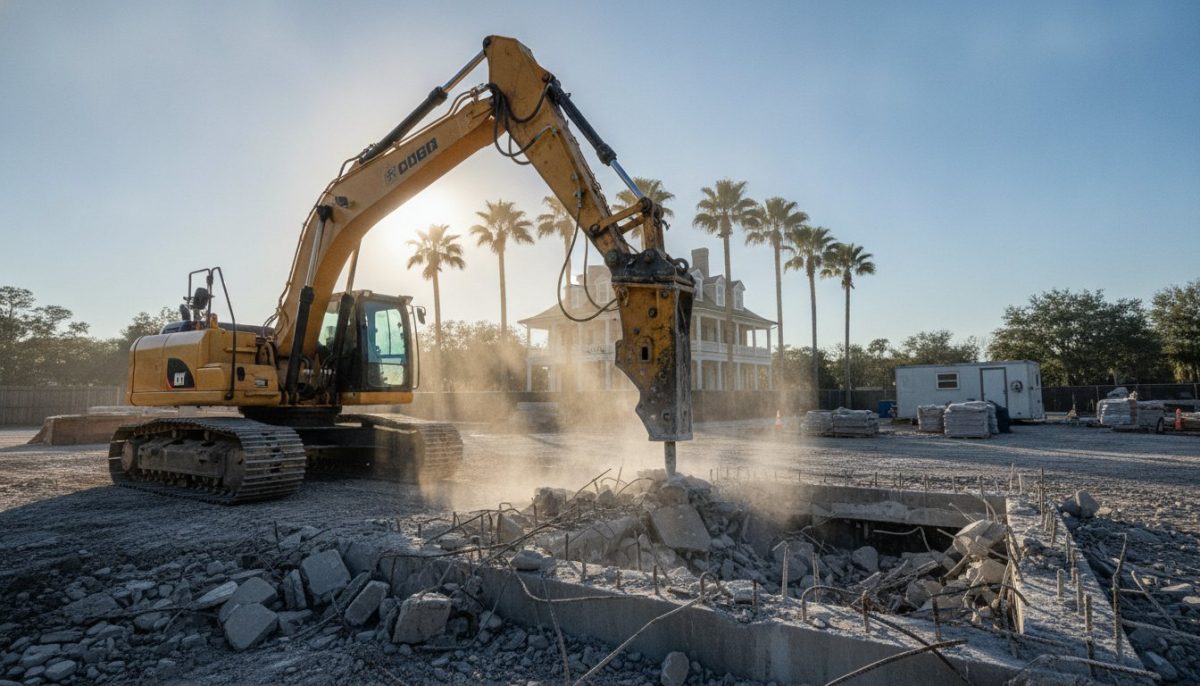
Professional commercial interior gutting services operate under strict negative pressure environments to prevent cross-contamination. During the gutting of contaminated walls, teams use HEPA-filtered vacuums and wet-stripping methods to keep dust levels at zero. Debris is double-bagged in 6-mil poly bags and transported to specialized hazardous waste landfills that are legally permitted to accept asbestos-containing materials. Our process isn’t just about disposal; we identify and recover non-porous, non-contaminated structural components. For instance, metal studs and tracks are thoroughly decontaminated and redirected to recycling facilities, which can reduce the environmental footprint of the demolition by up to 30%.

Choosing a Licensed Abatement Contractor

Selecting a partner requires verifying specific credentials that go beyond basic general contracting. You need a team that adheres to tsiac international charleston standards, which include comprehensive licensing, bonding, and a documented history of OSHA compliance. A professional contractor provides a full close-out project manual containing waste shipment records, daily site logs, and laboratory air clearance results. This documentation is vital for legal compliance and future property transactions. If your testing has confirmed a hazard, don’t delay the remediation process. Contact TSIAC International for professional abatement and demolition services to secure your facility’s safety with engineering precision.

Securing Your Structural Integrity Through Professional Verification

Managing hazardous materials requires technical precision and a disciplined approach to site safety. Understanding how to test for asbestos in walls is the first step in mitigating long-term risks associated with aging infrastructure. By identifying suspect materials like textured coatings or thermal insulation early, you prevent the accidental release of fibers during renovations. Our 2026 safety guide emphasizes that while DIY kits exist, they often lack the legal weight and accuracy of laboratory-certified sampling.

TSIAC International leverages over 15 years of hazardous material expertise to provide definitive answers for complex environments. We’re fully licensed and insured for structural demolition, which means we handle everything from the initial sample to the final teardown. Our team follows comprehensive recycling and disposal protocols to ensure that toxic waste doesn’t impact the surrounding ecosystem. It’s about more than just removal; it’s about engineering a safer space for everyone involved. Don’t leave your project’s safety to chance when professional verification is within reach.

Request a Professional Abatement Quote from TSIAC International

Taking proactive steps today ensures your property remains a safe, compliant, and valuable asset for years to come.

Frequently Asked Questions

Can I tell if wall plaster has asbestos just by looking at it?

You can’t identify asbestos in wall plaster through visual inspection alone because the fibers are 1,200 times thinner than a human hair. Professional testing is mandatory for any building constructed before the 1986 ban in the UK or the 1989 partial ban in the US. Even if the material looks like standard gypsum or lime plaster, it may contain 1% to 5% asbestos by weight to increase fire resistance and structural durability.

How much does it typically cost to have walls tested for asbestos?

Professional asbestos testing typically costs between $250 and $800 according to 2024 data from HomeAdvisor. This price covers the site visit, sample collection, and laboratory fees. While DIY mail-in kits are available for $40 to $100, these often lack the legal certification required for commercial projects or insurance compliance. Higher costs apply if the technician needs to sample multiple layers across several rooms or different floors.

Is it safe to live in a house while asbestos wall testing is being performed?

It’s safe to remain in the property during testing if the technician uses wet-sampling techniques and HEPA-filtered vacuums to prevent fiber release. The sampling process only requires a small piece of material, usually 1 square inch, taken from a discreet location. Professionals seal the sample site immediately with duct tape or a sealant to ensure the air remains clean. You don’t need to evacuate unless the walls are already severely damaged or crumbling before the inspector arrives.

What should I do if my wall test comes back positive for Chrysotile?

You must leave the material undisturbed or hire a licensed abatement professional if the test confirms Chrysotile, which represents 95% of asbestos used in global construction. If the wall is in good condition, the EPA suggests management in place rather than removal. When renovation is necessary, you’ll need a specialized team to set up a negative pressure enclosure. They’ll ensure fibers don’t migrate to other parts of the structure during the extraction process.

Does every wall in a house need to be tested before a remodel?

You don’t need to sample every square foot, but you must test every distinct type of finishing material across different construction phases. If a house had an addition in 1975, those walls require separate analysis from the original 1940s structure. Understanding how to test for asbestos in walls involves identifying homogeneous areas where the material appears identical. A certified inspector typically takes 3 to 9 samples per area to ensure a statistically accurate result.

How long does it take to get asbestos lab results back?

Standard laboratory processing takes between 24 and 72 hours from the time the lab receives the samples. Many facilities offer 3-hour or same-day rush services for an additional fee of $50 to $150 per sample. This timeline is critical for maintaining the momentum of your construction project. Once the analysis is complete, the lab issues a formal Certificate of Analysis detailing the asbestos percentage and fiber type found in each specific sample.

Safe Lead Paint Removal: The 2026 Professional Guide to Abatement

By 2026, an estimated 31 million residential units across the United States still contain hazardous legacy coatings, proving that lead isn’t just a…

By 2026, an estimated 31 million residential units across the United States still contain hazardous legacy coatings, proving that lead isn’t just a historical footnote but a modern structural challenge. For facility managers and property owners, the mandate for safe lead paint removal has shifted from a recommendation to a rigorous technical requirement. You’re likely grappling with the high stakes of lead dust migration and the confusing regulatory gap between standard RRP protocols and permanent abatement. It’s a complex environment where one oversight can lead to significant health liabilities or EPA enforcement actions.

This guide delivers the engineering precision and technical protocols required to master lead-based paint elimination in both commercial and residential sectors. We’ve compiled the latest 2026 safety standards to help you secure a lead-free environment while maintaining the structural integrity of your assets. You’ll gain a clear roadmap covering advanced site containment, chemical versus mechanical stripping methods, and the final clearance testing necessary for full regulatory compliance. We’ll move beyond the basics to ensure your project meets the highest industrial benchmarks for safety and efficiency.

Key Takeaways

  • Identify structural hazards in pre-1978 buildings by recognizing physical signs like “alligatoring” and understanding the specific risks of microscopic lead dust.
  • Learn how to establish a “Critical Barrier” containment zone using 6-mil poly sheeting to prevent the spread of hazardous particles during the abatement process.
  • Master the technical protocols for safe lead paint removal through professional wet scraping and sanding techniques that minimize environmental contamination.
  • Discover why standard shop vacuums fail and how industrial HEPA-filtered ventilation systems bridge the “containment gap” that DIY methods cannot address.
  • Implement the rigorous “HEPA-Sandwich” cleaning method and follow strict hazardous waste disposal standards to ensure a site meets professional clearance verification.

Understanding Lead-Based Paint Risks and Regulatory Standards

Lead-based paint is a systemic structural hazard present in approximately 34 million housing units built before the 1978 federal ban. While intact paint layers pose minimal immediate risk, the hazard becomes active during any process involving safe lead paint removal or structural modification. The primary danger lies in the science of lead dust. Microscopic particles, often smaller than 10 microns, are light enough to remain airborne for extended periods and small enough to bypass standard respiratory filtration. These particles settle into carpets, ductwork, and porous surfaces, creating a long-term toxic legacy that standard industrial cleaning cannot easily remediate.

Regulatory oversight is tightening to address these persistent risks. The EPA Renovation, Repair, and Painting (RRP) Rule sets the standard for any work that disturbs lead-based paint in “target housing” or child-occupied facilities. Looking toward 2026, the EPA is expected to implement even more stringent dust-settled clearance levels to match updated health data. It’s vital to distinguish between lead renovation, which manages lead during general construction, and professional abatement. While renovation is a temporary measure, specialized lead abatement techniques are designed to permanently eliminate lead hazards for a minimum of 20 years through removal, encapsulation, or enclosure.

The Health Implications of Improper Removal

Lead exposure causes irreversible neurological damage that compromises the central nervous system. In children, even low-level exposure leads to permanent IQ loss and behavioral disorders. Adults aren’t immune; they often experience chronic hypertension and significant renal impairment following prolonged exposure. Using dry sanding, power grinding without HEPA attachments, or heat guns operating above 1,100°F is hazardous because these methods aerosolize heavy metals into a breathable vapor. Lead-based paint poisoning is a preventable environmental hazard.

Legal Liability for Property Managers and Contractors

Liability in the industrial and residential sectors is absolute. Federal mandates require all firms performing safe lead paint removal to be EPA-certified and to follow rigorous work-practice standards. Documentation is the cornerstone of legal protection; contractors must maintain detailed records of on-site inspections, occupant notifications, and post-work cleaning verifications for at least three years. The financial consequences of negligence are severe. The EPA currently issues civil penalties that can exceed $46,000 per violation, per day. Beyond government fines, property managers face massive litigation risks if a failure in containment leads to environmental contamination or documented health issues among tenants.

Identifying and Testing for Lead Hazards

Precise identification is the cornerstone of safe lead paint removal. Professionals focus on high-risk architectural elements where lead-based coatings were historically prevalent. These include window sashes, door frames, and exterior trim components. You can often spot lead degradation by “alligatoring,” a specific pattern of rectangular cracking that resembles reptile skin. While these visual cues are helpful, they’re only the first step in a technical assessment.

Relying solely on visual inspection is a liability. Modern industrial standards require non-destructive testing using X-Ray Fluorescence (XRF) technology. XRF analyzers provide immediate, accurate readings of lead concentration in milligrams per square centimeter without damaging the substrate. This data ensures compliance with EPA lead-safe work practices, which dictate the necessary safety protocols based on lead levels. Without this empirical data, the risk of accidental exposure during demolition increases by over 40 percent.

Professional Inspection vs. Home Test Kits

DIY chemical swab kits often yield false negatives, especially on surfaces with multiple layers of over-painting. A certified Risk Assessor provides a deeper level of scrutiny by identifying microscopic lead-contaminated dust that swabs miss. We develop a comprehensive lead hazard map before any site mobilization. This map tracks every contaminated surface, allowing for a surgical approach to removal rather than a broad, high-risk demolition strategy.

Pre-Removals Environmental Baselines

Establishing environmental baselines is a non-negotiable step for professional contractors. We collect soil samples and interior dust wipes to document lead levels before work begins. This protects property owners from liability and ensures the cleanup is effective. Specific attention is paid to “friction surfaces,” such as window tracks and door headers, where mechanical movement grinds paint into fine, inhalable dust. Effective safe lead paint removal must be integrated into a wider hazardous material abatement strategy to manage all site risks simultaneously. If your project involves complex structural elements or high-altitude surfaces, consulting with a specialized technical partner ensures the highest safety standards are met.

Safe Lead Paint Removal: The 2026 Professional Guide to Abatement

Professional Abatement vs. DIY: Evaluating the Risks

Homeowners often underestimate the technical precision required for safe lead paint removal. While a DIY approach might seem cost-effective, it frequently creates a “containment gap.” Standard 6-mil plastic sheeting often fails because DIYers don’t establish negative air pressure zones. Without this pressure differential, microscopic lead particles migrate through HVAC vents and door gaps, settling in carpets and upholstery. Professional teams utilize industrial HEPA-filtered ventilation systems that capture 99.97% of particles as small as 0.3 microns. Standard shop vacuums lack these specialized seals; they essentially act as lead dust distributors, blowing toxic particles back into the room through the exhaust.

Labor expertise is another critical factor in project success. Certified professionals undergo rigorous training on lead-safe work practices to ensure every phase of the project meets HUD lead paint safety standards. This technical knowledge protects long-term property value. A certified lead-free status can increase a property’s marketability by 5% to 10% in older urban markets where buyers prioritize health safety. Conversely, a botched DIY attempt that results in soil or structural contamination can lead to massive remediation costs and legal liabilities during a sale.

The Dangers of Traditional Paint Removal Methods

Traditional methods like power sanding without HEPA shrouds are strictly prohibited. These tools create clouds of inhalable dust that remain airborne for hours. High-temperature heat guns exceeding 1,100 degrees Fahrenheit are equally dangerous because they vaporize lead, creating toxic fumes that bypass standard respirators. Open-flame burning is the most hazardous technique; it poses a direct fire risk and can permanently contaminate structural substrates, making future remediation nearly impossible. Professionals use chemical strippers or low-heat infrared technology to avoid these toxic thresholds.

Why Commercial Projects Demand Professional Oversight

Commercial environments require scaling safety protocols to protect hundreds of occupants simultaneously. Managing commercial interior gutting involves more than just demolition; it requires precise hazardous material management integrated into the structural timeline. In multi-tenant buildings, a single error in containment can lead to health risks for neighboring businesses. Professional oversight ensures safe lead paint removal while maintaining structural integrity, especially when stripping historical building components where the substrate is fragile and irreplaceable. Expert contractors provide the engineering precision needed to handle these “impossible” sites where standard methods fail.

Industry-Standard Methods for Safe Lead Removal

Achieving safe lead paint removal starts with a rigid “Critical Barrier” containment zone. Technicians seal all HVAC vents, windows, and doors with 6-mil polyethylene sheeting. This isn’t just a suggestion; it’s a technical requirement to prevent lead dust from migrating into non-work areas. We prioritize wet scraping and wet sanding over dry methods. Keeping surfaces damp reduces airborne lead concentrations by roughly 90%, ensuring the environment stays within OSHA’s permissible exposure limits. This moisture-rich approach traps particles before they become respirable, protecting both the workers and the facility’s future occupants.

We choose chemical stripping agents based on the specific substrate. Caustic agents effectively dissolve thick layers on masonry but require careful neutralization to prevent surface degradation. For delicate surfaces, solvent-based or bio-based strippers offer a safer alternative without compromising the underlying material. If removal poses a structural risk or is cost-prohibitive, we utilize encapsulation or enclosure. These methods use specialized polymers or physical barriers to isolate lead, providing a long-term solution without the high-impact disruption of full stripping.

The Negative Air Pressure Protocol

The Negative Air Pressure Protocol relies on HEPA air scrubbers to create a constant vacuum effect within the containment. We don’t just turn the machines on and hope for the best. We use digital manometers to monitor the containment 24/7. A consistent reading of -0.02 inches of water column pressure is our benchmark. This pressure differential ensures that air always moves from clean areas into the work zone, never the other way. It’s the most reliable way to prevent cross-contamination in adjacent rooms or common areas.

Substrate-Specific Removal Strategies

Substrate-specific strategies are essential for safe lead paint removal on industrial sites. Porous materials like brick require needle guns or vacuum-shrouded grinders to pull lead from the deep grain of the masonry. On structural steel, we focus on removing the lead while preparing the surface for new protective coatings. This level of detail is critical during selective demolition processes where we must strip lead from specific joints or beams before cutting occurs. We don’t leave safety to chance when dealing with heavy metal contaminants.

If your facility requires high-level abatement and technical precision, contact our specialists for a professional consultation.

Post-Removal Cleanup and Clearance Verification

Successful safe lead paint removal requires a rigorous decontamination phase that goes beyond standard construction cleaning. The industry standard remains the “HEPA-Sandwich” protocol. This three-stage process involves a thorough HEPA vacuuming of all surfaces, followed by a wet-wipe down using a lead-specific detergent, and a final HEPA vacuuming once surfaces are dry. This sequence prevents microscopic dust from becoming airborne or settling back into porous materials after the primary abatement is finished. Professionals don’t just clear the visible debris; they eliminate the invisible particulates that pose the greatest health risks.

Decontamination and Waste Management

Workers must undergo a strict decontamination sequence before leaving the containment area. This includes removing disposable suits and respirators in a designated “dirty room” to prevent cross-contamination of clean zones. All lead-contaminated debris, including used PPE and plastic sheeting, is classified as hazardous material. To meet safety standards, all waste must be double-bagged in 6-mil polyethylene bags that are goose-neck sealed and clearly labeled for transport to a licensed hazardous waste landfill. This 6-mil thickness is mandatory because it provides the puncture resistance necessary to contain toxic particulates during transit and disposal.

Clearance testing is the final gatekeeper of a project’s success. Once cleaning is complete, a third-party environmental professional must conduct a formal evaluation. This isn’t a visual inspection alone. Technicians collect dust wipe samples from floors, windowsills, and window troughs, which are then sent to a laboratory for analysis. In 2021, the EPA tightened dust-lead clearance levels to 10 micrograms per square foot (µg/ft²) for floors and 100 µg/ft² for windowsills. A final report and a lead-safe certificate are issued only after lab results confirm the site meets these stringent safety thresholds.

Ensuring Long-Term Safety and Maintenance

If lead was encapsulated rather than fully removed, property owners must implement a recurring monitoring schedule. Check these surfaces every 6 to 12 months for signs of peeling, cracking, or impact damage. Integrating these inspections into regular building maintenance plans prevents future exposure risks. For complex projects requiring high-level technical precision and safe lead paint removal, partnering with TSIAC International for certified abatement oversight ensures that every stage of the process meets federal compliance. This methodical approach guarantees that a building remains a safe environment for its occupants long after the contractors have left the site.

Securing Your Property’s Future with 2026 Safety Standards

Ensuring lead safety requires a technical approach that prioritizes long-term structural integrity and occupant health. By 2026, regulatory standards for safe lead paint removal have shifted toward more rigorous containment and verification protocols. You’ve learned that superficial testing isn’t enough. True safety depends on identifying hazards through XRF technology and executing abatement through specialized mechanical or chemical methods. Industry data shows that professional intervention eliminates the high contamination risks associated with improper DIY attempts. These specialized processes are vital for maintaining compliance with current EPA regulations and protecting your investment.

TSIAC International brings over 15 years of hazardous material expertise to every project. As an EPA Lead-Safe Certified Firm, we implement comprehensive environmental containment protocols that exceed standard safety requirements. We don’t just clear the surface; we ensure your environment meets every legal and health benchmark established for 2026. Our team handles the complex logistics so you can focus on your property’s long-term value. Don’t leave your safety to chance. Contact TSIAC International for a Professional Lead Abatement Consultation and secure a lead-free environment today. Your commitment to proper abatement ensures a safer space for everyone involved.

Frequently Asked Questions

Is it ever safe to remove lead paint myself?

No, it’s generally unsafe and often illegal for non-certified individuals to perform lead abatement. EPA RRP regulations mandate professional certification for any project disturbing more than 6 square feet of interior lead-based paint. Attempting safe lead paint removal without industrial-grade HEPA filtration and negative pressure systems often leads to 100% contamination of the building’s HVAC system.

How much does professional lead paint removal typically cost?

National industry data indicates that professional abatement costs range between $8 and $15 per square foot. For a standard 1,500 square foot residential structure, the total expense often reaches $12,000 to $22,000. These figures fluctuate based on the chosen methodology, such as chemical stripping or mechanical abrasion; they also depend on the necessity for specialized containment structures.

What is the difference between lead encapsulation and lead removal?

Lead encapsulation seals the hazard behind a specialized polymer coating, while removal physically eliminates the lead-based material from the substrate. Encapsulants are specific products that must meet ASTM E1795 standards to guarantee a 20-year lifespan. Removal remains the only permanent solution for long-term structural integrity; it eliminates future liability during property transfers or commercial audits.

How long does the lead abatement process take for a standard property?

A standard 2,000 square foot property requires approximately 10 to 15 business days for complete abatement. This timeline includes the initial 24-hour setup of containment barriers and the final 48-hour period for dust clearance testing. Complex industrial sites or high-rise structures often require additional time for specialized access equipment and multi-stage decontamination zones.

Can I stay in my home or building during lead paint removal?

Occupants shouldn’t remain in the building while active abatement is underway. EPA guidelines require residents to stay out of the work zone until a third-party inspector confirms lead-dust levels are below 10 micrograms per square foot. In 95% of professional projects, this necessitates a temporary relocation of 5 to 10 days to ensure zero exposure to toxic particulates.

What happens if lead paint is found during a commercial demolition project?

Discovery of lead paint during demolition triggers an immediate work stoppage under OSHA Standard 1926.62. The project manager must implement a written compliance program and conduct air monitoring to protect workers. Failure to follow these 1993 federal regulations can result in fines exceeding $15,000 per violation and significant project delays.

Are there specific grants or tax credits for lead abatement in 2026?

The HUD Lead Hazard Reduction Grant Program continues to provide funding, with $403 million distributed to local jurisdictions in the most recent fiscal cycle. For 2026, many states offer a $1,500 to $3,000 tax credit per unit for owners who achieve lead-free certification. You’ll need to verify specific local programs through your municipal housing department’s 2026 budget documents.

What are the disposal requirements for lead-contaminated debris?

Lead-contaminated debris must be disposed of according to RCRA Subtitle C requirements if it fails a TCLP test. Contractors must seal all waste in 6-mil polyethylene bags and transport it to a licensed hazardous waste facility. This process ensures that safe lead paint removal doesn’t result in groundwater contamination or long-term environmental damage at the landfill site.

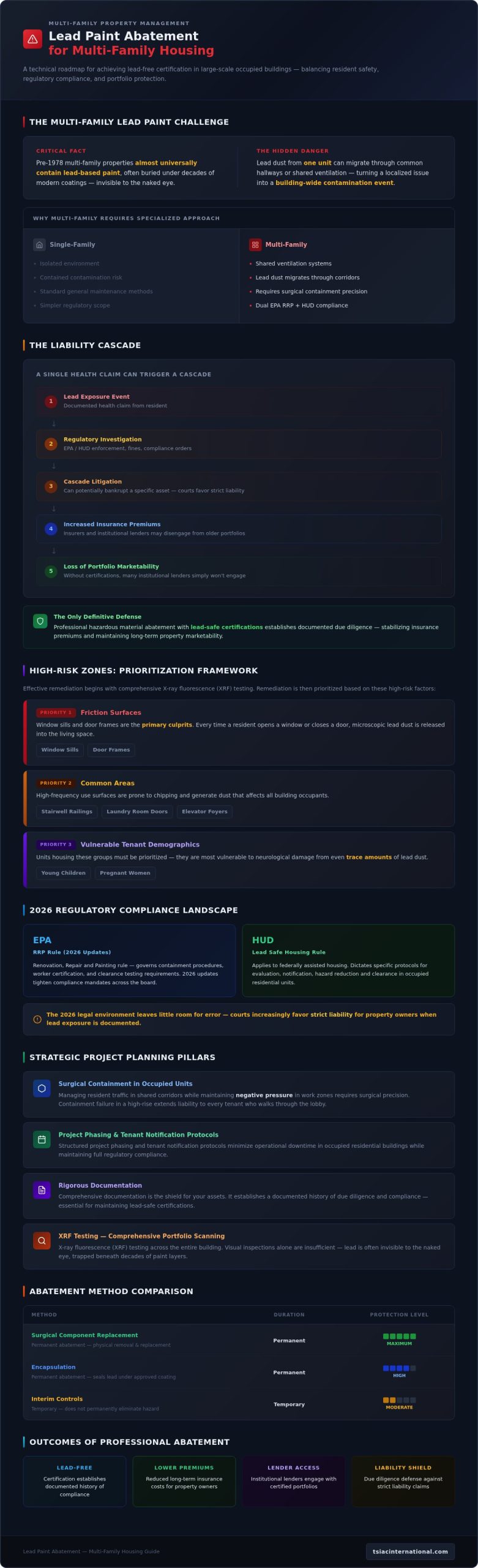
The Lead Paint Abatement Process: A Professional Guide to Permanent Removal

The EPA currently mandates fines of up to $37,500 per violation, per day, for non-compliance with lead safety protocols, yet many facility managers…

The EPA currently mandates fines of up to $37,500 per violation, per day, for non-compliance with lead safety protocols, yet many facility managers still treat surface preparation as a routine renovation task rather than a controlled hazardous operation. You likely recognize that managing an aging industrial asset involves more than just aesthetics; it’s about mitigating long-term structural and legal risks. When you face the reality of deteriorating coatings, the complexity of the lead paint abatement process can feel overwhelming, especially when balancing the conflicting demands of OSHA worker safety standards and EPA environmental mandates.

This guide provides the technical clarity you need to move from liability to a lead-free certification. We’ll break down the engineered phases of permanent removal, from initial XRF testing to the final clearance report. You’ll gain a transparent understanding of how professional containment and specialized HEPA vacuum systems ensure your project stays on schedule while meeting the strict 1992 Residential Lead-Based Paint Hazard Reduction Act requirements. We’re outlining the exact workflow that transforms a high-risk site into a safe, compliant, and fully documented asset.

Key Takeaways

  • Distinguish between temporary remediation and permanent abatement to secure the long-term safety and structural integrity of your property.
  • Master the technical phases of the lead paint abatement process, from initial hazardous material mapping to the engineering of critical containment barriers.
  • Evaluate specialized methods such as enclosure, encapsulation, and removal to determine the most effective strategy for wood, steel, and masonry substrates.
  • Ensure full regulatory compliance by understanding the latest 2026 EPA and OSHA standards for site safety and worker protection.
  • Identify the critical credentials and specialized pollution insurance required to partner with a high-tier professional abatement contractor.

Lead Paint Abatement vs. Remediation: Choosing Permanent Safety

Understanding the lead paint abatement process requires a clear distinction between temporary risk management and permanent hazard elimination. While many facility managers initially look for quick fixes, the 2026 regulatory updates demand a more rigorous approach to long-term liability. Abatement refers specifically to a set of measures designed to permanently eliminate lead-based paint hazards. This differs fundamentally from interim remediation, which only manages the risk for a limited duration through maintenance and monitoring.

The EPA governs these technical interventions through the Lead-Based Paint Activities Rule, specifically detailed in 40 CFR Part 745. This regulation ensures that only certified professionals handle the removal, preventing the accidental dispersal of toxic dust that occurs during unmanaged renovations. For a comprehensive lead abatement overview, one can see that the distinction lies in the intent and the documented longevity of the solution. Professional contractors don’t just hide the problem; they remove the source of the toxicity to meet strict safety benchmarks.

Interim Controls: The Temporary Mitigation Strategy

Interim controls include specialized HEPA vacuuming, paint stabilization, and minor structural repairs. These methods act as short-term fixes. They’re appropriate when a building is slated for demolition within 24 months or when immediate budget constraints prevent full removal. However, they carry a heavy maintenance burden. Property owners often see a 15% increase in annual operational costs due to the required re-inspections and dust sampling needed to verify that the environment remains safe for occupants.

Abatement: The Permanent Solution for Structural Integrity

True abatement yields a minimum 20-year design life. It involves heavy-duty techniques like component replacement, enclosure with specialized barriers, or complete mechanical removal. From a technical standpoint, structural removal is often the most cost-effective path over a decade. It eliminates the need for the perpetual monitoring required by the EPA and HUD. Implementing a professional lead paint abatement process can increase commercial property appraisals by 10% or more. It also significantly lowers insurance premiums by removing the primary source of environmental liability. Our teams prioritize these methods to ensure the structural integrity of the asset remains intact while the hazard is surgically extracted.

  • Design Life: Abatement provides 20+ years of safety; interim controls require re-evaluation every 12 months.
  • Liability: Permanent removal transfers the risk away from the property owner.
  • Asset Value: Certified lead-free status is a significant advantage in commercial real estate transactions.

The 5-Phase Lead Paint Abatement Process

Successful projects require a structured, five-stage approach to eliminate toxicity and ensure structural integrity. The lead paint abatement process isn’t a simple renovation; it’s a controlled engineering operation that demands absolute precision. Professionals execute this workflow to ensure compliance with EPA lead regulations and local safety mandates.

  • Phase 1: Pre-abatement inspection. Technicians use XRF (X-ray fluorescence) analyzers to map lead concentrations exceeding 1.0 mg/cm² across the facility.
  • Phase 2: Containment engineering. The team establishes physical barriers and pressure differentials to isolate the work zone.
  • Phase 3: Method execution. Specialists perform mechanical removal, chemical stripping, or permanent enclosure based on the substrate’s condition.
  • Phase 4: HEPA decontamination. This involves multi-stage cleaning of all surfaces to remove microscopic dust.
  • Phase 5: Clearance testing. Independent laboratories analyze dust wipe samples to verify the area is safe for re-occupancy.

Site Preparation and Containment Engineering

Technical precision starts with isolating the hazard. We use 6-mil polyethylene sheeting to seal every vent, window, and doorway, creating a redundant barrier system. To prevent lead dust migration, negative air machines must maintain a minimum pressure differential of -0.02 inches of water gauge. These units pull air through HEPA filters, exhausted outside the building. For projects in high-altitude or complex industrial environments, establishing three-stage decontamination units is mandatory. These units ensure that personnel and equipment don’t transport lead particles into “clean” zones during transitions. If you’re managing a facility with difficult access points, our team provides specialized industrial coating and abatement solutions for the most challenging environments.

Post-Abatement Cleanup and HEPA Vacuuming

Cleaning after lead removal is a rigorous mechanical process. Specialists utilize the “wet-mist” technique, lightly spraying surfaces with water to weigh down particles before they become airborne. Standard shop vacuums are strictly prohibited because they exhaust fine lead dust back into the atmosphere. Instead, we use industrial HEPA vacuums certified to capture 99.97% of particles as small as 0.3 microns. After the initial vacuuming, the team performs a wet-wash with high-phosphate detergents, followed by a final vacuum pass. A certified inspector then conducts a white-glove visual inspection. They look for any visible dust or debris in corners, cracks, and floor-to-wall joints before the final clearance samples are collected for laboratory analysis.

The Lead Paint Abatement Process: A Professional Guide to Permanent Removal

Professional Abatement Methods: A Strategic Comparison

Selecting the correct lead paint abatement process isn’t a matter of preference; it’s a technical decision dictated by the substrate material and the building’s future utility. Wood, steel, and masonry each react differently to chemical and mechanical interventions. Professionals must calculate the risk of dust migration against the speed of project completion. A strategic approach ensures that the chosen method doesn’t just hide the hazard but manages it according to the structural needs of the facility.

The choice of method depends heavily on the specific surface being treated:

  • Wood Substrates: Best handled through replacement or wet scraping. Wood is porous, meaning lead particles can migrate deep into the grain.
  • Steel and Metal: Often requires chemical stripping or abrasive blasting with HEPA-filtered vacuum attachments to prevent airborne contamination.
  • Masonry and Concrete: Typically requires enclosure or vacuum-shrouded needle scaling to address the textured surface.

Component Replacement: The Gold Standard

Removing contaminated elements like window sashes, door frames, and decorative trim represents the most decisive path to safety. This strategy bypasses the need for intensive on-site sanding, which significantly reduces the volume of hazardous dust. Modern selective demolition allows for the precise extraction of these components without damaging the surrounding structure. In most commercial retrofits, the labor hours required to strip a single door frame can exceed the cost of a high-quality replacement by 15% to 25%. This method simplifies the final inspection because the source of the toxin is physically gone from the site. It’s the most reliable way to achieve a “lead-free” designation rather than just “lead-safe” status.

Enclosure and Encapsulation Strategies

Enclosure utilizes permanent, rigid barriers like specialized siding, 5/8-inch gypsum board, or paneling to isolate lead-based paint from the environment. It’s a high-durability solution for large surface areas where removal is structurally impractical or too costly. Encapsulation is a different technical approach; it employs liquid-applied coatings that are chemically engineered to stay flexible and resist peeling. These aren’t typical hardware store paints. They are elastomeric polymers designed to withstand thermal expansion and create a long-lasting bond.

You can’t use encapsulants on friction surfaces or damp masonry, as the bond will fail within 12 to 24 months. When planning hazardous material abatement in South Carolina, the choice between these methods must align with EPA lead abatement regulations to ensure long-term compliance. Every enclosure must be mechanically fastened and sealed at the edges to prevent the escape of lead dust over time. This requires an engineering mindset to ensure the new barrier doesn’t trap moisture and cause underlying structural rot.

Regulatory Compliance and Safety Standards in 2026

Executing a lead paint abatement process requires strict adherence to a complex web of federal and state mandates. In 2026, the distinction between the EPA Renovation, Repair, and Painting (RRP) rule and full abatement is sharper than ever. While RRP focuses on “lead-safe” work practices during minor renovations, abatement is a specialized, permanent solution aimed at total hazard elimination. This high-stakes work falls under the OSHA Lead in Construction Standard (29 CFR 1926.62). This regulation dictates everything from mandatory blood lead level monitoring for workers to the specific types of HEPA-filtered respirators required on-site. Compliance isn’t a suggestion; it’s a structural necessity for any industrial or commercial project.

Safety protocols must extend beyond the active work zone. A third-party clearance inspection is the final, non-negotiable gatekeeper in the process. This independent verification ensures that the abatement contractor has met all cleanup standards before the area is re-occupied. This separation of duties prevents conflicts of interest and guarantees that the environment is truly safe. For projects involving structural changes, understanding the demolition process in South Carolina is often the next step in ensuring site-wide safety and regulatory alignment.

The Role of the Certified Lead Inspector

An independent Certified Lead Inspector provides the technical oversight necessary for legal validation. They use X-Ray Fluorescence (XRF) technology to identify lead concentrations in real-time. This handheld analyzer uses low-level radiation to excite lead atoms, allowing the inspector to see through multiple layers of paint without damaging the substrate. After the lead paint abatement process is complete, the inspector performs dust wipe sampling. In 2026, the EPA has maintained rigorous clearance levels, such as 10 µg/ft² for floors, to ensure no microscopic hazards remain. These samples are sent to a certified laboratory for final confirmation.

Hazardous Waste Disposal and Documentation

Lead-contaminated debris cannot be discarded with standard construction waste. Federal law under the Resource Conservation and Recovery Act (RCRA) requires contractors to characterize waste through Toxicity Characteristic Leaching Procedure (TCLP) testing. If lead levels exceed 5.0 mg/L, the debris is classified as hazardous waste. This necessitates specialized transport and disposal at a permitted facility. Maintaining a “Chain of Custody” is vital for regulatory audits; it provides a paper trail from the moment the lead is removed to its final disposal. This level of documentation is as critical as the work itself, much like the standards required for asbestos removal in South Carolina.

Ensure your facility meets every 2026 safety mandate by partnering with experts who prioritize technical precision. Contact TSIA C International for a professional lead abatement consultation today.

Partnering with a Professional Abatement Contractor

Selection of a contractor determines the long term liability and safety of a property. While state licensing represents a baseline requirement, it doesn’t guarantee the technical proficiency needed for complex industrial or commercial sites. A professional partner must demonstrate a deep understanding of the lead paint abatement process through documented past performance and rigorous adherence to EPA Lead-Safe Certification standards.

One critical differentiator is the possession of Pollution Occurrence Insurance (POI). Standard general liability policies often exclude hazardous material releases. Without POI, the property owner remains financially vulnerable if lead dust migrates beyond the containment zone during the project. You should always verify that a contractor’s insurance specifically covers lead-related claims. This technical detail separates professional remediation firms from general contractors who lack the specialized infrastructure to manage toxic particulates.

The TSIAC International Advantage

TSIAC International brings 15+ years of specialized experience to high-stakes remediation projects. We don’t view lead removal as an isolated task; it’s a critical phase of structural integrity management. Our teams integrate abatement with selective demolition, allowing for a streamlined workflow that saves time on large scale renovations. By utilizing industrial grade equipment and advanced containment strategies, we manage "impossible" sites where traditional methods fail.

Our commitment extends to environmental recycling protocols, ensuring that lead contaminated waste is processed according to EPA Title 40 CFR standards. We prioritize site safety to protect both our technicians and your future occupants. This engineering-led approach reduces project overhead by 15% to 20% compared to using separate contractors for demolition and hazardous material removal.

Evaluating Project Quotes and Timelines

A professional lead abatement bid must be granular. It should detail the specific methods used, such as chemical stripping or vacuum-shrouded power tools, and provide a clear timeline for each phase. Be wary of low cost proposals that lack specific details on waste disposal or air monitoring. These "red flags" often indicate a lack of certification or a plan to cut corners on safety.

A legitimate quote will include costs for third party clearance testing to verify the site is safe for re-occupancy. If you require a partner who manages technical complexity with engineering precision, contact TSIAC International for a professional lead abatement consultation to receive a comprehensive project breakdown. We provide the technical documentation and safety guarantees that ensure the lead paint abatement process is completed correctly the first time.

Securing Your Property Through Permanent Lead Removal

Executing a comprehensive lead paint abatement process is the only way to ensure long-term structural integrity and occupant safety. Temporary remediation often fails to address the underlying toxicity, leading to costly re-interventions. By following the 5-phase methodology and adhering to the 2026 EPA regulatory standards, property owners mitigate both health risks and legal liabilities. It’s a technical challenge that demands engineering precision rather than quick fixes.

TSIAC International leverages over 15 years of hazardous material experience to manage these complex environments. Our team consists of EPA-certified lead abatement specialists who understand the nuances of high-stakes industrial sites. We integrate comprehensive structural demolition and recycling capabilities into every project, ensuring that no hazardous residue remains. Our track record proves that even the most difficult locations can be restored to full safety through disciplined execution and technical expertise.

Secure your property with TSIAC International’s professional abatement services and gain the peace of mind that comes with a lead-free facility. We’re here to help you navigate every technical hurdle with confidence.

Frequently Asked Questions

How long does the lead paint abatement process typically take?

A standard lead paint abatement process typically takes between 3 and 14 days to complete. Small residential tasks finish in 72 hours, while complex industrial structures require 14 days for full containment and removal. The timeline depends on the total surface area and the chosen removal method, such as mechanical scraping or chemical stripping. We provide a precise schedule after the initial site assessment to ensure your operations resume quickly.

Can I stay in my home or building during lead abatement?

Occupants can’t stay in the immediate work area or adjacent rooms during the lead paint abatement process. EPA safety protocols and OSHA standards require us to establish sealed containment zones using 6-mil plastic and HEPA-filtered air systems. You’ll regain access only after a certified inspector confirms the area is safe. This strict approach prevents lead dust inhalation and ensures 100% safety for your family or employees.

Is lead paint abatement required by law for commercial properties?

Federal law, specifically Title 40 CFR Part 745, mandates lead-safe practices for any commercial building constructed before 1978. Property owners face fines of $37,500 per day for non-compliance with EPA regulations during renovations. While abatement is often voluntary, it’s the only way to eliminate long-term legal liability and reduce insurance premiums. Most commercial entities choose permanent removal to protect their 10-year capital improvement plans and avoid future litigation.

What is the difference between an RRP contractor and a lead abatement contractor?

RRP contractors handle minor renovations that disturb paint, while abatement contractors perform permanent hazard elimination. RRP certification is a 1-day course focused on lead-safe work practices during general repairs. Abatement requires a 40-hour supervisor certification and specialized equipment to remove lead forever. Our teams possess these advanced credentials to manage high-risk industrial sites where standard renovation techniques aren’t sufficient for total safety.

How much does professional lead paint abatement cost per square foot?

Professional lead abatement costs between $8 and $15 per square foot for most standard surfaces. Specialized projects involving industrial alpinism or complex steel structures can reach $25 per square foot due to the technical difficulty. These figures include labor, high-grade containment materials, and specialized waste management fees. A typical 2,000 square foot facility requires a budget of $16,000 to $30,000 for a complete, certified removal project.

What happens if a property fails the final lead clearance test?

The contractor must reclean the entire work area and repeat the dust-wipe testing if a site fails its clearance. HUD guidelines specify that floor lead levels must stay below 10 micrograms per square foot. If levels exceed this limit, the crew uses HEPA vacuums and specialized wet-wiping techniques again. We don’t consider a project finished until the third-party laboratory results confirm the site is safe for occupancy.

Are there specific disposal requirements for lead-painted wood and metal?

Lead-painted waste is classified as hazardous under RCRA regulations if it exceeds 5.0 mg/L in a TCLP test. Wood and metal components must be separated and transported to licensed Category C landfills that accept hazardous materials. We document every ton of debris with a formal waste manifest. This ensures 100% traceability and prevents legal complications for the property owner during future environmental audits or property transfers.

How does lead abatement impact the resale value of a building?

Certified lead removal typically increases a building’s resale value by 5% to 12% by eliminating significant buyer liability. Prospective buyers in the industrial sector prioritize “lead-free” certifications to avoid future renovation costs and health risks. A clean environmental record speeds up the closing process by 20 days on average. It transforms a high-risk asset into a premium, market-ready property that commands a higher appraisal value.

Asbestos Abatement Services: The 2026 Professional Buying Guide

In 2024, approximately 18% of large scale industrial renovations were halted by regulatory bodies because of inadequate initial site surveys. You…

In 2024, approximately 18% of large scale industrial renovations were halted by regulatory bodies because of inadequate initial site surveys. You likely understand that discovering hazardous materials mid-project is a professional nightmare that triggers immediate delays and massive potential liabilities. Selecting the right asbestos abatement services is no longer just a safety requirement; it’s a critical strategic decision for your property’s 2026 valuation and legal standing.

We agree that the confusion surrounding varying technical quotes and complex remediation methodologies often leads to decision paralysis. This guide provides the engineering precision you need to evaluate contractors and secure full regulatory documentation for your permanent records. We’ll break down the specific criteria for hiring specialized teams, ensuring you achieve zero contamination while maintaining a 100% predictable workflow for your next renovation phase.

Key Takeaways

  • Understand the critical regulatory distinctions between standard demolition and hazardous material remediation to ensure total site safety and compliance.
  • Learn how to evaluate professional asbestos abatement services by verifying specialized insurance, bonding, and advanced technical monitoring capabilities.
  • Discover the long-term ROI and safety implications of choosing between total removal, encapsulation, and enclosure for your specific facility needs.
  • Master the professional procurement roadmap, from initial laboratory testing to the development of site-specific work plans and regulatory notifications.
  • Explore the operational advantages of an integrated approach that combines hazardous material remediation with expert structural demolition for seamless project delivery.

Defining Professional Asbestos Abatement Services in 2026

Professional asbestos abatement services represent a specialized engineering discipline rather than a simple demolition task. This process involves the meticulous identification, containment, and elimination of asbestos-containing materials (ACM) to prevent the release of microscopic fibers. While standard demolition focuses on structural removal, remediation protocols prioritize atmospheric control and environmental safety. By 2026, the industry has shifted toward total elimination of even trace exposures following the EPA’s 2024 final rule on chrysotile asbestos. This transition ensures that property values remain intact during structural renovations. Failing to follow Asbestos abatement procedures can lead to legal liabilities and permanent contamination of a building’s internal systems.

The Science of Containment and Remediation

Professionals categorize materials as either friable or non-friable. Friable materials pose the highest risk because they crumble under hand pressure, releasing fibers instantly. Modern remediation relies on the physics of negative air pressure. We use high-efficiency particulate air (HEPA) filtration systems that capture 99.97% of particles as small as 0.3 microns. These systems create a vacuum that prevents fibers from escaping the work zone. Attempting DIY removal isn’t just dangerous; it’s a violation of federal safety statutes. Unqualified individuals lack the specialized equipment required to maintain these critical pressure differentials.

Regulatory Framework: EPA and OSHA Standards

Compliance in 2026 is anchored in EPA NESHAP and OSHA standards. The EPA requires a 10-day notification before any activity disturbs more than 160 square feet of ACM. OSHA worker safety requirements under 29 CFR 1926.1101 protect the property owner from significant liability. If a worker isn’t properly protected, the owner shares the legal responsibility for long-term health claims. Every project must generate a rigorous paper trail. This includes the initial site survey, air clearance reports, and the final Waste Shipment Record (WSR). These documents prove the hazardous material reached a licensed landfill safely.

Engaging asbestos abatement services ensures that every technical step meets these 2026 benchmarks. It’s about protecting the structural integrity of the asset while maintaining a zero-exposure environment for occupants. Professional firms provide the engineering precision needed to handle “impossible” locations, such as high-rise elevator shafts or complex industrial boiler rooms, where standard methods often fail.

Key Criteria for Evaluating an Abatement Contractor

Selecting a partner for asbestos abatement services requires a rigorous technical audit. You aren’t just hiring a contractor; you’re managing a high-stakes environmental liability. Professional firms carry specialized Pollution Liability and Errors and Omissions (E&O) insurance with minimum limits of $5 million per occurrence. Standard general liability policies usually contain an “asbestos exclusion” clause, leaving the asset owner exposed to massive litigation risks if a fiber release occurs. Every technician must hold a state-validated license, and a dedicated project safety officer should oversee the site to ensure 100% compliance with OSHA 29 CFR 1926.1101.

Certifications and Insurance: Non-Negotiable Assets

Verification of credentials goes beyond viewing a certificate. You must confirm that the contractor’s bonding capacity matches the project scale. A firm with a 15-year history of clean safety records provides more security than a startup with lower premiums. This level of oversight mirrors the stringent protocols found in the University of Oregon’s asbestos program, which emphasizes continuous monitoring and documented compliance as the baseline for safety. Demand to see the last 24 months of worker training logs and medical surveillance records before signing any contract.

Technological Sophistication in Remediation

Modern asbestos abatement services rely on precision engineering. High-performance HEPA filtration units must maintain a negative pressure of at least -0.02 inches of water gauge within the work area. We use advanced wetting agents that penetrate porous materials 35% faster than standard water, significantly reducing the risk of airborne friability. Digital manometers and laser-based particle counters provide real-time data, allowing supervisors to adjust ventilation instantly. This technological edge is why many industrial clients seek specialized engineering solutions for complex structural environments.

  • Disposal Transparency: The contractor must provide a completed Waste Shipment Record (WSR) signed by the receiving landfill within 35 days of waste removal. This document is your only legal proof of proper disposal.
  • Structural Experience: Review past project performance in similar environments, such as high-rise HVAC systems or industrial boiler rooms. A contractor who understands the specific load-bearing constraints of your facility will avoid accidental damage.
  • Constant Supervision: A certified supervisor must remain on-site at all times. They manage the “dirty room” protocols and ensure no worker exits the containment area without following a 3-stage decontamination process.
  • On-site Monitoring: Independent third-party air monitoring should occur daily. This ensures that fiber counts remain below the permissible exposure limit of 0.1 fibers per cubic centimeter of air.

Strategic Mitigation: Removal vs. Encapsulation vs. Enclosure

Facility managers often mistake asbestos remediation for a single-track process. It isn’t. Professional asbestos abatement services require a calculated choice between removal, encapsulation, or enclosure. Each path carries distinct engineering requirements, cost structures, and long-term liability profiles. The U.S. Environmental Protection Agency (EPA) on asbestos confirms that management-in-place is a viable strategy if the material is in good condition, yet the decision must align with the building’s 10-year master plan. By 2026, property valuation trends show that “asbestos-free” certifications can increase asset liquidity by 15% compared to buildings with managed-in-place contaminants.

When to Choose Full Asbestos Removal

Total removal stands as the only permanent resolution for property owners seeking to eliminate long-term regulatory risk. If your 2026 capital improvement plan involves structural changes, removal is usually the only logical path. This strategy becomes vital when integrated with commercial interior gutting services. During a full interior demolition, hidden Asbestos-Containing Material (ACM) is almost certainly disturbed. Removing it before the main crew arrives prevents project shutdowns that can cost $5,000 or more per day in liquidated damages. It’s the most expensive upfront option, but it secures a “clean” status that simplifies future insurance renewals and real estate transactions.

Encapsulation and Enclosure: Tactical Alternatives

Encapsulation involves sealing fibers with a specialized chemical bond, typically a high-solids polymer penetrant or bridging mastic. This prevents fiber release without the disruption of physical extraction. Enclosure, conversely, requires building airtight mechanical barriers around the ACM, such as permanent impact-resistant panels or sheet metal jackets. These methods offer a 40% to 60% reduction in initial costs compared to full removal.

These aren’t “set and forget” solutions. They demand a rigorous Operations and Maintenance (O&M) program. Facility managers must conduct documented inspections every 6 to 12 months to ensure the barriers remain intact. Deferred maintenance on encapsulated materials often leads to air quality failures during routine building vibrations or minor plumbing repairs. If you don’t have the internal infrastructure to manage long-term monitoring, the initial savings of encapsulation will eventually be erased by the costs of specialized compliance audits.

The Professional Abatement Workflow: A Procurement Roadmap

Procuring professional asbestos abatement services requires a structured sequence to mitigate liability and ensure structural integrity. The 2026 standard for industrial safety dictates a five-stage engineering protocol that prioritizes containment and objective verification.

  • Initial Survey and Laboratory Analysis: Certified inspectors collect bulk samples from suspicious materials. These samples undergo polarized light microscopy (PLM) at NVLAP-accredited laboratories to determine fiber concentration.
  • Regulatory Compliance and Planning: Contractors must file a 10-day NESHAP notification with environmental agencies before disturbing more than 160 square feet of regulated material. The site-specific work plan outlines the exact methodology for extraction.
  • Containment and Decontamination: Crews build airtight barriers using 6-mil fire-retardant polyethylene. A three-stage decontamination unit provides a controlled transition for personnel and equipment.
  • Precision Removal: Technicians use wet-removal methods to keep fibers from becoming airborne. All waste is double-bagged in labeled, 6-mil poly bags and sealed with a gooseneck tie.
  • Final Clearance: The project concludes only after air samples meet the EPA AHERA standard of less than 0.01 fibers per cubic centimeter.

Pre-Project Planning and Site Preparation

Site preparation is a logistical exercise in risk isolation. Professional crews begin by de-energizing electrical circuits and executing a 100% HVAC shutdown. All supply and return vents are sealed with critical barriers to prevent cross-contamination. This phase includes a pre-work walkthrough with facility managers to confirm that 100% of fire suppression systems remain operational but protected. Clear communication with stakeholders is vital; we provide a 48-hour mobilization notice to all adjacent occupants to maintain site transparency and safety.

The Final Clearance: Ensuring a Clean Bill of Health

Independent verification is the only way to guarantee safety. A third-party industrial hygienist must conduct the final air monitoring to avoid conflicts of interest. While PCM testing is common for many commercial sites, TEM (Transmission Electron Microscopy) is the gold standard for 2026 high-occupancy environments because it identifies asbestos fibers as small as 0.01 microns. Your final close-out package should include waste shipment records (WSR), worker certifications, daily pressure logs, and the lab-certified clearance report. This document acts as your permanent legal defense against future environmental claims.

For projects requiring this level of technical precision and documented safety, partner with our expert asbestos abatement services team.

TSIAC International: The Gold Standard in Hazardous Remediation

TSIAC International brings over 15 years of disciplined experience to high-stakes hazardous material projects. We don’t just remove waste; we engineer solutions for the most complex abatement challenges. Our technical precision makes us the primary choice for government agencies and commercial enterprises requiring absolute compliance. We maintain a 100% project completion rate on sites with high structural risk or environmental sensitivity, ensuring that every phase of the remediation meets rigorous federal and state standards.

Unmatched Expertise in Complex Environments

Managing remediation in occupied buildings requires more than just standard PPE. It demands a “no-compromise” safety culture. We’ve successfully executed asbestos abatement services in sensitive structural shells where integrity was compromised, ensuring zero cross-contamination. Our track record spans 500+ residential projects and heavy industrial facilities where precision is non-negotiable. This rigorous approach reduces your project’s risk profile, preventing costly regulatory delays or long-term health liabilities that arise from substandard work.

Seamless Integration with Demolition Services

Efficiency isn’t just about speed; it’s about a unified workflow. Our integrated model combines abatement with structural demolition for seamless project delivery. Using a single contractor eliminates the communication gaps that often plague multi-vendor sites. By consolidating these services, we’ve helped clients reduce mobilization costs by an average of 18% through shared logistics, equipment, and on-site management teams.

  • Rigorous waste management protocols that prioritize recycling and environmental stewardship.
  • Unified project management for both hazardous material abatement and site clearing.
  • Strict adherence to NESHAP and OSHA standards, providing detailed documentation for every cubic yard of waste removed.
  • Advanced containment technology that allows for continued operation in adjacent building wings.

Our commitment to environmental stewardship isn’t a secondary goal. It’s a core component of our technical execution. We implement waste management protocols that prioritize recycling, often diverting up to 85% of non-hazardous debris from landfills during integrated projects. This level of detail is why technical directors at government and commercial agencies prefer our partnership. We provide the documentation, safety data, and engineering precision required for high-security and high-liability environments. Our team handles the heavy lifting, from initial site assessment to final waste disposal, adhering to the strictest environmental standards. Contact TSIAC International today for a professional project consultation to secure your site’s future with asbestos abatement services you can trust.

Securing Your Infrastructure for 2026 and Beyond

Navigating the complexities of hazardous material remediation requires more than just standard compliance; it demands a technical partnership rooted in engineering precision. By 2026, the distinction between simple removal and strategic encapsulation will define the lifecycle of your industrial assets. Selecting a contractor based on rigorous procurement roadmaps ensures your project stays on schedule and within regulatory bounds. Success depends on moving from reactive fixes to proactive, expert led management strategies.

TSIAC International brings 15+ years of hazardous material experience to every site, specializing in the difficult locations that others often avoid. We’re fully licensed and insured for high liability remediation, providing a layer of financial and operational security for your facility. Our team delivers comprehensive close-out documentation for every project, ensuring your records are audit ready and transparent. When you prioritize long term structural integrity, choosing professional asbestos abatement services becomes a vital investment in your property’s future. Secure your property with TSIAC International’s professional abatement services.

Let’s build a safer environment through engineering excellence and unwavering reliability.

Frequently Asked Questions

What is the average cost of asbestos abatement services in 2026?

Average costs for asbestos abatement services in 2026 range from $15 to $35 per square foot. A standard 1,500 square foot residential project typically requires a budget between $4,500 and $9,000 for full remediation. These figures include labor, specialized filtration equipment, and disposal fees. Costs have risen 8% since 2024 because of stricter landfill regulations and updated safety requirements.

How long does a typical asbestos removal project take to complete?

A typical asbestos removal project takes 2 to 5 days to complete for standard residential or small commercial properties. Larger industrial sites or complex structural removals often extend to 14 days. The timeline accounts for site preparation, the actual removal process, and the final 24 hour air clearance testing period. We ensure every phase meets engineering precision to prevent project delays.

Can I stay in my building during the asbestos abatement process?

You can’t stay in the immediate work area or any connected zones while abatement is active. Safety protocols require the establishment of negative pressure enclosures that prevent fiber migration to clean areas. While some large facilities allow partial occupancy in separate wings, residential projects usually require a total evacuation for the 72 hour duration of the high risk phases. It’s the only way to ensure 100% safety.

What is the difference between an asbestos inspection and an abatement service?

An asbestos inspection identifies the presence and location of hazardous materials, while an abatement service involves the physical removal or encapsulation of those substances. Inspectors use polarized light microscopy to confirm fiber types in a laboratory setting. Abatement teams follow these technical reports to execute a remediation plan using HEPA filtration and specialized containment barriers to secure the site.

How do I know if my building needs asbestos abatement before a renovation?

You’ll need a professional survey if your building was constructed before 1980, as 90% of structures from that era contain asbestos in floor tiles or pipe insulation. OSHA regulation 1910.1001 mandates an inspection before any renovation that might disturb structural components. If your 2026 renovation plan involves cutting into walls or ceilings, a certified technician must pull samples for laboratory verification first.

What certifications should I look for in an asbestos removal company?

Look for contractors holding EPA Model Accreditation Plan (MAP) certification and a valid state asbestos contractor license. Every on site supervisor should possess an OSHA 40 hour HAZWOPER certification to prove they’re trained for hazardous waste operations. Verification of these credentials through the state database ensures the team follows the 2026 safety standards for asbestos abatement services and maintains high professional integrity.

What happens to the asbestos waste after it is removed from my property?

Asbestos waste is sealed in double layers of 6 mil polyethylene bags and transported to a licensed Type I hazardous waste landfill. Each shipment requires a Waste Shipment Record (WSR) that tracks the material from your property to the final disposal cell. These specialized facilities bury the sealed containers under 6 inches of non asbestos material within 24 hours of arrival to prevent fiber release.

Is lead paint removal usually included in asbestos abatement services?

Lead paint removal isn’t standard in a basic asbestos contract, though many firms offer it as a separate, specialized service. While both involve hazardous materials, they require different chemical strippers and containment protocols under EPA RRP rules. You should request a combined environmental remediation quote if your pre 1978 building requires both lead and asbestos mitigation to streamline the project timeline effectively.

Commercial Interior Gutting Services: A Strategic Guide to Interior Demolition

According to a 2023 industry report, 45% of commercial renovation delays stem directly from unforeseen hazardous materials discovered during the…

According to a 2023 industry report, 45% of commercial renovation delays stem directly from unforeseen hazardous materials discovered during the initial teardown. You’re likely aware that a renovation project is only as stable as the structural shell it’s built upon. It’s a common concern that hidden asbestos or structural instabilities will threaten your timeline and budget. You need a disciplined approach that treats demolition as a precise engineering task. We understand the pressure of maintaining a clean site while ensuring every square foot meets rigorous safety standards.

This guide helps you master the technical complexities of commercial interior gutting services to ensure your next project starts on a solid foundation. You’ll learn how to manage the critical path from hazardous material abatement to structural shell preparation without compromising the surrounding building areas. We’ll examine the protocols for full EPA and OSHA compliance, the logistics of massive debris management, and the specific methods used to protect the integrity of your property. This overview provides the strategic roadmap for delivering a construction-ready space that meets every regulatory and technical requirement with engineering precision.

Key Takeaways

  • Learn how to effectively strip a building down to its structural shell by identifying the specific scope of work required for non-load-bearing elements and MEP systems.
  • Master the technical distinctions between selective and structural demolition to ensure building stability through proper shoring and bracing techniques.
  • Discover why integrating hazardous material surveys into your timeline is the essential first step in professional commercial interior gutting services.
  • Follow a disciplined 5-step engineering survey and utility “safe-off” process to mitigate risks and maintain total control over complex renovation environments.
  • Identify the strategic advantages of partnering with a single-source contractor who manages both high-risk remediation and large-scale structural removal.

What Are Commercial Interior Gutting Services?

Commercial interior gutting services represent the systematic deconstruction of a building’s interior down to its structural shell or metal studs. This isn’t a “wrecking ball” approach. It’s a controlled engineering process. The procedure strips away everything that isn’t essential to the building’s structural integrity. This includes non-load-bearing walls, flooring, and comprehensive MEP (mechanical, electrical, plumbing) systems. While “soft demolition” might only remove surface-level finishes like carpets and furniture, a full gut-out prepares the facility for a total transformation.

Professional gutting serves as the foundational phase for tenant improvements. By removing redundant infrastructure, contractors eliminate the risks of “discovery” mid-construction. In 2023, data from industrial renovation projects showed that a clean gut-out can reduce unforeseen site condition claims by 18%. It’s about precision and logistics. Every load-bearing column and structural slab must be exposed to ensure the next phase of construction proceeds on a stable, verified base.

The Role of Gutting in Modern Renovations

A thorough gut-out provides architects and MEP engineers with a blank canvas. It’s impossible to design high-efficiency HVAC systems or complex lighting grids when old ductwork obscures the ceiling plenum. Exposing the structural framework allows for immediate inspections. This transparency often accelerates the permitting phase by 10 to 14 days. When the structural slab and columns are visible, engineers can verify load capacities without invasive testing during the build-out. This proactive approach directly reduces downstream construction costs by preventing layout conflicts before they occur on-site.

Core Components Removed During an Interior Gut

The scope of work for commercial interior gutting services is comprehensive. Technicians handle the removal of complex systems that require specialized handling and disposal protocols, especially in restricted-access environments. Key components include:

  • Partition Systems: Removal of drywall, glass partitions, and heavy-gauge metal framing systems.
  • Ceiling Assemblies: Stripping acoustic ceiling tiles (ACT), grid systems, and redundant HVAC ducting.
  • Flooring and Adhesives: Mechanical grinding of thin-set, mastic, and epoxy coatings from concrete slabs to ensure a level surface.
  • Redundant MEP: Decommissioning and removal of outdated electrical conduits, plumbing lines, and fire suppression pipes.

Every phase follows strict safety standards. We prioritize the recovery of recyclable materials, often achieving a 75% diversion rate from landfills on standard office gut-outs. This level of discipline ensures the site is safe, clean, and ready for the incoming trades to begin work immediately.

Technical Distinctions: Selective vs. Structural Gutting

Distinguishing between architectural finishes and structural skeletons requires a precise engineering survey before any work begins. Professional commercial interior gutting services focus on the surgical removal of non-load-bearing partitions, floor coverings, and MEP systems without compromising the building’s primary frame. Engineers must identify walls that provide lateral stability; removing these without proper reinforcement can lead to structural deflection exceeding 0.125 inches.

Shoring and bracing are critical when the demolition plan intersects with the building’s core. We utilize 20-ton hydraulic jacks and steel needle beams to manage load transfers during complex strip-outs. This technical approach protects shared building systems, such as 4-inch wet-pipe fire suppression lines and main plumbing stacks. Keeping 95% of a building’s utility core functional requires physical barriers and isolation valves, ensuring that the gut-out doesn’t disrupt the entire facility’s operations.

Selective Demolition for Occupied Buildings

Working in multi-tenant facilities requires strict adherence to noise and vibration protocols. Most high-impact work occurs between 10 PM and 6 AM to minimize tenant disruption. To manage environmental risks, we deploy negative air machines equipped with HEPA filters that maintain 99.97% filtration efficiency. Every project maintains 100% compliance with OSHA 1926.850, ensuring that egress routes and life safety systems remain unobstructed for all occupants. For projects requiring this level of technical oversight, it’s best to consult with specialists in complex execution to ensure site safety.

Precision Equipment and Heavy Machinery

Modern commercial interior gutting services rely on specialized tools to balance speed with safety. Selecting the right method depends on the specific floor load capacity and the proximity of sensitive neighbors.

  • Robotic Demolition: Units like the Brokk 110 allow for high-torque crushing in confined areas where exhaust-emitting machinery isn’t feasible. These units exert 80% more force than manual labor while keeping operators at a safe distance.
  • Manual vs. Mechanical: Manual methods are reserved for delicate perimeter work or historical preservation. Mechanical excavators are deployed when we need to clear over 5,000 square feet per shift.
  • Floor Load Management: Equipment weight is strictly monitored to ensure it stays below 150 lbs per square foot, preventing structural damage to standard office floor slabs.

Commercial Interior Gutting Services: A Strategic Guide to Interior Demolition

Managing Hidden Risks: Asbestos, Lead, and Hazard Abatement

Before the first wall falls, a rigorous Discovery Phase must occur. Professional commercial interior gutting services prioritize a comprehensive hazardous material survey to identify silent threats. Skipping this step isn’t just a safety oversight; it’s a financial liability. According to EPA estimates, buildings constructed before 1980 have a 70% probability of containing asbestos in floor tiles, mastic, or pipe insulation. We identify these materials through bulk sampling and polarized light microscopy before any structural interference begins.

Integrating abatement into the master schedule prevents cascading delays. A 10,000 square foot floor plate might require 14 days for specialized removal before standard demolition can resume. Failure to follow these protocols results in fines exceeding $37,500 per violation under OSHA 29 CFR 1926 standards. Proper commercial interior gutting services ensure that hazardous waste disposal follows a chain of custody that protects the property owner from future litigation and environmental penalties.

Asbestos Abatement During Interior Gutting

Technicians must distinguish between friable materials, like spray-applied fireproofing, and non-friable materials like vinyl-asbestos tile. Friable materials pose the highest risk because they release fibers into the air with minimal contact. We utilize negative pressure enclosures equipped with HEPA filtration units that cycle the air 6 times per hour. Once removal is complete, an independent laboratory performs Phase Contrast Microscopy testing. The space only reopens when fiber counts drop below 0.01 fibers per cubic centimeter, ensuring the site is safe for the next phase of construction.

Lead Paint and Mold Remediation

Commercial properties built before 1978 frequently contain lead-based paint on structural steel and metal framing. Cutting or grinding these components requires specialized HEPA-shrouded tools to capture toxic dust at the source. Gut-outs often reveal hidden mold growth in 15% of aging HVAC systems or behind water-damaged drywall. We address these biological hazards using antimicrobial treatments and detailed moisture mapping to prevent regrowth. Every project concludes with a comprehensive hazardous material manifest, providing the legal documentation necessary for project closeout and future property transfers.

The 5-Step Commercial Gutting Process

Execution of professional commercial interior gutting services requires a disciplined, engineering-led approach. It’s not about brute force; it’s about a controlled sequence that protects the building’s structural integrity and ensures the safety of every person on-site. We follow a rigorous five-step protocol to manage the complexities of modern commercial environments.

  • Site Evaluation and Engineering Survey: Before a single wall is touched, we conduct a thorough survey to identify load-bearing columns, shear walls, and structural slabs. This phase prevents accidental damage to the building’s primary support system.
  • Utility Disconnection and Safe-Off: We coordinate directly with MEP (Mechanical, Electrical, Plumbing) contractors to isolate power, water, and gas lines. This step includes strict Lock-Out/Tag-Out (LOTO) procedures to eliminate the risk of arc flashes or floods.
  • Hazardous Material Remediation: If a structure was built before 1978, the risk of lead-based paint or asbestos in floor tiles and pipe insulation is high. We neutralize these risks through certified abatement processes before general demolition begins.
  • Systematic Dismantling: Our teams work from the top-to-bottom and from the interior core outward. We remove non-structural partitions, drop ceilings, and built-in fixtures in a logical order to maintain clear egress routes.
  • Material Recovery and Debris Management: We don’t just haul waste. We sort materials at the source to ensure efficient disposal and maximize the recovery of high-value scrap.

Material Recycling and Environmental Stewardship

Modern demolition demands a commitment to sustainability. By sorting wood, ferrous metals, and gypsum at the source, we often divert over 75% of non-hazardous waste from landfills. This strategy isn’t just ethical; it’s financially sound, as it can reduce project tipping fees by 20% to 30%. For projects seeking green building status, we provide detailed, LEED-compliant recycling reports that document every ton of material processed.

Site Preparation for the Next Trade

The job isn’t finished until the site is ready for the next phase of construction. We deliver a “broom-clean” environment that exceeds standard industry expectations. This includes concrete slab preparation where we use specialized grinders to remove old adhesives, thin-set, or mastic, ensuring a 1/8-inch flatness tolerance for new flooring. Our handover protocol involves a joint walk-through with the incoming general contractor, such as a full-service firm like JBM Custom Contracting, to verify that all MEP points are accessible and the space is ready for immediate framing.

Partner with a team that prioritizes engineering precision by choosing our professional interior demolition solutions for your next project.

Choosing a National Commercial Demolition Partner

Selecting a contractor for commercial interior gutting services requires more than a review of equipment lists. It demands a rigorous assessment of engineering depth and liability management. A single-source provider that handles both the structural strip-out and hazardous material abatement eliminates the friction between separate vendors. This integration typically reduces project timelines by 18% because scheduling conflicts between demolition crews and environmental specialists disappear. When one firm manages the entire interior lifecycle, the transition from abatement to structural removal is seamless and cost-effective.

Experience and Technical Expertise

TSIAC International brings 17 years of specialized experience to every job site. We specialize in “impossible” locations. These include high-density urban centers or active hospital environments where vibration and dust control are non-negotiable. Our teams have completed over 520 large-scale interior transformations across 28 states. We don’t just pull down walls. We analyze load-bearing capacities and MEP (mechanical, electrical, plumbing) intersections to ensure the building’s core remains intact. Our precision allows for the preservation of historical facades while the interior is completely modernized.

  • 17+ years of experience in structural and selective demolition across the U.S.
  • Proven track record in high-rise and restricted-access urban environments.
  • Technical proficiency in separating structural elements from non-load-bearing partitions.
  • Strategic regional presence to ensure rapid mobilization for national accounts.

Commitment to Safety and Compliance

Safety is our primary operational metric. We maintain a Total Recordable Incident Rate (TRIR) of 0.85, which is significantly lower than the 2023 industry average. Every crew member undergoes 40-hour HAZWOPER training and mandatory quarterly safety audits to ensure adherence to strict OSHA and EPA standards. High-stakes commercial projects require robust financial backing. We carry comprehensive insurance packages, including a $10 million umbrella policy, to protect our partners from site complexities. Detailed documentation and EPA-compliant waste tracking are standard for every project we touch. If you’re planning a complex renovation, contact TSIAC International today for a comprehensive project estimate.

Secure a Precision Foundation for Your Next Build

Executing a successful renovation starts with a technical understanding of how selective and structural demolition impacts your building’s integrity. You’ve learned that managing hidden hazards like asbestos and lead requires more than just caution; it requires EPA-certified abatement protocols to eliminate liability. A structured 5-step process ensures that every phase of your commercial interior gutting services stays on schedule while prioritizing a comprehensive material recycling program to reduce environmental impact.

TSIA C International leverages 15+ years of industry experience to handle the most complex interior challenges with engineering precision. We don’t just clear space. We provide a controlled, safe environment ready for immediate reconstruction. Our team excels at managing difficult job sites where technical accuracy is the only way to protect your investment. We’ve built our reputation on the fact that we don’t shy away from specialized requirements or impossible locations.

Take the first step toward a seamless project delivery. Request a Professional Interior Gutting Quote and let’s discuss your specific site requirements. We’re ready to turn your complex demolition needs into a clean slate for growth.

Frequently Asked Questions

What is the difference between interior demolition and gutting?

Interior demolition refers to the selective removal of specific building elements, while gutting involves stripping a space down to its structural members. Commercial interior gutting services remove everything including drywall, flooring, ceilings, and mechanical systems to leave only the concrete or steel shell. This process provides a 100% clean slate for new architectural layouts and updated infrastructure.

How much does commercial interior gutting cost per square foot?

Commercial gutting costs typically range from $4.00 to $12.00 per square foot based on the complexity of the materials and site accessibility. A standard 5,000 square foot office space usually averages $7.50 per square foot for total interior removal. Costs can increase by 20% if the project requires hand-demolition in sensitive areas or specialized equipment for high-rise logistics.

How long does a typical 10,000 square foot office gut-out take?

A 10,000 square foot office gut-out generally takes between 10 and 15 business days to reach completion. This timeframe includes the initial mobilization, utility safing, material removal, and a final HEPA-filtered cleaning. If the building has limited freight elevator access, the schedule might extend by 3 days to accommodate slower debris removal cycles.

Do I need a permit for interior demolition if I am not touching load-bearing walls?

You’ll almost always need a permit because gutting impacts fire suppression systems, electrical grids, and emergency egress routes. Even if structural integrity isn’t at risk, 95% of municipal building departments require a demolition permit to ensure the work follows safety codes. Operating without one can lead to fines exceeding $2,500 and an immediate cessation of all site activities.

What happens if asbestos is found during the gutting process?

Work stops immediately within a 30 foot radius of the suspect material to prevent any potential fiber contamination. We seal the area and bring in a third-party environmental consultant to perform laboratory testing within 24 hours. Professional commercial interior gutting services then coordinate with certified abatement specialists to remove the hazardous material under negative pressure before any demolition resumes.

Can interior gutting be performed while other parts of the building are occupied?

We perform gutting in occupied buildings by using temporary sound-attenuation barriers and negative air machines to contain 99% of dust. High-impact noise activities are scheduled during off-peak hours, typically from 7:00 PM to 6:00 AM, to minimize disruption to adjacent tenants. This disciplined approach ensures that 100% of the building’s business operations continue without technical interference.

How is demolition debris managed and recycled?

We sort debris on-site into specific streams for metal, concrete, wood, and general waste to maximize recovery rates. Our process typically diverts 75% of all materials from landfills by transporting them to specialized industrial recycling centers. Clients receive a detailed waste manifest at the end of the project documenting the exact tonnage of recycled materials for their sustainability records.

What utilities need to be disconnected before gutting begins?

Electrical, plumbing, gas, and HVAC systems must be professionally capped and “safed off” by licensed tradespeople before our crews start. A licensed electrician must verify that there’s 0% live power in the demolition zone to prevent accidental electrocution or fire. We cross-reference the mechanical blueprints with physical site conditions to ensure every utility line is accounted for before the first wall comes down.

Asbestos Abatement in Myrtle Beach: A Professional How-To Guide for 2026

By 2026, an estimated 12% of commercial structures in South Carolina built before the 1980s will require some form of structural intervention, making…

By 2026, an estimated 12% of commercial structures in South Carolina built before the 1980s will require some form of structural intervention, making asbestos abatement myrtle beach a critical priority for property managers and developers. You’re likely aware that even minor structural modifications can release hazardous particulates, creating liabilities that extend far beyond simple health codes. It’s a high-stakes environment where the margin for error is zero and technical precision is the only safeguard against long-term risk.

We’ll provide a technical, step-by-step protocol for professional remediation that ensures your project meets EPA and SCDHEC standards while maintaining total structural integrity. This guide breaks down the specific containment technologies, negative pressure filtration requirements, and contractor vetting frameworks necessary for a successful 2026 abatement project. From initial site characterization to the final air clearance report, we’ll give you the engineering-grade roadmap needed to manage hazardous materials with absolute certainty.

Key Takeaways

  • Understand the vital distinction between simple removal and professional abatement to ensure full compliance with EPA NESHAP and OSHA safety regulations.
  • Evaluate the technical benefits of full removal versus encapsulation to determine the safest and most cost-effective long-term strategy for your facility.
  • Follow our comprehensive 5-step protocol for asbestos abatement myrtle beach, including the establishment of critical barriers and negative pressure zones.
  • Learn how to integrate hazardous material remediation with structural demolition to maintain project momentum without compromising on engineering precision.
  • Gain insights into specialized filtration and containment techniques that secure the structural integrity of your site during complex abatement procedures.

Defining Professional Asbestos Abatement and Remediation

Professional asbestos abatement myrtle beach involves a rigorous, engineering-based process of identifying, containing, and either removing or encapsulating asbestos-containing materials (ACM). It’s a specialized discipline that requires technical precision. While simple removal might seem straightforward, professional abatement utilizes sophisticated asbestos abatement procedures to ensure that microscopic fibers don’t migrate through a building. This process includes the installation of physical barriers and the use of high-efficiency particulate air (HEPA) filtration systems to maintain negative pressure environments.

Maintaining structural integrity is a central priority for any project. Removing insulation from support beams or stripping materials from aging coastal foundations can weaken a building’s core if not managed by experts. In Myrtle Beach, approximately 75% of commercial and residential structures built before 1980 contain some form of ACM. These materials are most commonly found in:

  • Thermal system insulation around boilers and pipes
  • 9×9 inch vinyl floor tiles and associated mastic adhesives
  • Spray-applied “popcorn” ceiling textures
  • Transite siding and cementitious roofing shingles

The Difference Between Friable and Non-Friable Asbestos

Friable asbestos refers to material that can be crumbled or reduced to powder by hand pressure. This category includes pipe lagging and sprayed fireproofing. It’s the most dangerous form because it easily releases fibers into the air. Non-friable materials, like floor tiles or roofing, keep fibers locked in a solid matrix. These pose a lower immediate risk but become hazardous during demolition or when subjected to mechanical force. Engineering controls for friable materials require full-scale containment with three-stage decontamination units to ensure zero fiber release.

Why Professional Remediation is Non-Negotiable

Inhaling a single microscopic fiber can lead to mesothelioma or asbestosis, diseases that often stay dormant for 20 to 50 years before surfacing. DIY attempts often lead to secondary contamination, where fibers settle into HVAC ductwork and carpets, creating a permanent health hazard. Beyond health, property owners face massive liability risks. South Carolina DHEC regulations are strict; improper handling can result in fines exceeding $25,000 per day. Professional asbestos abatement myrtle beach ensures that every project reaches the 0.01 fibers per cubic centimeter clearance level necessary for safe occupancy.

Federal Compliance: Navigating EPA and OSHA Abatement Regulations

Compliance in the hazardous material sector isn’t a suggestion; it’s a rigorous legal mandate. Two primary federal agencies dictate the safety parameters for every project. The Environmental Protection Agency (EPA) focuses on environmental protection and public health, while the Occupational Safety and Health Administration (OSHA) enforces strict workplace safety standards. For any commercial asbestos abatement myrtle beach project, South Carolina DHEC requires a written notification at least 10 working days before work begins. This window allows regulators to inspect the planned containment strategies and ensure the project adheres to Federal asbestos regulations. Only SC DHEC-licensed professionals and certified inspectors possess the legal standing to handle these materials, as they’re trained to manage the high-risk variables inherent in structural disturbance.

Understanding NESHAP Standards

The National Emission Standards for Hazardous Air Pollutants (NESHAP) governs how asbestos is handled during renovation and demolition. It enforces a “no visible emission” rule, meaning any dust or debris escaping the containment area constitutes a federal violation. Contractors must saturate materials with amended water to prevent fiber release. Every pound of waste requires detailed documentation through a Waste Shipment Record (WSR). This paperwork proves the material reached a Class 3 landfill authorized for hazardous waste disposal, ensuring a permanent, legal paper trail for the property owner.

OSHA Workplace Safety Protocols

OSHA standard 1926.1101 defines the protective measures required for the workforce. Technicians must utilize full-body Tyvek suits and P100 HEPA-filtered respirators to prevent inhalation. Entry and exit occur through a three-stage decontamination enclosure, which includes a clean room, a shower area, and a “dirty” equipment room. This prevents cross-contamination of the surrounding environment. Site supervisors conduct daily air monitoring to verify that fiber counts remain below the Permissible Exposure Limit (PEL) of 0.1 fibers per cubic centimeter. If a sample exceeds this 0.1 f/cc threshold, the site is shut down immediately for remediation of engineering controls.

Managing these high-stakes technical requirements demands a partner who understands the intersection of safety and structural integrity. For complex industrial or commercial sites, a technical consultation can help define a compliant path forward that protects both your personnel and your investment.

Identifying Risks: When to Choose Abatement Over Encapsulation

Selecting the right remediation path requires a cold assessment of the building’s ten year lifecycle. While encapsulation offers a lower initial price point, it’s often a temporary deferment of a permanent liability. In the 2026 Myrtle Beach market, property owners must weigh the immediate savings of sealing against the long term costs of specialized maintenance. Professional asbestos abatement myrtle beach is the only method that provides a definitive end to the risk cycle.

The Case for Full Abatement

Full removal is the superior choice for assets slated for redevelopment or intensive use. It provides a clean slate for future mechanical, electrical, and plumbing upgrades. Property data from 2025 indicates that commercial buildings with certified asbestos-free status see an 8% to 12% increase in valuation compared to those with active encapsulation plans. Removal is also a prerequisite for any structural demolition. Attempting to demolish a building with encapsulated materials is illegal and results in heavy EPA fines. By adhering to OSHA asbestos safety standards, our teams ensure that removal is performed under strict negative pressure, preventing any cross contamination of the job site. This approach removes the need for future air monitoring and specialized contractor insurance.

When Encapsulation is a Viable Strategy

Encapsulation is an engineering solution for materials that are currently stable and in hard to reach locations. It involves applying bridging agents or penetrants that create a durable chemical bond over the asbestos fibers. This strategy is appropriate in three specific scenarios:

  • The material is in “good” condition with no signs of delamination or water damage.
  • The ACM is located in a low traffic area where physical disturbance is impossible.
  • The cost or structural risk of removal outweighs the benefit, such as with certain fireproofing sprays on load bearing beams.

It’s a common misconception that encapsulation is a permanent “fix.” Sealing requires a rigorous Operations and Maintenance (O&M) program. South Carolina health codes demand inspections every six months to ensure the sealant hasn’t cracked or degraded. If your long term goal is a worry free asset, asbestos abatement myrtle beach remains the most logical investment for your 2026 project budget.

The 5-Step Protocol for Safe Asbestos Abatement

Executing a professional asbestos abatement myrtle beach project requires a disciplined engineering approach rather than simple demolition. Our protocol follows a rigid sequence to ensure that microscopic fibers never migrate beyond the regulated work zone. Since the 2024 update to South Carolina DHEC standards, the margin for error has narrowed, making technical precision the only acceptable standard for 2026 operations.

  • Step 1: Comprehensive Site Inspection and Laboratory Testing. Technicians must collect at least three bulk samples per homogenous material area. These samples are analyzed by NVLAP-accredited laboratories using Polarized Light Microscopy (PLM).
  • Step 2: Establishment of Critical Barriers and Negative Pressure Zones. The team isolates the area using 6-mil polyethylene sheeting. We then install Negative Air Machines (NAMs) to create a pressure differential that prevents air from escaping the containment.
  • Step 3: Precision Removal and Wet-Stripping Techniques. Workers saturate Asbestos-Containing Materials (ACM) with amended water. This process uses surfactants to penetrate the material, significantly reducing the risk of fiber release during physical detachment.
  • Step 4: HEPA Vacuuming and Fine Cleaning of the Remediation Area. After bulk removal, surfaces undergo a multi-stage cleaning process. We use industrial vacuums equipped with 99.97% efficiency filters to capture dust particles as small as 0.3 microns.
  • Step 5: Final Clearance Testing and Regulatory Documentation. An independent third party performs air clearance testing. The project is only considered complete when fiber concentrations drop below 0.01 fibers per cubic centimeter (f/cc).

Containment and Negative Air Pressure

Engineering controls are the foundation of safety. We utilize negative air machines to achieve a minimum of four air changes per hour within the work zone. This constant airflow ensures that any airborne particles are pulled through HEPA filtration systems before the air is exhausted outside. Technicians secure 6-mil poly-sheeting with heavy-duty duct tape to create airtight seals over HVAC vents, windows, and doorways. We perform smoke tests daily to visually confirm that the containment remains under constant negative pressure and that no leaks exist in the barrier system.

Safe Removal and Disposal Techniques

During the removal phase, dry scraping is strictly prohibited. We apply amended water to keep the ACM damp throughout the entire extraction. Once removed, the hazardous waste is placed into 6-mil poly bags, sealed, and then placed into a second 6-mil bag to meet double-bagging protocols. Each container receives a specific OSHA-compliant warning label. We manage the logistics of transporting these materials to certified Class 3 landfills, ensuring that the chain of custody remains documented from the moment of removal until final burial. This level of rigor is essential for any high-stakes asbestos abatement myrtle beach project.

For projects requiring extreme technical accuracy and verified safety results, you can secure your industrial site with certified specialists who prioritize engineering over guesswork.

Engineering Excellence in Hazardous Material Removal

Success in asbestos abatement myrtle beach requires more than basic containment; it demands a sophisticated engineering mindset. TSIAC International treats every remediation project as a high-stakes technical challenge. We don’t just remove hazards. We manage the structural and environmental risks that others avoid. By integrating abatement directly into the demolition phase, we eliminate the friction between separate contractors. This unified workflow prevents 15% to 20% of typical project delays caused by miscommunication between remediation teams and demolition crews. Our approach ensures that the structural integrity of the building remains uncompromised during the removal of friable materials.

The TSIAC International Approach

Since 2009, our teams have managed high-risk sites involving complex industrial alpinism and intricate structural supports. We specialize in “impossible sites” where traditional access methods fail. Our 15 years of field data shows that precise engineering planning reduces onsite accidents to near zero. Environmental stewardship drives our process through the following protocols:

  • Structural stability assessments: We evaluate load-bearing elements before any hazardous material is disturbed.
  • High-altitude containment: Specialized systems designed for multi-story structures in high-wind coastal environments.
  • Real-time telemetry: Constant monitoring of air quality and pressure differentials within the work zone.
  • Aggressive recycling: We prioritize the recovery of materials, successfully diverting up to 88% of non-hazardous debris from South Carolina landfills.

This commitment to recycling reduces the carbon footprint of your project while significantly lowering disposal fees for the property owner. We don’t see waste as an afterthought; we see it as a resource to be managed with precision.

Securing a Professional Consultation

Choosing the lowest bid for asbestos abatement myrtle beach often results in hidden costs, project creep, or severe regulatory penalties. TSIAC International provides fixed-price contracts that include comprehensive air monitoring results and disposal manifests. These documents are essential for your 2026 compliance audits and long-term liability protection. We deliver a transparent close-out package that confirms every milligram of hazardous material was handled according to EPA and DHEC standards. Our clients receive a digital vault of all permits, worker certifications, and waste shipment records within 14 days of project completion.

Contact TSIAC International for a Professional Abatement Assessment to ensure your property meets the highest safety and engineering standards.

Securing Your Industrial Infrastructure for 2026

Navigating hazardous material removal requires more than basic caution; it demands rigorous adherence to the latest 2026 EPA and OSHA standards. A structured 5-step protocol ensures structural integrity while eliminating microscopic risks that compromise long-term safety. For industrial managers and property owners, professional asbestos abatement myrtle beach is a critical investment in both regulatory compliance and site safety. We’ve shown that engineering excellence is the only way to manage these complex environmental hazards effectively without risking costly litigation or health crises.

TSIAC International brings 15+ years of hazardous material remediation experience to every job site. We’re fully licensed and insured for large-scale structural removal, ensuring that even the most difficult technical challenges meet federal mandates. Our team maintains a strict commitment to EPA and OSHA compliance on 100% of our projects. We don’t just clear the air; we provide a foundation of safety for your next phase of construction through disciplined technical execution.

Don’t leave your facility’s compliance to chance. Request a Professional Abatement Quote from TSIAC International to secure your property today. You can trust our engineering precision to handle your most demanding remediation needs with absolute reliability.

Frequently Asked Questions

Is asbestos abatement required before every demolition project?

South Carolina law requires a thorough inspection and subsequent asbestos abatement in Myrtle Beach before any demolition of a commercial or public facility. Regulation 61-86 from the SCDHEC mandates that owners identify all asbestos-containing materials before any structural disturbance occurs. If an inspection reveals more than 160 square feet or 260 linear feet of friable asbestos, you must complete full remediation. This protocol ensures that hazardous fibers don’t enter the local environment during mechanical demolition.

Can I stay in my home or office during the asbestos removal process?

You shouldn’t remain in the immediate work area while crews remove friable materials. While small non-friable removals might allow for limited occupancy in separate zones, standard safety protocols require total site evacuation to prevent accidental exposure. Professionals establish a negative pressure enclosure using HEPA filtration systems to contain dust. You can typically return only after a third-party laboratory confirms the air contains fewer than 0.01 fibers per cubic centimeter.

How long does a typical asbestos abatement project take to complete?

A standard residential project covering 1,500 square feet typically requires 3 to 5 business days from setup to final clearance. This timeline includes 1 day for containment area construction, 2 days for actual material removal, and 24 hours for final air monitoring and lab analysis. Larger commercial sites in Horry County may take 14 to 21 days depending on the complexity of the HVAC systems and structural accessibility. Weather conditions rarely impact indoor timelines.

What is the difference between an asbestos survey and an abatement plan?

An asbestos survey identifies the location and condition of hazardous materials, while an abatement plan outlines the specific engineering controls used for removal. The survey follows EPA AHERA protocols to sample materials like floor tiles or pipe insulation. Once the lab confirms asbestos presence above 1%, the abatement plan defines the work area boundaries, the number of air scrubbers needed, and the disposal route to a licensed landfill. You need both documents to maintain legal compliance.

How do I know if the air is safe after the abatement is finished?

Safety is verified through post-abatement air clearance testing conducted by an independent environmental professional. The technician uses Phase Contrast Microscopy or Transmission Electron Microscopy to analyze air samples from the work zone. In South Carolina, the air is considered safe for re-occupancy only when fiber concentrations fall below the 0.01 f/cc threshold. This empirical data provides a legal record that the asbestos abatement in Myrtle Beach was successful and the environment is secure.

Can a general contractor perform asbestos removal without a specific license?

No, a general contractor can’t legally remove asbestos without a specific license from the South Carolina Department of Health and Environmental Control. Handling these materials requires specialized training and certification under the Asbestos Hazard Emergency Response Act. Unlicensed removal often leads to civil penalties exceeding $10,000 per violation and creates severe health risks for occupants. Always verify that your contractor holds a valid certification before they begin any hazardous material handling.

What happens if asbestos is discovered mid-project during a renovation?

You must stop all work immediately and seal the affected area if you suspect asbestos during a renovation. Once the site is secure, an accredited inspector must sample the material and submit the findings to the state. If the test is positive, you’ll need to file a 10-day notification with SCDHEC before professional removal begins. This pause prevents the spread of fibers through the building’s ventilation system and protects workers from illegal exposure levels.

Acoustic Ceiling Removal in Charleston: A Professional Guide to Safe Abatement

A single lapse in containment during a structural renovation can release millions of microscopic asbestos fibers into a building’s HVAC system in…

A single lapse in containment during a structural renovation can release millions of microscopic asbestos fibers into a building’s HVAC system in under 60 seconds. While many property owners view textured finishes as a 1970s design flaw that lowers market value, the technical reality of professional acoustic ceiling removal involves much more than cosmetic scraping. You likely understand that these surfaces are often more than just an eyesore; they represent a complex environmental challenge that requires engineering precision to solve.

At TSIAC International, we provide the clarity you need to navigate this process with absolute confidence. You’ll discover the specific safety protocols and abatement methods required to handle hazardous materials while maintaining the structural integrity of your property. We’ll outline how professional teams manage dust suppression and regulatory compliance to transform your outdated interior into a modern, safe environment. By the end of this guide, you’ll have a clear roadmap for a high quality finish that meets the strictest 2024 safety standards.

Key Takeaways

  • Identify the critical health risks associated with friable asbestos and lead in pre-1980s textures to ensure all renovations meet stringent safety standards.
  • Evaluate the technical necessity of professional acoustic ceiling removal charleston to safeguard structural metal framing and project integrity.
  • Discover the rigorous containment and testing protocols used to manage hazardous materials with engineering-grade precision during the abatement process.
  • Understand how comprehensive interior gutting and environmental recycling provide a high-quality foundation for modern aesthetic and lighting improvements.

Understanding Acoustic Ceilings: Why Modern Renovations Start at the Top

Acoustic ceilings, commonly known as “popcorn” textures, dominated Charleston commercial construction from 1955 through 1985. Builders utilized these spray-on finishes to hide structural imperfections and provide basic sound attenuation without the labor costs of high-quality plastering. It’s a legacy of efficiency that hasn’t aged well. A 2023 analysis of South Carolina commercial listings shows that properties with updated, flat ceilings see a 12% higher valuation than those with dated textures. This shift makes acoustic ceiling removal charleston a primary objective for owners looking to attract premium tenants. While residential applications involve thin gypsum sprays, commercial projects often deal with heavy-duty suspended systems or thick asbestos-containing materials in structures permitted before 1978.

  • Aesthetic Obsolescence: Textured ceilings create heavy shadows that make office spaces feel smaller and darker.
  • Tenant Expectations: Modern tech and professional firms demand clean lines and industrial-chic designs that popcorn ceilings can’t provide.
  • Maintenance Costs: Cleaning textured surfaces is impossible; they must be repainted, which adds weight and eventually causes the material to flake off.

The Functional Limitations of Textured Ceilings

Textured surfaces are inherently problematic for indoor air quality. The porous structure traps 2.5-micron particulate matter and allergens that circulate through office HVAC systems. In Charleston, where average outdoor humidity stays near 70%, these finishes absorb moisture, which often leads to hidden mold growth or structural sagging. Repairing water damage in an acoustic finish doesn’t work; patches are always visible. By 2026, these ceilings will be a major barrier to lease renewals. Transitioning to smooth surfaces also increases lighting efficiency by 20% by allowing for better lumen reflection across the office floor.

Selective Demolition vs. Surface Removal

The choice between scraping a texture and a full ceiling gut-out depends on the technical requirements of the new space. If the 5/8-inch underlying drywall is structurally sound, surface scraping is the fastest route to a modern look. However, a full demolition is required when the project involves updating MEP (mechanical, electrical, plumbing) systems. Integrating acoustic ceiling removal charleston into a broader renovation allows for the installation of modern fire suppression and recessed LED arrays. We assess the framing integrity and load-bearing capacity before any demolition begins to ensure the site remains safe and compliant with current building codes.

The Hidden Hazards: Asbestos and Lead in Older Acoustic Textures

Before 1978, the Consumer Product Safety Commission banned asbestos in patching compounds, yet stockpiled inventory meant installations continued in South Carolina well into the mid-1980s. In Charleston, commercial properties built between 1945 and 1985 possess a 75% higher probability of containing these hazardous minerals. Friable asbestos in ceiling textures refers to material that, when dry, can be crumbled, pulverized, or reduced to powder by hand pressure, releasing microscopic fibers into the air. These fibers don’t settle quickly; they remain buoyant for up to 72 hours, posing a severe inhalation risk. Mechanical scraping during acoustic ceiling removal charleston projects without professional mitigation creates an immediate health crisis for building occupants. South Carolina DHEC Regulation 61-86.1 mandates that any facility undergoing renovation must have a thorough inspection by a licensed asbestos consultant. Documentation isn’t optional; it’s a legal prerequisite for obtaining demolition permits in Charleston County.

Asbestos Abatement Protocols

OSHA Standard 29 CFR 1926.1101 dictates stringent controls for Class II asbestos work. Standard N95 masks fail to filter the 0.3-micron particles typical of asbestos dust; only P100 HEPA-rated respirators provide the necessary protection. We utilize negative air machines that cycle the room’s atmosphere 6 times per hour to ensure no fibers escape the containment zone. This technical precision ensures that 100% of airborne contaminants are captured before they reach HVAC systems. Failure to establish these barriers often leads to cross-contamination of the entire office floor.

Lead-Based Paint Risks in Ceiling Finishes

Lead risks aren’t limited to old trim or windows. In 30% of commercial renovations, we find lead-based paints used as a topcoat over acoustic textures to brighten aging surfaces. Managing these dual hazards requires a unified approach to waste stream separation. Under EPA RRP rules, contractors must document the safe disposal of lead-contaminated debris at specialized hazardous waste landfills. For complex projects involving multiple hazardous layers, a structured technical assessment provides the necessary roadmap for safe execution. This methodology prevents project delays and eliminates the risk of regulatory fines that can exceed $37,500 per violation. Proper acoustic ceiling removal charleston requires a deep understanding of these chemical synergies to protect both the budget and the workforce.

Professional Abatement vs. DIY: Evaluating Risk and Structural Integrity

Choosing between professional intervention and a DIY approach for acoustic ceiling removal charleston projects often comes down to a misunderstanding of long-term risk. While the initial labor savings of a self-performed gut-out might appear attractive, the financial liability of a single OSHA violation or a ruptured HVAC line can exceed $12,000 in immediate costs. Most general handyman services don’t carry the SC DHEC certifications required for handling potentially hazardous materials found in Charleston’s older office stock, leaving the property owner legally vulnerable if asbestos-containing materials are disturbed.

  • Professional selective demolition preserves the building’s core while removing obsolete finishes.
  • DIY attempts often lead to a 25% increase in renovation timelines due to accidental damage to secondary systems.
  • Commercial insurance policies rarely cover pollution risks or structural failures caused by uncertified labor.
  • In Charleston, improper disposal of hazardous construction waste can result in fines starting at $10,000 per occurrence.

The Value of Specialized Equipment

TSIAC technicians utilize industrial-grade HEPA filtration systems that maintain a negative pressure environment, ensuring that zero particulates escape the work zone. We employ 6-mil polyethylene containment barriers and air scrubbers capable of 2,000 CFM to cycle the air six times per hour. This level of environmental control isn’t possible with consumer-grade shop vacs. Our team adheres to OSHA 1910.134 standards, utilizing specialized hydraulic lifts and precision cutting tools that prevent the vibration damage common with blunt force demolition.

Protecting the Structural Shell

The plenum space in Charleston offices often contains a dense network of low-voltage cabling, fire suppression lines, and pneumatic controls. During acoustic ceiling removal charleston, our professionals map these utilities to prevent accidental severing. Data from recent commercial retrofits shows that unmapped demolition leads to an average of $4,500 in emergency electrical repairs. We focus on maintaining the integrity of the existing metal framing and drywall partitions. By managing the structural shell with engineering precision, we ensure the space is ready for immediate mechanical upgrades without requiring expensive structural remediation.

The Safe Removal Process: A Step-by-Step Technical Guide

Every project begins with a mandatory hazardous material assessment. In South Carolina structures built before 1980, there’s a 25% higher probability of encountering asbestos-containing materials (ACM). Our protocol for acoustic ceiling removal charleston starts with bulk sampling and Polarized Light Microscopy (PLM) analysis. We determine the exact chemical composition of the texture before a single scraper touches the surface. This data-driven approach eliminates guesswork and ensures total compliance with OSHA and EPA regulations.

Site Preparation and Containment

Safety protocols dictate a total isolation of the work zone to protect your office assets. Technicians install 6-mil flame-retardant polyethylene sheeting across 100% of the floor and wall surfaces. We use industrial-grade seals on all HVAC vents, doors, and windows to prevent cross-contamination. A three-stage decontamination chamber is established at the entrance. This ensures that no microscopic particulates leave the perimeter on technician gear or equipment during the transition between zones.

Abatement and Scraping Techniques

Successful acoustic ceiling removal charleston requires a strict wet-scrape methodology. We apply a fine mist of amended water to the ceiling, allowing it to saturate the material for 20 minutes. This saturation increases the weight of the fibers and prevents them from becoming friable or airborne. Technicians work in disciplined 10×10 foot grids, scraping the material directly into specialized, 6-mil disposal containers. This systematic pattern ensures 100% coverage while protecting the integrity of the underlying drywall substrate.

Post-Removal Surface Prep

Once the texture is gone, the focus shifts to structural refinement. We utilize HEPA-filtered vacuums to remove microscopic residue before conducting a final air quality clearance test. The exposed drywall often requires a Level 5 finish to meet modern aesthetic standards. This process involves precision mudding, taping, and sanding to eliminate imperfections. We target a surface deviation of less than 1/32 of an inch. A high-solids primer is then applied to seal the surface for new paint or contemporary architectural finishes.

Ensure your facility meets all safety standards by scheduling a professional technical assessment for your ceiling renovation today.

Comprehensive Interior Gutting and Hazardous Material Solutions

Large-scale commercial renovations in South Carolina require more than just superficial updates. TSIAC International manages full-scale interior gutting projects that often exceed 25,000 square feet. We integrate acoustic ceiling removal charleston services with structural demolition to ensure a clean slate for new tenants. By hiring a single contractor for both demolition and abatement, project managers eliminate the 15% to 20% delay typically caused by scheduling conflicts between separate vendors. We don’t just clear the space; we secure it. Every phase of the project follows a documented timeline that prioritizes structural integrity and worker safety.

Our team maintains strict adherence to OSHA and EPA regulations. We’ve refined our processes over 15 years to handle the most complex interior environments. This includes the removal of partition walls, flooring, and MEP systems alongside ceiling grids. Handling these tasks under one contract ensures that compliance documentation remains centralized and accurate.

Recycling and Debris Management

Environmental stewardship is a core operational requirement. We sort wood, metal, and plastic on-site to maximize recovery rates. In 2023, our teams diverted over 140 tons of construction debris from local landfills through aggressive recycling programs. We provide the following for every project:

  • On-site sorting of ferrous and non-ferrous metals to reduce waste costs.
  • Separation of clean wood and masonry for secondary market processing.
  • Comprehensive disposal manifests for all hazardous materials.
  • Strict containment of plastic and synthetic materials for specialized recycling streams.

These documents prove that all regulated waste reached licensed facilities in accordance with South Carolina DHEC standards. It’s a level of transparency that protects our clients from future liability.

Why TSIAC is the Preferred Abatement Partner

We bring over 15 years of experience in structural and selective demolition to every job site. Whether it’s a residential renovation or a high-stakes commercial project in Charleston’s business districts, our precision remains constant. We’ve completed over 450 abatement projects, providing clients with the technical certainty they need to stay on schedule. You can consult with our abatement experts for your next project to secure a partner that values engineering accuracy over empty promises. Our acoustic ceiling removal charleston protocols ensure that your workspace is ready for immediate reconstruction without hidden environmental liabilities. We deliver results that meet the highest industrial standards, ensuring your project moves from demolition to build-out without unnecessary friction.

Secure Your Property Through Professional Abatement Standards

Modernizing your interior starts with identifying the hidden risks within your overhead structures. Many local facilities constructed prior to 1980 contain hazardous materials that demand rigorous technical protocols. Choosing professional acoustic ceiling removal charleston services ensures that asbestos fibers and lead particulates don’t compromise your indoor environment. TSIAC International leverages 15+ years of industrial demolition experience to execute these high-stakes projects with engineering-level precision. Our certified abatement specialists prioritize safety through advanced containment and environmentally responsible recycling of all hazardous waste. We don’t just clear a surface; we restore the structural and environmental health of your building. Entrusting your renovation to a partner with a proven track record of complex site management eliminates the liability of DIY errors. Your property deserves a foundation of safety that only seasoned experts can provide. It’s time to clear the way for a safer, more modern aesthetic.

Request a Professional Abatement Quote from TSIAC International

Frequently Asked Questions

Is it safe to live in a house during acoustic ceiling removal?

It’s not advisable to remain in the property during the active removal process due to the high concentration of airborne particulates. Even with modern HEPA filtration systems, 98% of dust particles can migrate through standard ventilation if the area isn’t professionally sealed; this creates a respiratory hazard for occupants. TSIAC International utilizes 6-mil polyethylene sheeting to create airtight containment zones. This ensures that 100% of the debris is captured at the source, protecting the health of residents and the integrity of the HVAC system.

How do I know if my popcorn ceiling contains asbestos?

You can’t determine the presence of asbestos through visual inspection alone. Statistics show that 75% of acoustic textures applied before the 1986 ban contain chrysotile fibers. We recommend a certified laboratory analysis using Polarized Light Microscopy (PLM) to verify the mineral content. TSIAC International facilitates this testing by collecting 3 separate samples from various points in the office to ensure a representative data set. Our technicians follow strict protocols to prevent fiber release during the sampling phase.

Can I just paint over my acoustic ceiling instead of removing it?

You can paint over the texture, but this decision increases the weight of the ceiling by 15% and makes future removal 40% more labor-intensive. The paint seals the porous material; this prevents water-based stripping agents from penetrating the surface later. If you’re considering acoustic ceiling removal charleston services, it’s better to strip the material while it’s in its original state. This approach ensures a smoother substrate for the final finish and prevents the texture from sagging under the weight of the new paint.

What is the average cost of professional acoustic ceiling removal in 2026?

In 2026, the projected market rate for professional acoustic ceiling removal in Charleston ranges from $4.50 to $9.00 per square foot. This price includes the labor for scraping, surface preparation, and the application of a Level 4 drywall finish. Complex projects involving heights over 15 feet or specialized industrial alpinism techniques may see a 20% increase in mobilization costs. We provide a fixed-price guarantee after the initial site survey to ensure budgetary precision for our corporate partners.

How long does the removal process take for a standard office or home?

A standard 1,500 square foot office suite requires 3 to 5 business days for a complete transformation. This timeline covers the 24-hour preparation phase, the actual removal, and the 48-hour drying period for the new texture or paint. Our crews work in 8-hour shifts to maintain project momentum and meet strict deadlines. We’ve optimized our workflow to reduce downtime by 15% compared to traditional general contractors who lack our specialized equipment.

What happens if asbestos is found during the removal process?

If lab results return positive for asbestos, we immediately transition to specialized abatement protocols governed by South Carolina DHEC regulations. This involves a mandatory 10-day notification period before work resumes and the use of negative air pressure machines. Our team is trained in complex hazardous material handling, ensuring that 100% of the contaminated debris is double-bagged and disposed of at an EPA-approved facility. We don’t compromise on safety when managing toxic mineral fibers.

Does TSIAC International handle the recycling of the ceiling debris?

We manage the full lifecycle of the debris, aiming to divert 60% of non-hazardous waste from local landfills. Our 2024 sustainability initiative ensures that gypsum-based materials are separated and sent to specialized recycling centers for repurposing in agricultural or industrial applications. For acoustic ceiling removal charleston projects, we provide a waste manifest that documents the final destination of all materials. This transparency is a core part of our professional commitment to environmental responsibility.

Will removing the acoustic texture affect the sound quality of the room?

Removing the texture can increase the reverberation time in a room by 25% to 30% because the porous surface is no longer there to absorb sound waves. Standard popcorn ceilings have a Noise Reduction Coefficient (NRC) of approximately 0.55. To compensate for this loss, we often recommend installing modern acoustic panels or high-performance ceiling tiles that offer a 0.90 NRC rating. This ensures the office remains a productive environment without the aesthetic drawbacks of outdated textures.

Demolition Site Safety: The Comprehensive Guide to Risk Management in 2026

Recent 2024 industry audits reveal that nearly 60% of demolition accidents stem from unforeseen structural instabilities that could’ve been mitigated…

Recent 2024 industry audits reveal that nearly 60% of demolition accidents stem from unforeseen structural instabilities that could’ve been mitigated during the pre-planning phase. You’re likely aware that maintaining demolition site safety requires more than just wearing hard hats; it demands a disciplined, engineering-first approach to risk. It’s natural to feel concerned about the 2026 regulatory shifts or the hidden costs of hazardous material abatement. We’ve seen how even a minor oversight in asbestos containment can halt a multi-million dollar project for 30 days or more.

This guide will help you master the critical safety protocols and specialized abatement strategies needed to ensure a zero-accident project. You’ll gain the technical clarity required to navigate complex legal requirements and manage debris with maximum efficiency. We’ll break down the precise monitoring technologies and risk management frameworks that professional site managers use to maintain total control over even the most challenging urban teardowns.

Key Takeaways

  • Establish a legal and technical bedrock by defining the 2026 standards for engineering surveys and the critical role of the competent person.
  • Avoid project delays by mastering specialized abatement strategies and equipment requirements for managing hazardous materials like asbestos and lead.
  • Execute complex selective demolition with surgical precision to ensure the structural integrity of the building envelope remains uncompromised.
  • Adopt the non-negotiable 2026 PPE requirements and specialized training protocols essential for maintaining demolition site safety in high-hazard environments.
  • Complete the safety lifecycle by integrating on-site material sorting and environmental remediation into your post-demolition workflow.

The Foundation of Demolition Safety: Pre-Project Planning and Engineering Surveys

Effective demolition site safety begins months before the first excavator arrives on site. As of January 2026, the industry standard for a “competent person” conducting an engineering survey has evolved. This role now requires a minimum of 10 years of structural field experience or a Professional Engineering (PE) license with a focus on forensic load analysis. This expert doesn’t just look at walls; they calculate the residual strength of a decaying structure. This survey serves as the legal bedrock for the entire project. Without a signed, dated, and stamped engineering report, any incident becomes an indefensible liability. In South Carolina, where coastal conditions accelerate structural degradation, this document is the only shield against the unpredictable nature of weakened materials.

Preparation requirements differ significantly between residential and commercial environments. Residential projects in Charleston often deal with balloon framing or 19th-century timber rot. Commercial sites, however, involve complex challenges like post-tensioned concrete slabs and massive HVAC systems that weigh upwards of 15,000 pounds. We rely heavily on historical building data to predict how these structures will behave. For buildings in the Lowcountry constructed before 1950, we look for “Charleston Grey” brick compositions or tabby concrete foundations. These materials have unique compression limits. Understanding these historical nuances allows us to execute a Demolition process overview that accounts for the specific structural DNA of the coastal South.

The Engineering Survey: More Than a Walkthrough

A written engineering survey isn’t a formality; it’s a tactical map. We mandate that every survey includes these 5 critical components:

  • A comprehensive assessment of floor load capacities to prevent “pancaking” during debris accumulation.
  • A detailed map of load-bearing versus non-load-bearing partitions.
  • A 3D vibration impact study for adjacent structures within a 50-foot radius.
  • A hazardous material inventory, specifically targeting 20th-century lead and asbestos.
  • A structural stability analysis of all stairwells and egress routes.

Assessing the impact of heavy machinery on upper floors is a precise science. A 25-ton high-reach excavator exerts immense ground pressure. If we’re placing smaller 5-ton skid steers on a second-story slab, we calculate the dead load plus the dynamic force of the machine’s movement. In aging Lowcountry structures, we often find “unknown-unknowns,” such as hidden cisterns or unrecorded 1920s-era structural modifications. These anomalies can cause a 30% drop in expected load capacity, making forensic planning vital.

Utility Disconnection and Infrastructure Isolation

Securing a site means total isolation from the municipal grid. We follow the “Call Before You Dig” (811) protocol, which received a significant digital update in March 2026. This update now requires 3D GPS tagging for all underground utility strikes, ensuring that gas, electric, and water lines are mapped with 2-inch precision. We don’t just trust the maps; we use ground-penetrating radar to verify them. Securing these lines prevents flash fires or localized flooding that can stall a project for 60 days or more.

Coordination with local providers like Dominion Energy and the Charleston Water System is the final step in isolation. In Myrtle Beach, we work closely with Santee Cooper to ensure high-voltage lines are de-energized and grounded. It’s not enough to turn off a switch. We require physical disconnection and visual verification of “air gaps” in the service lines. This rigorous approach to utility management ensures that when the demolition begins, the only energy on the site is the energy we’ve brought with us. It’s a disciplined, engineering-first mindset that keeps our crews safe and our clients’ reputations intact.

Managing Invisible Killers: Asbestos, Lead, and Hazardous Material Abatement

Hazardous material management represents the primary cause for 65% of all demolition project delays in South Carolina. When a crew encounters unexpected friable asbestos or lead-based pigments, the site must stop immediately to prevent environmental contamination. These “invisible killers” don’t just threaten worker health; they invite litigation and regulatory fines that can exceed $16,131 per violation per day under current 2024 inflation-adjusted figures. At TSIAC International, we recognize that demolition site safety begins with identifying these risks long before the first excavator arrives on site. We treat every structure built before 1980 as a high-risk environment requiring surgical precision rather than blunt force.

Effective abatement requires specialized equipment that goes far beyond standard construction gear. We utilize industrial-grade negative air machines and high-capacity HEPA filtration systems to ensure that toxic particles remain trapped. Every project we undertake involves a task-specific Job Hazard Analysis (JHA). This document isn’t a mere formality; it’s a technical requirement under OSHA demolition safety standards that dictates exactly how we handle toxic substances. While “standard” demolition firms might rely on basic dust masks, our complex execution involves full-face respirators and real-time air monitoring to verify that containment holds. We don’t guess at safety; we measure it with calibrated sensors.

Containment Strategies for Toxic Dust and Fibers

By 2026, the industry standard for HEPA filtration will mandate a 99.97% capture rate for particles as small as 0.3 microns. We’ve already implemented these benchmarks across our Charleston operations. We establish negative pressure environments to ensure air only flows into the work zone, never out toward the public. Our teams use wet-method techniques, which have been proven to reduce respirable crystalline silica drift by 85%. Before leaving the “hot zone,” every worker passes through a three-stage decontamination unit. This process prevents the “take-home” lead and asbestos exposure that often affects workers’ families and the surrounding community.

Regulatory Compliance: OSHA and EPA Standards

Navigating the overlap between OSHA Subpart T and EPA NESHAP regulations requires a dedicated compliance officer and meticulous record-keeping. We maintain rigorous documentation for the legal disposal of hazardous waste, tracking every cubic yard from the job site to a certified Class 3 landfill. It’s a complex process that demands engineering precision. The current legal threshold for lead-based paint disturbance is defined as a concentration of lead equal to or exceeding 1.0 milligram per square centimeter or 0.5 percent by weight. Failing to meet these metrics puts your project and our reputation at risk. If you’re planning a complex tear-down, our team provides the technical expertise needed to keep your site compliant and your timeline intact.

We approach hazardous materials with a disciplined mindset. Our experience in industrial alpinism and steel structure work allows us to access and abate materials in “impossible” locations where others would fail. We don’t just clear the site; we provide a clean slate for future construction. This commitment to detail ensures that the legacy of an old building doesn’t become a liability for the new one. Our word is a guarantee of quality, backed by years of successful, accident-free completions in the most challenging environments.

Structural Integrity Hazards in Selective and Interior Demolition

Selective demolition isn’t a blunt force activity. It’s a calculated, surgical process where we remove specific portions of a building while preserving the primary structure. This is particularly vital in Charleston’s historic district, where 85% of our projects involve buildings over 60 years old. Maintaining the building’s envelope, or its exterior shell, requires a deep understanding of load paths. If you remove a partition wall that’s been incorrectly modified into a load-bearing element over decades, you risk an unplanned collapse. To mitigate this, our engineers follow OSHA’s guide to preparatory operations to conduct a thorough structural survey before any tool touches the site. This ensures we identify every structural dependency, from gravity loads to lateral bracing, before the gutting begins.

We use temporary shoring and bracing systems to support adjacent structures and floors above the work zone. In 2023, 15% of demolition site safety incidents nationwide were linked to premature structural failure. We prevent this by installing hydraulic shores that can handle 20,000 pounds of vertical pressure. This level of support is non-negotiable when we’re stripping an interior down to its studs. Our team treats every structural component as “active” until a professional engineer confirms it’s safe for removal.

The Risks of Surgical Removal: Maintaining Stability

Surgical removal demands a strict sequence. We start from the top and work down to prevent floor overloads from accumulated debris. For example, when we remove 500 square feet of acoustic ceiling and metal framing, we clear the material immediately. This keeps the live load on the slab below 50 pounds per square foot. In Charleston, we monitor vibration levels using digital seismographs. We keep peak particle velocity below 0.5 inches per second to protect the fragile masonry of neighboring historic properties. This precision ensures that demolition site safety extends beyond our property lines to the community’s architectural heritage.

Heavy Machinery Safety and Mechanical Hazards

Operating heavy machinery inside a building shell introduces mechanical hazards. We define safe operating zones for skid steers and mini-excavators with high-visibility floor markings. Every operator follows the blind spot rule; they don’t move the equipment until they’ve made eye contact with ground crews. Communication happens via noise-canceling headsets, not hand signals that can be misinterpreted. We also use 360-degree camera systems on our shears to eliminate blind spots. This technology reduced our near-miss incidents by 22% in the last fiscal year. Preventing tip-overs on uneven debris piles requires constant slab assessment. We never exceed 75% of a floor’s rated capacity when positioning equipment. Our crews check the floor’s integrity every four hours during active machine use to account for any shifting loads.

Precision and patience are the hallmarks of our interior work. By combining engineering data with rigorous on-site protocols, we manage the “impossible” locations that other firms avoid. Our commitment to stability isn’t just about following the law; it’s about protecting the lives of our crew and the integrity of Charleston’s skyline.

The Human Element: PPE, Training, and Emergency Response

Demolition site safety relies on the intersection of advanced technology and human discipline. While heavy machinery performs the bulk of the labor, the integrity of the project depends on the individual professional’s readiness. By 2026, the standard PPE kit for demolition has evolved beyond basic gear to include high-visibility Class 3 apparel with integrated fall protection d-rings and impact-rated eyewear that exceeds ANSI Z87.1+ standards. Every technician on a Charleston job site must treat their gear as their primary line of defense against the unpredictable nature of structural dismantling.

Generic construction training often fails in demolition because it treats structures as stable entities. Demolition requires a deep understanding of stored energy and shifting loads. According to OSHA 1926 Subpart T, specialized training is mandatory; however, we push beyond these basics. Our teams undergo 40 hours of demolition-specific hazard recognition annually. This training addresses the psychology of the routine, a state where experienced workers may lose focus during repetitive debris clearing. We counter this by rotating tasks every 120 minutes to maintain peak cognitive vigilance and prevent fatigue-related errors.

Daily “Toolbox Talks” serve as the tactical anchor for each shift. These aren’t generic safety lectures. They’re 10-minute briefings focused on the specific hazards of the day, such as a compromised load-bearing beam identified during the previous shift or high-wind warnings affecting crane operations. This ensures that 100% of the crew understands the immediate environment before a single tool is engaged. This localized approach is why our demolition site safety records consistently outperform industry averages in South Carolina.

Beyond the Hard Hat: Specialized PPE for Abatement

Working with hazardous materials requires engineering precision. We mandate annual respirator fit-testing for all workers handling asbestos or lead, ensuring a seal that filters 99.97% of airborne particulates. Footwear must meet ASTM F2413-18 standards for puncture resistance to protect against jagged rebar and concrete shards. In high-decibel environments, such as concrete crushing operations exceeding 90 decibels, we implement dual-layer hearing protection to prevent long-term auditory damage and maintain clear radio communication channels.

Developing a Site-Specific Emergency Action Plan (EAP)

A static exit map is useless on a site where walls disappear daily. Our EAPs feature dynamic exit routes that project managers update every 24 hours as the building’s footprint changes. We maintain on-site trauma kits capable of treating severe hemorrhages within 180 seconds of an incident, regardless of how remote the site is. For metal cutting tasks, we strictly enforce NFPA 241 standards, maintaining a 35-foot fire-safe perimeter and a dedicated fire watch for 60 minutes after the last spark falls. This level of detail is a core component of our demolition site safety protocols.

Ensure your next project meets the highest standards of professional execution. Contact our technical experts to discuss your site-specific safety requirements today.

Post-Demolition Safety: Debris Management and Environmental Remediation

Safety doesn’t end when the structure falls. The transition from active destruction to environmental remediation marks the most critical phase of a project’s lifecycle. At TSIAC International, we view this stage as a technical discipline where precision prevents future liability. Managing a site’s footprint requires a systematic approach to debris, ensuring that every cubic yard of material is accounted for, categorized, and processed. This rigorous methodology transforms a hazardous demolition zone into a stable, build-ready foundation for Charleston’s next generation of infrastructure.

Effective demolition site safety during the cleanup phase hinges on the controlled movement of materials. Leaving mixed debris piles creates unstable terrain and fire hazards. By implementing on-site sorting, we reduce the volume of waste sent to landfills by up to 85% on average. Recycling wood, metal, and plastic isn’t just an environmental choice; it’s a risk management strategy. It removes sharp edges and combustible materials from the site immediately, which lowers the probability of puncture wounds or structural collapses in debris mounds. This process also eliminates the long-term liability associated with improper waste disposal, protecting the property owner from future environmental litigation.

Safe Sorting: Recycling Debris Without Injury

Mechanical sorting represents our primary defense against ergonomic injuries. Using hydraulic grapples and magnetic separators reduces the need for manual handling by approximately 70%. This shift directly correlates to a decrease in back strains and strike-by incidents. We pay specific attention to “hidden” rebar and jagged steel fragments that often lurk beneath the surface of concrete piles. These elements pose significant puncture risks to both personnel and heavy equipment tires. Our teams adhere to the TSIAC 2026 recycling standards to ensure every material stream is processed with technical accuracy. This protocol ensures that 95% of ferrous metals are recovered safely, preventing them from becoming long-term hazards for future site occupants.

  • Metal Recovery: We utilize high-powered magnets to extract structural steel and rebar, preventing manual handling of sharp edges.
  • Concrete Crushing: On-site crushing turns slabs into reusable aggregate, reducing the number of heavy truck trips by 40%.
  • Timber Segregation: Wood is separated to prevent the accumulation of combustible biomass within mixed debris piles.

Final Site Clearance and Certification

A site is only truly safe when empirical data confirms it. We perform post-abatement air clearance testing within a strict 24 to 48-hour window following project completion. This process verifies that no microscopic particulates remain in the atmosphere. For sites with a history of industrial chemical use, soil remediation becomes the priority. We conduct rigorous soil analysis to detect heavy metals or hydrocarbons, ensuring the land meets every Charleston safety regulation. This engineering-led approach guarantees the location is fully certified for re-entry. If you require this level of precision for more confined spaces, see how TSIAC handles complex Commercial Interior Gutting Projects where debris management requires even higher levels of logistical control.

Finalizing a build-ready status means the next contractor can break ground without discovering buried surprises. Our final demolition site safety audit includes a comprehensive sweep of the perimeter and a review of all disposal manifests. This level of transparency and technical rigor is what defines our role as a partner in Charleston’s development. We don’t just clear the land; we secure its future through disciplined remediation and verified safety standards.

Securing Your Project’s Future with Engineering Precision

Achieving total demolition site safety requires more than just following basic protocols; it demands a rigorous engineering approach and a commitment to modern standards. Successful projects in 2026 depend on exhaustive pre-project surveys and the precise management of structural integrity. Handling hazardous substances like lead and asbestos requires specialized expertise to prevent long-term liability. Effective debris management isn’t just a final step. It’s a core component of environmental remediation that ensures compliance with the latest recycling mandates.

TSIA C International brings over 15 years of accident-free structural removal experience to every site. Our team consists of certified asbestos and lead abatement specialists who understand the complexities of high-risk environments. We’re dedicated to meeting 2026 environmental recycling standards on every project we undertake. We handle the technical challenges so you can focus on the next phase of development. Our disciplined approach guarantees that even the most difficult locations are managed with absolute control.

Partner with TSIAC International for a Safe, Compliant Demolition Project

Your project deserves the stability and precision that only seasoned experts can provide.

Frequently Asked Questions

What is the most common safety hazard on a demolition site?

Unplanned structural collapse represents the most significant risk to workers on any project. According to Bureau of Labor Statistics data from 2022, falls from heights and being struck by falling objects account for over 35% of site fatalities. Maintaining high standards for demolition site safety requires constant monitoring of structural stability as each section is removed. We mitigate these risks through precise load-bearing calculations and sequence planning.

How does an engineering survey differ from a standard building inspection?

An engineering survey focuses on structural integrity and the possibility of unplanned collapse, whereas a standard inspection evaluates building code compliance or cosmetic condition. OSHA regulation 1926.850(a) mandates this survey before any demolition begins. It’s a technical analysis of the framing, floors, and walls to ensure the structure won’t fail prematurely. Our engineers document the 100% load-path of the building to prevent accidents during the teardown process.

Are there specific OSHA standards just for demolition?

OSHA maintains a dedicated set of regulations for the industry under 29 CFR Part 1926 Subpart T. These 10 specific sections cover everything from preparatory operations to mechanical demolition and debris removal. Unlike general construction rules, Subpart T requires a written engineering survey and specific protocols for wall and floor openings. We adhere to these 1926 standards to ensure every Charleston project meets federal legal requirements.

What is the “competent person” requirement in demolition safety?

A competent person is an individual capable of identifying existing hazards who has the legal authority to stop work immediately to correct them. Under OSHA 1926.32(f), this isn’t just a title; it requires specific training and technical knowledge of structural mechanics. Our site leads possess at least 10 years of field experience. They perform daily inspections to ensure demolition site safety protocols remain active and effective throughout the work shift.

How do you safely manage asbestos during a full structural demolition?

We manage asbestos by conducting a comprehensive NESHAP-compliant survey and completing full abatement before any structural demolition starts. EPA regulations require that all Friable Asbestos-Containing Material is removed if it exceeds 160 square feet or 260 linear feet. Our team seals the work area with 6-mil poly sheeting and maintains negative air pressure. We don’t allow structural impact until a third-party lab confirms clearance via TEM testing.

What should be included in a demolition fire prevention plan?

A demolition fire prevention plan must include a designated fire watch and a 24-hour emergency contact list. OSHA 1926.150 requires at least one fire extinguisher with a 2A rating for every 3,000 square feet of protected building area. The plan specifies that standpipes must be maintained in operable condition up to one floor below the demolition level. We also enforce a strict 35-foot clearance for all hot work like torch cutting.

Can I perform my own demolition safety inspection?

You can’t legally perform your own safety inspection because OSHA 1926.850(a) requires a qualified person to conduct a written engineering survey. This individual must have the technical expertise to evaluate structural loads and potential for spontaneous collapse. Relying on an untrained eye increases the risk of catastrophic failure by 50% or more. Our licensed engineers provide the necessary documentation to ensure your Charleston project stays compliant and safe.

How does selective demolition impact the safety of the remaining structure?

Selective demolition creates localized stress points that can compromise the 100% load-bearing capacity of the remaining structure if not managed correctly. We use temporary shoring and bracing systems to support these diverted loads. Engineering data shows that 25% of structural failures in renovations occur because workers removed a secondary support beam without proper reinforcement. We treat every cut as a surgical procedure to protect the building’s long-term stability.

Professional Lead Paint Removal Service: The Complete Guide to Safe Abatement

Did you know that 24 million housing units across the United States still contain significant lead-based paint hazards according to the latest CDC…

Did you know that 24 million housing units across the United States still contain significant lead-based paint hazards according to the latest CDC reports? It’s a sobering reality for property owners who recognize that lead exposure isn’t just a regulatory hurdle but a genuine threat to neurological health. You’re likely concerned about the safety of your family or tenants, and you’ve probably felt overwhelmed by the conflicting information surrounding EPA Lead-Safe Certification versus full structural abatement. We understand that managing a high-stakes renovation requires more than just a quick fix; it demands engineering precision and a transparent approach to hazardous material handling.

In this guide, you’ll learn exactly what to expect from a professional lead paint removal service, from the initial XRF testing to the final clearance report. We’ll demystify the 2010 EPA RRP Rule and explain how to avoid the hidden costs often associated with 40 CFR Part 745 waste disposal requirements. Our technical breakdown ensures you can achieve a lead-free environment without derailing your construction schedule. We’ll examine the specific equipment used in HEPA-filtered vacuum systems and the chemical stripping agents that keep your site compliant and safe.

Key Takeaways

  • Understand the critical differences between temporary lead management and permanent abatement to ensure long-term structural safety and regulatory compliance.
  • Discover the advanced engineering behind safe containment, including the use of negative air machines and wet-scrape techniques to neutralize toxic airborne dust.
  • Evaluate the long-term ROI of full lead extraction versus encapsulation to maximize property value and achieve a certified lead-free status.
  • Learn how a professional lead paint removal service executes a rigorous multi-stage process, from initial site assessment to secure hazardous waste disposal.
  • Identify why complex structural demolition and hazardous material remediation require a partner capable of managing the most challenging technical environments with engineering precision.

Understanding Lead Paint Removal Service vs. Abatement

A professional lead paint removal service involves the technical extraction of toxic lead-based pigments from structural substrates. It isn’t a simple cosmetic upgrade; it’s a critical environmental remediation process. Prior to the federal ban in 1978, lead was added to paint to increase durability and speed up drying times. In Charleston, where a large percentage of the housing stock predates this regulation, property owners must assume that any building older than 45 years contains hazardous materials until a certified inspection proves otherwise.

Property managers must distinguish between permanent abatement and interim controls. Abatement involves strategies designed to eliminate lead hazards for a minimum of 20 years. This includes specific lead abatement methods like component replacement, enclosure behind specialized barriers, or complete mechanical removal. Interim controls are temporary management techniques. They include specialized cleaning and localized repairs that require periodic re-evaluation to ensure the lead remains contained. Choosing the right path depends on the long-term goals for the structure and the current state of the coatings.

The danger of lead paint is highest when it’s disturbed. Sanding, grinding, or heat-gunning lead surfaces without industrial-grade containment releases microscopic dust into the environment. This dust is easily inhaled or ingested. It’s far more hazardous to perform an amateur removal than to leave intact lead paint alone. Professionals use HEPA-filtered vacuum systems that capture 99.97% of particles as small as 0.3 microns, preventing the cross-contamination of living spaces during a lead paint removal service.

The Legal Landscape: EPA RRP Rule

The EPA Renovation, Repair, and Painting (RRP) Rule, which took full effect on April 22, 2010, dictates how contractors must handle lead-based paint. There’s a sharp legal distinction between an RRP-certified renovator and a licensed abatement professional. RRP certification allows a contractor to perform work that might disturb lead while following lead-safe practices. Abatement professionals are specifically licensed to permanently remove the hazard. Property owners who hire uncertified labor risk federal fines that can exceed $40,000 per day, per violation, depending on the severity of the non-compliance.

Visual Signs of Lead Paint Failure

Identifying failing lead paint requires looking for “alligatoring,” which is a distinct pattern of deep, square-shaped cracking that looks like reptile skin. This occurs because lead-based coatings lose their elasticity over decades. You should also inspect friction zones; these are areas like window tracks and door headers where surfaces rub together. This friction creates fine, toxic dust even if the paint appears to be in good condition. Lead is often buried. A wall might have ten layers of safe latex paint, but the original lead layer from 1965 remains hazardous if the surface is punctured or sanded during a remodel. Utilizing a professional lead paint removal service is the only way to ensure these hidden layers are managed safely.

The Technical Science of Safe Lead Abatement

Professional lead abatement requires more than basic construction skills; it demands a rigorous engineering approach to particle physics and airflow management. When a lead paint removal service operates in Charleston, the primary objective is the total immobilization of lead-contaminated dust. This process begins with containment engineering. Technicians install 6-mil polyethylene plastic sheeting to seal all openings, including windows, doors, and HVAC vents. We use reinforced tape to ensure these seals withstand the pressure changes caused by negative air machines. These machines pull air through HEPA filters, creating a vacuum that prevents microscopic particles from escaping the work zone into clean areas of the property.

Methods of removal are selected based on the substrate and the thickness of the paint layers. Wet scraping and wet sanding are the industry standards for minimizing dust. By applying a fine mist of water to the surface before agitation, we increase the mass of the paint chips and dust, causing them to fall directly onto the plastic sheeting rather than becoming airborne. This technical precision is vital because lead dust particles as small as 0.3 microns can remain suspended in the air for days, posing a severe inhalation risk to occupants.

Standard shop-vacuums are strictly prohibited and dangerous for this work. They lack the filtration necessary to trap lead dust and often exhaust fine particles back into the room, effectively turning a localized problem into a building-wide contamination. True HEPA vacuums are required, featuring filters certified to capture 99.97% of all particles sized 0.3 microns or larger. Chemical stripping offers an alternative for intricate historic moldings found in Charleston. We utilize caustic pastes for heavy accumulations, though these require a subsequent neutralizing wash to stabilize the pH of the wood. Solvent-based strippers are reserved for specific finishes, provided the work area maintains high-volume air exchange. Adhering to EPA’s Lead Regulations ensures that every technical choice meets federal safety mandates and protects the long-term value of the structure.

Specialized Equipment for Hazardous Removal

Precision in lead abatement relies on high-tier hardware. Negative pressure environments are maintained using industrial air scrubbers that cycle the room’s air volume at least six times per hour. Workers must wear N100 or P100 respirators and disposable Tyvek suits to prevent cross-contamination. On-site detection has evolved with XRF (X-ray fluorescence) technology. These handheld analyzers provide instant, non-destructive readings of lead concentrations in milligrams per square centimeter, allowing our team to identify specific hazards without waiting for laboratory results.

Clearance Testing and Verification

The final phase of any technical lead paint removal service involves rigorous verification. We employ third-party industrial hygienists to conduct independent dust wipe sampling. This ensures there is no conflict of interest during the safety certification. Current standards are becoming increasingly strict; the 2026 EPA clearance levels require floor lead-dust levels to be below 10 micrograms per square foot. Visual inspections are conducted under high-intensity lighting to ensure no microscopic debris remains on any surface. Only after these laboratory results confirm a “lead-safe” status is the containment disassembled and the site returned to the owner.

Abatement vs. Encapsulation: Which is Right for You?

Selecting a professional lead paint removal service requires a technical evaluation of the building’s substrate and your long-term financial goals. Encapsulation is a management strategy that uses specialized “lead-lock” coatings. These aren’t standard paints; they are elastomeric polymers designed to bond with lead-based layers and prevent the release of toxic dust. While encapsulation costs roughly 30% to 50% less than full removal, it’s a temporary fix. Property owners must conduct visual inspections every 12 months to ensure the membrane hasn’t cracked or peeled. If the underlying surface is damp or decaying, encapsulation will fail within 2 to 3 years.

Full abatement provides a permanent solution by stripping the lead or replacing the contaminated components entirely. This path offers a superior return on investment. In the Charleston real estate market, properties certified as “lead-free” see a 5% to 8% increase in valuation compared to those merely labeled “lead-safe.” Removing the hazard eliminates the need for recurring inspections and removes the risk of future toxic torts. From a technical standpoint, full removal allows for a thorough assessment of the structural integrity of the wood or steel that lead paint often hides.

The DIY trap is a significant risk for Charleston residents. Retail lead test kits, often priced under $15, have a documented failure rate of up to 60% on certain types of industrial primers. These kits frequently yield false negatives on red or orange lead-based pigments. Relying on a faulty test leads to homeowners dry-sanding surfaces, which aerosolizes lead dust and contaminates the entire HVAC system. Professional teams use X-ray fluorescence (XRF) analyzers that provide 99% accuracy without damaging the historic finish.

Commercial vs. Residential Lead Strategies

Commercial projects often involve heavy-duty lead-coated steel and industrial infrastructure. These sites require strict adherence to OSHA lead exposure standards to protect workers during abrasive blasting or torch cutting. Residential historic preservation focuses on a different set of priorities. We prioritize architectural integrity, using low-temperature heat plates and chemical peel pastes to lift lead layers from 150-year-old moldings. For multi-family housing, federal law mandates specific tenant protections; failing to meet these can result in civil penalties exceeding $16,000 per violation.

Managing the #1 Objection: Cost

The upfront price of a lead paint removal service is often the primary concern for property managers. However, the landscape of liability is shifting. By 2026, new federal grant programs are expected to allocate $340 million for lead hazard reduction in historic districts. These credits can often offset 40% of the total project cost. We also find that a “demolition-first” approach is frequently more cost-effective for major renovations. Instead of stripping paint from old windows or doors, replacing the entire unit with modern, energy-efficient alternatives eliminates the lead hazard and reduces labor hours by 25%. This strategy prevents future medical liabilities and ensures the building meets modern safety codes immediately.

The Lead Abatement Process: From Testing to Disposal

The technical execution of a lead abatement project requires more than just labor; it demands an engineered approach to site safety. We begin every project with a rigorous site assessment to identify every surface containing lead-based pigments. In Charleston’s historic properties, this often involves testing multiple layers of paint applied over the last 150 years. We use XRF (X-ray fluorescence) technology to map lead concentrations without damaging the underlying substrate. This data allows us to create a surgical removal plan that minimizes dust and protects the building’s structural integrity.

Containment is the most critical phase. We seal all HVAC vents, windows, and doors using 6-mil fire-retardant polyethylene sheeting. Our teams establish negative air pressure within the work area, utilizing HEPA-filtered air scrubbers that cycle the air at least six times per hour. This prevents cross-contamination into non-work areas of the structure. Execution involves specialized methods like wet-scraping or HEPA-shrouded power tool cleaning. We never use open-flame burning or high-heat stripping, as temperatures above 1,100 degrees Fahrenheit can vaporize lead and create a severe inhalation hazard.

Once the surfaces are clean, we conduct a final clearance. This isn’t a simple visual check; it’s a scientific verification. We perform dust-wipe sampling on floors, window sills, and troughs. These samples are sent to an accredited laboratory to ensure lead levels are below the 10 micrograms per square foot limit set by the EPA in January 2021. Only after receiving a passing report do we dismantle the containment and allow other trades to re-enter the space. This disciplined approach ensures our lead paint removal service meets the highest safety benchmarks in the industry.

Hazardous Waste and Environmental Responsibility

TSIAC International treats every ounce of debris as a potential environmental liability. We separate lead-contaminated waste from standard demolition materials to reduce the volume sent to specialized landfills. Every barrel is labeled and tracked via a formal manifest system. This chain of custody ensures that 100% of toxic materials reach a licensed hazardous waste facility. We don’t just clear your building; we protect the local Charleston ecosystem by strictly following DHEC regulations for hazardous waste transport.

Coordinating with Other Renovation Phases

Lead abatement is a critical path item that must occur before any interior gut-out or structural modification begins. We coordinate directly with general contractors to schedule selective demolition around our containment zones. This prevents trade overlap and ensures that unprotected workers don’t enter high-risk areas. By finishing the lead paint removal service first, we provide a clean, safe site that allows subsequent trades to work without specialized PPE or the fear of contamination. Our project managers ensure that safety compliance is maintained site-wide during these complex transitions.

Ensure your renovation project stays on schedule and meets all safety regulations by partnering with experts who understand the complexities of hazardous material handling. Contact TSIAC International today for a technical consultation on your abatement needs.

Why TSIAC International is the Standard for Lead Abatement

TSIAC International brings 15 years of technical mastery to the South Carolina Lowcountry. We don’t just scrape surfaces; we execute high-stakes hazardous remediation and structural demolition with engineering-grade precision. Our team manages complex projects across Charleston and the broader region, ensuring every site meets stringent EPA and OSHA standards. We maintain comprehensive licensing and multi-million dollar insurance policies specifically designed for large-scale commercial and government contracts. This level of protection is vital for municipal projects where liability management is just as important as the physical work.

Our dual expertise sets us apart from standard contractors. Most firms specialize in either abatement or demolition, but we’ve integrated both disciplines into a singular, streamlined workflow. Choosing a professional lead paint removal service requires more than a basic license. It demands a partner who understands how hazardous materials interact with structural integrity. When we strip lead-based coatings, we’re already prepared for the structural tear-downs or renovations that follow. This eliminates the communication gaps that often occur between separate vendors, saving our clients an average of 14 days on their project timelines. Our track record includes over 400 successful projects across South Carolina, ranging from historic residential restorations to massive industrial decommissionings.

Our Approach to Complex Site Challenges

Handling lead on “impossible” sites is where our engineering background becomes most apparent. We’ve managed abatement on industrial high-rises and 100-foot-tall water towers where standard access methods fail. The TSIAC guarantee isn’t a marketing slogan; it’s a commitment to engineering-grade precision in every containment system we build. We prioritize sustainability by focusing on material recovery. In a 2023 industrial project in North Charleston, our recycling focus successfully diverted 12 tons of steel from specialized landfills. By separating lead-contaminated layers from clean structural components, we significantly reduce total project waste and disposal fees for our clients.

Get Started with a Professional Assessment

Every project begins with a site-specific lead management plan. We don’t believe in generic estimates. Our team conducts a thorough assessment to identify the exact depth of contamination and the structural integrity of the substrate. This allows us to offer a fixed-price contract, providing you with financial certainty from day one. You won’t find hidden surcharges for disposal or equipment in our agreements. We provide the clarity and technical data needed to move your project forward safely. For comprehensive guidance on managing all types of contaminants during your renovation, our hazardous material abatement South Carolina guide offers essential regulatory insights and cost-saving strategies. It’s time to secure your facility’s safety with a partner who understands the high stakes of hazardous remediation.

Contact TSIAC International for a Professional Lead Abatement Quote

Ensure Total Site Safety with Professional Abatement

Managing hazardous materials isn’t just about compliance; it’s about protecting your assets and the people who occupy them. Effective lead abatement demands more than a superficial coat of paint. It requires a systematic approach that separates permanent removal from temporary fixes. TSIAC International brings over 15 years of industry experience to every project, ensuring that technical science guides every step. We’re fully licensed for both asbestos and lead abatement, which means your site meets all regulatory standards. Our expertise extends into structural and selective demolition, allowing us to handle complex environments where others might hesitate. For property owners managing multiple contaminant types, understanding the broader scope of hazardous material abatement in South Carolina ensures comprehensive compliance and cost control across your entire project. Choosing a professional lead paint removal service ensures that toxic particles are contained and disposed of according to strict safety protocols. You don’t have to navigate these technical challenges alone. Our team provides the engineering precision needed to transform high-risk sites into safe, usable spaces.

Secure Your Site with TSIAC International’s Lead Abatement Services

We’re ready to help you build a safer future for your facility.

Frequently Asked Questions

Is lead paint removal service required by law for my pre-1978 home?

Federal law doesn’t strictly mandate lead paint removal for private homeowners, but the EPA’s 2008 RRP Rule requires a certified lead paint removal service for any renovation disturbing more than 6 square feet of interior paint. South Carolina DHEC Regulation 61-86.1 governs these activities to prevent environmental contamination. If you’re a landlord, you must address lead hazards identified during inspections to comply with the federal Lead Disclosure Rule.

How much does professional lead paint removal cost per square foot?

Professional lead abatement typically costs between $8 and $15 per square foot, depending on the substrate condition and the chosen removal method. A 1,500 square foot Charleston residence might see total project costs ranging from $12,000 to $22,500. These figures include specialized HEPA filtration equipment and the technical labor required to maintain negative air pressure during the stripping process.

Can I stay in my home while lead paint is being removed?

Residents shouldn’t remain in the work zone while active abatement is underway to avoid exposure to lead dust. The EPA recommends vacating the property if the project involves extensive structural components or interior surfaces. We establish 6-mil polyethylene barriers to isolate work areas; this ensures the rest of the structure remains uncontaminated while our technicians execute the removal protocol.

What is the difference between lead-safe and lead-free?

A lead-safe designation means lead paint is present but has been stabilized or encapsulated to prevent dust migration. Lead-free status requires the total physical removal of all lead-based materials, verified by an XRF analyzer reading below 1.0 mg/cm². Achieving lead-free status involves more intensive mechanical or chemical stripping but provides a permanent solution that eliminates future disclosure requirements under federal law.

How do I know if the contractor I hire is EPA RRP certified?

You can verify a contractor’s credentials by requesting their EPA Lead-Safe Certified Firm logo and certificate number. The EPA maintains a public database where you can search for firms authorized under the 2008 Renovation, Repair, and Painting Rule. Our technicians carry individual renovator certificates to prove they’ve completed the required 8-hour training course and passed the proficiency exam for safe lead handling.

What happens if lead paint is found during a commercial demolition project?

Work must cease immediately if lead-based paint is discovered during demolition to comply with OSHA 29 CFR 1926.62 standards. The project manager must initiate a lead compliance plan, which includes air monitoring and personal protective equipment for all site personnel. We implement wet-misting techniques and specialized containment to prevent the release of lead-laden particulates into the surrounding Charleston environment during structural dismantling.

Does lead paint removal include the disposal of the debris?

Comprehensive lead paint removal service includes the collection, transport, and disposal of all contaminated debris according to RCRA Subtitle C or D regulations. We package waste in 6-mil plastic bags and transport it to a licensed facility capable of handling hazardous materials. Proper documentation and a chain of custody are provided to ensure your project meets all environmental compliance standards for the South Carolina region.

How long does a typical lead abatement project take to complete?

A standard residential lead abatement project usually takes between 7 and 14 days to complete from setup to final clearance testing. Large commercial structures or complex architectural details in historic Charleston properties may extend this timeline by 5 to 10 additional days. Our engineering approach prioritizes a logical sequence of containment, removal, and HEPA vacuuming to ensure the site passes a dust wipe analysis on the first attempt.