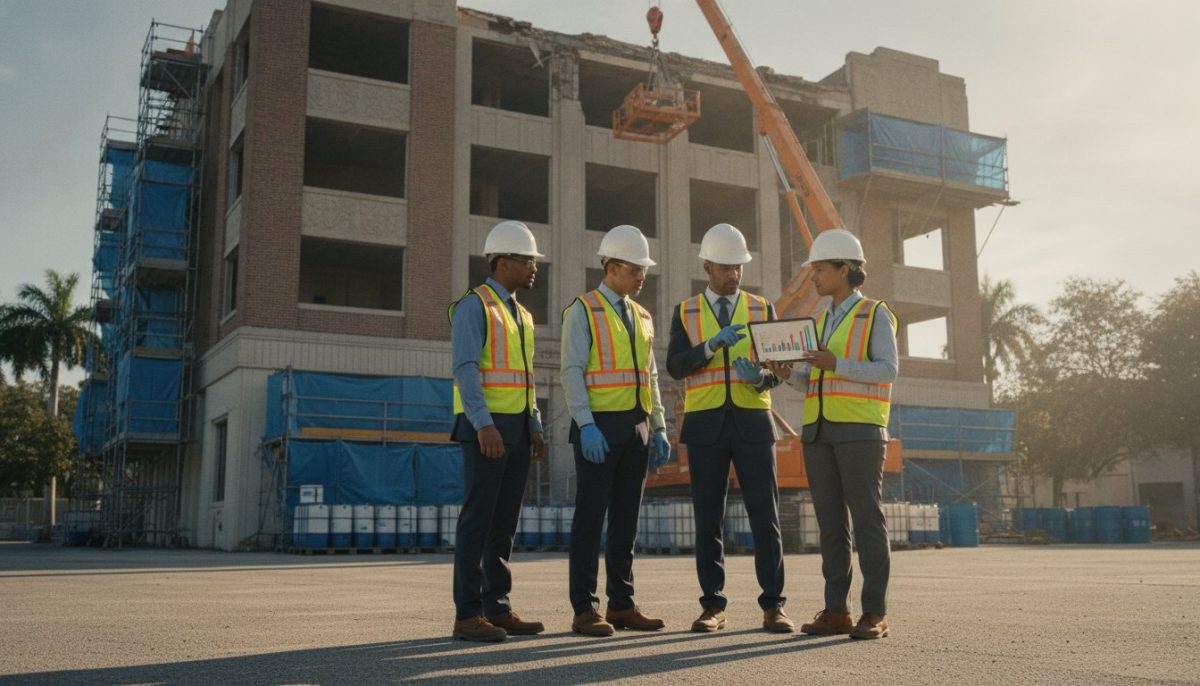
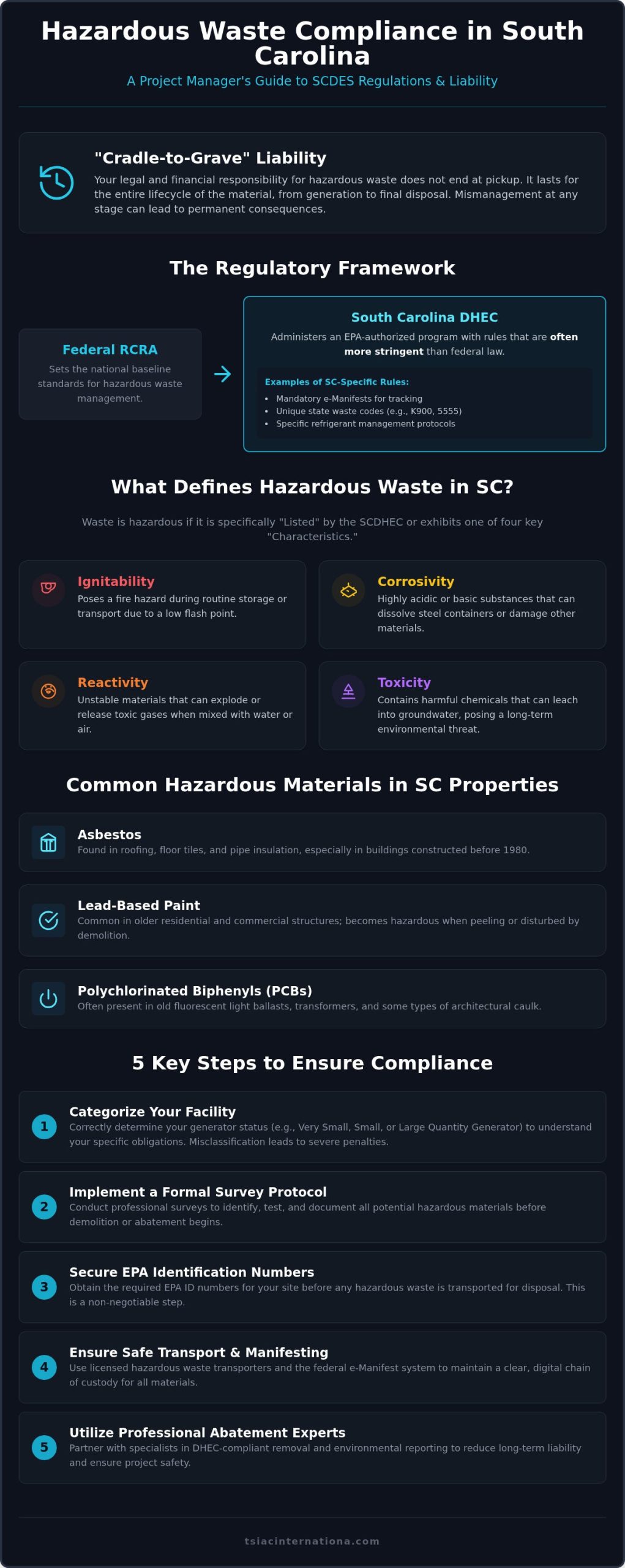
In South Carolina, your legal responsibility for hazardous waste doesn’t end when the disposal truck pulls away from your site; it follows you for the life of that material. This “cradle-to-grave” liability means that any oversight during a structural demolition or abatement project can result in permanent legal and financial consequences. Most project managers recognize that staying current with hazardous waste disposal regulations south carolina is essential, yet the complexity of SCDES updates often creates significant anxiety regarding potential EPA fines or generator misclassifications.
We understand that you need more than just a list of rules; you require a methodical framework to ensure every ounce of waste is documented and handled with technical precision. This guide will provide the clear, factual roadmap necessary to keep your project compliant and your liability contained. We’ll examine the 2026 generator category thresholds, detail the mandatory shift toward electronic manifest systems, and provide the specific reporting deadlines required to maintain a flawless safety record. By following this professional guide, you’ll gain the confidence to manage complex waste streams while ensuring your structural projects proceed without regulatory interference.
Key Takeaways
- Understand the hierarchy of authority between the SCDES and federal RCRA standards to maintain rigorous documentation throughout your project lifecycle.
- Identify the specific regulatory triggers for asbestos and lead-based paint removal required for commercial and residential structural shells.
- Categorize your facility correctly under current hazardous waste disposal regulations south carolina to avoid the severe penalties associated with generator misclassification.
- Implement a structured survey and disposal protocol to secure required EPA identification numbers and ensure safe material transport.
- Reduce long-term project liability by utilizing professional abatement experts who specialize in SCDES-compliant removal and environmental reporting.
The Regulatory Framework for Hazardous Waste in South Carolina
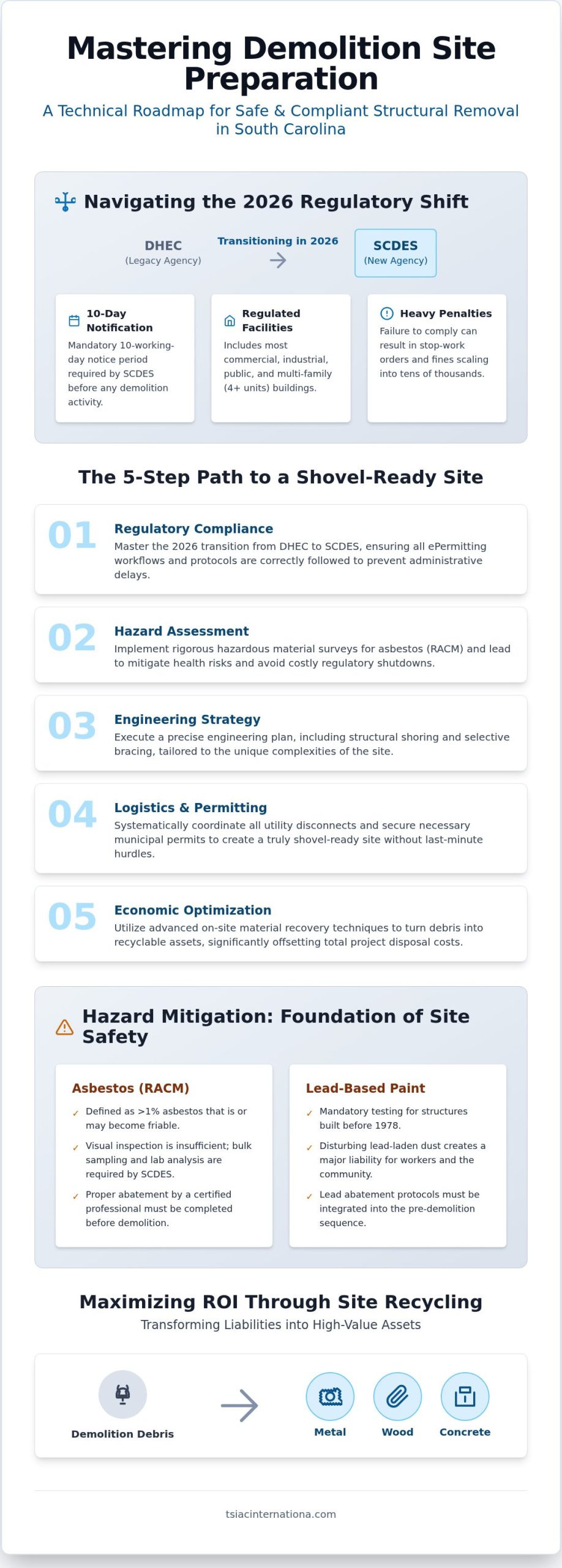
Managing hazardous materials during a project requires a disciplined understanding of a dual-layered legal system. The South Carolina Department of Environmental Services (SCDES) serves as the primary administrative body, overseeing the state’s environmental health and safety standards. As of 2026, the state is actively adopting federal updates to the S.C. Hazardous Waste Management Regulations (R.61-79), including mandatory rules for e-Manifests and specific refrigerant management. Their authority is grounded in the Resource Conservation and Recovery Act (RCRA), which is the federal legislation that mandates the rigorous “cradle-to-grave” tracking of all hazardous substances. Within the SCDES, the Bureau of Land and Waste Management acts as the lead enforcer, translating these broad federal mandates into specific, local requirements.
For property owners, the legal consequences of failing to adhere to these frameworks are severe. Non-compliance can lead to substantial financial penalties and permanent environmental liability. The SCDES doesn’t view ignorance of the law as a valid defense; it’s the owner’s responsibility to ensure that every material generated on-site is handled, stored, and disposed of according to the law.
Federal vs. State Authority
South Carolina operates an EPA-authorized hazardous waste program, which allows the state to manage its own environmental affairs as long as its rules are at least as stringent as federal ones. Often, hazardous waste disposal regulations south carolina exceed federal baselines to address specific regional risks. The state employs unique waste codes, such as K900 for organotin compounds and 5555 for materials the SCDES deems hazardous through its own testing. Understanding this hierarchy is vital, as a material that isn’t strictly regulated at the federal level might still trigger state-level enforcement actions.
The Definition of Hazardous Waste in SC
Correct classification is the first step in staying compliant with hazardous waste disposal regulations south carolina. Waste is generally defined through two pathways: it’s either “listed,” meaning it appears on specific SCDES tables, or it’s “characteristic,” meaning it fails specific safety tests. Characteristic wastes are identified by four primary traits:
- Toxicity: The potential for materials to leach harmful concentrations of chemicals into soil or water.
- Ignitability: Materials with a low flash point that pose a fire risk during transport or storage.
- Corrosivity: Highly acidic or basic substances that can eat through metal containers.
- Reactivity: Unstable chemicals that may explode or release toxic gases when mixed with water or air.
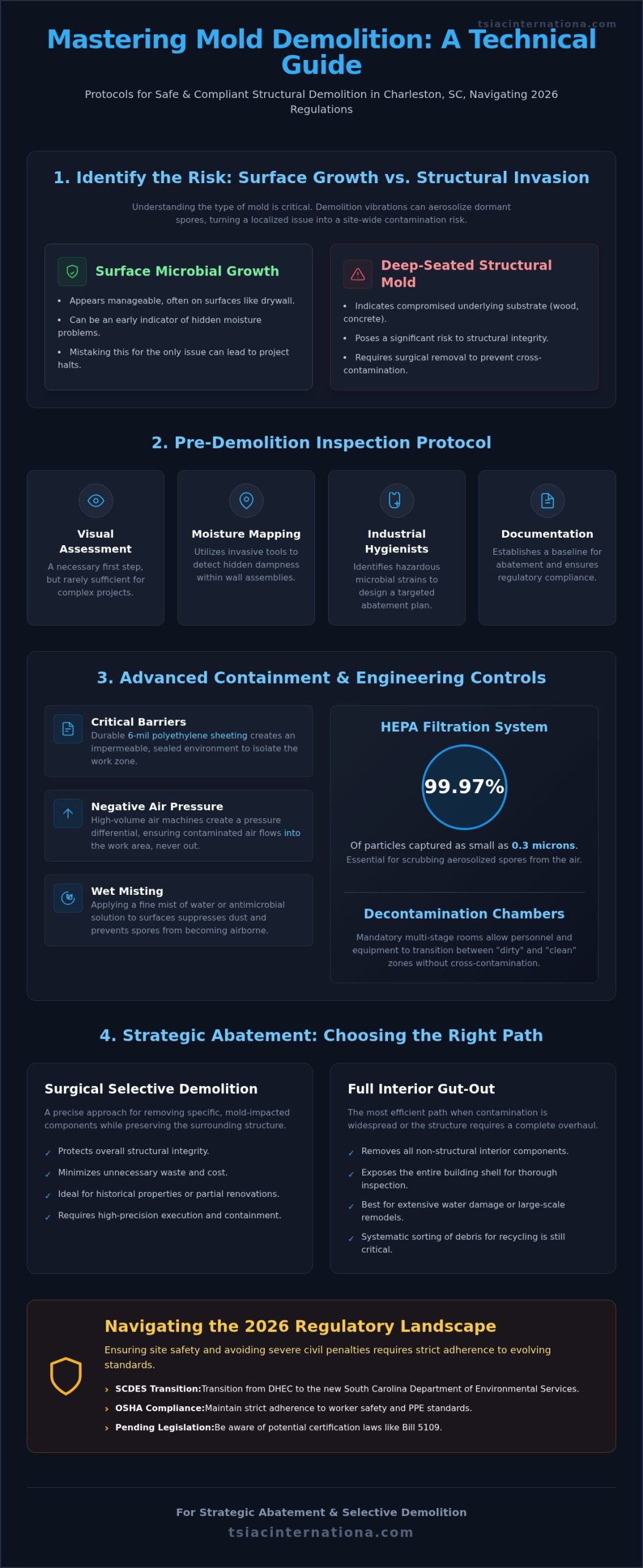
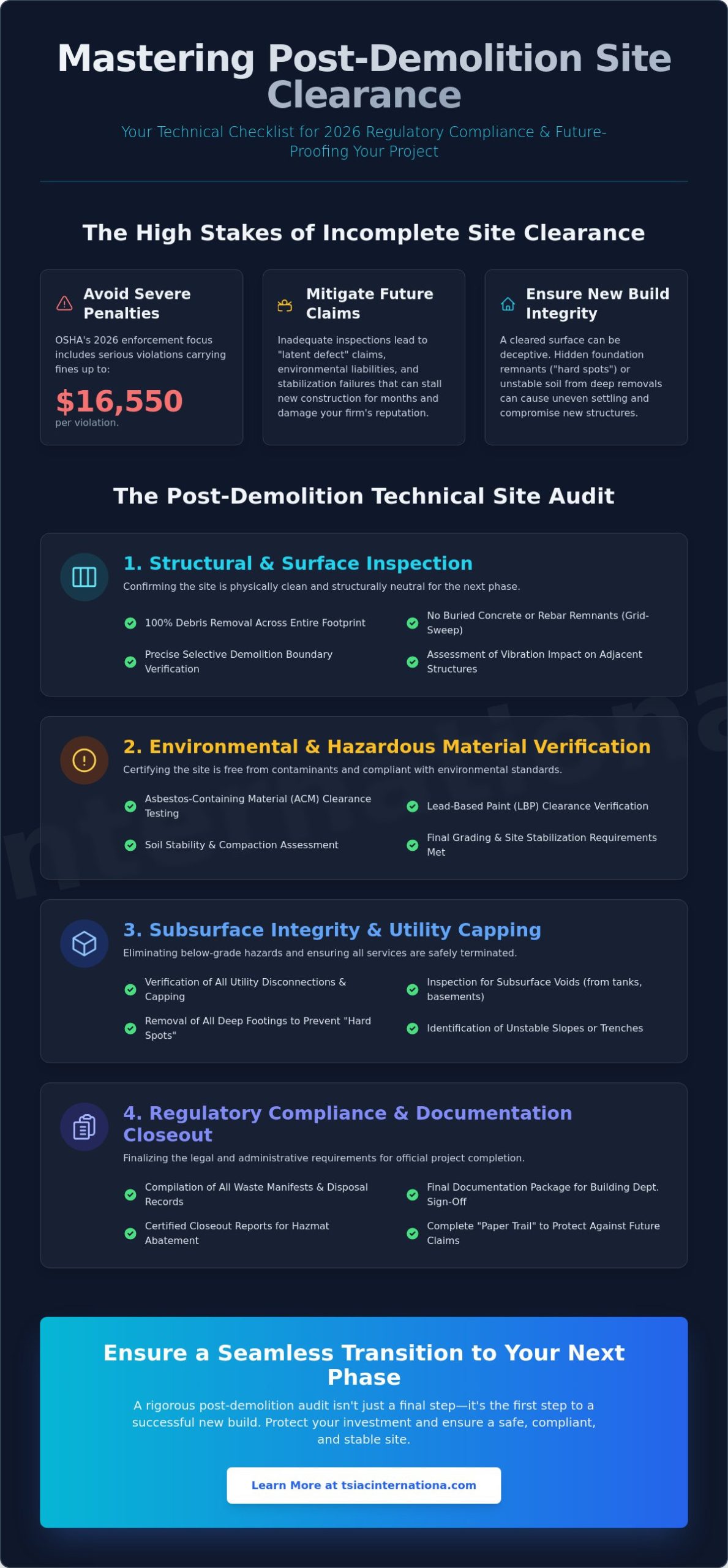
Structural debris from selective demolition or interior gutting often meets these criteria. Old insulation, specialized paints, and industrial residues can easily transition from “common debris” to “hazardous waste” once they’re disturbed, making professional surveys a technical necessity.
Identifying Hazardous Materials in South Carolina Properties
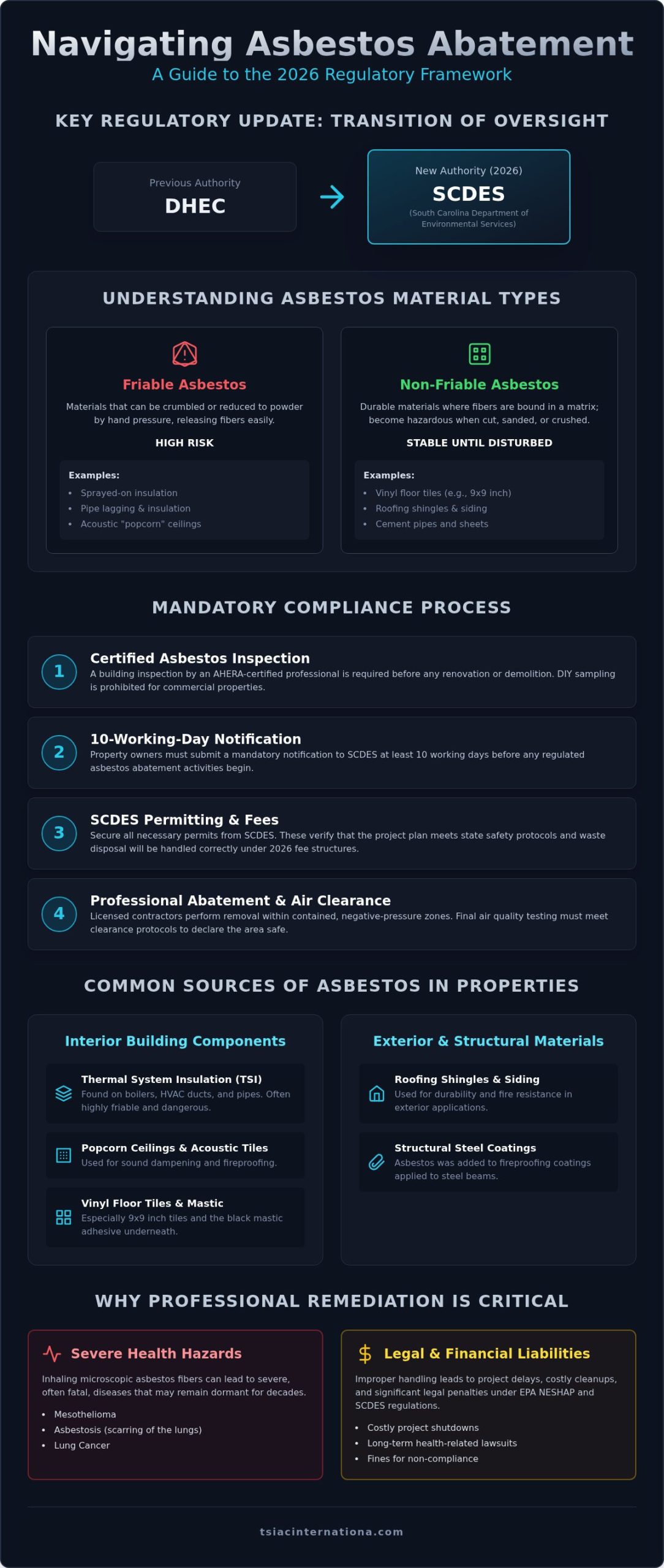
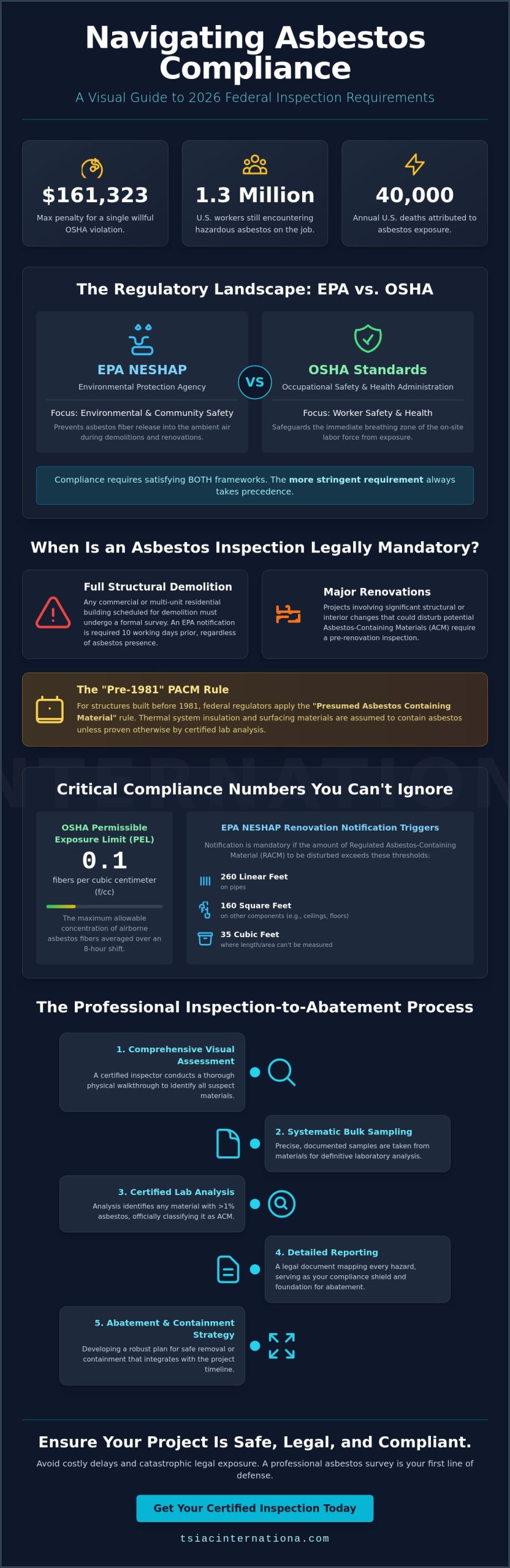
Identifying hazardous materials within a facility is a meticulous process that requires more than a visual inspection. In South Carolina, structural age and previous industrial use dictate the likelihood of encountering regulated substances. Asbestos remains the primary concern for any property constructed or renovated before 1980. This mineral fiber, once prized for its heat resistance, is commonly found in floor tiles, pipe insulation, and roofing materials. When these materials are disturbed during structural demolition, they release microscopic fibers that trigger strict enforcement under hazardous waste disposal regulations south carolina.
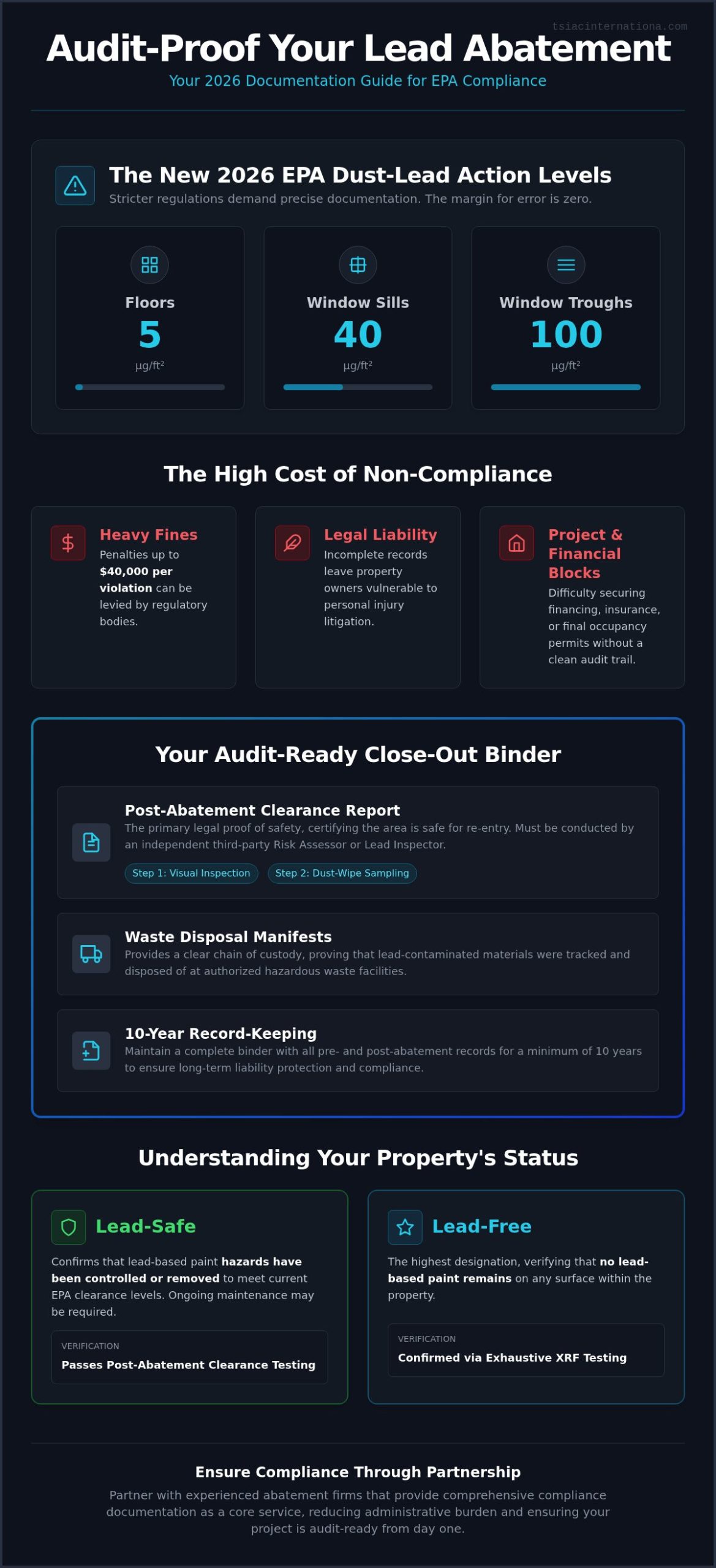
Lead-based paint presents a similar challenge, particularly in commercial shells and older residential structures. Regulatory triggers for abatement often occur when paint is peeling or when planned selective demolition will create lead dust. Beyond these common materials, property owners must account for Polychlorinated Biphenyls (PCBs). These are frequently present in older fluorescent light ballasts and certain types of architectural caulking. Additionally, biological hazards like mold require specialized remediation in water-damaged structures to ensure the environment is safe for future occupants.
Asbestos and Lead Abatement Standards
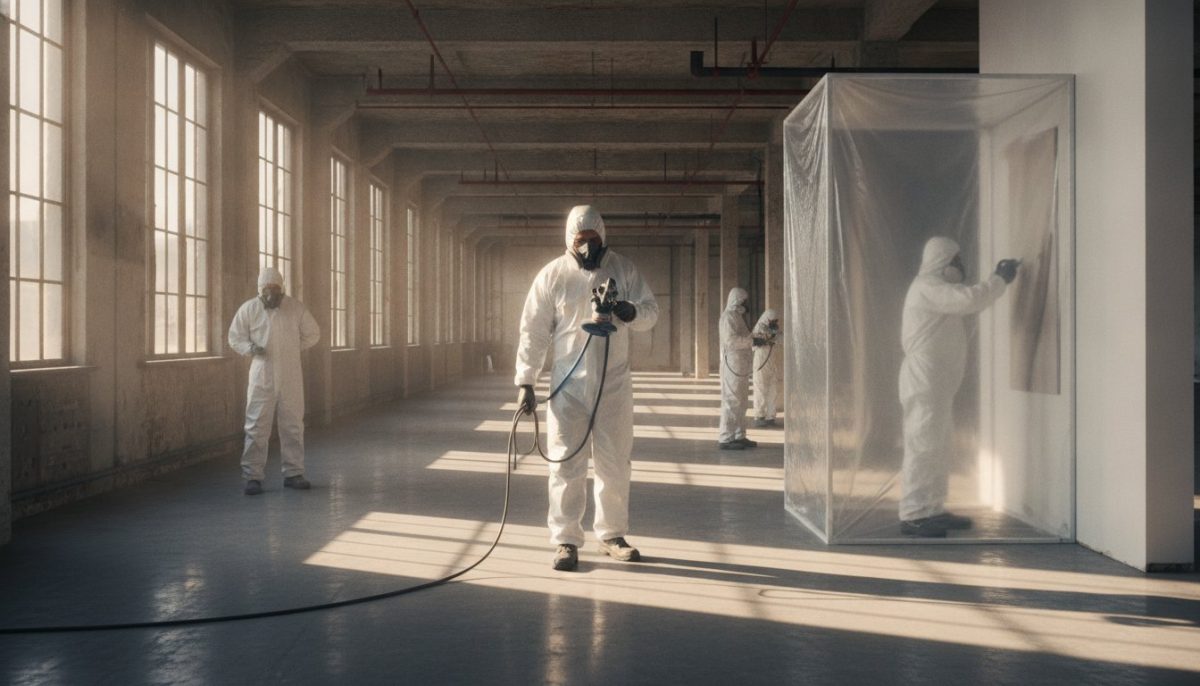
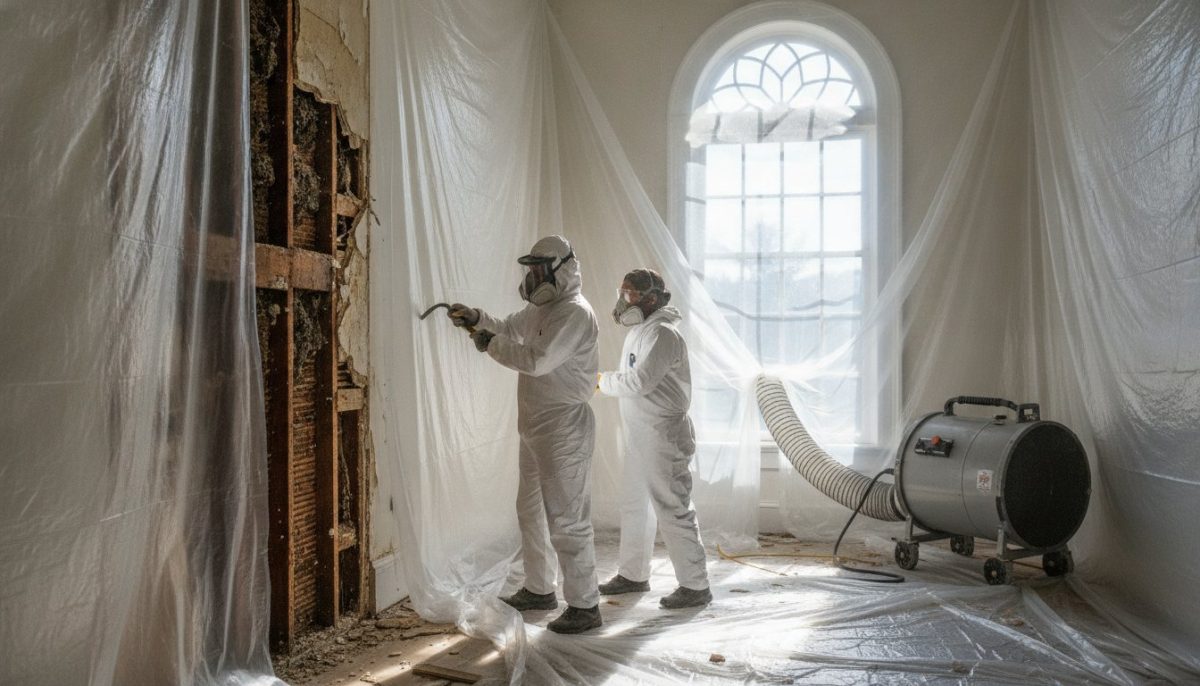
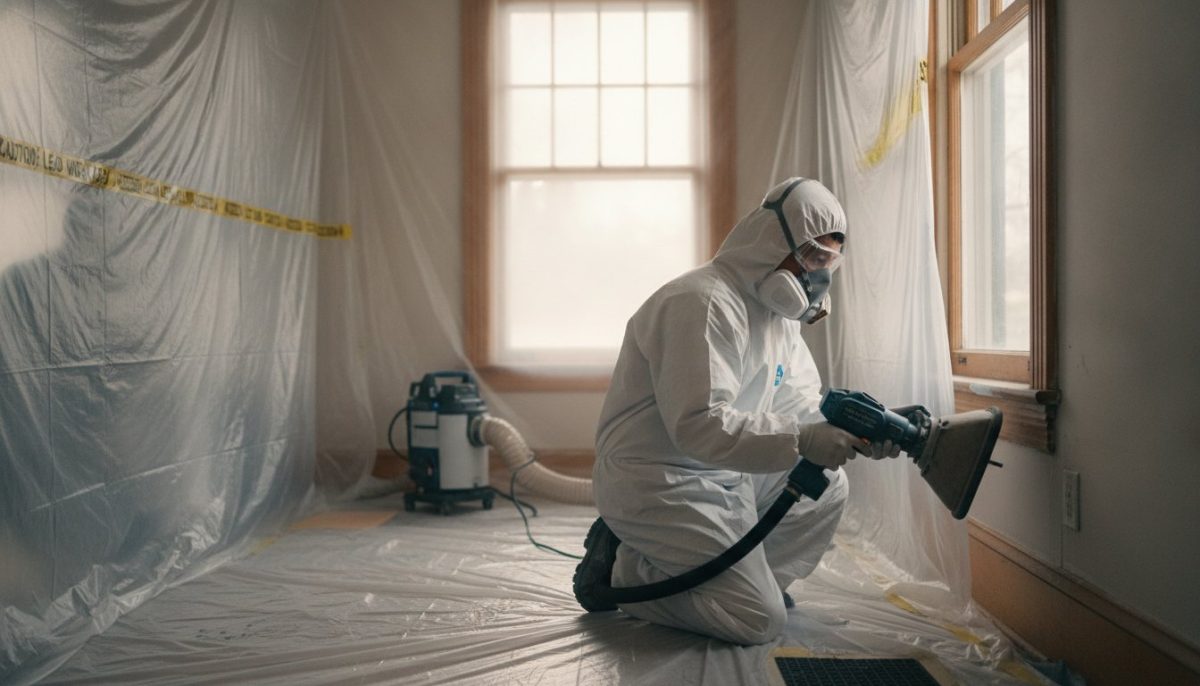
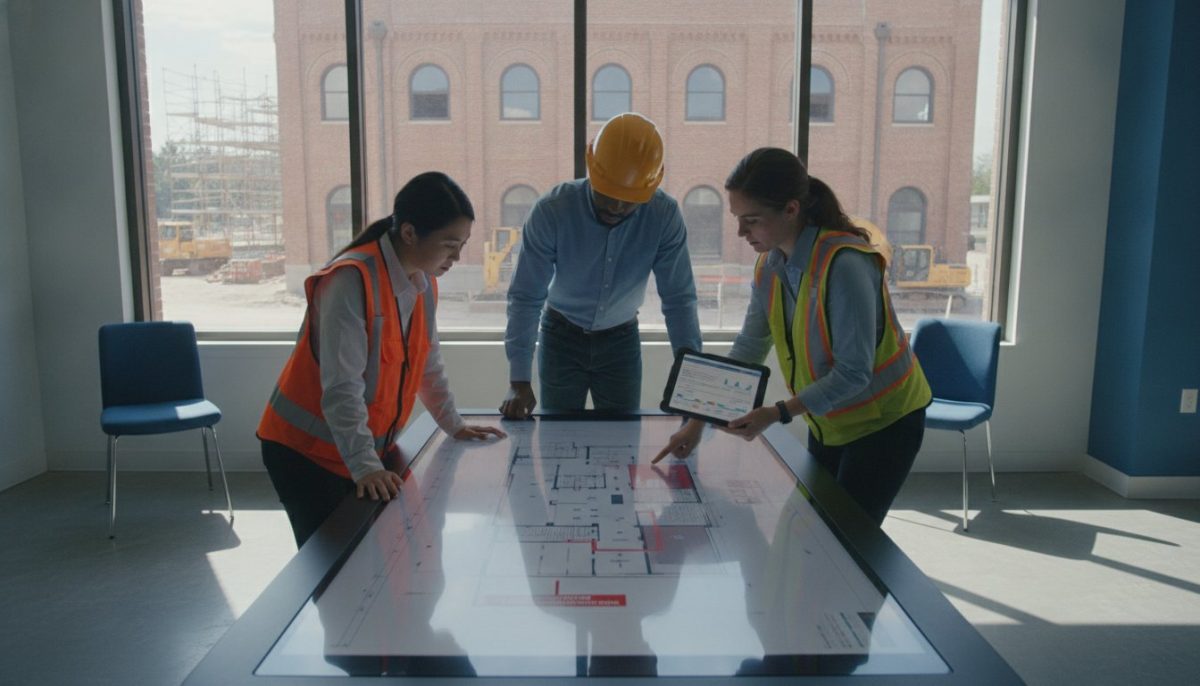
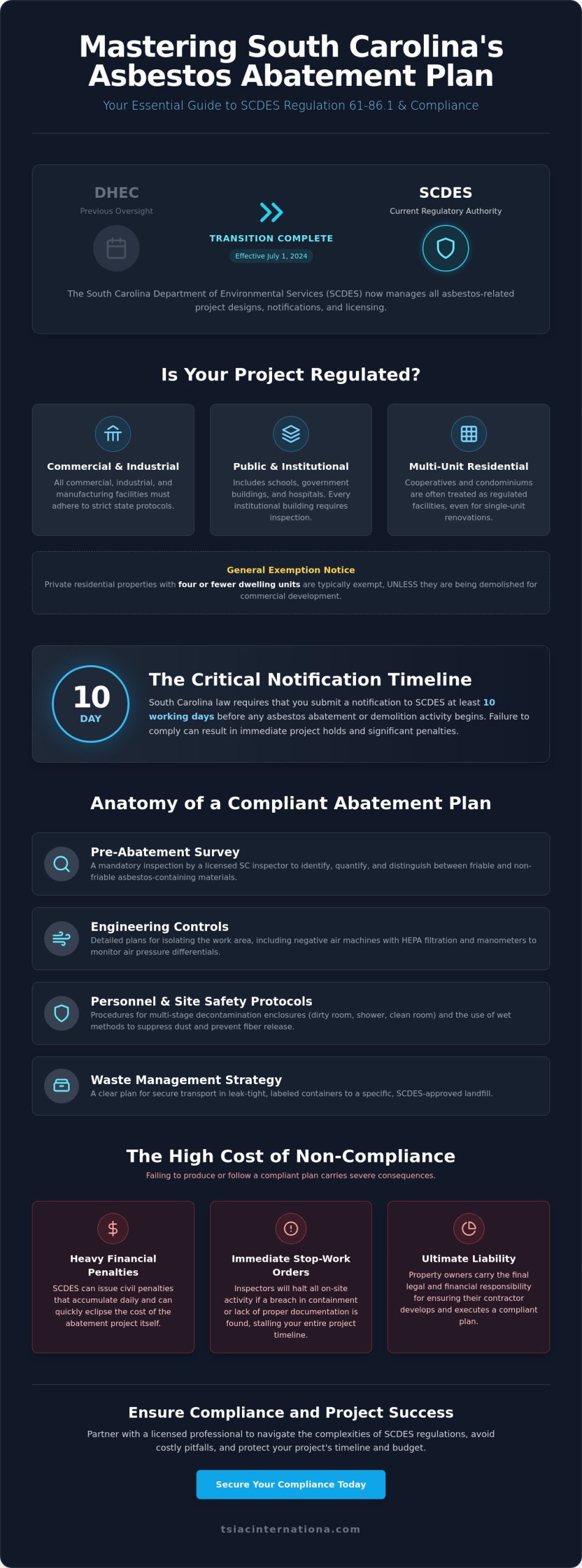
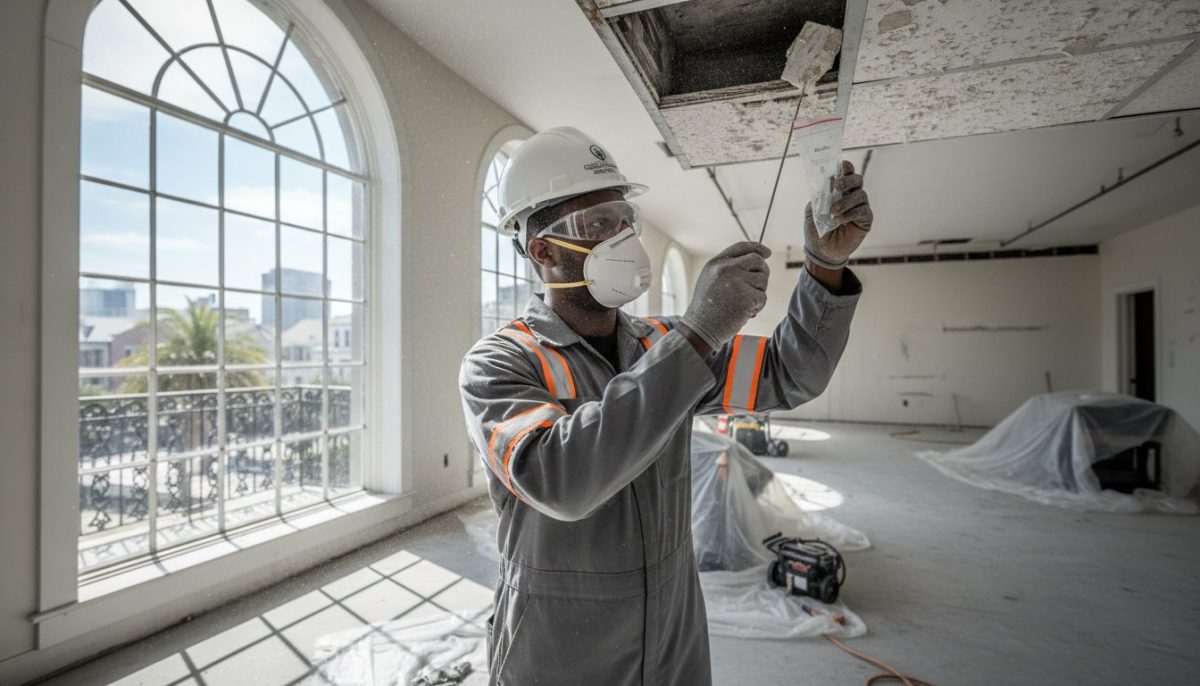
The SCDES mandates that a thorough survey be performed by a licensed professional before any demolition or major renovation begins. You can’t simply assume a building is “clean” based on its appearance. Engaging asbestos removal in South Carolina experts ensures that these surveys meet state-specific safety protocols. Professional abatement contractors bring the technical precision needed to contain these materials, preventing cross-contamination and legal exposure. If your project involves these materials, partnering with a firm experienced in lead abatement can streamline the compliance process.
Universal Waste and Special Handling
Not all hazardous materials are buried in the walls. “Universal waste” refers to common items that still require specialized disposal to prevent environmental leaching. This includes mercury-containing thermostats and fluorescent bulbs, which must be collected and recycled rather than discarded in standard waste streams. HVAC systems pose another risk; refrigerants like CFCs must be recovered using EPA-certified equipment to prevent atmospheric release. Finally, interior gutting often uncovers old electronic waste, or e-scrap. These devices contain heavy metals that fall under specific handling rules to ensure they don’t end up in South Carolina landfills.
Waste Generator Classifications and Legal Obligations
South Carolina classifies hazardous waste producers into three distinct categories based on the volume of waste generated within a single calendar month. These tiers determine the level of administrative oversight, the frequency of reporting, and the complexity of on-site storage protocols. Under current hazardous waste disposal regulations south carolina, maintaining an accurate monthly log is a legal necessity for every property owner or project manager overseeing a structural site.
- Very Small Quantity Generators (VSQG): These entities produce 220 pounds (100 kg) or less of hazardous waste per month. While they operate under simplified rules, they must still accurately identify all waste and ensure it reaches a permitted treatment, storage, and disposal facility (TSDF).
- Small Quantity Generators (SQG): Generating between 220 and 2,200 pounds (100 kg to 1,000 kg) triggers intermediate requirements. SQGs are permitted to store waste on-site for up to 180 days and must implement basic emergency response procedures.
- Large Quantity Generators (LQG): Facilities producing 2,200 pounds (1,000 kg) or more of non-acute waste, or more than 2.2 pounds (1 kg) of acute hazardous waste, face the most rigorous standards. This includes biennial reporting, written contingency plans, and formal personnel training.
For one-time structural projects, the “episodic generation” rule provides essential flexibility. This allows a VSQG or SQG to exceed their normal monthly limits once per year for a planned event, such as a scheduled selective demolition, without permanently changing their generator status. This provision requires notification to the SCDES at least 30 days before the project begins.
Determining Your Generator Status
Calculating your status requires weighing all hazardous materials at the point of generation. It’s a common misconception that status is based on an annual average; the law actually focuses on the maximum amount produced in any individual month. Structural demolition often generates large volumes of lead-contaminated debris or chemical residues very quickly, which can temporarily push a small facility into the LQG category. Performing a waste determination before the first hammer falls prevents unexpected compliance failures and ensures you have the correct EPA identification numbers in place.
Storage and Handling Requirements
Safe accumulation is governed by strict SCDES standards. All containers must be kept closed except when adding or removing waste and must be clearly labeled with the words “Hazardous Waste” and a description of the hazards, such as “Toxic” or “Ignitable.” Personnel handling these materials must receive training commensurate with their responsibilities. For SQGs and LQGs, this training must be documented and refreshed regularly to ensure that emergency response protocols remain effective. Proper labeling and storage management are the most effective ways to avoid the heavy fines associated with SCDES site inspections.
The Step-by-Step Process for Legal Hazardous Waste Disposal
Legal compliance requires a methodical approach to material movement. In South Carolina, the disposal process follows a rigid sequence designed to eliminate environmental leakage and administrative error. First, you must conduct a professional hazardous material survey to quantify exactly what you’re dealing with. If your volume exceeds the VSQG threshold, you must then obtain a site-specific EPA Identification Number from the SCDES. This number is unique to your property and is required for all shipping documentation.
Once identified, waste must be secured in DOT-approved containers that prevent spills or vapor release during transit. The execution of a Uniform Hazardous Waste Manifest is the next critical step. This document acts as a legal chain of custody, tracking the waste from your property to a permitted Treatment, Storage, and Disposal Facility (TSDF). Following these hazardous waste disposal regulations south carolina ensures that your project remains outside the crosshairs of state inspectors. Finally, you must verify that the TSDF has received and processed the waste by obtaining a signed final copy of the manifest.
Understanding Cradle-to-Grave Liability
Under environmental law, you own the waste from the moment it’s generated until it no longer exists. This is known as cradle-to-grave liability. Even if a third-party transporter mishandles the material or a disposal site fails, the property owner remains legally and financially responsible for any cleanup. Utilizing professional hazardous material abatement in South Carolina is the most effective way to transfer technical risk to experts who understand these liability triggers. If you’re planning a complex structural demolition, ensure your partner provides a complete compliance trail from the initial survey to the final disposal receipt.
Documentation and Recordkeeping
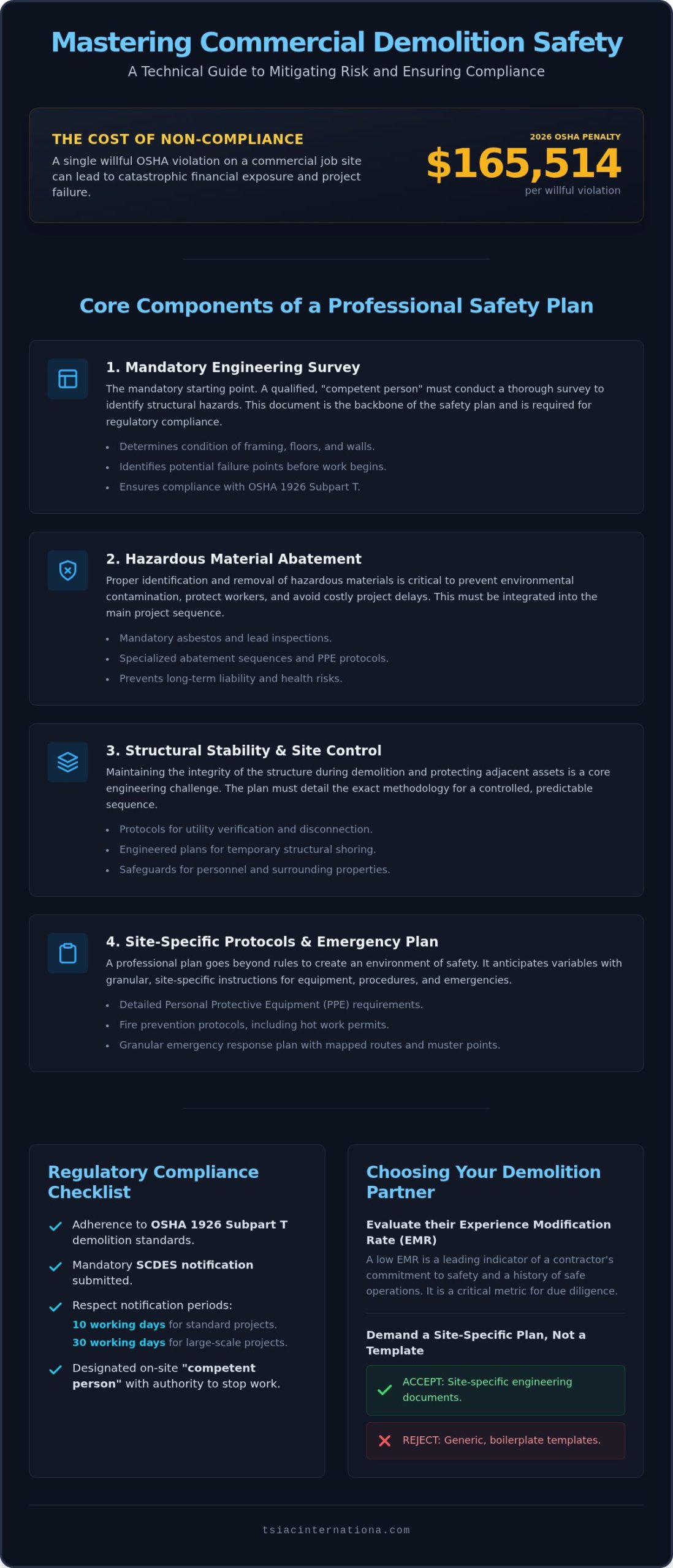
Proper recordkeeping is your only defense during an audit. You must maintain signed copies of all manifests and biennial reports for at least three years. In 2026, the SCDES has fully integrated the federal e-Manifest system for imports and exports, making digital tracking the industry standard for all manifest-related reports. This shift requires generators to be proficient with electronic filing to ensure real-time compliance. If you don’t receive a signed return copy from the TSDF within 35 days for Small Quantity Generators or 45 days for Large Quantity Generators, you’re legally required to file an exception report with the SCDES. Failing to report a missing manifest is often treated as a major violation, regardless of whether the waste was actually disposed of correctly.
Professional Abatement: Ensuring Environmental and Legal Compliance
Attempting to manage hazardous materials without specialized oversight introduces unacceptable risks to a project’s timeline and budget. DIY removal often results in improper containment, leading to environmental contamination that triggers the most severe penalties under hazardous waste disposal regulations south carolina. Beyond the immediate health hazards to workers, property owners face massive financial liabilities if waste is traced back to an unpermitted disposal site. Professional abatement contractors mitigate these risks by providing the technical precision required to pass SCDES inspections. They manage the interface with regulatory officials, ensuring that every containment area and air monitoring log meets state standards. A fixed-price contract for hazardous waste management provides financial stability. It protects the owner from the volatile costs associated with unexpected material discovery during the demolition phase.
Sustainability in Demolition
Modern structural projects must balance speed with environmental responsibility. By sorting materials like wood, metal, and plastic on-site, a project can significantly divert non-hazardous debris from landfills. This practice doesn’t just lower the project’s environmental footprint; it also reduces the total volume of waste that must be managed as hazardous. Effective sorting requires a disciplined work site where recycling is integrated into the selective demolition phase. Reducing the weight of the waste stream can sometimes even lower a facility’s generator status, leading to fewer administrative burdens. For a deeper understanding of site management, refer to our guide on the demolition process in South Carolina. Our commitment to wood, metal, and plastic recycling ensures that your project meets modern green building standards while remaining cost-effective.
Selecting a Qualified Abatement Partner
Choosing a contractor is a decision that impacts your long-term legal standing. You must verify that a partner holds the necessary licenses and comprehensive insurance to cover specialized environmental work. Experience is the most reliable indicator of performance. A firm with 15+ years of industry experience has likely managed the exact technical challenges your site presents, from lead-based paint in commercial shells to complex asbestos abatement in industrial settings. When interviewing partners, ask about their specific protocols for adhering to hazardous waste disposal regulations south carolina and their proficiency with the 2026 e-Manifest system.
TSIAC International is the preferred partner for complex South Carolina remediation because we prioritize methodical accuracy. We don’t just remove waste; we provide the regulatory security that allows property owners to focus on their next phase of development. Our team specializes in regulatory compliance documentation, ensuring that every manifest and survey is audit-ready. We function as a cradle-to-grave compliance partner, taking full responsibility for the technical precision of the abatement process.
Securing Your Property’s Future Through Compliance
Managing a structural project in 2026 requires a disciplined approach to environmental safety and legal documentation. As we’ve explored, staying current with hazardous waste disposal regulations south carolina is the only way to protect your assets from the long-term liability of cradle-to-grave oversight. By correctly identifying generator categories and maintaining a rigorous e-Manifest chain of custody, you eliminate the technical vulnerabilities that often lead to SCDES violations.
Professional abatement is more than a service; it’s a strategic partnership that ensures your site remains a safe, compliant foundation for future development. With 15+ years of hazardous material remediation expertise, our team provides the technical precision and comprehensive “cradle-to-grave” documentation required to keep your project liability-free. We’re licensed for asbestos and lead abatement across South Carolina, and we’re ready to handle the complex logistics of your next structural removal.
Contact TSIAC International for a Professional Abatement Quote and secure a partner who values methodological accuracy as much as you do. Your commitment to proper waste management today ensures a cleaner, safer environment for tomorrow.
Frequently Asked Questions
What is the primary agency for hazardous waste in South Carolina?
The South Carolina Department of Environmental Services (SCDES) is the lead regulatory body responsible for environmental oversight. It operates under the authority of the South Carolina Hazardous Waste Management Act and ensures that all activities align with federal safety standards. Specifically, the Bureau of Land and Waste Management handles permitting, site inspections, and the enforcement of hazardous waste disposal regulations south carolina to protect the state’s soil and groundwater resources.
Does South Carolina follow the federal RCRA regulations?
Yes, South Carolina is an EPA-authorized state that implements the Resource Conservation and Recovery Act (RCRA) through its own regulatory framework. The SCDES adopts federal updates, such as the 2026 e-Manifest and refrigerant management rules, to maintain national consistency. While the foundation is federal, the state maintains the authority to implement stricter waste codes and more frequent reporting requirements for Large Quantity Generators to manage local environmental risks effectively.
How long can I store hazardous waste on my property in SC?
Storage time limits are dictated by your specific generator classification. Small Quantity Generators (SQGs) are permitted to store waste on-site for up to 180 days without a permit. Large Quantity Generators (LQGs) face a stricter 90-day accumulation limit. Very Small Quantity Generators don’t have a hard time limit but must never exceed the 2,200-pound total on-site storage threshold. Exceeding these limits without SCDES approval can result in significant administrative penalties.
Do I need an EPA ID number for a one-time demolition project?
You’ll need an EPA ID number if your project generates hazardous waste volumes exceeding the Very Small Quantity Generator threshold of 220 pounds in a single month. Most structural demolition projects reach this limit quickly due to lead-contaminated debris or industrial residues. While you can utilize “episodic generation” rules for one-time events, you must still obtain a site-specific EPA ID number to legally manifest and transport the waste to a permitted facility.
What is a Uniform Hazardous Waste Manifest?
This is a legally mandated tracking document that serves as the “cradle-to-grave” chain of custody for hazardous materials. It tracks the waste from your property to the final Treatment, Storage, and Disposal Facility (TSDF). In 2026, the SCDES has fully integrated the federal e-Manifest system for these reports. This document ensures that the generator, transporter, and disposal facility all confirm the safe handling and delivery of regulated substances, protecting the owner’s liability.
Can I dispose of asbestos in a regular South Carolina landfill?
No, asbestos-containing materials (ACM) must never be mixed with standard municipal solid waste. Under current hazardous waste disposal regulations south carolina, asbestos must be disposed of in specialized landfills permitted to accept it. The material must be meticulously wetted, double-bagged, and labeled according to SCDES standards. Failing to segregate asbestos from standard demolition debris can lead to the entire waste stream being classified as hazardous, which exponentially increases your project’s disposal costs.
What are the penalties for illegal hazardous waste disposal in SC?
Penalties in South Carolina are severe and can include daily fines reaching tens of thousands of dollars per violation. The SCDES pursues civil and criminal actions against property owners who bypass manifest rules or use unpermitted disposal sites. Because of “cradle-to-grave” liability, you remain financially responsible for any future cleanup costs associated with illegally disposed material. Professional abatement is the only reliable way to ensure your project remains safe and legally compliant.