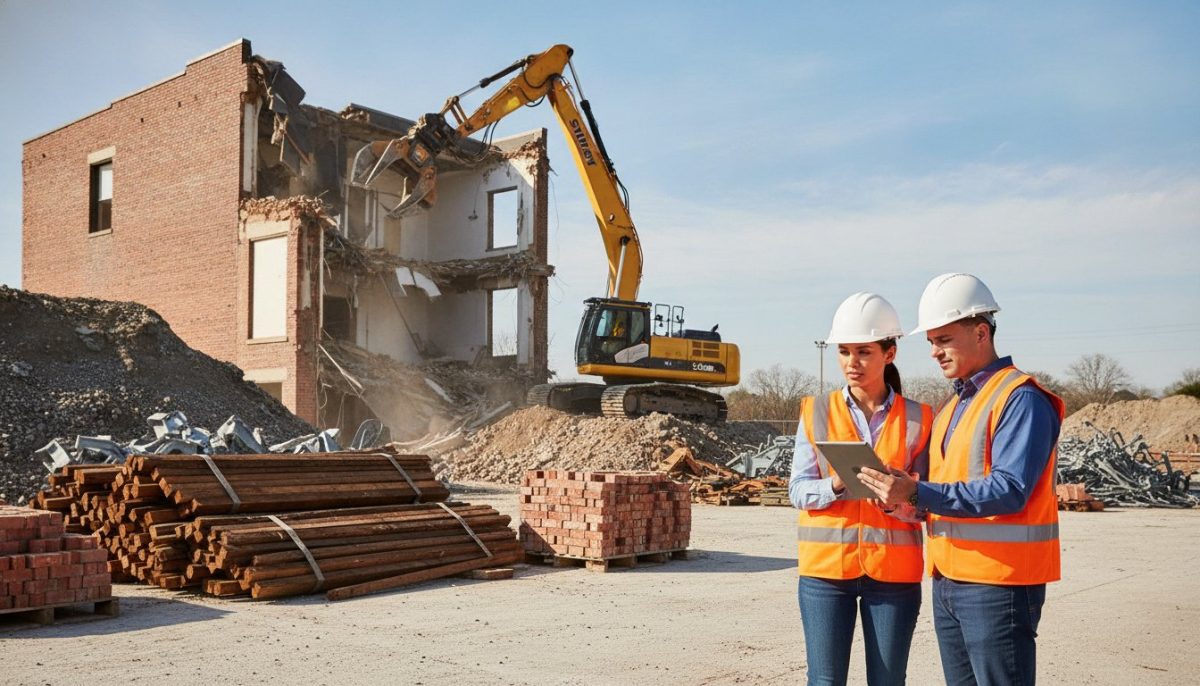
With landfill tipping fees in regions like Kern County reaching $95.66 per ton, the traditional “haul and dump” model isn’t just an environmental burden; it’s a significant financial liability for modern contractors. Demolition activities currently generate over 90% of all construction and demolition debris, which establishes eco-friendly construction waste disposal as a core operational requirement rather than a secondary concern. You’re likely facing the dual pressure of CALGreen’s 65% diversion mandates and the technical complexity of isolating hazardous contaminants like lead or asbestos from high-value recyclable aggregates.
Managing these waste streams requires a disciplined, methodological approach to ensure that material recovery doesn’t compromise your project timeline. This guide demonstrates how to implement sustainable waste management strategies that reduce environmental impact while maintaining project efficiency and compliance. We’ll outline a professional framework for waste diversion, detailing how to navigate the current regulatory landscape and leverage material recovery to stabilize your project costs.
Key Takeaways
- Transition from bulk hauling to a systematic recovery model that prioritizes source reduction and high-value architectural salvage.
- Understand how selective demolition serves as a surgical alternative to traditional methods, effectively preventing waste stream contamination.
- Develop a site-specific framework for eco-friendly construction waste disposal through rigorous pre-demolition audits and dedicated on-site segregation zones.
- Integrate critical safety protocols for asbestos and lead abatement to ensure sustainability goals never compromise site security or regulatory compliance.
- Achieve alignment with CALGreen and LEED requirements to mitigate regulatory risks and optimize your project’s total cost of recovery.
The Environmental Impact of Construction and Demolition Debris
A professional approach to eco-friendly construction waste disposal is defined as a disciplined, site-specific strategy designed to intercept materials before they reach a landfill. It’s not merely a “green” alternative to hauling; it’s a systematic transition from a linear discard model to a circular recovery process. This methodology treats every ton of debris as a potential resource rather than a liability, focusing on the precision of the recovery process to maximize the value of the output.
The scale of waste generation in the sector is staggering. The United States generated 600 million tons of debris in 2018, which was more than double the volume of municipal solid waste produced in the same year. With global projections reaching 2.2 billion tons by 2025, the industry can no longer treat waste as an afterthought. Demolition activities specifically account for over 90% of this total volume, making the demolition phase the most critical point for intervention in the building lifecycle.
Every structural component on a site represents significant “embodied carbon.” This term refers to the total energy expended during the raw material extraction, manufacturing, and transportation phases. When a building is leveled without a recovery plan, that massive energy investment is permanently lost. Preserving existing materials or recycling them into new aggregates is technically superior to manufacturing virgin materials, as it bypasses the most carbon-intensive stages of production. Success in this area depends on a deep understanding of Demolition waste composition. Concrete remains the primary target, accounting for approximately 67.5% of debris by weight, followed by high-value materials like structural steel, untreated wood, and specific plastics.
Why Traditional Landfill Disposal is Failing
Landfill disposal has become a significant financial risk for commercial projects. In Orange County, California, tipping fees have increased to $67 per ton as of July 2026, with projections suggesting a rise to $81 by 2029. These escalating costs directly erode project margins. Beyond the financial burden, the long-term environmental liability of burying non-biodegradable materials is no longer acceptable. Regulatory bodies have shifted toward mandatory diversion, leaving contractors who rely on traditional dumping at a competitive disadvantage.
The Benefits of a Sustainable Approach
Implementing eco-friendly construction waste disposal transforms a logistics problem into a value-recovery operation. Recovered scrap metals, for instance, provide immediate cost offsets that help stabilize project budgets. Furthermore, a rigorous waste management plan ensures compliance with LEED v4.1 standards, where projects must divert at least 50% of waste to earn critical credits. This alignment with ESG goals isn’t just about ethics; it’s about maintaining the technical and regulatory standards required for high-tier commercial contracts.
The Hierarchy of Sustainable Waste Management
Effective eco-friendly construction waste disposal relies on a structured hierarchy that prioritizes resource conservation over simple hauling logistics. This framework, which aligns with the EPA’s standards for the Sustainable Management of C&D Materials, is not a set of suggestions but a sequential methodology. By following a specific order of operations, contractors can maximize material value and minimize environmental impact. The hierarchy consists of four critical levels:
- Source Reduction: The most efficient waste management happens during the planning phase. By optimizing material orders and using precise cutting lists, we prevent debris from ever being generated.
- Salvage and Reuse: This involves the tactical extraction of high-value architectural elements. Intact fixtures, cabinetry, and structural timbers are diverted for direct reintegration into other projects.
- Recycling: When materials cannot be reused in their current state, they are processed into new raw components. This includes crushing concrete for road base or smelting scrap metal.
- Responsible Disposal: This is the final resort. It involves the disciplined handling of non-recyclable materials and hazardous substances that require specialized containment to prevent environmental contamination.
Prioritizing Material Recovery
Material recovery is a technical, surgical operation. Structural steel, copper wiring, and aluminum represent the highest financial return in the recycling stream; these materials often provide the capital necessary to fund broader diversion efforts. Wood recycling requires strict segregation. Clean, untreated timber can be transformed into high-quality mulch or reclaimed flooring, while treated wood must be isolated to prevent toxin leaching. For heavy debris, on-site crushing of concrete and masonry allows for immediate repurposing as a stabilized sub-base. This significantly reduces the carbon footprint associated with transporting heavy aggregates. Integrating selective demolition techniques at this stage is essential for maintaining the purity of these material streams.
Navigating the Circular Economy
The circular economy represents a fundamental shift in how we approach the built environment. Unlike the traditional linear model, which follows a “take-make-waste” trajectory, the circular model seeks to close the loop on material lifecycles. The circular economy in construction is a system where waste is designed out and materials are kept in use. Specialized contractors play a pivotal role here. They act as the technical bridge, ensuring that the deconstruction process yields materials that meet the rigorous standards required for secondary markets. By treating buildings as material banks, we ensure that the value of the original energy investment is preserved for future use rather than being lost in a landfill.
Selective Demolition: A Surgical Approach to Material Recovery
Selective demolition is a precise engineering process. It’s the strategic removal of specific building components while maintaining the integrity of the primary structure or adjacent sections. Unlike traditional “wrecking ball” methods that pulverize materials into a contaminated mass, this surgical approach ensures that eco-friendly construction waste disposal starts at the point of disassembly. By isolating materials at the source, we prevent the cross-contamination that typically renders wood, plastic, and drywall unrecyclable. It’s the difference between creating a resource and creating a pile of debris.
This process requires a specialized suite of tools and machinery. Instead of heavy, indiscriminate excavators, we utilize precision cutting equipment, robotic demolition units, and small-scale loaders designed for confined spaces. These tools allow for the systematic dismantling of complex assemblies. For instance, removing metal framing and copper piping without damaging the surrounding masonry ensures both materials retain their highest recovery value. Following established guidelines for C&D Debris Recycling, we treat the site as a harvesting ground for raw materials rather than a debris field. This technical discipline is what allows for diversion rates that exceed 75% on well-managed sites.
Maximizing Diversion Through Interior Gutting
Stripping a building down to its structural shell is the most effective way to produce clean material streams. During an interior gut-out, we categorize and remove acoustic ceilings, specialized flooring, and drywall in a specific sequence. This order of operations is vital for projects seeking high diversion rates, as it prevents gypsum dust from contaminating high-value metals or wood. For a deeper look at these technical requirements, consult our guide on Commercial Interior Gutting Services. By focusing on clean streams, we ensure that materials like aluminum ceiling grids are ready for immediate smelting.
Structural vs. Selective: When to Use Which
The choice between structural and selective demolition depends on the project’s ultimate goal. Structural demolition is necessary for total site clearance, but it often sacrifices material purity for speed. Selective demolition is the preferred choice for historic preservation and commercial remodels where the building’s skeleton is being reused. While it requires more labor-intensive planning, the economic trade-off is often positive. The value of recovered structural steel and the avoidance of high tipping fees for mixed debris often outweigh the initial labor costs. It’s a calculated decision where technical precision directly supports eco-friendly construction waste disposal goals.

How to Implement a Site-Specific Waste Management Plan
A successful eco-friendly construction waste disposal strategy isn’t a byproduct of good intentions; it’s the result of a rigorous, site-specific waste management plan. This plan serves as the operational blueprint for the entire project duration. It ensures that every material stream is accounted for and that diversion goals are met with technical precision. Implementing this plan follows a disciplined five-step methodology:
- Step 1: Conduct a pre-demolition waste audit. We quantify the volumes of wood, metal, and the dominant 67.5% concrete fraction before operations begin. This establishes the baseline for all subsequent recovery efforts.
- Step 2: Establish dedicated on-site segregation zones. Clear signage and physical barriers are essential. These zones prevent the cross-contamination that often renders high-value materials unrecyclable.
- Step 3: Partner with specialized hauling services. We select partners who provide detailed diversion reporting. This data is critical for validating the project’s environmental performance.
- Step 4: Monitor and document material outflows. A continuous log of all debris leaving the site ensures regulatory compliance and maintains the chain of custody.
- Step 5: Perform a final project review. We evaluate the final diversion rate against the initial audit to identify successes and areas for methodological refinement.
On-Site Sorting and Logistics
Sorting efficiency depends on the integration of specialized machinery and disciplined personnel. We use grapples and magnetic separators to isolate structural steel and rebar from concrete masses. Preventing cross-contamination is the primary objective here; a single load of wood contaminated with drywall dust can be rejected by recycling facilities. We train every on-site professional to recognize and segregate materials according to the project’s specific hierarchy. This level of technical oversight ensures that the material recovery process remains efficient and cost-effective. If you require expert assistance in developing a compliant recovery strategy, contact our technical team for a project evaluation.
Regulatory Compliance and Documentation
Maintaining a precise chain of custody is a technical requirement for any modern commercial project. Professional documentation supports LEED v4.1 certification and provides the necessary evidence for government audits, such as those required under CALGreen. This documentation must include weight tickets, hauling receipts, and diversion certificates. Adhering to these standards is an extension of the broader demolition process, where safety and compliance are inextricably linked. Clear records don’t just prove compliance; they protect the project from the liabilities associated with improper disposal and unauthorized dumping.
Safe Management of Hazardous Construction Waste
In the context of eco-friendly construction waste disposal, the term “green” is secondary to “safe.” A project cannot be considered sustainable if it releases toxic particulates into the atmosphere or groundwater. Hazardous materials, particularly in structures built before the late 20th century, represent a significant barrier to circularity. If substances like asbestos or lead-based paint aren’t isolated with surgical precision, they effectively poison the entire material recovery stream. For example, a single load of concrete contaminated with lead dust can’t be crushed for road base; it must be treated as hazardous waste, which significantly increases both environmental impact and disposal costs.
Regulatory compliance isn’t just a legal obligation; it’s a technical prerequisite for material diversion. Under federal guidelines like the Resource Conservation and Recovery Act (RCRA) Subtitle C, hazardous debris requires specialized handling far more stringent than standard C&D recycling. Failing to identify these toxins early in the project lifecycle leads to failures in waste segregation. Professional abatement ensures that toxic elements are removed and contained before high-volume recycling activities begin, preserving the purity of the wood, metal, and concrete streams discussed in previous sections. This methodological precision is the only way to maintain the integrity of a site-specific waste management plan.
Asbestos and Lead Abatement Protocols
Professional abatement is the foundational step of any sustainable demolition project. This process involves the establishment of airtight containment zones, the use of negative air pressure systems, and HEPA-filtered vacuuming to ensure that no fibers or dust escape the work area. These protocols are essential for protecting both the workforce and the surrounding environment. For a technical breakdown of these safety standards, refer to our Asbestos Removal Guide. By removing these risks first, we clear the way for the selective demolition and material harvesting phases that follow.
Mold Remediation and Interior Safety
Mold-impacted materials present a unique challenge during interior gut-outs. If mold is present in drywall or insulation, it must be handled with the same level of containment as other toxins to prevent spores from cross-contaminating clean material streams. Managing these biological hazards is critical for community health and long-term environmental safety. We position Hazardous Material Abatement as a non-negotiable prerequisite for green building. It ensures the final site is not only cleared of debris but is also free of the microscopic hazards that could compromise future development or local ecosystems. This safe, disciplined approach is the final pillar of a truly sustainable demolition strategy.
Optimizing Recovery for the Future of Demolition
Achieving a high-performance eco-friendly construction waste disposal outcome requires more than just meeting minimum diversion mandates. It demands a technical shift from traditional wrecking to surgical deconstruction. By prioritizing source reduction and implementing a disciplined, site-specific waste management plan, you protect your project from escalating landfill fees while preserving the embodied carbon of structural materials. Safety remains the primary anchor of this process. Professional abatement of asbestos and lead is the only way to ensure that recycled streams remain pure and compliant. It’s a strategic investment that safeguards both your budget and the environment.
With over 15 years of industry experience in abatement and demolition, TSIAC International provides the specialized expertise needed for complex structural and selective removal. We maintain a firm commitment to recycling wood, metal, and plastic on every site we manage, ensuring your project meets the highest environmental standards. Contact TSIAC International for a Professional Waste Management Consultation to secure a compliant, efficient, and sustainable recovery strategy for your next project. Your transition to a circular demolition model begins with methodical planning and a partner you can trust.
Frequently Asked Questions
What is the most common material recycled in construction waste disposal?
Concrete is the most common material recovered, accounting for approximately 67.5% of total construction and demolition debris by weight. It’s typically crushed into aggregate for use in road bases or new concrete mixes. Metal, including structural steel and copper, follows as a high-value recyclable due to its smelting potential and immediate market value.
How does eco-friendly construction waste disposal affect project costs?
Implementing eco-friendly construction waste disposal can reduce building costs by 3% to 5% through the avoidance of high landfill tipping fees. With fees in some regions reaching $95.66 per ton as of 2026, material recovery becomes a financial necessity. Selling recovered scrap metals and repurposing concrete on-site further offsets the labor costs associated with selective sorting.
What is a diversion rate in demolition, and why does it matter?
A diversion rate is the percentage of total project waste that’s redirected from landfills through reuse or recycling. It’s a critical metric for regulatory compliance; for instance, CALGreen requires a minimum 65% diversion rate for qualifying projects. High diversion rates demonstrate technical efficiency and help projects qualify for environmental certifications while reducing long-term environmental liability.
Can asbestos-containing materials be recycled or repurposed?
No, asbestos-containing materials cannot be recycled or repurposed due to the severe health risks associated with fiber inhalation. These materials require specialized abatement and must be disposed of in landfills specifically permitted to handle hazardous waste. Any attempt to recycle asbestos-contaminated debris will result in the rejection of the entire material load and significant legal penalties.
What are the legal requirements for construction waste management plans?
Legal requirements are primarily dictated at the state and local levels. In California, the CALGreen code mandates a formal waste management plan that identifies materials to be diverted and provides tracking documentation. Other regions, like Massachusetts, have outright bans on disposing of specific materials like asphalt, brick, and concrete in landfills, requiring contractors to prove alternative disposal routes.
How do I find a contractor who specializes in sustainable demolition?
Seek contractors with documented experience in selective demolition and hazardous material abatement. A specialist should provide transparent diversion reporting and have a track record of meeting LEED or CALGreen standards. Verify their technical capacity to perform on-site segregation and their partnerships with certified recycling facilities to ensure materials are processed correctly.
What is the difference between deconstruction and demolition?
Demolition is the rapid, often destructive removal of a structure using heavy machinery. Deconstruction is a systematic, labor-intensive process focused on the tactical salvage of components for reuse. While demolition generates mixed debris, deconstruction prioritizes high-value material recovery, making it the superior choice for eco-friendly construction waste disposal in historic preservation and commercial remodels.
How can LEED credits be earned through waste management?
Projects pursuing LEED v4.1 certification earn points under the Materials and Resources credit by meeting specific diversion thresholds. Diverting 50% of total waste from at least three material streams earns one point, while a 75% diversion rate across four streams earns two points. Accurate documentation, including weight tickets and hauling receipts, is essential to validate these claims during the audit.