Lead Testing for Home Inspection: The 2026 Property Owner’s Comprehensive Guide

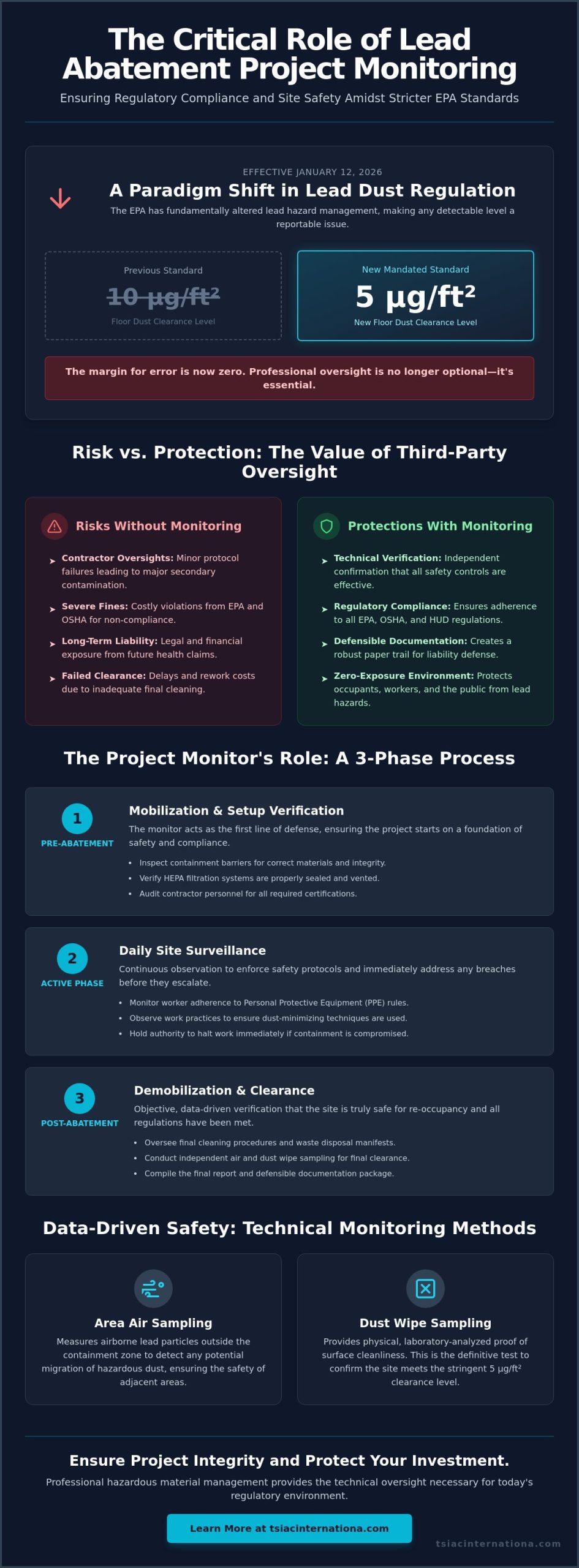
With the EPA now enforcing a zero-tolerance “detectable level” standard for lead dust as of January 12, 2026, the margin for error in property…

With the EPA now enforcing a zero-tolerance “detectable level” standard for lead dust as of January 12, 2026, the margin for error in property evaluation has effectively vanished. If you’re considering an older property, you likely feel the weight of responsibility regarding potential toxic exposure and the complexities of federal disclosure laws. It’s a valid concern for any diligent owner. This guide empowers you to master the technicalities of lead testing for home inspection, ensuring you protect your health, your investment, and your legal standing in a tightening regulatory environment.

You’ll gain a clear understanding of why a standard inspection differs from a specialized risk assessment and how advanced X-ray fluorescence (XRF) technology provides the non-destructive precision you need. We’ll outline the latest 2026 clearance levels and provide a methodical plan for remediation if hazards are detected. By moving beyond a simple pass or fail mindset, you can approach lead testing as a sophisticated risk-modeling exercise that secures the long-term safety of your property.

Key Takeaways

  • Distinguish between a standard home inspection and a specialized lead risk assessment to ensure all latent environmental hazards are accurately identified.
  • Evaluate the technical precision of X-ray Fluorescence (XRF) analyzers versus laboratory paint chip digestion for non-destructive and destructive testing scenarios.
  • Secure your contractual rights and legal standing by properly integrating a lead testing for home inspection contingency into your property purchase agreement.
  • Interpret complex laboratory results to prioritize the remediation of high-risk friction surfaces and impact zones that pose the greatest exposure risk.
  • Identify professional management strategies for detected lead, ranging from advanced encapsulation techniques to the selective demolition of contaminated structural components.

Understanding Lead Testing within the Home Inspection Framework

A standard home inspection provides a broad baseline of a building’s health, but it doesn’t typically encompass the technical rigor required for lead detection. General inspectors focus on structural integrity and mechanical functionality. They aren’t usually equipped with the specialized instrumentation or EPA certifications necessary for environmental hazard analysis. This gap creates a significant liability for buyers of older properties, as lead testing for home inspection requires a distinct, methodical approach to identify risks that aren’t visible to the naked eye. Relying solely on a generalist’s report often leaves property owners vulnerable to both health risks and future legal complications.

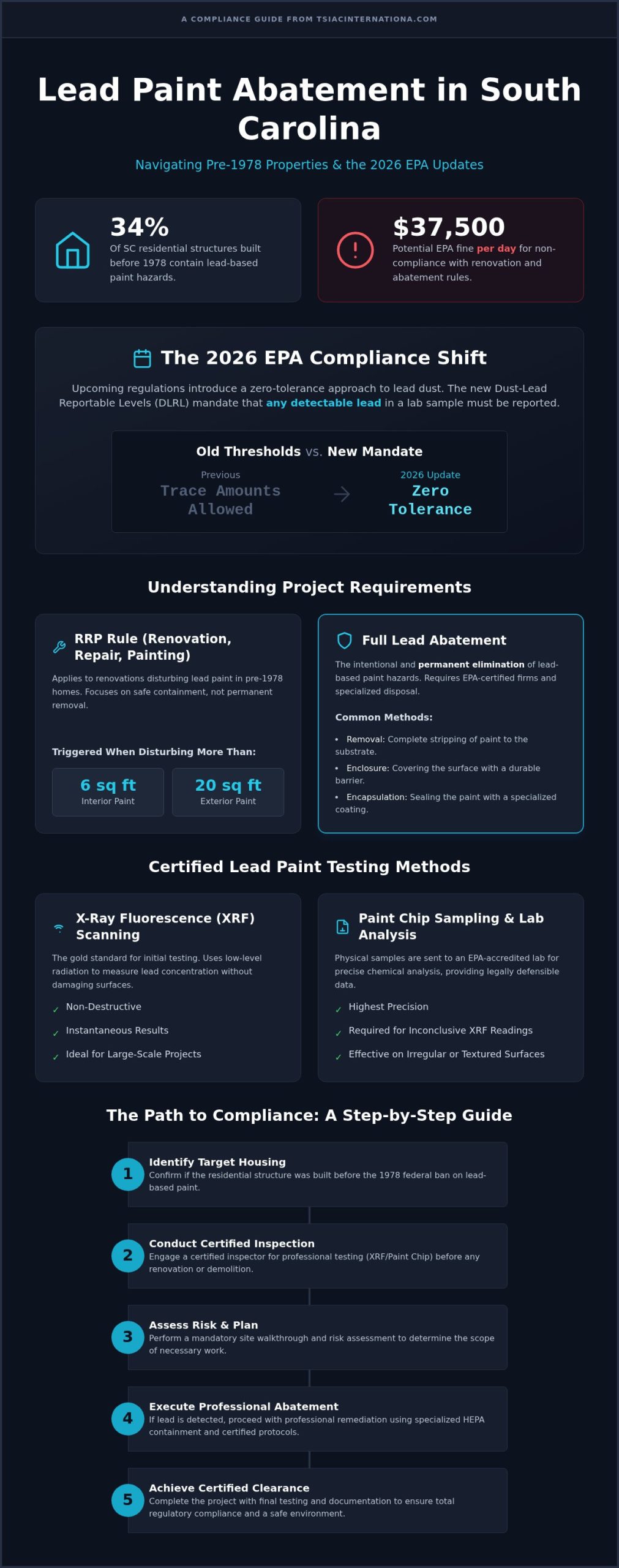
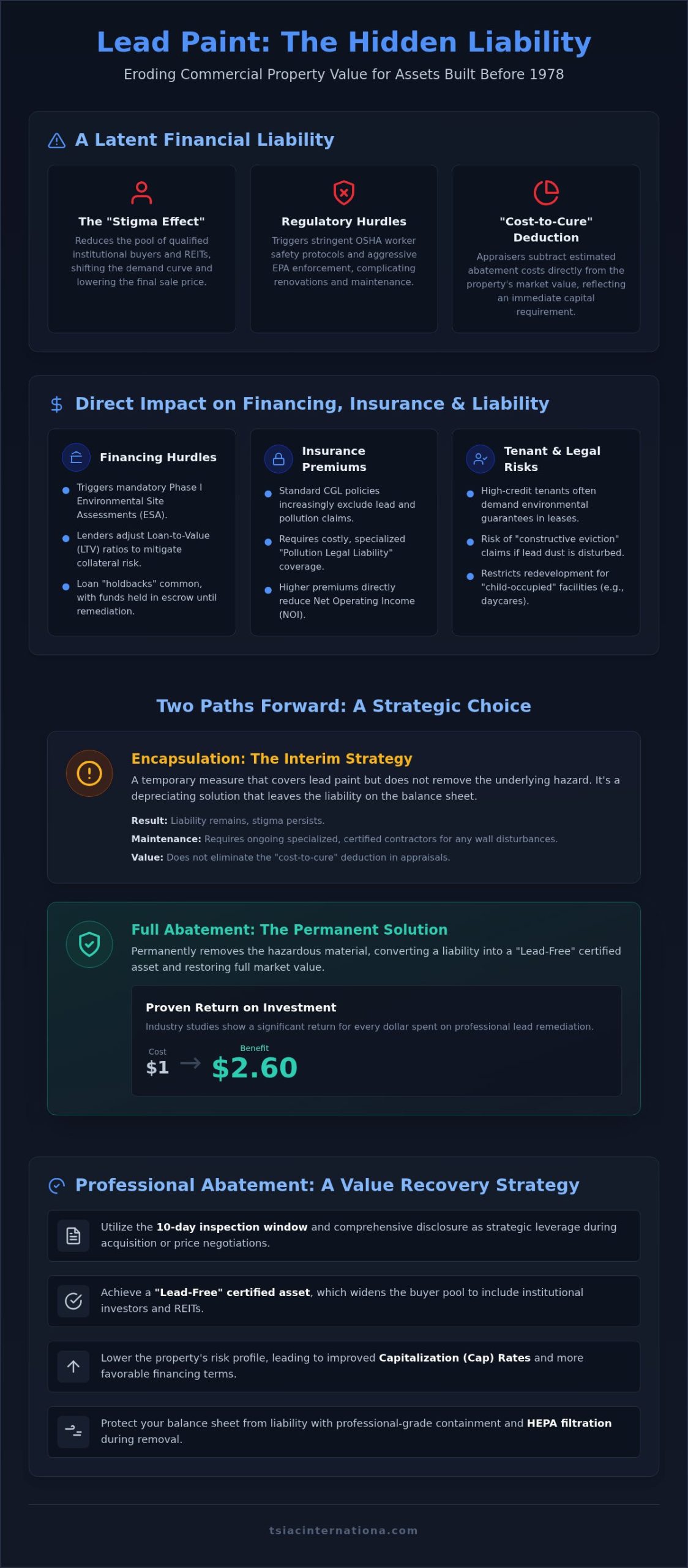
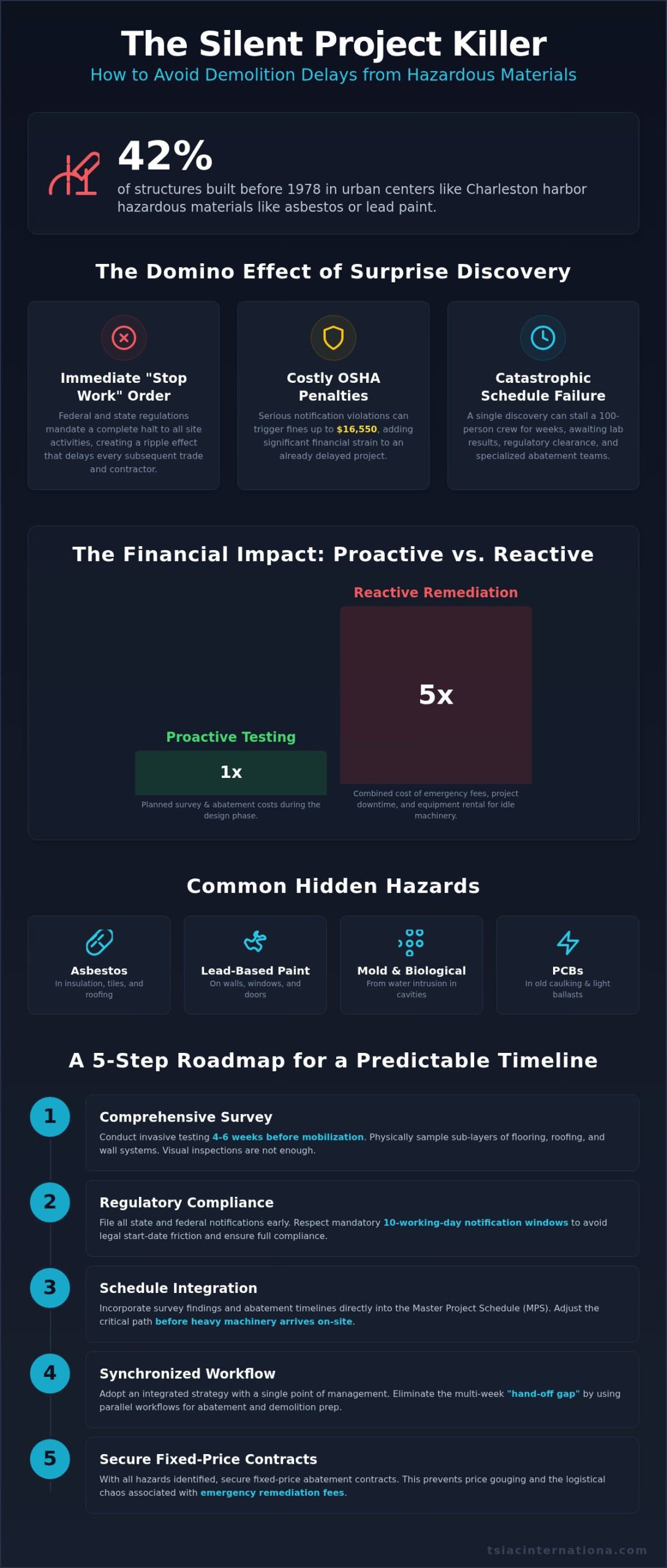
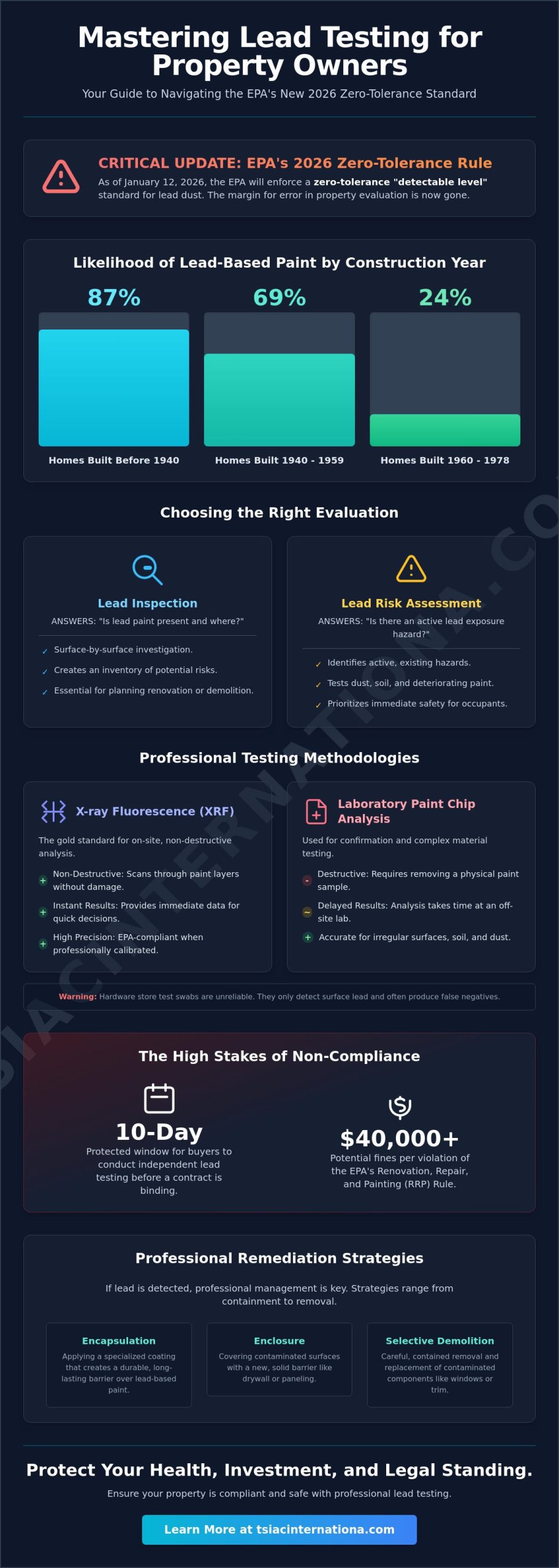
The historical context of the property dictates the necessity of these specialized services. Understanding the Prevalence of lead-based paint in U.S. homes is foundational for any modern owner. Statistics confirm that homes built before 1940 have an 87% likelihood of containing lead-based paint. Even for structures built between 1960 and 1978, the risk remains at 24%. In 2026, the return on investment for professional testing is clear. It prevents the astronomical costs of emergency abatement and ensures compliance with the latest EPA dust-lead standards, where any detectable level of lead dust is now a reportable hazard.

Lead Inspection vs. Lead Risk Assessment

A lead inspection is a surface-by-surface investigation. Its primary goal is to determine the presence and location of lead-based paint on every painted or finished component of the building. It’s an inventory of potential risks, which is essential if you’re planning a future interior gutting or selective demolition. A lead risk assessment is different; it identifies active hazards. This process evaluates deteriorating paint and tests dust and soil to see if lead is currently being released into the environment. Investors often choose an inspection for long-term planning, while families moving into a property should prioritize a risk assessment to ensure immediate safety.

The Legal Reality of Lead in Real Estate Transactions

Federal law requires sellers and landlords of pre-1978 housing to disclose known lead hazards and provide specific educational materials to occupants. Buyers have a protected 10-day window to conduct independent lead testing for home inspection before a contract becomes binding. You shouldn’t ignore this window. Findings from these tests can significantly impact property valuation and may even be a requirement for mortgage approval in certain jurisdictions. With EPA RRP Rule violation fines reaching up to $40,000, the legal stakes of failing to document and manage lead hazards have never been higher.

Technical Methodologies: XRF Analysis vs. Laboratory Sampling

The technical landscape of environmental hazard detection has shifted toward high-precision instrumentation that eliminates guesswork. In 2026, relying on hardware store test swabs is a significant liability. These reactive chemicals only detect lead on the outermost surface and often produce false negatives when lead is encapsulated under newer paint layers. Professional lead testing for home inspection utilizes two primary scientific paths: X-ray Fluorescence (XRF) and laboratory digestion. Each method serves a specific role in a methodical risk assessment.

X-ray Fluorescence (XRF) Technology Explained

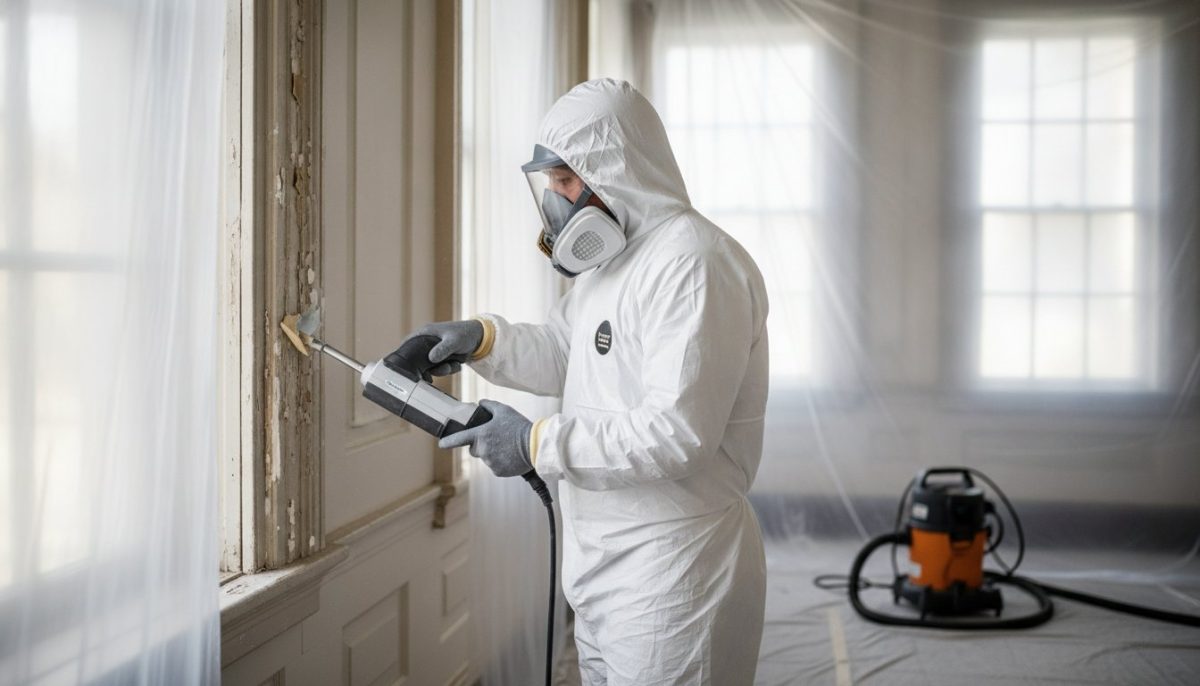
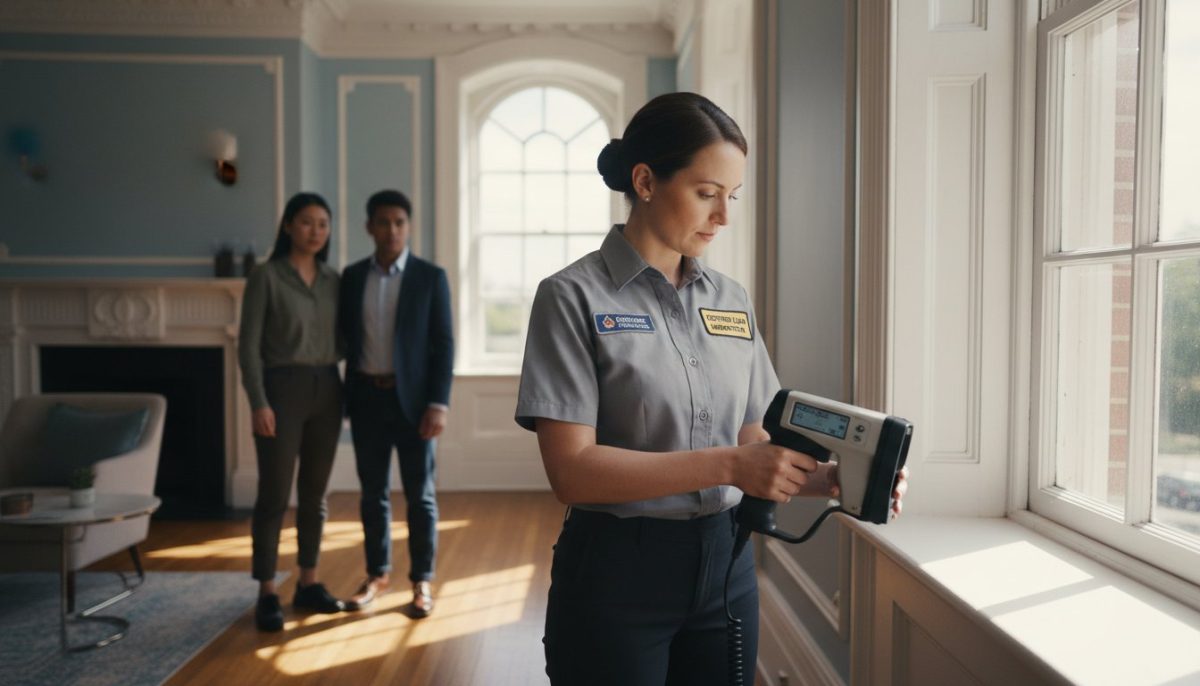
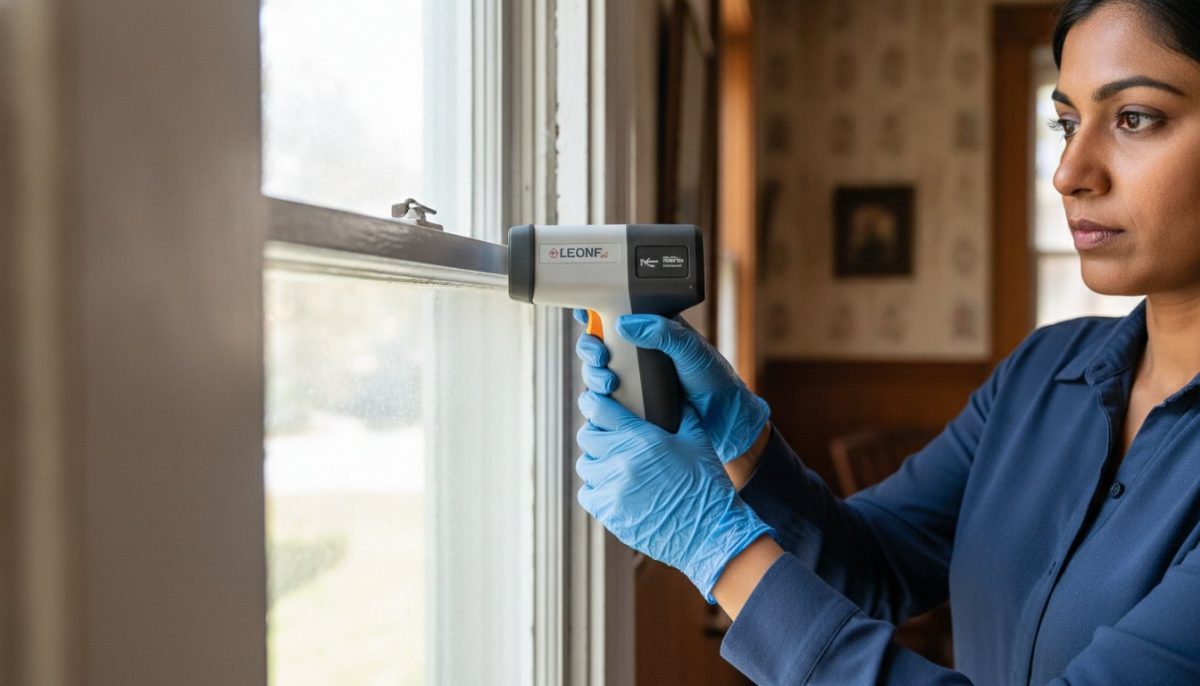
XRF analyzers are the gold standard for non-destructive testing. These handheld devices emit high-energy X-rays that penetrate through multiple layers of paint to excite lead atoms in the substrate. When these atoms return to a stable state, they emit a unique fluorescent signature that the device measures instantly. This allows a technician to scan an entire room, from baseboards to window casings, without damaging the property’s aesthetic finish or historic molding.

Precision depends on rigorous professional calibration. A certified inspector must verify the device against known standards before every session to ensure accuracy within the strict tolerances required by the EPA Lead-Based Paint Disclosure Rule. While XRF provides immediate data, complex cases involving irregular surfaces or contaminated soil may still require paint chip sampling. In these scenarios, a technician carefully removes a small sample for laboratory digestion, a process that provides a definitive lead concentration by weight.

The Limitations of Surface-Level Testing

Lead buried under five or ten layers of modern latex paint isn’t inert. It remains a structural hazard, particularly on friction surfaces like door frames and window sashes. Every time these components move, they grind the lead-based layers into microscopic dust. Under the new 2026 EPA standards, any detectable level of lead in dust on floors or windowsills is now a reportable hazard, making professional dust wipe sampling essential during the inspection process.

A comprehensive investigation must extend beyond the walls. It should include several critical vectors:

  • Dust Wipe Sampling: Capturing particles from high-traffic floors and sills to identify immediate inhalation risks.
  • Soil Analysis: Testing the perimeter of the foundation where exterior paint may have flaked and accumulated over decades.
  • Water Testing: Identifying lead leaching from older plumbing solder or service lines.

Identifying these risks early allows for a controlled response rather than an emergency intervention. If your results indicate systemic contamination, pursuing professional lead abatement is the most effective way to ensure the long-term structural safety and value of your asset.

Lead Testing for Home Inspection: The 2026 Property Owner’s Comprehensive Guide

The legal framework governing property transfers in the United States prioritizes transparency regarding environmental toxins. Under Section 1018 of Title X, sellers and landlords of housing built before 1978 are legally obligated to provide prospective buyers or tenants with the EPA-approved pamphlet “Protect Your Family from Lead in Your Home.” While earlier sections established the technical need for lead testing for home inspection, this legal requirement ensures that the right to information precedes the financial commitment. Exercising this right allows you to convert a passive disclosure into an active investigation of the property’s environmental profile.

Once lead is officially documented through professional testing, it becomes a permanent disclosure item for the life of the property. For landlords, this means providing specific lead hazard information to every new tenant before a lease is signed. For buyers, the presence of lead creates a clear path for contractual negotiation. Tenants also hold specific protections; they must be notified of any known lead-based paint or hazards before they are legally bound to a rental agreement. This shift in responsibility ensures that the burden of safety remains with the property owner, maintaining a standard of care consistent with 2026 regulatory expectations.

The Lead Inspection Contingency

A robust lead inspection contingency is more than a simple exit clause. It should be drafted to define exactly how findings will influence the final sale price or repair requirements. Rather than accepting an “as-is” condition, savvy buyers use detailed test results to demand professional remediation or structural credits. This contractual protection ensures that the buyer isn’t left absorbing the costs of managing legacy environmental hazards. By specifying the required qualifications for the inspector and the timeline for results, you create a transparent process that protects all parties involved in the transaction.

Documentation and Compliance

Maintaining a centralized record of your lead inspection report is essential for protecting the long-term equity of your asset. A “lead-safe” certification acts as a badge of quality, proving that the property has been managed with methodological precision. For owners managing multiple units or older structures, integrating these reports into a broader hazardous material abatement guide ensures consistent compliance across all regulatory layers. Adhering to the EPA guidelines on lead inspection and risk assessment provides the authoritative documentation necessary to mitigate future liability and streamline future resale processes.

Evaluating Risk: What Lead Test Results Mean for Your Property

Receiving a positive result from lead testing for home inspection is rarely a reason to terminate a real estate transaction. Instead, it serves as the foundation for a sophisticated risk-modeling exercise. You must distinguish between the presence of lead-based paint and the existence of lead-based paint hazards. Lead-based paint that is stable and undisturbed is a managed condition; a hazard is an active pathway for toxin exposure. Professional results categorize findings based on the component’s condition and its potential for future degradation, allowing you to prioritize interventions based on technical necessity rather than panic.

Prioritizing remediation requires an understanding of mechanical stress on building components. Friction surfaces, such as window sashes and door frames, generate microscopic dust through daily use. Impact surfaces, like baseboards or stair treads, are prone to chipping. Accessible chewable surfaces, particularly low window sills, pose the highest risk in environments with young children. While full removal is the most definitive solution, many owners opt for “interim controls.” This managed maintenance approach involves specialized repairs and rigorous monitoring to keep the lead-based paint in a non-hazardous state without the immediate cost of total abatement.

Intact vs. Deteriorated Paint

Intact lead paint can often be safely managed through professional encapsulation. This involves applying a specialized liquid coating that creates a long-lasting, impact-resistant bond over the lead-based layer. However, the situation changes once you see signs of “chalking,” “flaking,” or “peeling.” These are indicators that the paint film has failed. Environmental factors like high humidity in bathrooms or structural settling in older foundations can trigger new hazards in previously stable areas. When paint begins to deteriorate, the risk of lead dust accumulation increases exponentially, requiring immediate technical intervention.

Lead Dust: The Invisible Threat

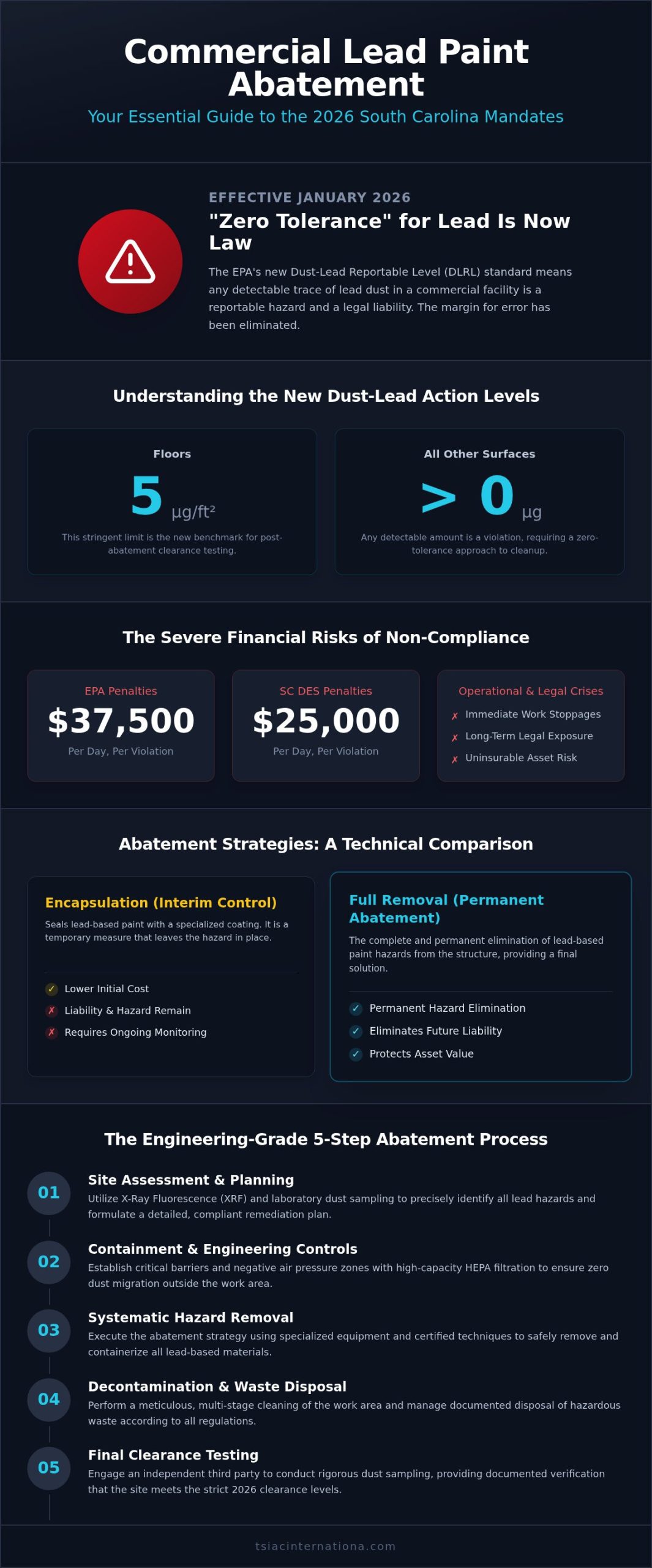
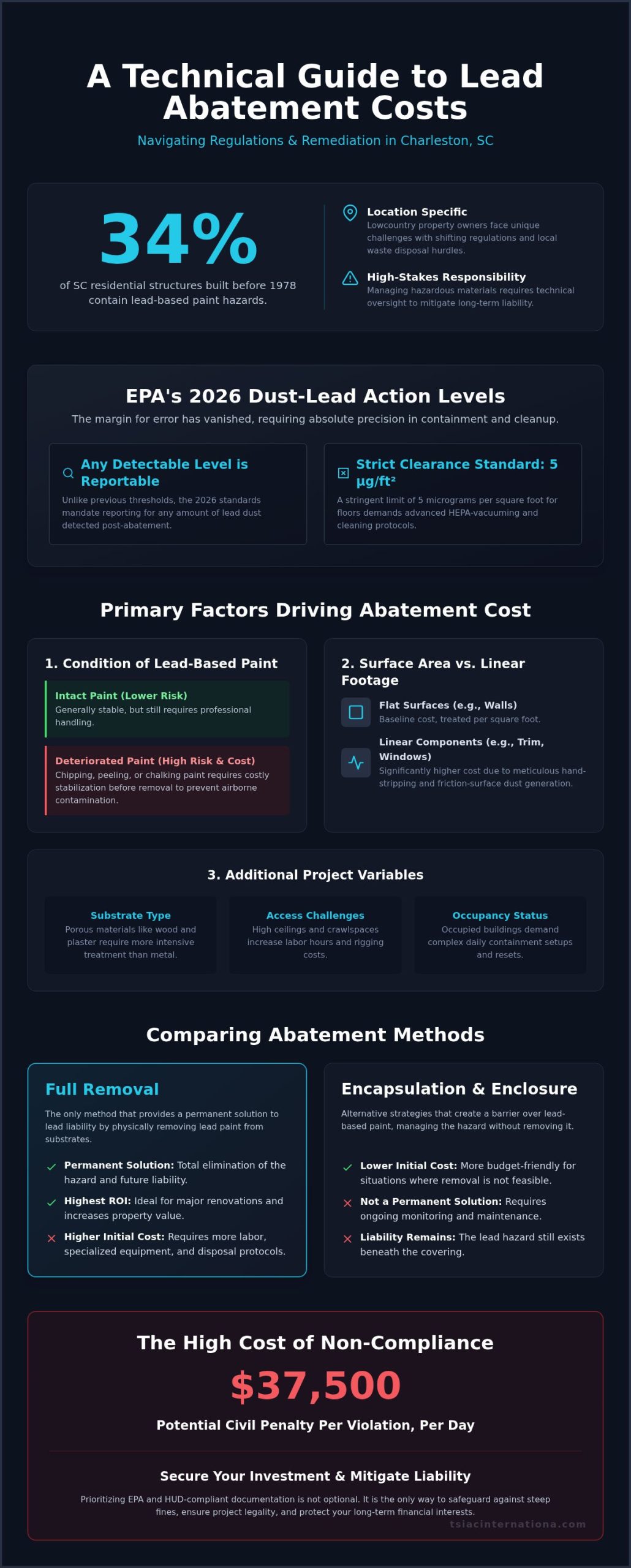
As of January 2026, the EPA has implemented a zero-tolerance policy for dust-lead hazards. Any detectable level of lead in dust on floors or window sills is now a reportable hazard. Following any disturbance or remediation, the Dust-Lead Action Level (DLAL) for clearance is strictly set at 5 micrograms per square foot (µg/ft²) for floors and 40 µg/ft² for window sills. These microgram thresholds are incredibly low; you cannot achieve them with standard household vacuuming. Standard vacuums often exhaust fine lead particles back into the air, exacerbating the problem. Professional cleaning protocols require industrial HEPA-filtered extraction and specialized wet-wiping techniques to meet these 2026 safety standards.

Understanding these results allows you to transform a liability into a managed asset. If your inspection reveals high-risk hazards on friction or impact surfaces, securing a professional lead abatement strategy is the most reliable way to protect your investment and ensure the health of all future occupants.

From Detection to Abatement: Professional Remediation Strategies

Once the diagnostic phase of lead testing for home inspection is complete, the transition from identification to remediation must be handled with surgical precision. Effective lead management follows a strict hierarchy of control: encapsulation, enclosure, and removal. While encapsulation involves sealing lead-based paint with specialized coatings and enclosure covers the hazard with new materials like drywall, permanent removal is often the most sound long-term investment. For high-risk components such as window sashes or decorative trim, selective demolition is frequently the most efficient path. This process involves the careful extraction of the contaminated component itself, eliminating the hazard at its source rather than merely managing it in place.

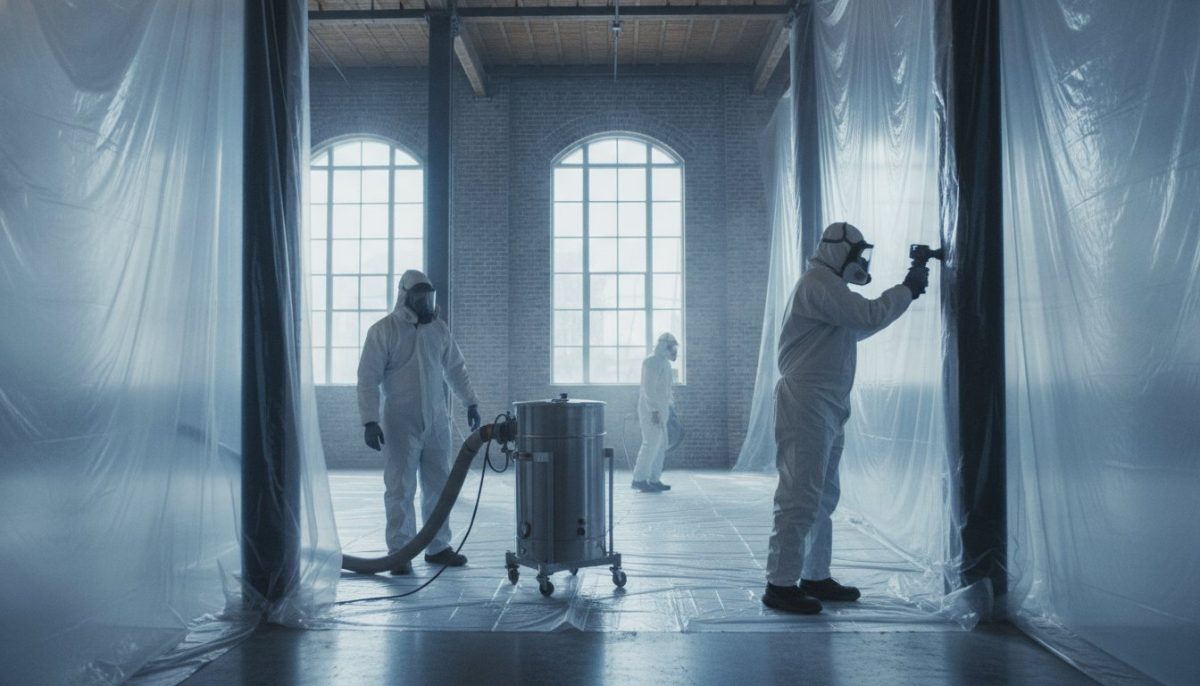
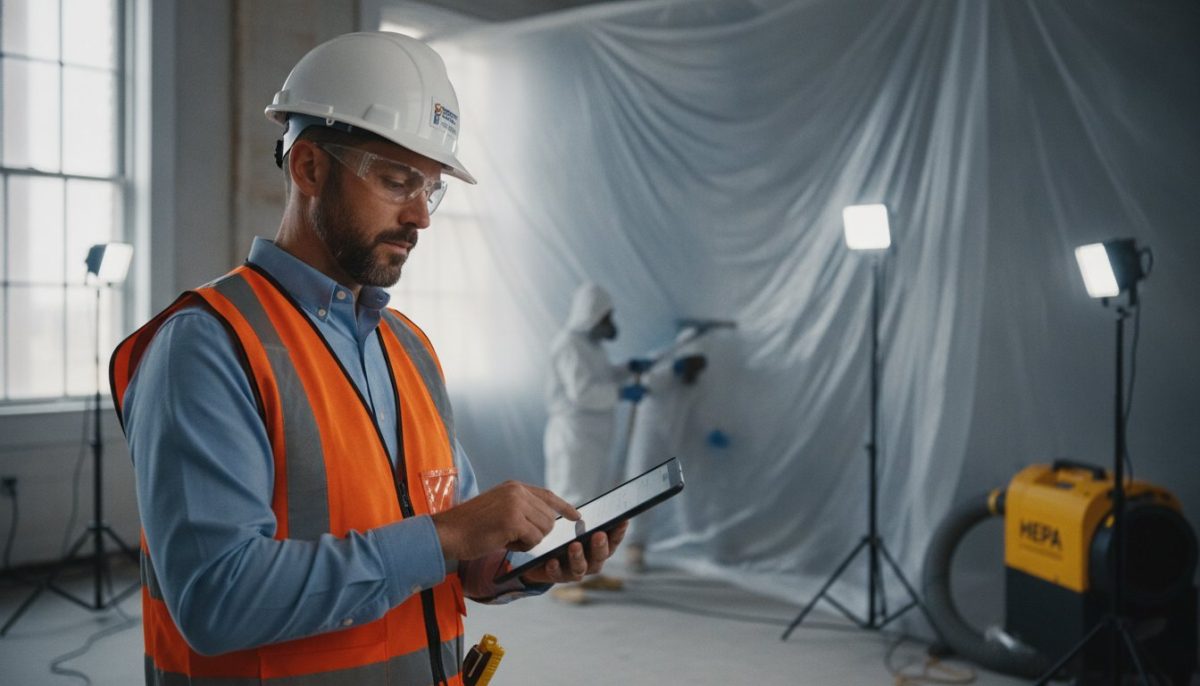
The technical execution of these strategies requires advanced containment protocols. By establishing negative air pressure within a sealed containment zone, technicians ensure that microscopic particles liberated during the removal process are captured by industrial HEPA filtration systems before they can migrate to non-work areas. This methodological rigor is what separates a professional abatement project from a standard renovation. The goal isn’t just to remove the paint, but to ensure the structural environment remains stable and uncontaminated throughout the entire lifecycle of the project.

Selecting a Certified Abatement Contractor

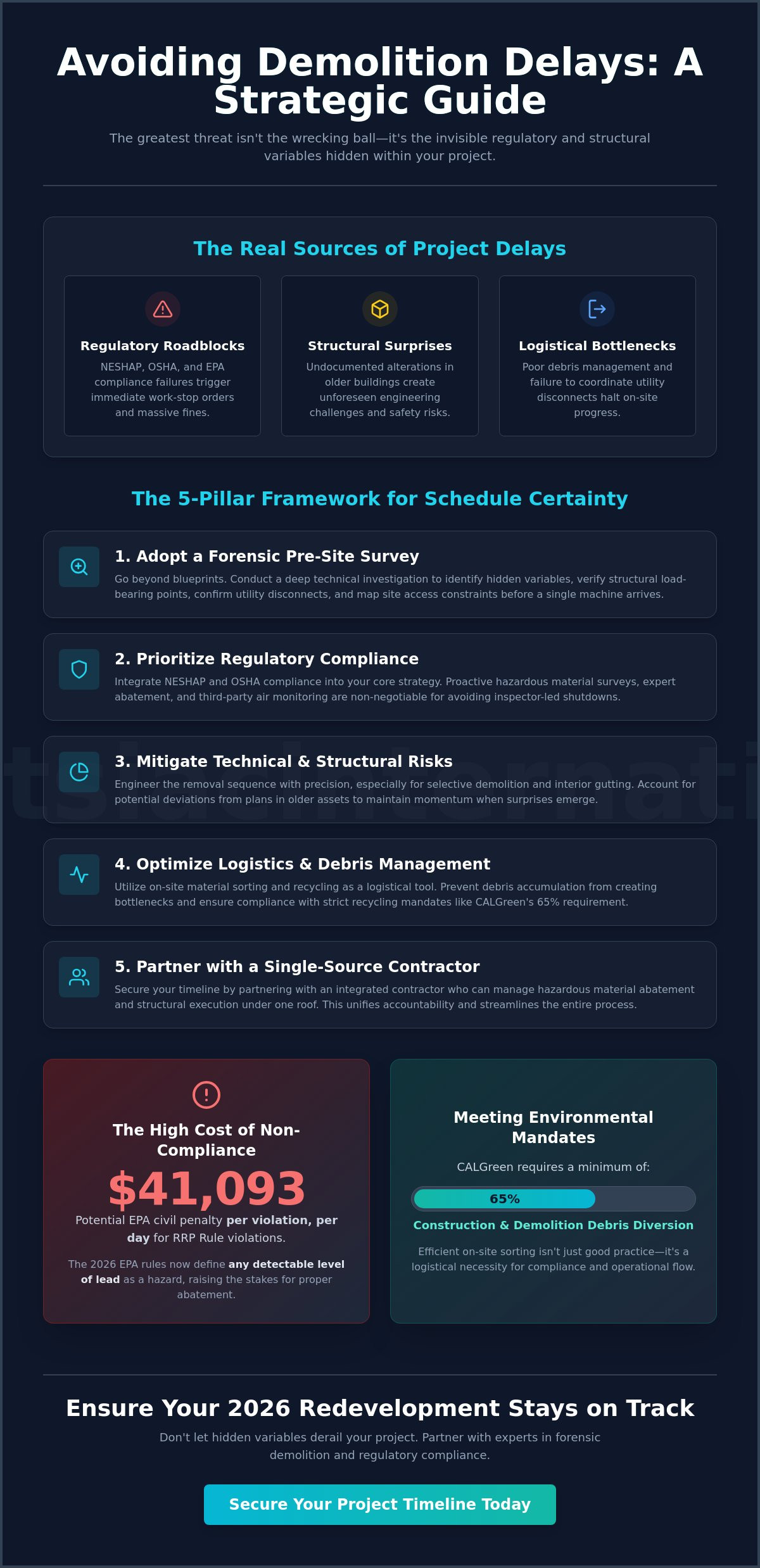
Property owners must verify that their chosen firm holds current EPA RRP (Renovation, Repair, and Painting) certifications. A general contractor may understand structural logic, but a hazardous material specialist understands the molecular behavior of toxins and the legal requirements for their disposal. Before beginning any work, it’s essential to review the asbestos and lead safety regulations that govern these high-risk environments. This ensures that your project complies with both state and federal mandates, protecting you from the $40,000 fines associated with non-compliant work practices.

The Abatement Process: What to Expect

Site preparation is the most critical phase of the remediation timeline. Technicians will seal HVAC vents and utilize heavy-duty plastic sheeting to isolate the work zone. During the removal phase, professionals use wet scraping or mechanical HEPA sanding to minimize dust generation. Following the physical removal, the site undergoes a multi-stage decontamination process. This leads to the final clearance testing, where an independent professional verifies that dust-lead levels meet the 2026 standards of 5 µg/ft² for floors and 40 µg/ft² for window sills before the area is cleared for re-occupancy.

Why Professional Intervention is Mandatory

Attempting DIY lead removal is a high-risk gamble that often results in greater contamination than the original hazard. Uncertified sanding or dry scraping releases clouds of invisible toxic dust that settle into carpets and ventilation systems, creating a persistent health threat. Beyond the physical risks, uncertified work can void your property insurance and create massive legal liabilities during future resale. For homeowners and investors, the choice is clear. Contact TSIAC International today to secure expert structural and hazardous remediation services that guarantee the safety and value of your property.

Securing Your Property’s Future with Technical Precision

Managing a property in 2026 requires more than just awareness; it demands a methodical approach to environmental safety. By prioritizing professional lead testing for home inspection, you move beyond guesswork and into a data-driven strategy for risk mitigation. You’ve seen that while lead remains a significant technical challenge, it’s entirely manageable through high-precision analysis and certified abatement protocols. These procedures don’t just protect occupants. They safeguard your financial investment and ensure your legal standing remains unassailable.

When you’re ready to transition from detection to permanent solutions, partnering with an industry leader is essential. Consult with TSIAC International for Professional Abatement Solutions to leverage over 15 years of expertise in hazardous material remediation. Our certified specialists provide comprehensive lead and asbestos abatement alongside specialized structural and selective demolition services. We provide the technical mastery needed to return your property to a safe, compliant, and valuable state. Take control of your property’s environmental health today with a partner you can trust.

Frequently Asked Questions

Is lead testing included in a standard home inspection?

Standard home inspections don’t include specialized lead detection. General inspectors evaluate structural integrity and mechanical systems; they aren’t required to hold the EPA environmental certifications necessary for hazard analysis. Professional lead testing for home inspection requires calibrated XRF technology or laboratory sampling that falls outside the scope of a basic property assessment.

How much does a professional lead inspection cost in 2026?

Professional evaluation costs vary depending on the property’s square footage and the complexity of the testing required. A comprehensive risk assessment that includes soil analysis and dust wipe sampling represents a higher technical investment than a basic surface inspection. You should request a detailed quote that accounts for the specific number of painted components in your structure to ensure an accurate budget.

Can I test for lead-based paint myself using a store-bought kit?

Store-bought chemical swabs aren’t reliable for professional or legal documentation. These kits only detect lead on the outermost surface and frequently produce false negatives when lead is buried under newer paint layers. They don’t meet the rigorous scientific standards required for federal disclosure or compliance with the 2026 EPA dust-lead reportable levels.

What happens if lead is found during a home inspection?

Finding lead allows you to exercise your rights under the lead inspection contingency in your real estate contract. You can utilize the results to negotiate for professional remediation or a reduction in the sale price to cover future management costs. Once lead is officially documented, it must be disclosed to all future buyers or tenants of the property.

How long does a lead inspection take to complete?

A professional evaluation typically takes between two and four hours for a standard single-family home. The use of handheld XRF analyzers allows for rapid, non-destructive data collection across all interior and exterior surfaces. If the technician needs to collect paint chips for laboratory digestion, you can expect a few additional business days for the final report.

Does lead paint always have to be removed if it’s found?

Full removal isn’t the only option if the lead-based paint is in good condition. Intact paint that isn’t on a friction surface can often be safely managed through professional encapsulation or enclosure. However, if the coating is flaking or located on high-impact areas like door frames, intervention is necessary to prevent the release of toxic particles into the environment.

What is the difference between a lead inspection and a lead risk assessment?

An inspection identifies the exact location of all lead-based paint throughout the building’s structure. A risk assessment is more specialized; it evaluates the severity of active hazards, such as contaminated dust or soil, and provides a methodical plan for remediation. Most property owners choose a risk assessment to ensure the immediate health of their family or tenants.

How often should I re-test my home for lead hazards?

You should consider a re-test if the property undergoes structural settling or if you notice any new paint deterioration. It’s also vital to perform clearance testing after any renovation that disturbs painted surfaces. Regular visual monitoring of high-friction areas like windows and doors helps you identify new risks before they reach hazardous levels.

Commercial Asbestos Abatement: The 2026 Strategic Guide for Facility Managers

Approximately 92% of construction firms now report significant difficulty finding qualified professionals to handle hazardous materials. This labor…

Approximately 92% of construction firms now report significant difficulty finding qualified professionals to handle hazardous materials. This labor shortage, combined with an 8% to 12% increase in project costs this year, means that commercial asbestos abatement is no longer just a safety requirement; it’s a high stakes logistical challenge. You’re likely feeling the pressure of the May 28, 2026, deadline for phasing out asbestos sheet gaskets while trying to avoid the heavy EPA fines and project delays that stem from poor containment strategies.

We understand that your primary goal is to maintain project continuity while protecting your occupants and your balance sheet. This strategic guide provides the technical roadmap you need to master these complexities; ensuring your site achieves full regulatory clearance and a seamless transition to the next construction phase. We’ll examine the 2024 EPA rulings, current market pricing for large scale projects, and the specialized engineering methods required to integrate abatement with selective demolition for maximum efficiency.

Key Takeaways

  • Understand why commercial asbestos abatement requires industrial-scale engineering and rigorous containment protocols that far exceed standard residential cleanup methods.
  • Learn how to utilize advanced engineering controls, including negative air machines and polyethylene barriers, to maintain site safety and prevent hazardous fiber migration.
  • Protect your facility from long-term legal liability by ensuring a documented “Chain of Custody” for all hazardous waste identification and disposal.
  • Master the critical phases of the abatement lifecycle, from initial bulk sampling to final site clearance, to keep your project timeline and budget on track.
  • Identify the strategic advantages of integrating asbestos removal with selective demolition to reduce project friction and ensure a seamless transition to the next phase of construction.

What is Commercial Asbestos Abatement? Defining the Scope in 2026

Professional commercial asbestos abatement is the systematic identification, containment, and removal of asbestos-containing materials (ACM) within industrial and commercial frameworks. While residential projects often focus on small-scale flooring or siding, commercial operations are complex engineering phases that require high-level precision to manage structural steel fireproofing, HVAC insulation, and industrial flooring. To understand the foundational procedures and occupational risks involved, facility managers should review the technical overview of What is Asbestos Abatement? to grasp why these projects demand specialized contractors.

The regulatory environment in 2026 is exceptionally rigid. Following the EPA final rule issued on March 28, 2024, the industry has shifted toward a total prohibition of chrysotile asbestos. As of May 28, 2024, the manufacture and commercial use of this material became restricted, with a critical compliance deadline for asbestos sheet gaskets set for May 28, 2026. Facility managers must navigate these EPA NESHAP and OSHA requirements with absolute accuracy. Failure to align with these dates can halt a project entirely, especially as the U.S. Court of Appeals reviews ongoing legal challenges in June 2026.

The Legal and Financial Stakes of Non-Compliance

Managing hazardous materials falls under the doctrine of strict liability. This means a facility owner is responsible for exposure or environmental contamination regardless of intent or perceived negligence. Fines from the EPA or OSHA can reach tens of thousands of dollars per day, but the secondary costs are often more damaging. Stop-work orders during a renovation can derail construction timelines, while unresolved asbestos issues significantly diminish property value and future insurability. A professional approach ensures that liability is transferred through a documented chain of custody and proper disposal protocols.

Friable vs. Non-Friable Asbestos in Industrial Settings

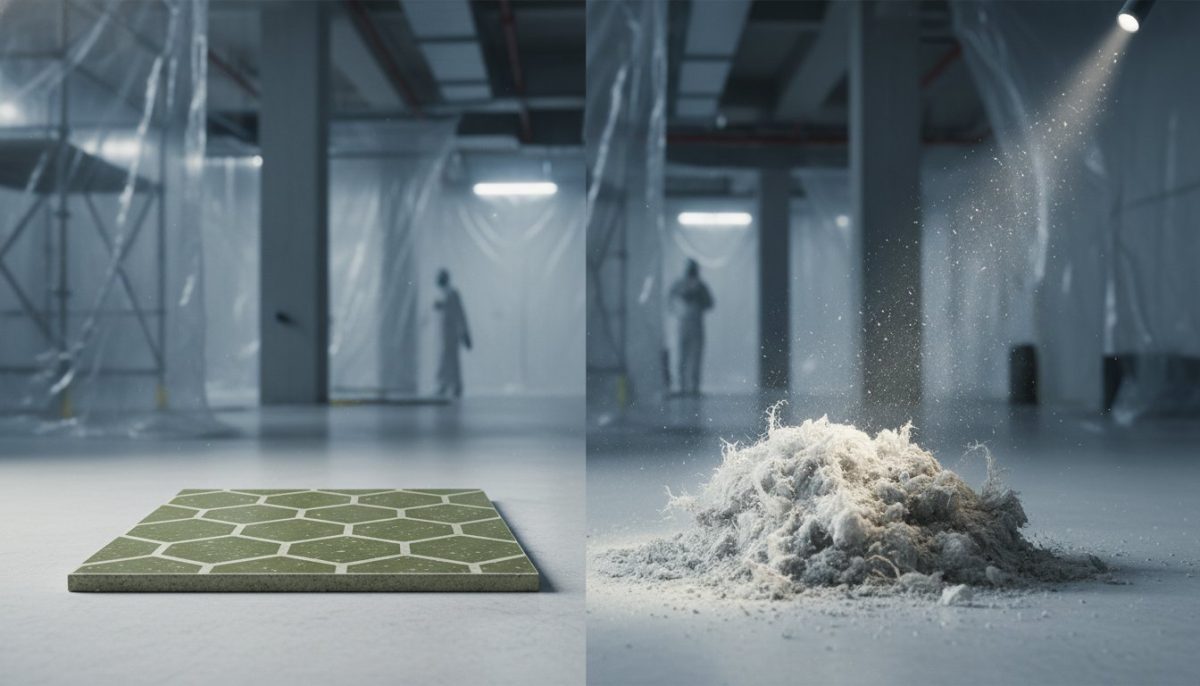
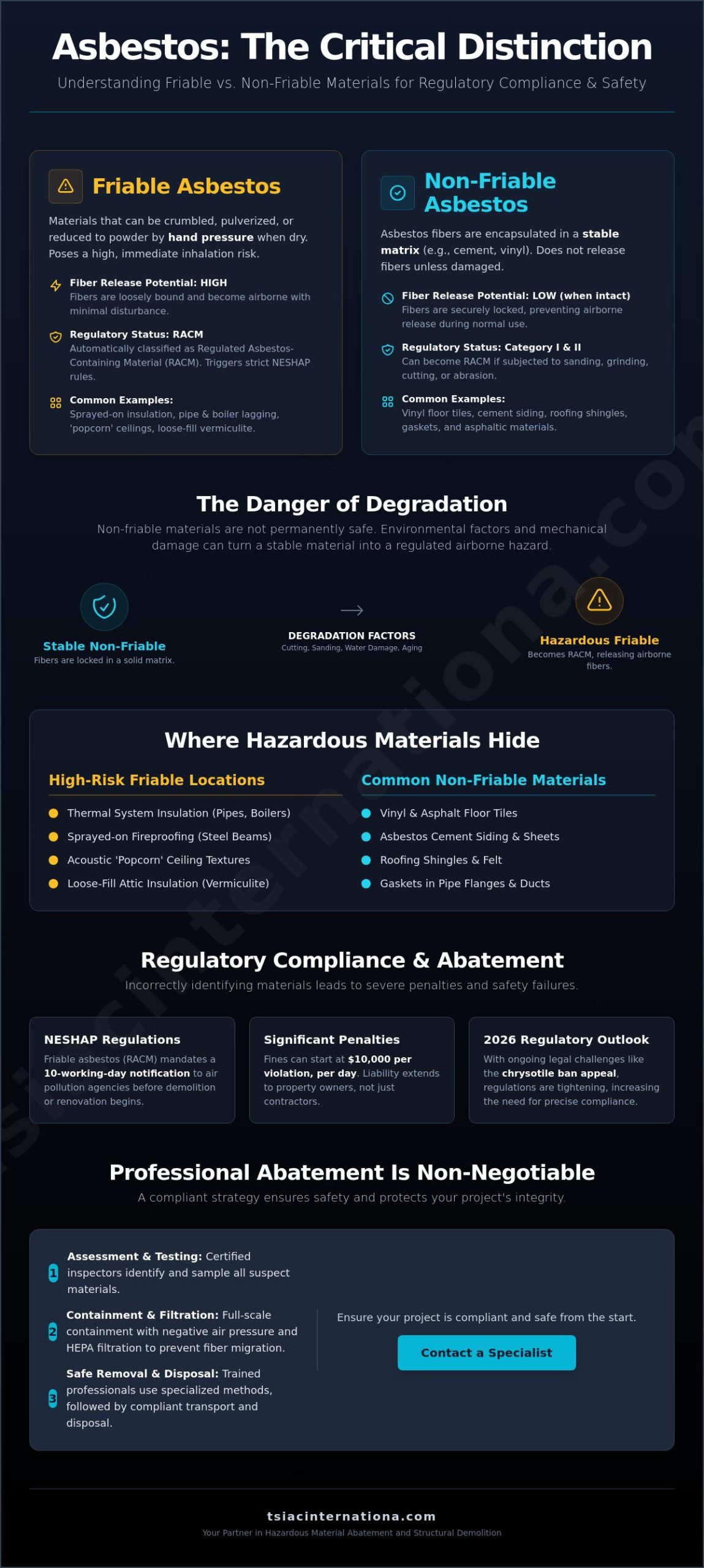
The distinction between friable and non-friable materials dictates the engineering controls required on a job site. Non-friable materials, such as vinyl floor tiles, are stable unless they’re subjected to mechanical force. However, high-risk zones like boiler rooms and mechanical penthouses often contain friable insulation that poses a severe threat. Friable asbestos in commercial high-traffic zones refers to any material that, when dry, can be crumbled or reduced to powder by hand pressure, creating an immediate inhalation risk for occupants. Proper containment in these areas isn’t optional; it’s a structural necessity for the safety of the entire facility.

Engineering Controls: How Large-Scale Abatement Works

Large scale commercial asbestos abatement is an exercise in pressure differentials and physical isolation. We don’t just remove material; we re-engineer the environment to ensure zero fiber migration. This process begins with the construction of critical barriers. High-durability polyethylene sheeting, typically 6-mil thickness, is used to seal every opening, from windows to electrical outlets. These seals must be airtight to withstand the mechanical stress of negative pressure. It’s a technical foundation that ensures the safety of the entire structure.

The core of this containment strategy is the Negative Air Machine (NAM). These units pull air through HEPA filters and exhaust it outside the building, creating a vacuum effect. This ensures that if a seal were to fail, air would rush into the containment area rather than toxic dust escaping into the facility. For personnel and waste transfer, we utilize multi-stage decontamination units. These systems feature separate chambers for suit removal, showering, and clean dressing, acting as a technical airlock between the work zone and the rest of the building.

Industrial HEPA Filtration and Air Exchange Standards

Efficiency is measured by the ability to capture microscopic particles. We utilize HEPA filtration systems that are certified at 99.97% efficiency for particles as small as 0.3 microns. In high-ceiling industrial spaces, the calculation of air exchange rates is critical. We aim for a minimum of four air changes per hour to maintain a safe environment. Real-time air quality monitoring is conducted throughout the shift to verify that these engineering controls are functioning as intended. Adhering to Federal Asbestos Regulations ensures that these technical benchmarks meet the highest safety standards during every phase of the project.

Occupant Safety and Business Continuity

Maintaining business continuity during commercial asbestos abatement requires a surgical approach to HVAC management. We physically disconnect and seal ductwork serving the abatement area to prevent cross-contamination with occupied zones. Third-party industrial hygiene monitoring provides an objective layer of safety verification, offering peace of mind to your staff and stakeholders. If you’re planning a phased renovation, our team can help you design a custom abatement strategy that minimizes operational downtime. We focus on keeping your facility running while we manage the hazards.

Wet removal techniques are also essential for source control. By saturating asbestos-containing materials with amended water or surfactants at the point of contact, we significantly reduce the concentration of airborne fibers before they can even reach the filtration system. This multi-layered approach is what separates professional industrial engineering from basic cleanup services. It’s about controlling the environment with absolute precision.

Commercial Asbestos Abatement: The 2026 Strategic Guide for Facility Managers

Mitigating Risk: Why Professional Abatement is a Financial Necessity

Facility managers often view commercial asbestos abatement as a line item to be minimized. However, selecting a contractor based solely on the lowest bid frequently leads to catastrophic financial outcomes. These hidden costs manifest as failed air clearance tests, multi-week project delays, and permanent legal exposure. A professional contractor does more than remove hazardous materials; they facilitate a total transfer of liability through a rigorous “Chain of Custody” protocol. This system ensures that every ounce of toxic waste is tracked from the point of origin to a certified disposal facility, protecting the asset owner from future litigation under EPA Asbestos Regulations.

Expert containment also accelerates the subsequent phases of a renovation or teardown. When abatement is performed with engineering precision, the site is handed over for structural or selective demolition in a pristine state, eliminating the need for costly re-clearing. Most commercial insurance policies explicitly require certified abatement professionals to maintain coverage. Using uncertified labor can void your liability protection instantly, leaving the facility owner to absorb the full cost of any accidental exposure or environmental contamination.

Avoiding the Pitfalls of Improper Removal

Secondary contamination is the most severe risk of amateur abatement. If fibers escape a poorly constructed containment zone, the cost of decontaminating an entire high-rise or industrial complex can easily exceed the original project budget. Improper disposal in non-certified landfills also carries criminal and civil penalties that can haunt a corporation for decades. On average, a single contamination breach increases total project costs by 40% due to emergency remediation and legal fees.

The Role of Regulatory Documentation

Precision in documentation is as important as precision in the field. Waste Shipment Records (WSR) serve as the permanent legal proof of compliant disposal and are required for long-term facility records. These close-out reports are often a mandatory prerequisite for obtaining structural demolition permits from local municipalities. For a detailed look at how these rules apply in specific jurisdictions, see our analysis of hazardous material abatement in South Carolina. This level of transparency ensures that facility managers can defend their compliance status during any future audit or property transaction. We provide the technical evidence required to prove that your commercial asbestos abatement project was executed to the highest engineering standards.

The 5-Step Lifecycle of a Commercial Abatement Project

Executing a commercial asbestos abatement project requires more than just manual labor; it’s a phased engineering operation that demands absolute sequence control. Each stage is designed to eliminate environmental risk while preparing the structure for its next lifecycle phase. Skipping a single verification step can lead to containment failure or legal complications during the final handoff. A disciplined approach ensures that the project moves from initial identification to final air clearance without the friction of unexpected delays.

  • 1. Comprehensive Asbestos Survey: Technicians map every square foot of the facility, using bulk sampling and laboratory analysis to identify all asbestos-containing materials (ACM).
  • 2. Site Preparation and Containment: We construct a physical “bubble” using 6-mil polyethylene and establish negative air pressure to isolate the work zone.
  • 3. Precision Removal: Teams systematically extract materials using specialized industrial tools and wet-removal techniques to keep fiber counts at the lowest possible levels.
  • 4. Final Cleaning and Encapsulation: After bulk removal, we perform multi-pass HEPA vacuuming and apply high-grade encapsulants to seal any remaining surfaces.
  • 5. Independent Clearance Testing: A third-party industrial hygienist conducts rigorous air sampling to verify the area meets all safety standards for re-entry.

Phase 1: The Pre-Abatement Survey

A standard maintenance survey is rarely sufficient for major renovations. A comprehensive pre-demolition inspection is required to identify “hidden” asbestos often found in wall cavities, internal duct linings, or underground piping systems. By uncovering these materials before the first hammer swings, we prevent the “change orders” and budget spikes that derail poorly planned projects. Accurate data at this stage is the only way to guarantee a fixed-cost estimate for the entire commercial asbestos abatement process.

Phase 5: Achieving Final Clearance

The project isn’t finished until an independent lab issues a “Safe for Re-entry” certificate. We typically recommend Transmission Electron Microscopy (TEM) over the more common Phase Contrast Microscopy (PCM) for high-stakes commercial environments. TEM provides a much higher level of analytical resolution, identifying the smallest fibers that PCM might miss. This certificate carries significant legal weight, serving as your primary defense against future liability claims. Once clearance is achieved, we provide a clean handoff to the demolition or renovation team, ensuring they can work in a 100% hazard-free environment. If you need to begin this process immediately, you can request a technical site assessment to define your project scope with engineering precision.

Managing these five steps with a single, experienced partner reduces the risk of communication gaps between the survey team and the removal crew. It ensures that the technical specifications established in the first phase are executed perfectly in the third, leading to a guaranteed pass in the fifth. This continuity is what protects your timeline and your occupants.

The TSIAC Advantage: Integrating Abatement with Selective Demolition

Efficiency in commercial asbestos abatement is frequently compromised during the handoff between specialized vendors. When a facility manager hires one firm for hazardous material removal and another for structural work, communication gaps lead to schedule friction and increased liability. We eliminate these bottlenecks by providing a unified engineering solution. By integrating abatement with selective demolition, we maintain a single point of accountability from the first air sample to the final structural modification. This approach ensures that technical requirements align perfectly with mechanical needs.

Selective demolition is a surgical process. It isn’t about a wrecking ball; it’s about the controlled removal of specific components to preserve the integrity of the remaining structure. Our teams utilize 15 years of engineering experience to navigate complex industrial environments where precision is the baseline. We don’t just clear the site. We prepare it for its next purpose with a level of accuracy that only a dual-specialty contractor can provide. This synchronized workflow allows for faster site turnover and a significant reduction in total project overhead.

Maximizing Efficiency Through Selective Gutting

Older commercial assets often contain hidden pockets of hazardous materials within wall cavities or floor assemblies. Our commercial interior gutting services are designed to strip these interiors to the studs while simultaneously managing toxic risks. We’ve executed this integrated model on large scale office complexes and industrial plants where stripping 100,000 square feet of interior space requires a disciplined, rhythmic approach. This prevents the delays that occur when a demolition crew accidentally encounters unidentified ACM and has to wait for a separate abatement team to mobilize.

Environmental Stewardship and Waste Management

Engineering precision also extends to our environmental impact. We don’t view debris as a single waste stream. Instead, we meticulously sort non-contaminated materials, such as metal framing, concrete, and wood, to divert up to 70% of project waste from landfills. This commitment to recycling reduces disposal costs and aligns your project with modern sustainability standards. We handle metal and concrete in close proximity to active abatement zones using specialized dust suppression and isolation techniques. For a deeper look at these technical protocols, you can review our guide on the demolition process in South Carolina. We provide the technical expertise to solve the site challenges that others avoid. This ensures your commercial asbestos abatement and demolition project is completed with absolute engineering precision.

Mastering the Technical Transition to a Hazard-Free Facility

Success in 2026 relies on viewing hazardous material removal not as a standalone obstacle, but as a critical engineering phase. By integrating commercial asbestos abatement with selective demolition, you eliminate the friction of vendor handoffs and ensure your project remains on schedule. Our 15+ years of hazardous material expertise allows us to navigate the most complex industrial environments with the precision your asset deserves. We don’t just clear a site; we prepare it for its next lifecycle with absolute technical certainty.

We provide the comprehensive documentation and engineering controls required for total regulatory compliance, backed by the security of being a fully bonded and insured partner for large-scale commercial contracts. This technical rigor protects your occupants and your bottom line from the risks of secondary contamination. Secure your facility with professional abatement; contact TSIAC International today. We’re ready to bring engineering-grade precision to your most challenging site requirements, ensuring a safe and seamless transition to your next phase of construction.

Frequently Asked Questions

Is it possible to isolate commercial abatement areas while tenants remain in other parts of the building?

Yes, it’s possible to isolate commercial asbestos abatement zones using airtight critical barriers and negative air machines. We establish a pressure differential that prevents fibers from migrating into occupied spaces. By sealing HVAC ducts and using multi-stage decontamination units, we ensure the rest of the building remains safe and operational throughout the project. This engineering approach allows for phased renovations without requiring total building evacuation.

How long does a typical commercial asbestos abatement project take to complete?

Project timelines vary based on the square footage and the type of material being removed. A mid-size commercial project might take one to three weeks, while large-scale industrial sites can span several months. Factors like the complexity of the containment bubble and the required air clearance testing phases significantly influence the final schedule. We provide a detailed technical timeline after the initial pre-abatement survey is finalized.

What happens if asbestos is discovered mid-project during a renovation?

Work must stop immediately if suspect material is discovered mid-project. The area should be sealed to prevent fiber release and a certified technician must collect bulk samples for lab analysis. If the tests are positive for ACM, a formal abatement plan is required before renovation can resume. This immediate response prevents the massive costs associated with total building decontamination and potential legal exposure for the property owner.

Can commercial asbestos abatement be performed at night or on weekends to avoid disruption?

Yes, we frequently schedule abatement activities during nights or weekends to minimize business disruption. This allows facility managers to maintain normal operations during business hours while we handle hazardous removals in a controlled environment. Off-hours work also simplifies the coordination of waste transport and personnel movement through high-traffic zones, ensuring a more efficient project lifecycle for active commercial assets.

What is the difference between asbestos abatement and asbestos encapsulation?

Abatement involves the physical removal and disposal of asbestos-containing materials from the structure. Encapsulation is the process of sealing the material with a specialized liquid sealant to prevent fiber release. While encapsulation costs less, typically $2 to $6 per square foot in 2026, removal is the only permanent solution that eliminates future liability and allows for subsequent structural demolition or interior gutting.

How do I know if my building needs a pre-demolition asbestos survey?

Federal NESHAP regulations require a thorough inspection before any renovation or demolition of a commercial facility. This applies regardless of the building’s age, as asbestos was used in industrial materials well into the late 20th century. A comprehensive survey identifies hidden ACM in wall cavities and mechanical systems, which is a mandatory step for obtaining legal demolition permits and ensuring worker safety.

What are the specific OSHA training requirements for workers on a commercial abatement site?

Workers on a commercial asbestos abatement site must complete a 40-hour initial training course and participate in annual 8-hour refresher sessions. OSHA also requires medical surveillance for employees exposed to asbestos above permissible limits. These regulations ensure that every person in the containment zone understands the technical protocols for personal protection, hazardous waste handling, and the maintenance of negative pressure environments.

How does the presence of asbestos affect the cost of structural demolition?

Asbestos significantly increases demolition costs because it must be removed before structural teardown can begin. Specialized labor, containment materials, and hazardous waste disposal fees add a layer of expense that standard demolition doesn’t require. Integrating these services with a single contractor can help mitigate these costs by streamlining the project lifecycle and reducing the mobilization fees associated with hiring multiple specialized firms.

How to Test for Asbestos in Walls: A Professional 2026 Safety Guide

A single microscopic asbestos fiber can remain airborne for up to 72 hours, which means the margin for error during a structural renovation is…

A single microscopic asbestos fiber can remain airborne for up to 72 hours, which means the margin for error during a structural renovation is effectively zero. You’re right to feel a sense of caution when approaching older properties, especially since the EPA’s March 2024 final rule significantly tightened the regulations surrounding chrysotile asbestos. It’s a common concern that multi-layered wall materials might hide legacy contaminants that could compromise an entire job site if handled incorrectly.

This technical guide explains exactly how to test for asbestos in walls using rigorous protocols that prioritize both environmental safety and regulatory compliance. You’ll gain a clear understanding of the professional sampling methodologies required to identify hazardous fibers within drywall, plaster, and joint compounds. We’ll outline the precise path from initial site assessment to NVLAP-accredited laboratory testing, providing you with the engineering precision needed to move toward a safe removal process or a confident, compliant renovation.

Key Takeaways

  • Recognize the engineering necessity of testing wall structures to mitigate the risk of fiber release during electrical or plumbing penetrations.
  • Differentiate between surface finishes and internal structural insulation to pinpoint high-risk zones within varied wall assemblies.
  • Master the professional protocols for how to test for asbestos in walls, prioritizing certified laboratory analysis over unreliable consumer-grade testing kits.
  • Implement rigorous safety measures during the sampling process, such as site saturation and air system management, to maintain a controlled environment.
  • Evaluate the technical requirements for structural abatement versus enclosure strategies to ensure long-term site compliance and safety.

Understanding the Necessity of Asbestos Testing in Walls

Asbestos wall testing is a rigorous professional protocol designed to identify microscopic mineral fibers hidden within common building materials. It’s not a visual inspection. Instead, it’s a technical process that requires laboratory analysis to confirm the presence of hazardous silicates. For structures built between 1930 and 1980, walls represent a significant reservoir of legacy materials. During this 50 year window, manufacturers frequently added asbestos to drywall joint compounds, plaster, and thermal insulation to improve fire resistance and structural durability.

Walls are high risk zones because they serve as the primary conduits for a building’s infrastructure. Homeowners and contractors often disturb these surfaces during routine electrical upgrades or plumbing repairs. Understanding how to test for asbestos in walls is the only reliable way to ensure that a simple renovation doesn’t turn into a localized environmental crisis. Professionals categorize these materials based on their physical state: friable or non-friable. Friable asbestos, such as loose-fill insulation that has settled into wall cavities, crumbles under slight hand pressure. Non-friable materials, like asbestos cement siding or vinyl wall tiles, are more stable but become equally dangerous if they are cut, ground, or shattered.

The Risks of Accidental Disturbance

A single mechanical action like drilling or sanding can release millions of microscopic fibers into a confined residential space. These fibers stay airborne for hours due to their light weight and needle-like structure. Inhaling these particles leads to permanent physiological damage, including asbestosis and mesothelioma. Because symptoms often take 20 to 50 years to manifest, the threat is frequently underestimated. Property owners must prioritize safety by reviewing a comprehensive hazardous material abatement South Carolina guide before starting any structural work. Educating yourself on the dangers of asbestos is the first step in responsible property management.

Legal and Regulatory Requirements for Testing

Federal EPA and OSHA regulations mandate specific inspection protocols before any renovation or demolition activity begins. By 2026, municipal building departments have become increasingly strict, often requiring a certified negative test result before they’ll issue a demolition permit. Documentation is vital. A professional report proving the absence of asbestos protects property owners from future liability during a resale. It also ensures that workers are not exposed to illegal levels of toxic dust. Knowing how to test for asbestos in walls through official channels provides a clear paper trail that satisfies both insurance adjusters and health inspectors.

Identifying Asbestos-Suspect Materials Within Wall Structures

Accurate identification of hazardous materials requires an understanding of structural layers rather than a simple surface inspection. You cannot identify asbestos by sight. The fibers are microscopic, often measuring less than 10 micrometers in length, which makes them invisible to the naked eye. When determining how to test for asbestos in walls, you must distinguish between the “skin” of the wall, such as the paint or wallpaper, and the internal components where asbestos was traditionally used for its tensile strength and thermal resistance. Relying on professional asbestos testing is the only way to confirm the presence of these minerals before disturbing any surface.

Drywall and Joint Compound (The “Mud”)

While the gypsum core of a drywall panel is often free of contaminants, the joint compound used to seal seams and screw heads is a primary concern. During the mid-20th century, manufacturers added chrysotile asbestos to “mud” to prevent cracking and improve fire ratings. In the 1970s, contractors frequently applied a “skim coat” across entire walls to create specific textures, effectively wrapping rooms in a thin layer of asbestos-containing material. Sampling this material is technically demanding because the lab must separate the thin layer of compound from the paper backing of the drywall to get an accurate percentage reading.

Plaster and Lath Systems

In structures built before 1950, plaster and lath were the standard. You might find natural horsehair used as a binder in residential settings, but commercial-grade plaster often utilized asbestos for its superior fireproofing capabilities. This material becomes extremely dangerous during selective demolition projects. When the plaster is broken or sanded, it releases high concentrations of dust. If the plaster feels unusually hard or was applied in a high-heat area, like behind a boiler or fireplace, the probability of asbestos reinforcement increases significantly.

In-Wall Insulation (Vermiculite and Batting)

Internal wall cavities often hide the most volatile forms of asbestos. Vermiculite insulation, which looks like small shiny pebbles, was frequently poured into the hollow cores of cinder block walls. Between 1919 and 1990, roughly 70% of the world’s vermiculite came from a mine in Libby, Montana, which was naturally contaminated with tremolite asbestos. Industry standards dictate that vermiculite should always be presumed positive for asbestos until proven otherwise. For projects involving older industrial or residential insulation, consulting a specialized asbestos removal South Carolina guide is necessary to understand regional regulatory requirements and disposal protocols.

Identifying these materials is the first step in maintaining a safe job site. If you’re planning a renovation, ensure your team is protected by scheduling complex structural assessments to identify hidden hazards before work begins.

How to Test for Asbestos in Walls: A Professional 2026 Safety Guide

Professional Testing Protocols vs. DIY Asbestos Kits

Retail hardware store kits promise convenience but frequently fail the rigors of industrial safety standards. These “instant” tests often lack the sensitivity required to detect asbestos fibers embedded in complex wall matrices. For a definitive result on how to test for asbestos in walls, one must rely on Polarized Light Microscopy (PLM). Certified laboratories use PLM to examine samples at high magnification, identifying the specific mineral morphology of fibers like chrysotile or amosite. Without this specialized equipment, a negative result from a home kit provides a false sense of security that can lead to hazardous exposure during renovation.

The technical precision required for asbestos identification isn’t available in a $50 over-the-counter box. Professional labs follow NVLAP (National Voluntary Laboratory Accreditation Program) standards to ensure that even trace amounts of fibers, often less than 1% by volume, are accurately recorded. For commercial property owners, using uncertified testing methods is a major liability. If a worker is exposed because a DIY kit failed to detect fibers, the building owner faces massive legal and financial repercussions. Professional testing isn’t just about safety; it’s a critical component of risk management and asset protection.

The Limitations of DIY Sampling

Homeowners and property managers often overlook the stratified nature of wall systems. A single surface scrape rarely captures the joint compound, which is the component most likely to contain asbestos in post-1950s construction. DIY sampling also lacks a documented chain of custody. This omission creates significant liability, as undocumented samples hold no weight in legal or insurance disputes. Most critically, DIY extraction lacks environmental controls. Without a HEPA-filtered vacuum and specialized wetting agents, the act of cutting a sample can release millions of microscopic fibers into the HVAC system, causing widespread cross-contamination.

What a Professional Inspector Provides

Engaging an accredited AHERA (Asbestos Hazard Emergency Response Act) inspector ensures the process follows strict regulatory frameworks. An inspector doesn’t just take random pieces of wall; they develop a formal Sampling Plan based on the material’s homogeneity. For instance, EPA protocols often dictate a minimum of three samples for surfacing materials covering less than 1,000 square feet to ensure statistical accuracy. This systematic approach is the industry standard for how to test for asbestos in walls correctly. The resulting report provides more than a simple binary answer. It details the exact fiber percentage and type, which determines the specific abatement procedures required by law. This level of precision maintains the structural safety and long-term value of the property.

  • AHERA Accreditation: Ensures the inspector has completed 24 hours of initial training and annual refreshers.
  • Statistical Sampling: Prevents “false negatives” by testing multiple points in a single room.
  • Legal Documentation: Provides a certified paper trail for future property transactions or inspections.

The Step-by-Step Procedure for Wall Asbestos Sampling

Professional asbestos sampling isn’t a simple task of scraping a surface; it’s a controlled engineering process that requires technical precision to ensure occupant safety. When determining how to test for asbestos in walls, the primary objective is to extract material without releasing friable fibers into the ambient air. The process begins with total isolation. Technicians must deactivate all HVAC systems and seal supply and return vents with 6-mil polyethylene sheeting to prevent fiber drift throughout the building’s ventilation network.

Before any physical penetration occurs, the sampling site is treated with amended water. This solution, typically water mixed with a surfactant or wetting agent, reduces the surface tension and allows the liquid to penetrate deep into the wall’s structure. By saturating the material, we suppress dust at the source, ensuring that any particles generated during the cut remain heavy and localized rather than becoming airborne.

Core Sampling Techniques

Technicians use a specialized circular hole saw or a stainless steel coring tool to perform a clean, surgical extraction. This method is superior to breaking off chunks of material because it maintains the structural integrity of the surrounding area and minimizes debris. It’s standard practice to collect samples from multiple locations across a single wall, especially in structures built before 1980, to account for various renovation eras where different joint compounds or plasters might’ve been used. A representative sample is a vertical cross-section of the wall assembly that captures every distinct layer of material, from the outermost paint and skim coat to the underlying plaster, lath, or drywall substrate.

Maintaining the Containment Zone

Effective containment relies on physical barriers and specialized equipment like “glove bags” designed for small-scale wall sampling. These bags allow the technician to manipulate tools inside a sealed environment, keeping all dust contained within the plastic sleeve. We always utilize heavy-duty drop cloths to catch any incidental fallout during the procedure. Demolition site safety starts with these containment measures, ensuring that the preliminary testing phase doesn’t create the very contamination it’s meant to identify. Post-sampling cleanup involves a two-stage protocol: wet wiping all surfaces with disposable cloths and using a HEPA-filtered vacuum to clear the immediate work zone.

Once the sample is extracted, the hole must be patched immediately. Technicians apply a high-grade sealant or heavy-duty duct tape to encapsulate the exposed edges of the wall. Each sample is then double-bagged in labeled, airtight containers and transported to an NVLAP-accredited laboratory. These labs follow ISO/IEC 17025 standards to provide the definitive analysis required for legal and safety compliance. For complex industrial or commercial structures, it’s vital to rely on professional site assessment services to manage these high-stakes procedures.

From Positive Test to Safe Removal: Structural Abatement

A positive laboratory report marks the end of the diagnostic phase and the beginning of a high-precision engineering challenge. Once you’ve followed the protocols on how to test for asbestos in walls and confirmed the presence of chrysotile or amosite fibers, the project shifts from assessment to remediation. You generally face two choices: enclosure or abatement. Enclosure involves sealing the contaminated wall behind a permanent, airtight barrier. While this prevents fiber release in the immediate term, it leaves the hazardous liability within the building’s footprint. For long-term safety and unencumbered property value, structural abatement or full removal is the industry standard. Understanding how to test for asbestos in walls is the critical first step, but the transition to removal requires a specialized workforce trained in hazardous material handling and containment.

TSIAC International specializes in the surgical removal of hazardous walls, ensuring that fibers are extracted without compromising the structural integrity of the surrounding facility. A critical final stage in this process is the air clearance test. This is conducted by an independent third-party industrial hygienist to verify that fiber counts have dropped below the EPA limit of 0.01 fibers per cubic centimeter before the area is reopened for general use.

Selective Demolition and Wall Gutting

Professional commercial interior gutting services operate under strict negative pressure environments to prevent cross-contamination. During the gutting of contaminated walls, teams use HEPA-filtered vacuums and wet-stripping methods to keep dust levels at zero. Debris is double-bagged in 6-mil poly bags and transported to specialized hazardous waste landfills that are legally permitted to accept asbestos-containing materials. Our process isn’t just about disposal; we identify and recover non-porous, non-contaminated structural components. For instance, metal studs and tracks are thoroughly decontaminated and redirected to recycling facilities, which can reduce the environmental footprint of the demolition by up to 30%.

Choosing a Licensed Abatement Contractor

Selecting a partner requires verifying specific credentials that go beyond basic general contracting. You need a team that adheres to tsiac international charleston standards, which include comprehensive licensing, bonding, and a documented history of OSHA compliance. A professional contractor provides a full close-out project manual containing waste shipment records, daily site logs, and laboratory air clearance results. This documentation is vital for legal compliance and future property transactions. If your testing has confirmed a hazard, don’t delay the remediation process. Contact TSIAC International for professional abatement and demolition services to secure your facility’s safety with engineering precision.

Securing Your Structural Integrity Through Professional Verification

Managing hazardous materials requires technical precision and a disciplined approach to site safety. Understanding how to test for asbestos in walls is the first step in mitigating long-term risks associated with aging infrastructure. By identifying suspect materials like textured coatings or thermal insulation early, you prevent the accidental release of fibers during renovations. Our 2026 safety guide emphasizes that while DIY kits exist, they often lack the legal weight and accuracy of laboratory-certified sampling.

TSIAC International leverages over 15 years of hazardous material expertise to provide definitive answers for complex environments. We’re fully licensed and insured for structural demolition, which means we handle everything from the initial sample to the final teardown. Our team follows comprehensive recycling and disposal protocols to ensure that toxic waste doesn’t impact the surrounding ecosystem. It’s about more than just removal; it’s about engineering a safer space for everyone involved. Don’t leave your project’s safety to chance when professional verification is within reach.

Request a Professional Abatement Quote from TSIAC International

Taking proactive steps today ensures your property remains a safe, compliant, and valuable asset for years to come.

Frequently Asked Questions

Can I tell if wall plaster has asbestos just by looking at it?

You can’t identify asbestos in wall plaster through visual inspection alone because the fibers are 1,200 times thinner than a human hair. Professional testing is mandatory for any building constructed before the 1986 ban in the UK or the 1989 partial ban in the US. Even if the material looks like standard gypsum or lime plaster, it may contain 1% to 5% asbestos by weight to increase fire resistance and structural durability.

How much does it typically cost to have walls tested for asbestos?

Professional asbestos testing typically costs between $250 and $800 according to 2024 data from HomeAdvisor. This price covers the site visit, sample collection, and laboratory fees. While DIY mail-in kits are available for $40 to $100, these often lack the legal certification required for commercial projects or insurance compliance. Higher costs apply if the technician needs to sample multiple layers across several rooms or different floors.

Is it safe to live in a house while asbestos wall testing is being performed?

It’s safe to remain in the property during testing if the technician uses wet-sampling techniques and HEPA-filtered vacuums to prevent fiber release. The sampling process only requires a small piece of material, usually 1 square inch, taken from a discreet location. Professionals seal the sample site immediately with duct tape or a sealant to ensure the air remains clean. You don’t need to evacuate unless the walls are already severely damaged or crumbling before the inspector arrives.

What should I do if my wall test comes back positive for Chrysotile?

You must leave the material undisturbed or hire a licensed abatement professional if the test confirms Chrysotile, which represents 95% of asbestos used in global construction. If the wall is in good condition, the EPA suggests management in place rather than removal. When renovation is necessary, you’ll need a specialized team to set up a negative pressure enclosure. They’ll ensure fibers don’t migrate to other parts of the structure during the extraction process.

Does every wall in a house need to be tested before a remodel?

You don’t need to sample every square foot, but you must test every distinct type of finishing material across different construction phases. If a house had an addition in 1975, those walls require separate analysis from the original 1940s structure. Understanding how to test for asbestos in walls involves identifying homogeneous areas where the material appears identical. A certified inspector typically takes 3 to 9 samples per area to ensure a statistically accurate result.

How long does it take to get asbestos lab results back?

Standard laboratory processing takes between 24 and 72 hours from the time the lab receives the samples. Many facilities offer 3-hour or same-day rush services for an additional fee of $50 to $150 per sample. This timeline is critical for maintaining the momentum of your construction project. Once the analysis is complete, the lab issues a formal Certificate of Analysis detailing the asbestos percentage and fiber type found in each specific sample.