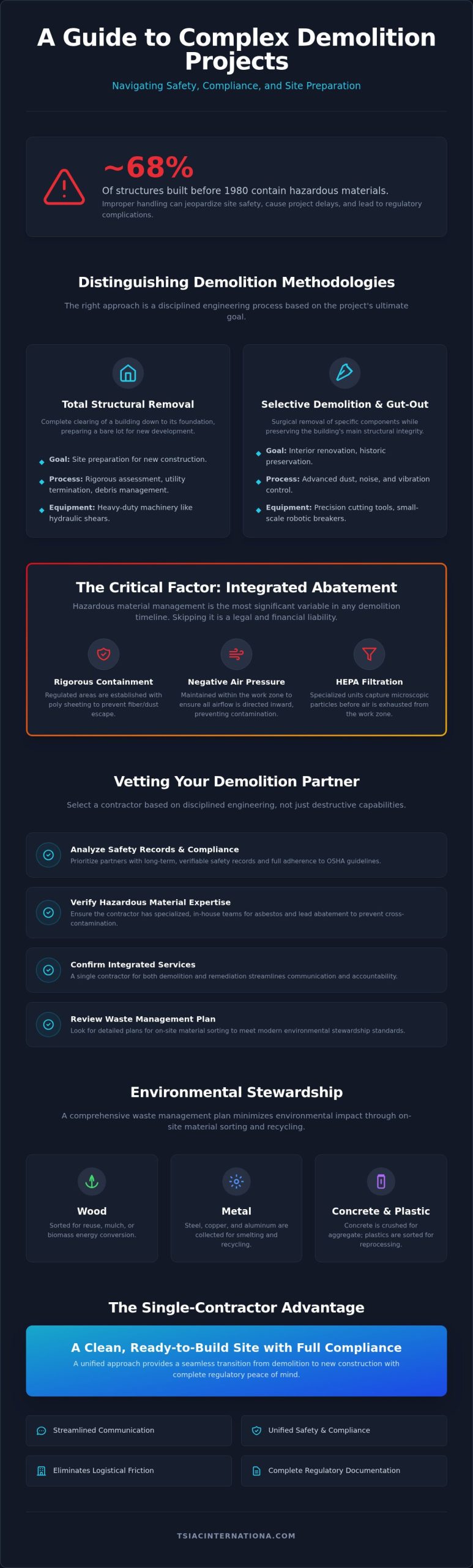
Approximately 68% of structures built before 1980 contain some form of hazardous material, a reality that often leads to unexpected delays and regulatory complications. You’re likely concerned about the risks of hidden asbestos or the potential for structural damage during complex selective removals. It’s a valid concern, as improper handling can jeopardize both site safety and project timelines. Finding the best demolition companies involves identifying partners who treat demolition as a disciplined engineering process rather than an act of simple destruction.
We’ll show you how to vet industry leaders by prioritizing environmental compliance, rigorous safety standards, and specialized abatement expertise. You’ll learn the essential criteria for selecting a contractor capable of managing both structural gut-outs and hazardous material containment with methodical precision. We’ll also preview how a comprehensive waste management plan can minimize environmental impact while delivering a clean, ready-to-build site. This approach ensures your project remains in full regulatory compliance while protecting the long-term value of your property and the safety of the surrounding environment.
Key Takeaways
- Distinguish between total structural removal and the surgical precision required for selective demolition to protect existing assets and site integrity.
- Prioritize contractors who provide integrated asbestos and lead abatement to eliminate the risks of cross-contamination and costly regulatory delays.
- Determine how to vet the best demolition companies charleston sc by analyzing their long-term safety records and specific expertise in hazardous material containment.
- Learn the logistical value of on-site material sorting for recycling wood, metal, and plastic to meet modern environmental stewardship standards.
- Understand why a single-contractor approach for both demolition and remediation ensures a clean, ready-to-build site with complete regulatory documentation.
Distinguishing Between Structural and Selective Demolition Projects
Demolition is a disciplined engineering process that requires distinct methodologies based on the project’s ultimate goal. It isn’t a one-size-fits-all service. The technical requirements for leveling a multi-story commercial complex differ fundamentally from those needed to strip a retail space for a new tenant. Understanding these differences is essential when evaluating the best demolition companies charleston sc, as the choice of machinery, safety protocols, and labor expertise hinges entirely on the defined scope of work.
Project scope dictates the selection of equipment, ranging from heavy-duty hydraulic shears for total removals to precision hand tools for selective tasks. A professional contractor approaches every site with methodological accuracy, ensuring that the destruction of one element never compromises the safety or value of another. Whether the goal is a bare lot or a preserved shell, the process remains grounded in technical precision and strict adherence to safety standards.
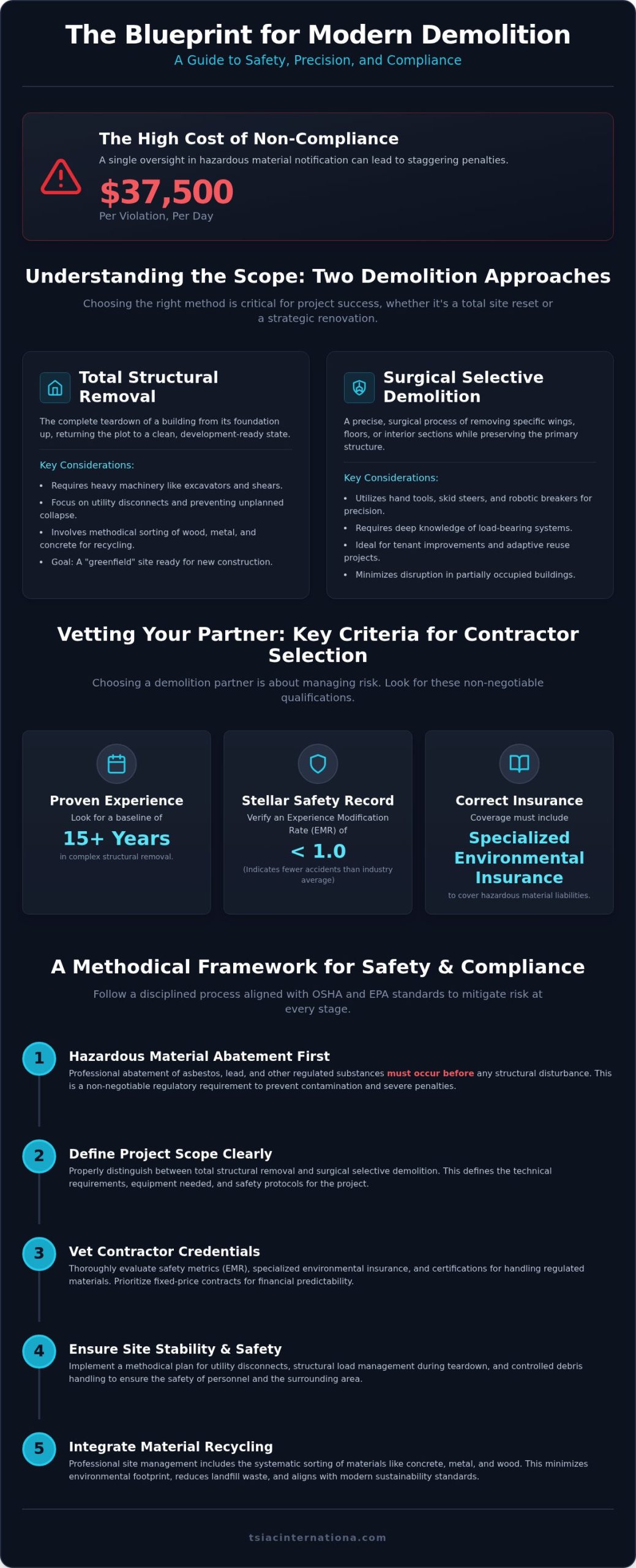
Total Structural Removal: Site Preparation and Safety
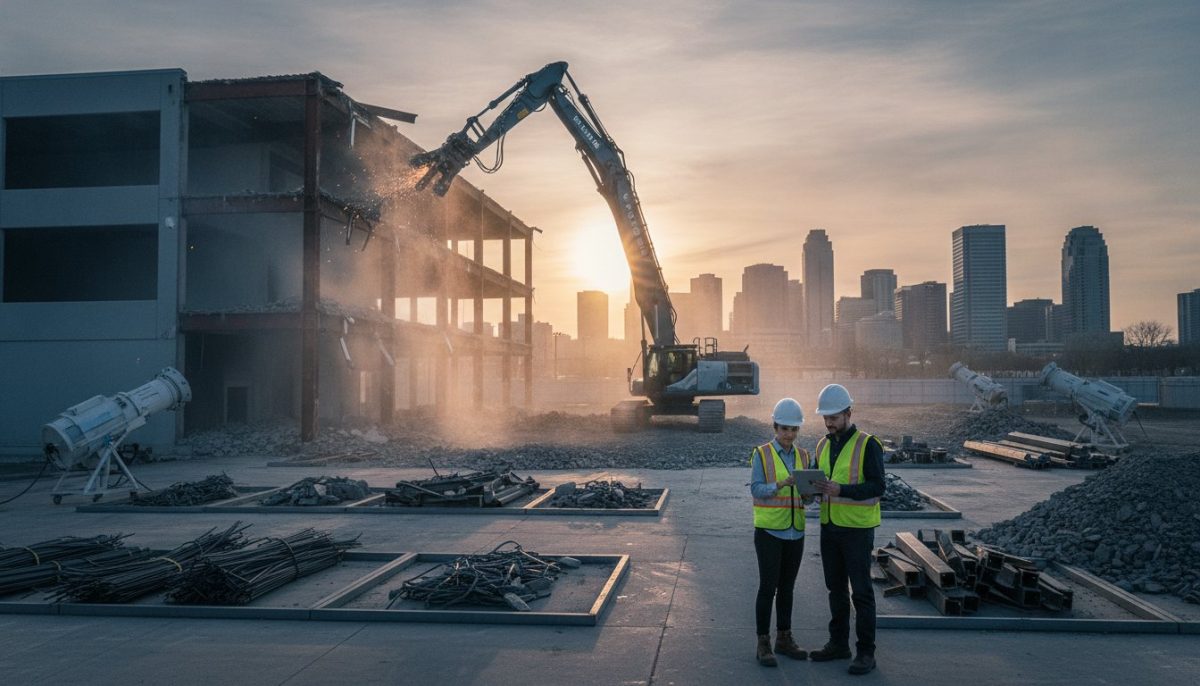
Total structural removal involves the complete clearing of a building from the roof down to the foundation. This process begins with a rigorous initial site assessment to identify load-bearing elements and verify utility terminations. It’s critical that all gas, water, and electrical lines are capped and certified before any heavy machinery arrives. During Demolition, managing the flow of debris is a primary safety concern. A disorganized site increases the risk of accidents and creates logistical bottlenecks that can delay the subsequent construction phases. Professional teams focus on a clean site handover, leaving the land graded and ready for the next stage of development.
Selective Demolition and Interior Gut-Outs
Selective demolition is a surgical procedure. It involves the removal of specific wings, floors, or interior components while preserving the building’s structural integrity. This is the standard for historic preservation or commercial renovations where the building’s shell must remain intact. Interior gutting goes a step further, stripping the space down to the masonry or studs to allow for the complete modernization of mechanical, electrical, and plumbing systems.
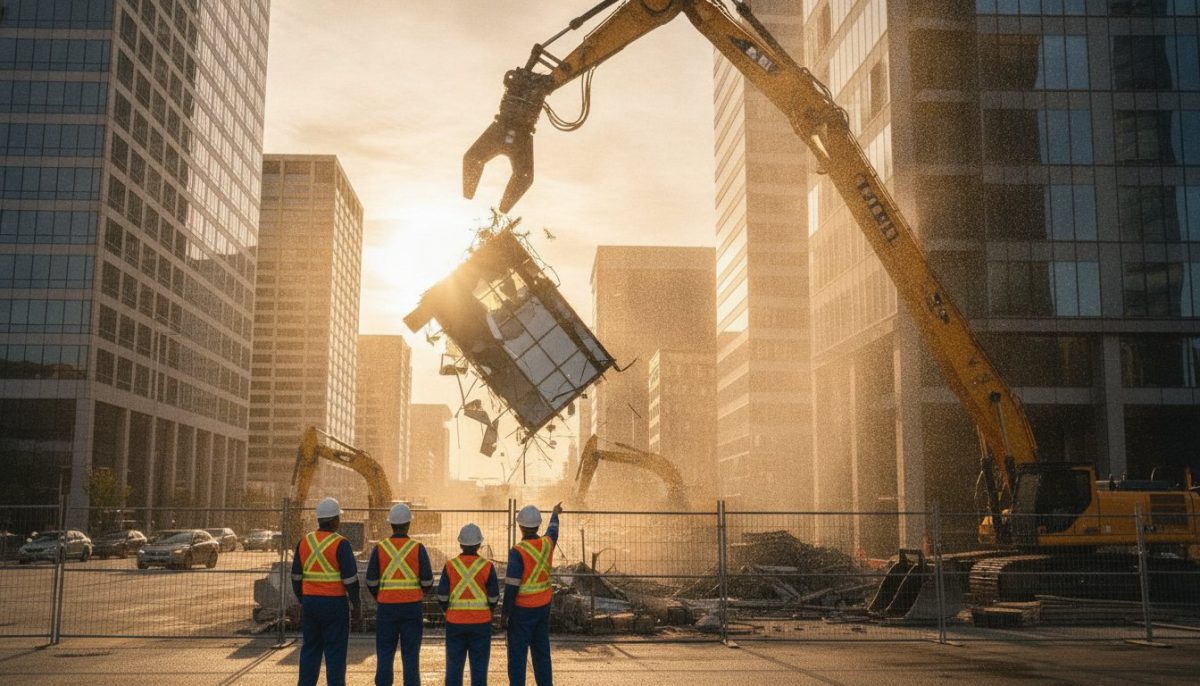
Performing this work requires specialized techniques to manage environmental factors. The best demolition companies charleston sc utilize advanced containment systems to control dust, noise, and vibration, which is especially vital if the building remains partially occupied. By using small-scale robotic breakers and precision cutting equipment, contractors can execute complex removals without causing micro-fractures in the remaining structure. This controlled approach protects the asset’s value while preparing it for a high-quality renovation.
The Critical Factor: Integrated Asbestos and Lead Abatement
Hazardous material management is the most significant variable in any demolition timeline. Skipping the testing phase isn’t just a safety violation; it’s a legal liability that can halt a project indefinitely. When hazardous materials like asbestos or lead are handled by non-specialists, the risk of cross-contamination increases exponentially. Fibers and dust can migrate through HVAC systems or settle into structural components intended for salvage. The best demolition companies charleston sc mitigate these risks by integrating abatement directly into the demolition plan, ensuring a seamless transition from remediation to structural removal.
Adherence to OSHA demolition safety guidelines requires a thorough engineering survey before work begins. This includes identifying all toxic substances that could be released during the process. Hiring a contractor that manages both demolition and abatement in-house streamlines communication and eliminates the logistical friction often found when coordinating between separate remediation and structural teams. This unified approach ensures that the site remains under a single safety umbrella, which is vital for maintaining strict environmental compliance throughout the project lifecycle.
Asbestos Abatement Protocols
Effective asbestos management relies on rigorous containment strategies. Technicians establish regulated areas using heavy-duty polyethylene sheeting and maintain negative air pressure to ensure no fibers escape the work zone. Specialized HEPA filtration systems continuously scrub the air while workers follow double-bagging procedures for both friable and non-friable materials. For a detailed breakdown of these requirements, consult our Asbestos Removal Guide, which covers the 2026 safety and regulatory standards.
Lead-Based Paint and Mold Remediation
Structures built before 1980 have a high probability of containing lead-based paint. Disturbing these surfaces during an interior gut-out requires specialized wet-scraping or HEPA-shrouded tools to prevent toxic dust inhalation. Similarly, mold remediation is often a prerequisite for safe interior work. Moisture trapped behind walls can lead to significant fungal growth that must be neutralized before the space is cleared for renovation. A professional contractor provides full documentation and clearance testing, ensuring the site is safe for re-entry by follow-on trades. You can ensure your site meets these standards by partnering with an experienced abatement specialist.
Vetting Metrics: How to Evaluate Demolition Contractors
Selecting the best demolition companies charleston sc requires a data-driven approach that looks beyond simple online ratings or low-bid estimates. In high-risk environments, technical proficiency and a history of operational stability are the only reliable indicators of project success. Contractors with over 15 years of industry experience bring a level of foresight that prevents costly field errors. This tenure suggests the company has successfully navigated various regulatory shifts and complex structural challenges that newer firms might not have the institutional knowledge to handle.
Insurance and bonding are equally critical. You must verify that a contractor carries comprehensive general liability and, crucially, pollution insurance. Standard liability often excludes damages related to hazardous material release. Without specific pollution coverage, the property owner may remain liable for environmental contamination. Additionally, evaluate the contractor’s Experience Modification Rate (EMR) and OSHA incident history. An EMR below 1.0 indicates a safety record that is better than the industry average, reflecting a disciplined work culture that protects both personnel and your property.
Equipment ownership is a final, often overlooked metric. Companies that own their fleet of excavators, skid steers, and specialized abatement tools offer greater scheduling reliability. They aren’t subject to the availability or maintenance issues of the rental market. This ownership also implies that operators are intimately familiar with their machinery, leading to higher precision during delicate selective removals.
Licensing and Regulatory Compliance
A qualified contractor must hold valid state-specific licenses for both structural demolition and hazardous material abatement. Compliance with EPA environmental demolition regulations is non-negotiable, particularly regarding the identification and disposal of toxic waste. To protect your budget, insist on fixed-price contracts. These agreements should clearly define the scope of work to prevent “unforeseen” hazardous material fees from inflating the final invoice. A professional partner will also take full responsibility for pulling all necessary demolition permits and coordinating with local utility providers for safe terminations.
Project Portfolio and Specialized Expertise
Reviewing case studies of previous projects provides insight into a contractor’s ability to execute specific tasks. If your project involves a commercial renovation, look for deep expertise in interior gutting. This requires a different skill set than total building removal, focusing on the protection of the building’s shell and MEP systems. For more detailed selection tips on this specialized trade, consult our Commercial Interior Gutting Guide. Choosing a team with a proven portfolio in your specific sector ensures they understand the unique logistical and structural constraints of your site.
Environmental Stewardship: Recycling and Waste Management
Modern demolition is a resource management discipline. The U.S. Environmental Protection Agency estimates that construction and demolition debris volume is more than double that of municipal solid waste. This reality has shifted the industry toward a goal of diverting up to 90% of debris through recycling and on-site material sorting. The best demolition companies charleston sc treat site clearance as an opportunity for material recovery rather than a simple haul-to-landfill operation. By implementing source-separation protocols, contractors can isolate recyclable materials before they become contaminated by general waste.
Concrete removal represents a significant portion of this recovery effort. Instead of occupying valuable landfill space, reinforced concrete slabs are broken and hauled to crushing facilities. These materials are repurposed as aggregate for new road beds or structural fill in subsequent construction phases. This closed-loop approach doesn’t just protect the environment; it also reduces total project disposal fees by lowering tipping costs at municipal landfills. Methodical planning ensures that every ton of material is accounted for, providing clients with the documentation required for green building certifications.
Recovery of Wood, Metal, and Plastic
Effective material recovery begins with the systematic extraction of high-value components. During commercial interior gutting, technicians prioritize the salvage of scrap metals such as copper wiring, aluminum framing, and structural steel. These materials have established secondary markets that help offset project costs. For structural timber, the focus is on salvaging architectural elements or clean wood that can be processed into mulch or biomass fuel. While construction-grade plastics present unique recycling challenges, specialized sorting ensures that PVC and high-density polyethylene are separated from non-recyclable polymers to maximize their recovery potential.
Hazardous Waste Disposal Standards
Environmental stewardship also requires the rigorous management of non-recyclable toxic materials. Any waste contaminated with asbestos or lead must be isolated from the general debris stream to prevent cross-contamination. Professionals maintain strict chain-of-custody documentation, tracking every load from the point of origin to a certified hazardous waste landfill. These facilities are specifically engineered for long-term containment, ensuring that toxic substances don’t leach into groundwater systems. Aligning disposal practices with national environmental protection standards is a non-negotiable aspect of professional site management. You can ensure your project meets these sustainability goals by partnering with a contractor that prioritizes professional recycling services.
Why TSIAC International is the Standard for Complex Demolition
TSIAC International has established itself as a leader by treating demolition as a disciplined engineering task. With over 15 years of professional experience, the company provides a level of reliability that is essential in high-stakes environments. Identifying the best demolition companies charleston sc requires looking for a partner that balances technical force with surgical precision. TSIAC meets this demand by offering a comprehensive suite of services that eliminates the need for multiple subcontractors. This integrated model ensures that safety standards remain consistent from the first site assessment to the final clearing of debris.
Project accountability is the foundation of their professional character. From the initial permit acquisition to the final site clearance, every phase is managed with authoritative oversight. This includes a rigorous commitment to environmental stewardship. By prioritizing the recycling of wood, metal, and plastic on every site, TSIAC ensures that your project aligns with modern sustainability standards while reducing landfill-related costs. You aren’t just hiring a contractor; you’re partnering with a specialist who understands the long-term value of a clean, compliant site.
Comprehensive Structural and Selective Solutions
TSIAC handles residential, commercial, and government contracts with the same level of methodological accuracy. Their team excels in selective demolition, particularly in complex interior environments where preserving the building shell is mandatory. Their specialized expertise covers the efficient removal of several key components:
- Metal framing and interior structural supports
- Drywall partitions and acoustic ceiling systems
- Mechanical, electrical, and plumbing (MEP) stripping
- Reinforced concrete slabs and foundations
The focus remains on surgical interior demo. This protects the building’s core assets and structural integrity, which is vital for commercial renovations. They don’t just tear things down. They prepare the space for its next phase of life with technical precision.
The TSIAC Advantage in Abatement
Hazardous material management is a core competency rather than an outsourced secondary service. TSIAC specializes in the containment and removal of toxic materials, including asbestos and lead-based paint. By integrating abatement into the demolition workflow, they prevent the cross-contamination risks that often derail project timelines. Every project concludes with full regulatory compliance and safety documentation, providing the transparency required for insurance and legal purposes. If you’re ready to secure a partner who prioritizes safety and technical precision, Contact TSIAC International for a Professional Project Assessment.
Securing Your Site with Methodical Precision
Successful site preparation requires a shift from brute force to engineered precision. You’ve seen how integrating asbestos and lead abatement directly into the demolition workflow prevents the cross-contamination risks that often stall commercial projects. By evaluating contractors through the lens of safety records and equipment ownership, you move beyond simple price points to find genuine reliability. Identifying the best demolition companies charleston sc means choosing a partner who provides full regulatory documentation and a commitment to material recycling.
TSIAC International brings over 15 years of industry experience to every project, ensuring your site meets national environmental compliance standards. We’re fully licensed and insured for hazardous abatement, providing the technical expertise needed for both total structural removal and surgical interior gutting. You don’t have to navigate complex regulations alone. Request a Fixed-Price Demolition and Abatement Quote from TSIAC International to secure a clean, ready-to-build foundation for your next phase of development. Your project deserves a partner who delivers results with methodological accuracy.
Frequently Asked Questions
How do I choose the best demolition company for a commercial project?
Selecting the best demolition companies charleston sc for a commercial contract requires evaluating their ability to manage both structural removal and hazardous material abatement in-house. Look for a partner with at least 15 years of industry experience to ensure they can navigate complex regulatory filings and utility terminations. A single-contractor approach minimizes logistical friction and ensures that safety standards remain consistent across the entire project lifecycle, protecting your investment and timeline.
Is an asbestos survey required before a residential demolition?
Yes, an asbestos survey is a regulatory prerequisite for any commercial or regulated residential demolition project. Federal standards require a licensed inspector to identify both friable and non-friable materials before structural disturbance occurs. This critical step prevents the release of toxic fibers into the environment. If hazardous materials are found, you must secure a contractor specialized in abatement to perform the removal under strict containment protocols before demolition begins.
What is the difference between selective demolition and interior gutting?
Selective demolition involves the removal of specific wings or structural sections while maintaining the integrity of the remaining building. Interior gutting is a specialized subset of this work that focuses on stripping a space down to its structural shell or studs. This process typically includes the removal of metal framing, drywall, and acoustic ceilings. Both require surgical precision to protect core assets during commercial renovations or complex residential remodels.
How much of a demolished building can actually be recycled?
Modern industry standards aim to divert up to 90% of demolition debris from municipal landfills through on-site material sorting. Professional contractors prioritize the recovery of wood, metal, and plastic to reduce total project disposal fees. Concrete removal is another major factor, as reinforced slabs can be crushed and repurposed as aggregate for new construction. This methodical approach to waste management supports environmental stewardship while providing clients with necessary green building documentation.
What safety certifications should a demolition contractor hold?
A reputable contractor must demonstrate strict adherence to OSHA safety standards and hold valid state-specific licenses for both demolition and hazardous material abatement. You should also evaluate their Experience Modification Rate (EMR) to gauge their safety performance relative to the industry average. A score below 1.0 indicates a disciplined work culture and a history of safe operations. These certifications ensure the team is trained in specialized containment and engineering survey procedures.
How long does a typical structural demolition project take to complete?
Project timelines depend on the structure’s size and the complexity of the required abatement. While the physical removal of a standard building might take one to two weeks, the planning phase is often longer. Obtaining necessary permits can take 15 to 30 business days, and mandatory asbestos notification periods must be observed. A comprehensive project assessment will provide a detailed schedule that accounts for utility capping, hazardous material remediation, and final site clearance.
Can a demolition company also handle mold and lead paint removal?
Specialized demolition firms often provide integrated mold remediation and lead-based paint removal services. This capability is vital for pre-1978 structures where lead risks are high. Managing these hazards alongside structural work prevents cross-contamination and ensures the site is safe for follow-on construction trades. Choosing a one-stop solution for both demolition and abatement streamlines the project and ensures that all toxic waste disposal practices align with national environmental protection standards.
What insurance coverage is necessary for high-risk demolition work?
Standard general liability insurance is insufficient for high-risk demolition; the contractor must also carry specific pollution insurance. This coverage protects the property owner if hazardous materials are accidentally released during the abatement or removal process. You should also verify that the firm is fully bonded for the total value of the contract. These financial safeguards are essential for mitigating the risks associated with structural instability and the handling of toxic materials.