Professional Mold Remediation: A Structural Approach to Hazardous Material Removal

Most people view mold as a surface stain to be scrubbed away, but treating a toxic infestation with a bucket of bleach is like trying to repair a…

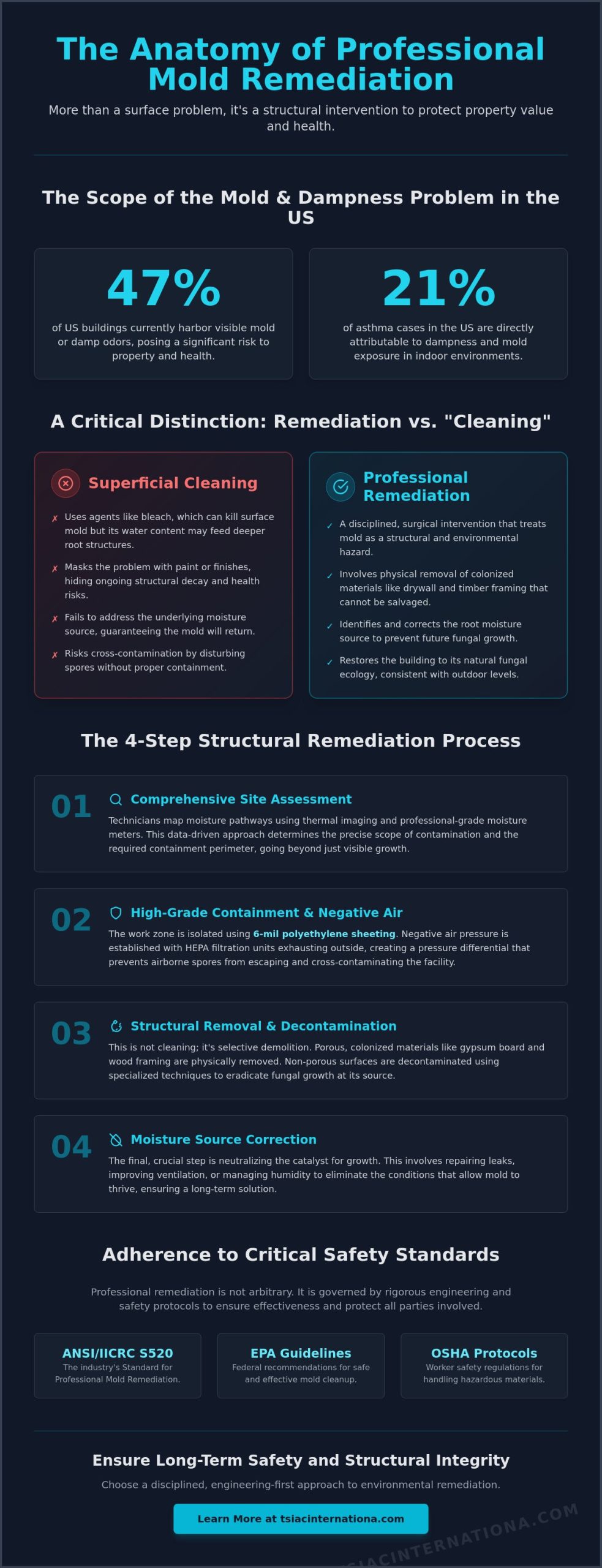
Most people view mold as a surface stain to be scrubbed away, but treating a toxic infestation with a bucket of bleach is like trying to repair a foundation crack with a coat of paint. Professional mold remediation is not a cleaning service; it’s a surgical structural intervention that requires the same discipline as asbestos abatement. With approximately 47% of US buildings currently harboring visible mold or damp odors, the risk to property value and respiratory health is a documented reality. You’re likely concerned about the 21% of asthma cases linked to indoor dampness or the confusing web of state-level regulations, such as the 2025 Illinois registration requirements.

It’s natural to feel anxious about mycotoxins or the fear that spores will simply return after a superficial cleaning. You’ll learn why professional mold remediation requires a disciplined, structural approach to ensure long-term property safety and environmental compliance. We will examine the methodical protocols defined by the 2024 ANSI/IICRC S520 standards and the technical steps necessary to achieve total source eradication and restore your building’s structural integrity.

Key Takeaways

  • Understand why professional mold remediation is a disciplined structural engineering task rather than a cosmetic cleaning procedure.
  • Learn the technical methodology of high-grade containment using 6-mil polyethylene sheeting to prevent cross-contamination during removal.
  • Discover how to identify and neutralize hidden moisture sources that lead to recurring fungal growth and structural compromise.
  • Identify the critical safety standards and regulatory compliance requirements, including OSHA and EPA protocols, for hazardous material contractors.
  • Recognize the importance of an engineering-first approach to restore a facility to its natural fungal ecology and ensure long-term safety.

Understanding Professional Mold Remediation: More Than Just Surface Cleaning

Professional mold remediation is often misunderstood as a simple janitorial task, yet it represents a complex environmental engineering challenge. In any built environment, the objective is never to achieve a sterile, zero-spore state, as mold is an omnipresent biological reality. Instead, the goal is to return the facility to a state of natural fungal ecology where spore counts are consistent with outdoor baseline levels. True remediation involves the physical removal of colonized materials and the precise containment of hazardous particulates to prevent migration into unaffected zones. When mold penetrates porous substrates like gypsum board or timber framing, it ceases to be an aesthetic concern and becomes a structural threat.

A foundational step in Understanding Indoor Mold is recognizing that moisture is the primary catalyst for colonization. Without a sustained water source, spores remain dormant; however, once a leak or humidity spike occurs, the biological clock begins to tick. It’s a mistake to treat fungal growth like dust. It’s a living, invasive force. When technicians identify deep-seated structural infestation, they aren’t just looking at the visible black spots; they’re assessing the integrity of the load-bearing elements. Professional mold remediation ensures that the root cause is neutralized, rather than simply masked by superficial treatments.

The Science of Fungal Growth in Buildings

Mold doesn’t just sit on surfaces; it consumes them. Fungi secrete enzymes that break down organic compounds in drywall paper backings and wood cellulose. This degradation happens with alarming speed. The 24 to 72 hour window following a water intrusion is a critical period where rapid intervention is a structural necessity. If this window is missed, the colony begins producing mycotoxins and airborne spores. Disturbing these colonies without specialized containment risks cross-contaminating the entire HVAC system and adjacent rooms. The risks are often invisible until the structural damage is already advanced.

Remediation vs. Cleaning: A Critical Distinction

Standard cleaning agents like bleach are frequently ineffective against structural infestations. While bleach may kill surface growth, its high water content can actually feed the hyphae, or root structures, deep within porous materials. This often leads to a recurring cycle where mold appears to be gone but returns with greater vigor. Attempting to hide mold behind new paint or finishes is a dangerous practice that masks ongoing structural decay and health risks. Professional remediation is a multi-stage engineering process involving containment, removal, and source correction.

  • Containment: Using physical barriers and negative air pressure to isolate the work zone.
  • Structural Removal: Selective demolition of materials that cannot be salvaged or cleaned.
  • Source Correction: Identifying and fixing the moisture intrusion that allowed the growth to start.

By following these rigorous protocols, a professional mold remediation specialist ensures that the building remains safe for its occupants and structurally sound for the long term. This disciplined approach is the only way to guarantee that the problem won’t resurface once the project is complete.

The Structural Remediation Process: A Methodological Approach

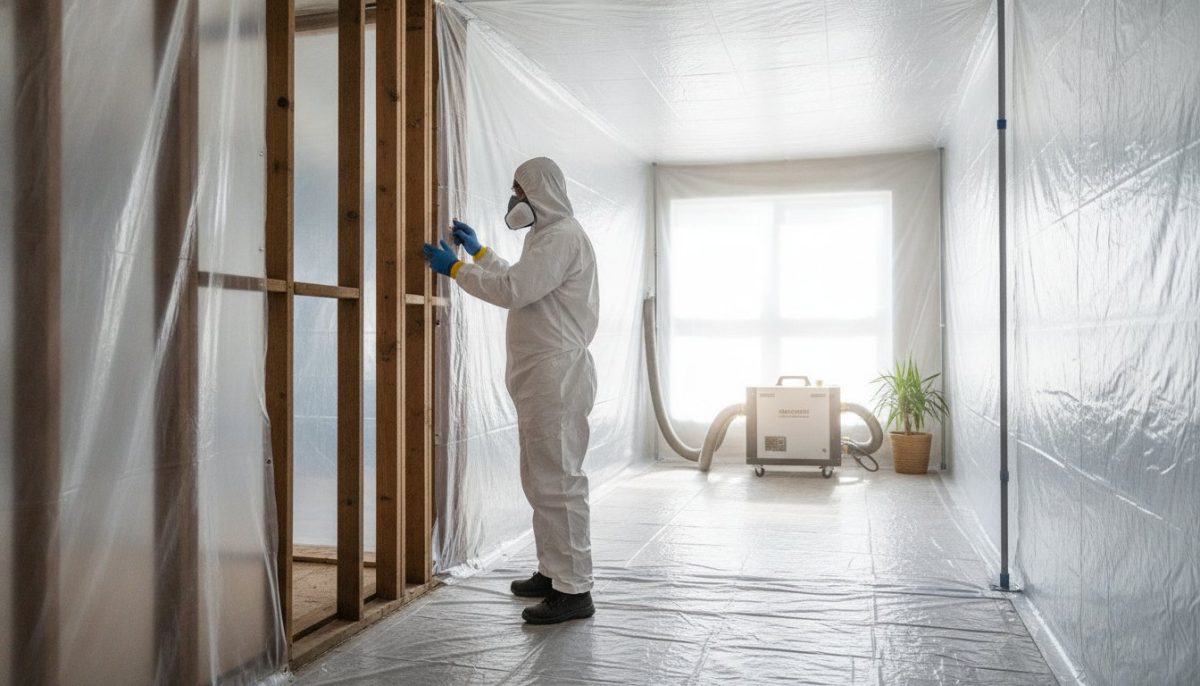
A disciplined professional mold remediation project begins with an exhaustive site assessment. We don’t just look for visible growth; we map moisture pathways using thermal imaging and professional-grade moisture meters. This data determines the exact containment perimeter required to isolate the hazard. We establish high-grade containment zones using 6-mil polyethylene sheeting, creating a physical barrier that separates the contaminated environment from the rest of the facility. This is consistent with EPA Mold Remediation Guidance, which emphasizes that containment is vital for protecting both occupants and workers during large-scale projects.

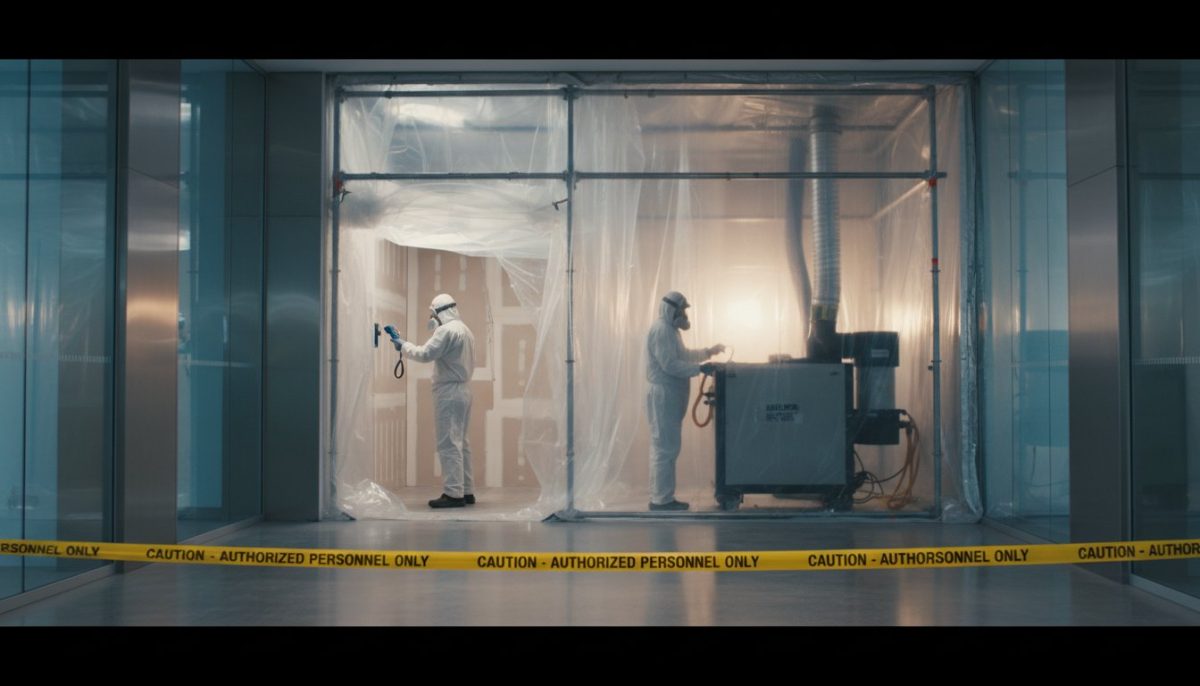
Once the barrier is secured, we implement negative air pressure. By using high-volume HEPA filtration units to exhaust air outside the containment zone, we ensure that airborne spores cannot migrate into clean areas. This pressure differential is monitored constantly to ensure the seal hasn’t been breached. Within this controlled environment, technicians perform the surgical removal of non-salvageable materials. Insulation, drywall, and other porous substrates that have been deeply colonized must be removed, as they cannot be effectively decontaminated. Following removal, we perform a final decontamination of semi-porous structural members. This involves HEPA vacuuming and damp wiping with specialized antimicrobials to ensure the wood or concrete is returned to a safe state.

Engineering Controls and Containment

Maintaining indoor air quality during demolition requires specialized hardware. HEPA air scrubbers run continuously to capture particulates down to 0.3 microns. We also utilize multi-stage decontamination chambers. These airlocks allow technicians to transition between the “hot zone” and clean areas without tracking spores on their PPE. It’s a rigorous protocol that mirrors asbestos abatement, ensuring the integrity of the containment remains absolute until final clearance testing is achieved. We don’t take shortcuts with air quality because the health of the building depends on the precision of these controls.

Selective Demolition of Infested Materials

Not every building component requires disposal. We distinguish between porous, semi-porous, and non-porous materials based on their ability to harbor hyphae. While wood framing is often salvaged through HEPA vacuuming and antimicrobial stabilization, materials like acoustic ceiling tiles are treated as hazardous waste. Proper handling of contaminated debris is essential for environmental compliance. All waste is double-bagged in 6-mil poly bags and wiped down before leaving the containment zone. For extensive damage where the mold has compromised large sections of the building envelope, we utilize commercial interior gutting services to strip the structure back to its primary members. This ensures no hidden colonies remain behind new finishes.

This level of precision is why property managers trust specialists for environmental challenges. If you’re managing a complex facility, partnering with a hazardous material contractor ensures your project meets all safety and compliance benchmarks.

The Hidden Risks of Inadequate Mold Removal

Inadequate attempts at mold removal often exacerbate the original problem through a phenomenon known as the rebound effect. When moisture sources remain uncorrected or structural members are only superficially cleaned, dormant spores quickly re-colonize the area. This isn’t just a failure of aesthetics; it’s a failure of engineering. Without a disciplined approach to professional mold remediation, property owners face significant regulatory liability. Improper handling of hazardous materials can lead to legal complications and environmental fines, especially in commercial settings where EPA mold remediation guidelines dictate specific safety protocols. Documenting every stage of the process is the only way to prove compliance and protect the long-term value of the asset.

The structural compromise of the building envelope is perhaps the most overlooked risk of amateur remediation. Fungal growth doesn’t just rest on wood; it feeds on it. If weakened framing is left in place and simply covered with new drywall, the building’s load-bearing capacity remains compromised. This hidden decay can lead to floor sagging or wall failure over time, turning a biological hazard into a physical safety risk. A professional assessment identifies where colonization has transitioned into cellular wood rot, ensuring that only sound structural members remain after the abatement is complete.

Cross-Contamination and Air Quality

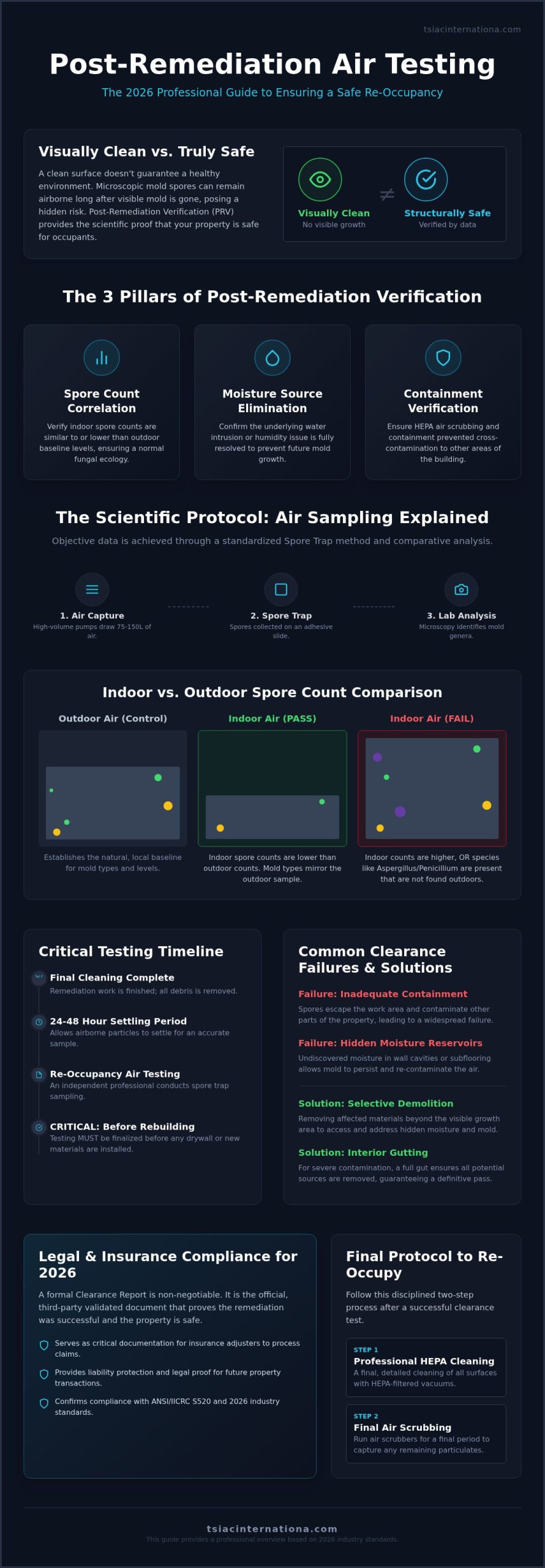
Attempting demolition without professional-grade containment is a primary cause of cross-contamination. Simple acts like ripping out moldy drywall without negative air pressure can elevate airborne spore counts by as much as 1000x within minutes. These spores don’t just stay in the room. They settle into HVAC ductwork and migrate through wall cavities, seeding future outbreaks in previously clean areas of the facility. This is why professional testing and air sampling are required to verify a “clear” environment before containment is removed. A visual inspection is never sufficient to guarantee that the microscopic risks have been eliminated.

Structural Integrity and Safety

Long-term mold exposure is often a precursor to advanced structural decay. Identifying the transition from fungal colonization to actual material failure requires a trained eye. In regions with high humidity, understanding the nuances of hazardous material abatement in South Carolina is essential for protecting property value against the local climate. When large-scale interior gutting is necessary, ensuring the building remains safe for occupancy involves more than just removing the mold. It requires a methodical restoration of the structural environment to prevent future moisture accumulation. By treating mold with the same rigor as asbestos or lead, property owners ensure their structural integrity remains intact for decades.

Professional Mold Remediation: A Structural Approach to Hazardous Material Removal

Key Criteria for Selecting a Hazardous Material Contractor

Selecting a partner for professional mold remediation requires a rigorous vetting process that extends far beyond general construction licensing. Because mold is a biological hazard, the contractor must demonstrate verified experience in hazardous material abatement and selective demolition. This specialized expertise ensures they understand how to deconstruct a contaminated area without compromising the rest of the facility. You should demand proof of comprehensive insurance coverage that specifically includes environmental liability and mold pollution riders. Standard general liability policies often exclude fungal-related claims, leaving the property owner vulnerable if a project is mishandled. A disciplined contractor operates with a level of precision that mirrors surgical intervention.

Transparency in project documentation is a non-negotiable requirement for high-stakes environments. A reputable firm provides detailed project logs, waste manifests, and final clearance testing protocols. These records are essential for demonstrating regulatory compliance and protecting the property’s long-term value. We utilize independent third-party laboratories to verify that the environment has reached a “Condition 1” status, representing a return to normal fungal ecology, before any containment is dismantled. This objective verification provides the documented peace of mind that the structural intervention was successful and the biological threat has been neutralized.

Certifications and Industry Standards

Adherence to the 2024 ANSI/IICRC S520 Standard for Professional Mold Remediation is the benchmark for any reputable firm. This standard dictates the specific methodologies for containment, removal, and moisture control that ensure a permanent solution. It’s also beneficial to hire a team that deeply understands the demolition process, as structural mold often requires the surgical removal of load-bearing or finish materials. Verifying the use of industrial-grade PPE, such as powered air-purifying respirators and specialized decontamination equipment, ensures that both the workforce and the building remain protected from cross-contamination throughout the project duration.

Environmental Responsibility in Remediation

Professional contractors don’t just dispose of debris; they manage it through a lens of environmental stewardship. We utilize a strategic approach to debris management to minimize landfill impact, even when dealing with hazardous materials. This includes the careful segregation and recycling of non-contaminated metals and plastics found within the work zone once they’ve been cleared. A disciplined contractor prioritizes the safety of both the building occupants and the surrounding environment. By reducing the waste stream, we maintain high standards of sustainability while executing complex abatement tasks.

If you require a team that combines engineering precision with uncompromising safety standards, contact our hazardous material specialists today to ensure your facility meets every compliance and safety benchmark.

TSIAC International: Precision and Safety in Environmental Remediation

TSIAC International brings over 15 years of technical expertise to the field of hazardous material management. We don’t view professional mold remediation as a standalone cleaning task but as a critical component of a broader environmental safety strategy. Our engineering-first approach ensures that every containment zone and demolition phase is planned with mathematical precision. This discipline allows us to manage projects that range from selective interior gutting to full structural abatement without compromising the safety of the surrounding facility. We operate with the understanding that in high-stakes environments, there is no room for error or technical ambiguity.

Our reputation is built on the ability to maintain total control over the work environment. By utilizing advanced pressure monitoring and multi-stage filtration, we provide a level of security that general service providers cannot match. This technical rigor is essential for property owners who require documented proof of safety and compliance. When a project is managed by TSIAC, the goal is a complete restoration of the building’s environmental health, ensuring that the structural members are returned to a safe, stable condition for future occupancy or reconstruction.

A Specialized Approach to Complex Projects

Complex environments often hide multiple layers of danger. It’s common to find fungal growth intersecting with legacy hazardous materials, requiring integrated strategies for mold, lead, and asbestos removal. Our technicians are trained to strip buildings to their primary structural members while maintaining the integrity of the exterior shell. This studs-up methodology is why government agencies and large-scale general contractors trust us with high-stakes projects. We provide a clean, safe slate for reconstruction by removing every trace of biological and chemical contamination through disciplined, selective demolition.

Environmental Stewardship on Every Site

We believe that structural abatement shouldn’t come at the cost of the environment. Our team implements a rigorous sorting process on every job site to minimize the impact on local landfills. We separate wood, metal, and plastic from non-contaminated zones, ensuring these materials are diverted to appropriate recycling facilities. Even within a professional mold remediation project, we identify salvageable structural metals that can be safely decontaminated and repurposed. By reducing the environmental footprint of our demolition and abatement activities, we provide a service that is as responsible as it is effective. This commitment to sustainability is a core part of our operational philosophy.

If your project requires a partner that prioritizes technical accuracy and environmental compliance, we are ready to assist. Contact TSIAC International today for professional structural remediation services.

Restoring Structural Safety and Environmental Compliance

Managing a hazardous material infestation requires moving beyond cosmetic fixes to address the underlying structural compromise. A disciplined approach ensures that the building is returned to its natural fungal ecology while protecting the load-bearing integrity of the facility. By prioritizing high-grade containment and negative air pressure, you eliminate the risk of cross-contamination that often follows amateur removal attempts. This methodological rigor is the only way to guarantee that a property remains safe for its occupants over the long term.

Professional mold remediation is a precision task that demands verified technical expertise and a commitment to rigorous safety standards. TSIAC International brings over 15 years of hazardous material expertise to every project, utilizing OSHA-compliant safety protocols to protect both occupants and our workforce. Our methodology doesn’t just clear the air; it ensures a sustainable outcome through a dedicated commitment to material recycling on every job site. We handle the technical complexities so you can focus on your core operations.

Secure your property with TSIAC International’s professional abatement services. Taking these technical steps now prevents the rebound effect and secures the value of your asset for the future. Your building’s environmental health is a critical investment that deserves expert oversight.

Frequently Asked Questions

What is the difference between mold removal and mold remediation?

Mold removal is a misnomer because fungal spores are an omnipresent biological reality in every environment. The objective is actually professional mold remediation, which is a disciplined engineering process designed to return a building to its natural fungal ecology. While removal implies a superficial cleaning, remediation involves a multi-stage approach including moisture source correction, high-grade containment, and the structural removal of colonized materials to ensure long-term safety.

Is professional mold remediation worth the cost for commercial properties?

Professional mold remediation is a critical investment because it mitigates significant regulatory liability and protects the asset’s market value. Research indicates that a property’s resale value can decrease by 20% to 37% due to unresolved mold issues. Beyond financial value, professional intervention ensures compliance with emerging state regulations and prevents the long-term structural decay that eventually leads to much more expensive repairs or total facility shutdowns.

How long does the professional mold remediation process typically take?

The duration of a project depends on the infestation’s scale and the complexity of the structural environment. A typical project may take anywhere from three to seven days, though large-scale commercial gut-outs can extend into several weeks. This timeline accounts for the time needed to establish high-grade containment, perform the surgical removal of materials, implement specialized drying protocols, and conduct mandatory third-party clearance testing.

Can I stay in my home or office during the remediation process?

Occupants should generally vacate the immediate work zone to ensure safety and prevent accidental cross-contamination. While high-grade containment using 6-mil polyethylene sheeting isolates the hazard, the use of industrial HEPA air scrubbers and negative pressure units creates significant noise and vibration. For large-scale structural remediation, vacating the entire floor or building is often the most efficient way to maintain safety protocols and accelerate the work timeline.

What happens to the materials removed during a mold gut-out?

Non-salvageable materials like colonized drywall and insulation are treated as hazardous waste and double-bagged in 6-mil poly bags before leaving the containment zone. We prioritize environmental stewardship by sorting non-contaminated debris for recycling whenever possible. Metals and certain plastics are decontaminated and diverted from landfills to reduce the project’s environmental footprint. All hazardous waste is disposed of at licensed facilities in accordance with state environmental regulations.

Does mold remediation require a special permit or certification?

Requirements vary significantly by jurisdiction because there is currently no federal licensing law. However, several states have strict mandates; for example, the Illinois Mold Remediation Registration Act took effect on January 1, 2025. Other states like Texas and Florida require specific licenses for both assessors and remediators. You should always verify that your contractor adheres to the 2024 ANSI/IICRC S520 standard, which serves as the authoritative industry benchmark for safety.

How do I know if mold has caused structural damage to my building?

Structural damage is often identified when mold colonization transitions into cellular wood rot or advanced material degradation. Signs include visible sagging in floor joists, crumbly drywall, or dark staining on load-bearing timber framing. Professional technicians use moisture meters and thermal imaging to map deep-seated moisture pathways. If a material has lost its structural integrity, selective demolition is required to remove the compromised sections and prepare the building for safe reconstruction.

What is the role of negative air pressure in mold containment?

Negative air pressure is a critical engineering control that prevents the migration of airborne spores into clean areas of a facility. By using high-volume HEPA filtration units to exhaust air outside the containment zone, we create a pressure differential that keeps contaminants trapped within the work area. This protocol is essential during the demolition phase, as disturbing active colonies can elevate spore counts by 1000x without proper pressure management.

Mold Remediation Cost Per Square Foot: 2026 Professional Pricing Guide

The true cost of a mold project isn’t found on the surface of a wall, but in the engineering required to contain it. While you might expect a simple…

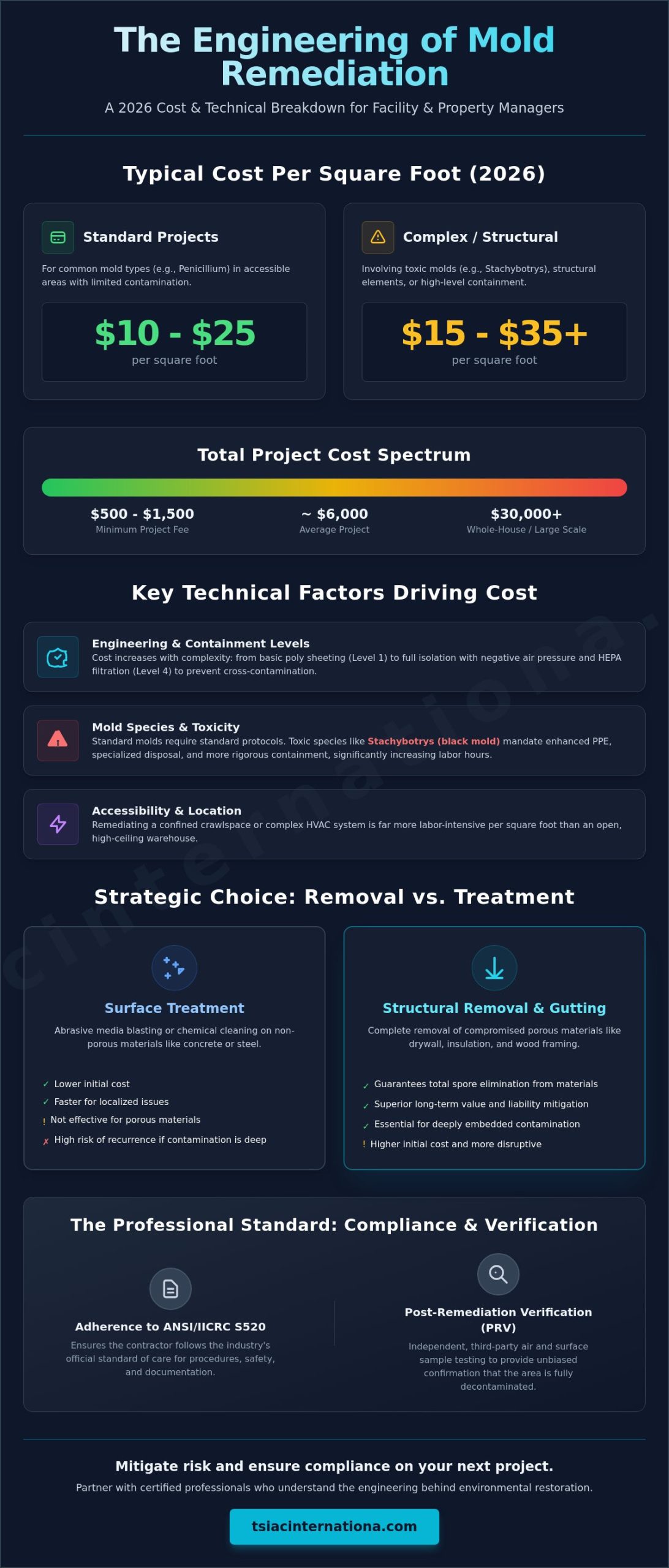
The true cost of a mold project isn’t found on the surface of a wall, but in the engineering required to contain it. While you might expect a simple cleaning fee, the professional mold remediation cost per square foot in 2026 typically ranges from $10 to $25 for standard projects; this often climbs to $30 for complex structural environments. If you’re managing a facility or a high-value property, seeing these numbers for the first time can be jarring. You’re likely dealing with contractors who use dense technical jargon while you’re focused on liability risks and the fear of unexpected project scope creep.

We recognize that budgeting for environmental restoration feels like a moving target when structural integrity is at stake. This guide provides a clear framework to help you estimate costs accurately, ranging from the $500 minimum project fee to the $30,000 required for whole-house remediation. You’ll learn when structural gutting is more cost-effective than surface cleaning and how to ensure your project complies with the ANSI/IICRC S520 standards. We’ll break down the variables of containment, specialized PPE for black mold, and the technical requirements that define professional pricing in today’s market.

Key Takeaways

  • Establish a realistic budget by understanding the technical drivers behind the mold remediation cost per square foot, which fluctuates based on containment levels and structural complexity.
  • Evaluate the necessity of high-grade engineering controls, such as negative air pressure and HEPA filtration systems, to ensure environmental safety and prevent cross-contamination during the abatement process.
  • Determine when structural gutting and selective demolition offer superior long-term value compared to surface-level abrasive treatments for porous building materials like drywall and insulation.
  • Mitigate liability and ensure compliance by incorporating post-remediation verification (PRV) and clearance testing into your project scope to confirm total decontamination.
  • Prioritize industrial-grade contractors who adhere to ANSI/IICRC S520 standards to manage the complex technical and regulatory requirements of large-scale restoration projects.

Understanding Average Mold Remediation Cost Per Square Foot in 2026

Professional environmental restoration isn’t a janitorial service; it’s a technical abatement process. In 2026, the baseline mold remediation cost per square foot typically ranges from $10 to $25 for standard residential sites. However, complex industrial environments or projects involving hidden contamination often see rates between $15 and $35. These figures reflect the necessity of rigorous engineering controls rather than simple labor. Using the term “cleaning” is a misnomer in this industry. We’re performing structural decontamination and spore suppression to restore the safety of a built environment.

One of the most frequent points of confusion for property owners is the difference between the visible mold area and the total work area. You aren’t just paying for the three square feet of growth visible on a baseboard. You’re paying for the entire containment zone required to prevent cross-contamination. Spores are microscopic and airborne. If growth is visible in one corner, the structural remediation must often extend several feet beyond that point to ensure a successful post-remediation verification. For those seeking a deeper technical foundation on these biological risks, this comprehensive guide to mold remediation provides essential context on health effects and cleanup protocols.

Residential vs. Commercial Pricing Models

Commercial pricing models often benefit from scale efficiencies during large-scale interior gutting projects, yet they face unique overhead challenges. Unlike residential attic remediation, commercial work must account for occupancy and business continuity. Scheduling remediation in phases or during off-hours to avoid disrupting tenants increases labor costs. Additionally, commercial facilities face stricter regulatory reporting requirements and documentation standards, which add administrative expenses that residential projects rarely encounter.

The Role of Mold Type in Remediation Complexity

The species of mold found during an inspection significantly dictates the project’s financial trajectory. Common variants like Penicillium or Aspergillus are manageable with standard industry protocols. However, Stachybotrys chartarum, or black mold, requires enhanced personal protective equipment (PPE) and more rigorous disposal methods. Toxic mold species directly increase containment labor hours because of the extreme care required to prevent spore release during the removal of porous materials. We don’t guess at these risks; we engineer the solution based on the specific biological profile of the site.

  • Standard Remediation: $10 to $25 per square foot.
  • Complex/Commercial Remediation: $15 to $35 per square foot.
  • Minimum Project Fee: $500 to $1,500 depending on mobilization requirements.

Technical Factors Driving Square Footage Pricing

Engineering controls represent the most substantial portion of an environmental restoration budget. When a project transitions from basic localized treatment to Level 3 or Level 4 containment, the mold remediation cost per square foot increases to reflect the complexity of the isolation. Level 4 containment requires full isolation of the work area, including critical seals on all HVAC registers and structural openings. We don’t just hang plastic; we create a pressurized environment that protects the building’s occupants and its structural integrity. This level of precision is why professional rates stay consistent with the 2026 industry standards for high-risk abatement.

Specialized labor rates for certified environmental technicians also impact the final quote. These professionals possess specific training in hazardous material handling and the physics of spore movement, which general laborers don’t have. Accessibility is another major variable. Remediating a confined crawlspace involves significantly more labor hours per square foot than a high-ceiling warehouse where technicians can utilize scissor lifts. If your project involves complex structural components, integrating selective demolition services can often streamline the process by removing contaminated materials that are beyond salvage.

Containment and Decontamination Chambers

We build airtight barriers using 6-mil fire-retardant polyethylene sheeting secured by heavy-duty zip-pole systems. In high-risk scenarios involving toxic species, we must install three-stage decontamination chambers with functional showers to ensure technicians don’t track spores into clean zones. The building’s specific architectural layout determines the total linear footage of these barriers. Adhering to EPA guidelines on mold cleanup is our baseline for determining when these professional-grade barriers are legally and ethically mandatory for occupant safety.

Air Scrubbing and Industrial Dehumidification

Maintaining negative air pressure requires the continuous operation of 2000 CFM air scrubbers equipped with HEPA filtration. These units are expensive to rent and operate, but they’re essential for capturing microscopic particulates during the demolition phase. We use thermal imaging technology to identify hidden moisture pockets behind walls before any work begins, which prevents the mold remediation cost per square foot from ballooning due to missed contamination. The relationship between air exchange rates and project duration is direct; higher air change requirements per hour necessitate longer equipment run times to ensure the environment meets safety thresholds before the containment is struck.

  • Level 3 Containment: Standard for moderate growth areas.
  • Level 4 Containment: Required for widespread contamination or toxic species.
  • Negative Air Pressure: Prevents spore migration to unaffected building zones.
  • Thermal Imaging: Identifies the moisture source to prevent recurrence.

Mold Remediation Cost Per Square Foot: 2026 Professional Pricing Guide

Structural Removal vs. Surface Treatment: Cost-Effectiveness

Choosing between abrasive cleaning methods like dry ice blasting and full structural removal is a critical decision that dictates the total mold remediation cost per square foot. While some property owners believe that surface-level treatment is the most economical route, the reality of mold biology often proves otherwise. Porous materials, specifically drywall, insulation, and ceiling tiles, act as a food source and a reservoir for spores. Attempting to clean these surfaces is frequently a futile exercise that leads to secondary liability and recurring growth. In contrast, selective demolition ensures the source is physically removed from the building, providing a definitive solution that justifies the initial investment.

Adhering to OSHA’s mold remediation safety guidelines requires strict compliance with PPE and containment during the removal of contaminated structures. This ensures that the demolition doesn’t inadvertently release high concentrations of spores into the wider facility. From a financial perspective, the labor savings of bulk demolition often outweigh the meticulous, hour-heavy requirements of surgical remediation. We’ve seen that stripping an area to the studs provides a clean slate for reconstruction, effectively removing the “biological footprint” that surface treatments leave behind.

When Gut-Outs Are Financially Superior

In buildings with widespread contamination, the labor hours required for surgical cleaning often exceed the cost of a bulk gut-out. When mold infiltrates structural wood framing or metal studs, intensive cleaning becomes technically difficult and time-consuming. Utilizing interior gutting services allows for a clean slate, stripping the environment back to its skeleton. This approach streamlines the subsequent renovation phase, as contractors don’t have to work around compromised materials. The long-term ROI is found in the elimination of future air quality testing failures and the structural certainty of a fully decontaminated frame.

Debris Management and Disposal Fees

Handling contaminated materials requires a higher level of logistical precision than standard construction waste. Hazardous waste hauling rates for mold-impacted debris are significantly higher than typical C&D (construction and demolition) rates. It’s essential to maintain manifest tracking for legal and insurance compliance, proving that materials were disposed of at licensed facilities. Understanding the demolition process is vital for safe material handling, as it involves specialized bagging and sealing protocols to prevent spore dispersal during transit. These disposal variables are often overlooked when estimating the mold remediation cost per square foot, yet they represent a significant portion of the professional fee.

  • Drywall and Insulation: Must be removed if mold is present due to porosity.
  • Structural Lumber: Can often be cleaned via abrasive blasting if the damage is surface-level.
  • Selective Demolition: Targeted removal that preserves unaffected structural elements.
  • Disposal Manifests: Required documentation for professional environmental projects.

Hidden Variables Beyond the Square Foot Rate

Calculating a project budget solely based on the mold remediation cost per square foot often overlooks the secondary environmental hazards lurking in older structures. Professional quotes frequently separate the labor of removal from the essential costs of Post-Remediation Verification (PRV). This clearance testing, conducted by an independent third party, ensures that spore counts have returned to baseline levels. Without this documentation, you lack the legal and technical proof that the abatement was successful, which can lead to significant liability issues during future property transactions.

Buildings constructed before 1978 present unique challenges because mold growth often overlaps with lead-based paint or asbestos-containing materials. When we disturb a moldy wall to perform remediation, we’re legally required to follow strict protocols if those hazardous materials are present. Integrating asbestos removal into the project scope is a common necessity in aging commercial facilities. Additionally, if spores have infiltrated the HVAC system, the project budget can triple. While standard wall remediation might be manageable, cleaning contaminated ductwork and air handling units typically costs between $3,000 and $10,000 depending on the system’s complexity.

Multi-Hazard Abatement Synergies

Hiring a single contractor capable of managing mold, asbestos, and lead provides substantial financial benefits through mobilization efficiencies. Managing these risks under one technical umbrella prevents the cross-contamination that occurs when multiple uncoordinated crews occupy the same site. Compliance with hazardous material abatement regulations is non-negotiable for commercial property owners. We focus on these synergies to reduce the total downtime of your facility, ensuring that all environmental threats are neutralized in a single, controlled sequence.

Insurance Coverage and Documentation

Insurance adjusters look for specific “sudden and accidental” clauses when evaluating mold claims. Slow leaks or long-term neglect are rarely covered, so we utilize detailed moisture mapping to identify the exact timeline and source of the intrusion. This technical data is vital for claim approval. Professional documentation, including thermal imaging and air quality logs, serves as the primary evidence required to secure reimbursement from your provider. If you’re facing a complex contamination event, request a professional site assessment to establish the technical documentation needed for your insurance claim.

  • Clearance Testing: Essential for verifying the success of the abatement.
  • Lead and Asbestos: Common hidden variables in pre-1978 construction.
  • HVAC Contamination: Can significantly increase the project’s total cost.
  • Moisture Mapping: Critical for insurance documentation and preventing regrowth.

Selecting a Remediation Partner for Large-Scale Projects

When the scope of work extends across thousands of square feet, the criteria for selecting a contractor must shift from simple price comparisons to an evaluation of industrial capacity. While the initial mold remediation cost per square foot is a standard metric, the true value of a partner is measured in their ability to maintain safety protocols while meeting aggressive construction schedules. Property managers should prioritize firms with a proven track record in industrial environments rather than residential franchises. Large-scale projects require a sophisticated understanding of structural engineering, airflow dynamics, and hazardous material logistics that smaller operations simply aren’t equipped to handle.

Verification of credentials is the first step in mitigating project risk. A qualified firm must strictly adhere to the ANSI/IICRC S520 Standard for Professional Mold Remediation and hold all necessary state-specific environmental licenses. Beyond certifications, you must assess the contractor’s physical assets. Does the firm own a fleet of industrial-grade air scrubbers and high-capacity dehumidifiers, or do they rely on third-party rentals that can delay mobilization? A partner with dedicated heavy machinery and a robust internal fleet ensures that the mold remediation cost per square foot remains stable by avoiding the surcharges associated with equipment shortages.

The TSIAC International Standard

We leverage over 15 years of experience in specialized demolition and abatement to deliver precision in every environmental project. Our approach centers on engineering excellence, ensuring that complex structural removals are executed without compromising the rest of the facility. We remain committed to environmental responsibility, diverting a significant percentage of debris from landfills through our dedicated recycling services. This disciplined, engineering-first mindset allows us to manage “impossible” sites where contamination and structural instability intersect.

Next Steps for Property Managers

Moving from a budget estimate to a finalized contract requires a disciplined procurement process. Start by drafting a Request for Proposal (RFP) that defines clear technical specifications, including the required levels of containment and specific air exchange rates. We recommend conducting a pre-project site walk-through with your shortlisted contractors to identify hidden mold pockets that might not be visible on a floor plan. This transparency allows for a comprehensive fixed-price quote, protecting your organization from the scope creep that often plagues environmental restoration projects.

  • Industrial Experience: Verify the firm’s history with high-clearance warehouses and commercial complexes.
  • IICRC S520 Compliance: Ensure all work meets the highest industry standards for safety.
  • Safety Record: Review the firm’s EMR (Experience Modification Rate) to assess their commitment to technician safety.
  • Recycling Commitment: Choose a partner that prioritizes material recovery and sustainable disposal.

Executing a Definitive Environmental Restoration Strategy

Professional remediation is a disciplined engineering process rather than simple maintenance. We’ve shown that while the mold remediation cost per square foot provides a necessary starting point for budgeting, final success depends on containment integrity and strategic material removal. Moving forward requires a commitment to high-standard abatement, particularly in commercial environments where latent hazards like lead or asbestos complicate the restoration landscape.

TSIAC International applies over 15 years of field experience to every project, merging comprehensive structural demolition with environmental precision. As certified specialists in asbestos and lead abatement, we possess the technical depth to manage high-stakes sites with the disciplined accuracy your assets require. We don’t just clear visible growth; we engineer a sterile baseline for reconstruction.

Secure your property’s long-term value by engaging a partner that understands the intersection of safety and structural integrity. Contact TSIAC International for a Professional Remediation Quote to establish a fixed-price framework for your facility’s needs. We’re ready to provide the engineering-grade solutions required to return your site to full operational safety.

Frequently Asked Questions

How much does professional mold remediation cost per square foot in 2026?

In 2026, the professional mold remediation cost per square foot typically ranges from $10 to $25 for standard residential or commercial projects. For complex industrial environments or sites requiring Level 4 containment, the rate often increases to $15 to $35 per square foot. These figures represent the technical labor and engineering controls required to isolate the contamination zone and prevent cross-contamination during the abatement process.

Is it cheaper to gut a room or clean the mold off the surface?

Gutting a room is often more cost-effective than intensive surface cleaning when porous materials like drywall or insulation are involved. While surface treatments may seem cheaper initially, they frequently fail to address deep-seated spores, leading to recurring growth and secondary liability. Selective demolition provides a definitive solution, reducing total labor hours and ensuring the environment passes post-remediation verification on the first attempt.

Does mold remediation cost include the price of new drywall and paint?

Mold remediation costs generally cover the abatement and decontamination process but don’t include the price of new drywall, paint, or structural reconstruction. Professional firms focus on the safe removal of hazardous biological agents and the stabilization of the environment. Property managers should budget for reconstruction as a separate phase of the project, typically following successful clearance testing and moisture source repair.

How does the presence of asbestos affect mold remediation pricing?

The presence of asbestos significantly increases pricing because it requires the integration of dual abatement protocols. Technicians must follow stricter containment and disposal regulations mandated by state and federal law when disturbing asbestos-containing materials during mold removal. Hiring a single contractor certified in both mold and asbestos abatement can provide mobilization efficiencies, though the specialized labor and disposal fees will reflect the higher risk profile.

Can I stay in my building during the mold remediation process?

Occupancy depends on the scale of the project and the effectiveness of the containment barriers. While localized Level 1 remediation might allow for continued occupancy in other areas, large-scale structural gut-outs usually require the building to be vacated to ensure safety. Maintaining negative air pressure and managing heavy debris flow often makes business continuity impossible within the immediate work zone until final clearance is achieved.

Why is professional mold remediation more expensive than DIY cleaning?

Professional remediation is more expensive because it involves sophisticated engineering controls that DIY methods lack. We utilize industrial-grade HEPA filtration, negative air machines, and multi-stage decontamination chambers to ensure spores don’t migrate to unaffected areas. The professional mold remediation cost per square foot also accounts for certified technical labor, specialized PPE, and the comprehensive documentation required for insurance and legal compliance.

What documentation do I need to ensure my mold remediation is successful?

Successful remediation requires a formal Post-Remediation Verification (PRV) report issued by an independent third-party environmental professional. This documentation should include air quality samples and surface lift tests that confirm spore counts have returned to baseline levels. You should also maintain disposal manifests and moisture mapping logs to prove that the underlying cause was addressed and the contaminated materials were handled according to regulatory standards.

How long does a typical 1,000 square foot mold remediation project take?

A typical 1,000 square foot remediation project generally takes between 3 and 7 business days to complete. This timeline includes the initial setup of containment barriers, the physical removal of contaminated materials, and the mandatory 24 to 48 hour period for air scrubbing before clearance testing. Projects involving structural drying or complex industrial configurations may extend this duration to ensure the environment meets all safety thresholds.