
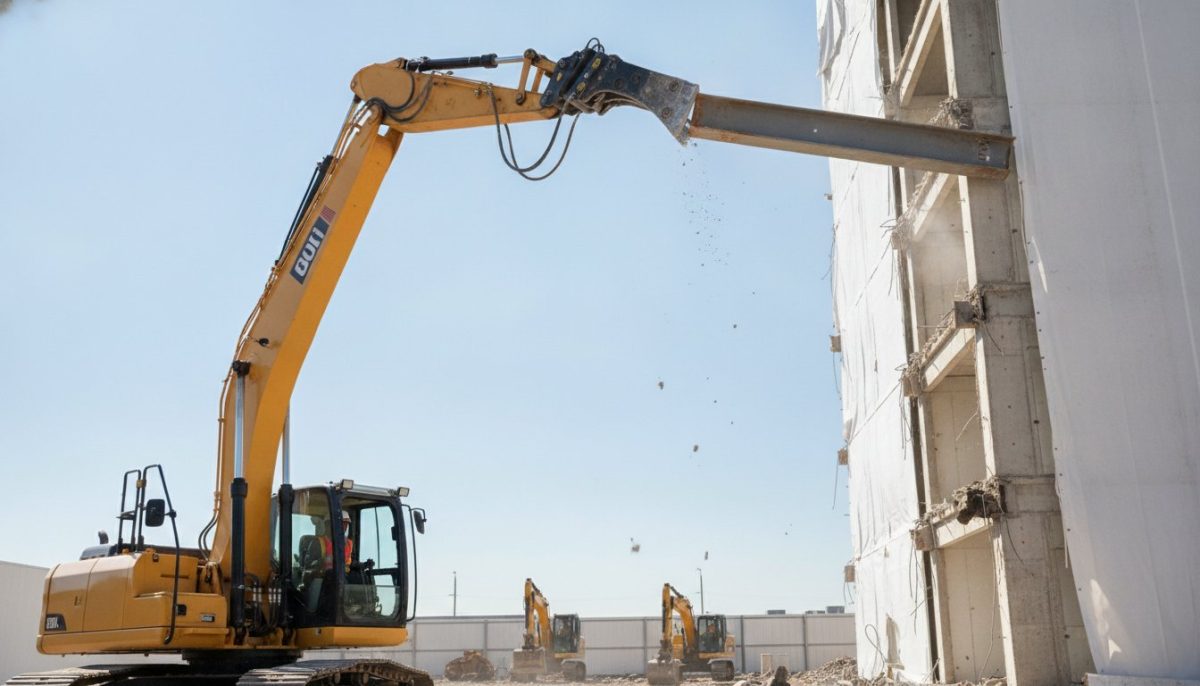
Demolition is often mistaken for a process of brute force. In reality, modern site clearing is a discipline of surgical precision and rigorous containment where a single misstep can trigger regulatory fines exceeding $16,550 per day. You likely feel the pressure of balancing tight construction schedules against the uncompromising safety standards required for asbestos and lead removal. It’s a high-stakes environment where uncertainty isn’t just a nuisance; it’s a significant financial risk. This tsiac international faq serves as your technical guide to managing these complexities with professional confidence.
We’ve compiled these expert answers to provide a clear understanding of the structural demolition timeline and our specific protocols for hazardous material containment. You’ll gain authoritative insights into how we manage interior gutting to the stud-level while maintaining the total integrity of the remaining structure. Our objective is to replace project anxiety with methodological certainty by detailing our approach to safety, EPA-aligned abatement, and the transparency of our fixed-price structural contracts. From material recycling to final site clearance, this overview previews the disciplined execution that defines a successful demolition partnership.
Key Takeaways
- Identify the critical distinctions between structural and selective demolition to ensure your project begins with precise site preparation and utility management.
- Gain technical clarity on asbestos and lead abatement protocols designed to exceed EPA and OSHA safety standards for hazardous material remediation.
- Consult this tsiac international faq to mitigate the risk of regulatory fines and understand the logistical timelines associated with complex interior gutting.
- Learn how Fixed-Price Structural Demolition Contracts provide budget transparency and eliminate the financial uncertainty often found in large-scale demolition projects.
- Explore the role of specialized heavy machinery and professional recycling services in executing environmentally responsible and safe structural removals.
Core Capabilities: What Does TSIAC International Do?
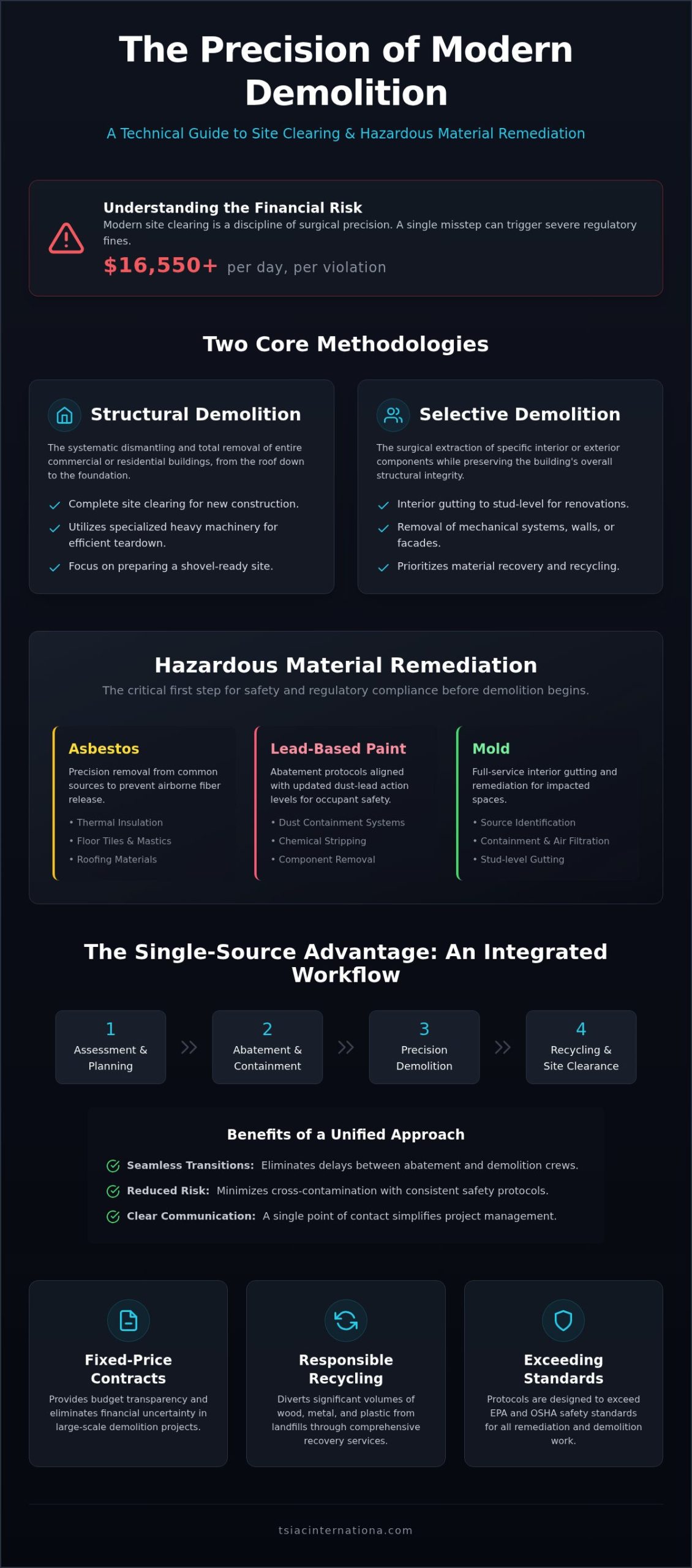
TSIAC International stands as a premier structural and hazardous material contractor, built on over 15 years of industrial experience. This tsiac international faq clarifies our role as a single-source provider, managing the entire lifecycle of site preparation from initial assessment to final debris recycling. By consolidating demolition, abatement, and interior gutting under one expert umbrella, we eliminate the communication gaps and scheduling delays that often plague multi-contractor projects. TSIAC International functions as the critical bridge between legacy structures and shovel-ready sites by integrating high-precision demolition with certified hazardous material remediation.
Choosing a single-source partner ensures that safety protocols and project timelines are synchronized. When abatement teams and demolition crews work for the same entity, the transition from hazardous material containment to physical removal is seamless. This unified approach reduces the risk of cross-contamination and ensures that every phase of the project adheres to the same high standards of technical precision. We provide a fegyelmezett, disciplined approach to every site, ensuring that the most difficult technical challenges remain under total control.
Structural and Selective Demolition
The Demolition process involves more than simply leveling a building. At TSIAC, we distinguish between total structural removal and selective demolition. Selective projects involve the surgical extraction of specific components, such as interior walls or mechanical systems, while preserving the building’s overall integrity. We utilize specialized heavy machinery to execute these high-precision tasks, ensuring that adjacent structures or active facility operations remain undisturbed. Our team applies advanced deconstruction techniques to prioritize material recovery, diverting significant volumes of wood, metal, and plastic from landfills through our comprehensive recycling services.
Hazardous Material Remediation Services
Safe site clearing often requires rigorous hazardous material abatement before physical demolition can begin. We handle complex remediation for asbestos, lead-based paint, and mold in both residential and commercial environments. Our protocols are strictly EPA-aligned, providing property owners with the essential regulatory compliance documentation needed to avoid legal liabilities. It’s a methodical process where safety is the only acceptable outcome.
- Precision asbestos removal from thermal insulation, floor tiles, and roofing materials.
- Lead abatement following the updated 2026 dust-lead action levels to ensure occupant safety.
- Full-service interior gutting to the stud-level for mold-impacted or renovated spaces.
- Comprehensive material tracking and disposal manifests to guarantee environmental compliance.
These services are not merely about removal; they’re about professional risk management. Every project we undertake includes a detailed plan for containment and disposal, ensuring that toxic materials don’t enter the surrounding environment. This methodological precision is why we’re trusted with complex interior gutting projects that require stripping buildings down to the stud-level while maintaining strict environmental controls.
The Demolition Process: Structural vs. Selective
The demolition process is a phased operation that demands methodical planning before the first piece of equipment arrives on-site. Every project begins with a comprehensive site preparation phase, which includes securing the perimeter and managing utility disconnects for water, gas, and electricity. This tsiac international faq emphasizes that we don’t treat every building the same. The technical requirements for a total teardown differ significantly from those of a surgical interior extraction. Safety for adjacent structures is managed through vibration monitoring and engineered shielding, ensuring that our activity doesn’t impact the structural integrity of neighboring properties.
Structural Demolition Contracts
Total structural removal involves the systematic dismantling of commercial and residential buildings from the roof down to the foundation. We utilize specialized heavy machinery, such as hydraulic shears and high-reach excavators, to control the direction of the fall and minimize dust migration. Debris management is a core component of our structural contracts. We sort materials like concrete, steel, and wood on-site to facilitate high recycling rates. In high-density urban environments, we implement rigorous noise mitigation strategies and safety barriers to protect the public. Our team handles the entire site leveling process, leaving the land shovel-ready for future development.
Selective Demolition and Interior Gutting
Selective demolition requires a different set of tools and a higher level of technical restraint. Instead of heavy machinery, we often employ hand tools and compact robotic equipment to strip building interiors down to the structural shell or studs. Our commercial interior gutting services are essential for property owners preparing for tenant improvements or major renovations. This tsiac international faq confirms that this involves removing non-structural components, such as drywall, flooring, and mechanical systems, while the main building remains active. This surgical approach is ideal for removing specific wings or sections of a facility without disrupting the core operations of the primary structure.
Before we begin any interior work, we cross-reference the site against EPA asbestos regulations to ensure that no regulated materials are disturbed. If you’re uncertain about the best approach for your property, you can explore our demolition services to learn more about our methodological precision and how we manage complex site clearing.
Asbestos and Lead Abatement: Safety and Containment
Hazardous material remediation isn’t a secondary task; it’s the foundation of site safety. Before any structural work begins, we identify and isolate toxic materials to prevent environmental contamination. This tsiac international faq highlights our commitment to OSHA demolition safety standards, which dictate strict handling of friable and non-friable materials. Identification begins with bulk sampling of suspicious insulation or paint layers to determine exact chemical compositions. We don’t guess when it involves toxic exposure. Every identification is backed by laboratory analysis to ensure the safety of our crew and the surrounding community.
The technical process of asbestos removal relies on complete containment. We establish regulated work areas using 6-mil polyethylene sheeting and maintain negative air pressure to ensure airborne fibers don’t migrate. High-Efficiency Particulate Air (HEPA) filtration systems run continuously, scrubbing the air within the enclosure. This level of control is non-negotiable when dealing with materials like vermiculite or transite piping. Our methodology ensures that the demolition site remains a controlled environment, preventing the release of microscopic particles into the atmosphere.
Asbestos Containment Protocols
We follow standardized procedures for the specialized removal of hazardous materials, ensuring every technician is fully trained in wet-removal techniques and decontamination. Disposal isn’t simply a matter of hauling; it involves transporting toxic waste in double-bagged, labeled containers to EPA-approved landfills. We maintain rigorous documentation for every pound of material removed. Certified abatement is a legal prerequisite for the transfer of commercial property titles to ensure the buyer isn’t inheriting undisclosed environmental liabilities.
Lead and Mold Remediation
Lead paint requires specific stabilization techniques, such as chemical stripping or vacuum-shrouded power tool cleaning, to prevent the creation of toxic dust. Our approach to mold remediation focuses on crawl spaces where moisture control is the primary defense against structural rot. We don’t just remove the growth; we address the underlying humidity issues through professional encapsulation and moisture barriers. The long-term health benefits of professional hazardous material stripping include improved indoor air quality and the total elimination of neurological risks associated with lead exposure. This disciplined approach protects both the structure’s value and the health of its future occupants.
After removal is complete, we conduct rigorous post-remediation testing. Independent industrial hygienists perform air clearance sampling or wipe tests to verify that the environment meets all safety thresholds. Only after receiving formal clearance documentation do we allow re-entry or proceed with the physical demolition of the structure. This final step provides the transparency and legal protection every property owner needs before a project is considered complete.
Safety, Compliance, and Environmental Responsibility
Job site safety is the highest priority at TSIAC International, where we view compliance as a fundamental component of professional execution. Every phase of our work adheres to national EPA and OSHA standards, ensuring that structural removal and hazardous material handling occur within a strictly controlled framework. By utilizing specialized heavy machinery for structural removal, we significantly reduce human risk. Automated tools and remote-controlled demolition equipment allow our crews to maintain a safe distance from unstable load-bearing elements, providing a level of protection that manual labor cannot match. This methodological approach ensures that technical precision and personnel safety are never in conflict.
Material Recycling Initiatives
We address the growing demand for environmental responsibility through systematic deconstruction and on-site sorting. Unlike traditional methods that treat all debris as waste, our process involves the meticulous recovery of wood, metal, and plastic. This tsiac international faq highlights our commitment to sustainability, where we target high debris diversion rates often exceeding 80%. We separate ferrous and non-ferrous metals, clean masonry for potential crushing, and isolate timber for reclamation. By diverting tons of material from landfills, we provide both economic and ethical benefits to our clients. Sustainable demolition reduces project footprints and often lowers disposal costs through the salvage value of recovered materials.
Regulatory Documentation and Permitting
Managing the complex paperwork required for structural teardowns is a critical service we provide to every property owner. Compliance documentation isn’t just a formality; it’s your primary defense against future liability and legal challenges. We handle the entire interface with government agencies, from securing initial permits to maintaining hazardous material manifests for disposal. These manifests track the “cradle-to-grave” lifecycle of toxic waste, providing verifiable proof that every ounce of asbestos or lead was handled according to national standards. Without this rigorous paper trail, property owners remain vulnerable to civil penalties that can exceed $10,000 per day of violation.
Our fegyelmezett, disciplined approach ensures that every project is fully documented and legally sound. If you’re ready to secure your site with a partner that prioritizes regulatory precision, you can request a consultation for structural demolition. This tsiac international faq serves as a technical resource to ensure your project meets the highest standards of safety and environmental stewardship.
Working with TSIAC International: Logistics and Next Steps
Transitioning from a legacy structure to a clean, build-ready site requires more than just machinery. It demands a structured logistical pipeline. This tsiac international faq concludes by detailing how we move from your initial inquiry to a completed site handover. Our approach is defined by transparency and technical rigor, ensuring that every stakeholder understands the project milestones before the mobilization of heavy equipment begins. We don’t leave site conditions to chance; we manage them through methodological precision.
The Consultation and Bidding Process
An accurate quote for structural removal depends on the quality of initial data. To provide a precise estimate, we require building blueprints, utility location maps, and any existing environmental surveys. Our team conducts a thorough on-site assessment to verify site access and identify potential logistical hurdles. This phase is critical for determining the scope of our Fixed-Price Structural Demolition Contracts, which protect you from the hidden fees common in less disciplined operations. We also integrate hazardous material testing during this stage to ensure that abatement costs are accounted for from the start. The typical timeline from a finalized bid to project commencement involves a 10-day regulatory notification period, as mandated by federal oversight agencies.
Project Management and Communication
Once the project begins, our site supervisors maintain strict control over heavy machinery operation and personnel safety. We understand that demolition can be disruptive, so we coordinate utility disconnects and traffic control to minimize impact on the surrounding area. If our crew encounters unexpected site conditions, such as undocumented storage tanks or buried hazardous materials, we follow a disciplined mitigation protocol. We stop work in the affected zone, notify the property owner immediately, and provide a technical solution that maintains regulatory compliance. We don’t proceed until the risk is fully controlled.
Closing out a project involves more than just leaving the site. We perform a final cleanup, verify that all recycling manifests are complete, and conduct a formal site handover to ensure the property is ready for its next phase of development. Success in demolition is the result of meticulous preparation. If you’re ready to move forward with a partner that brings 15 years of industry experience to your site, you can contact our team for a project evaluation. This tsiac international faq serves as our commitment to professional clarity and unwavering reliability in the field.
Mastering Site Preparation with Professional Precision
Demolition and hazardous material remediation are complex operations that require more than just equipment; they demand a methodological partner. This tsiac international faq has outlined the critical importance of surgical selective demolition and the rigorous containment strategies necessary for asbestos and lead removal. By choosing a partner that prioritizes EPA and OSHA compliant protocols, you protect your property from regulatory risk and ensure a safe transition to your next project phase.
With over 15 years of industry experience, TSIAC International provides the technical expertise needed for even the most challenging site clearing tasks. Whether you’re managing a total structural removal or a precision interior gutting project, our specialized lead and asbestos abatement services guarantee a clean, compliant result. It’s time to replace project uncertainty with the confidence that comes from professional site management. Our fegyelmezett approach ensures that every technical hurdle is handled with precision.
Contact TSIAC International for a Professional Demolition Consultation to secure your site’s future. We’re ready to help you achieve a shovel-ready foundation for your next commercial or residential endeavor.
Frequently Asked Questions
Are TSIAC International demolition services licensed and insured nationally?
Yes, TSIAC International operates as a fully licensed and insured contractor with a national service footprint. We maintain the necessary certifications and comprehensive liability coverage required to manage complex industrial and residential projects across the country. This national reach ensures that our clients receive consistent, high-standard service regardless of their project location. Our 15-year track record reflects our commitment to meeting stringent regulatory requirements and maintaining professional insurance standards for every contract.
What is the difference between structural demolition and selective demolition?
Structural demolition involves the total removal of a building, including its foundation and all load-bearing elements. In contrast, selective demolition is a surgical process where we remove specific components or wings while preserving the main building’s integrity. This tsiac international faq clarifies that selective work is typically used for renovations or tenant improvements. We utilize specialized heavy machinery for total teardowns, while selective projects often require precision hand tools and compact robotic equipment.
How does TSIAC handle asbestos and lead paint discovered during a renovation?
We manage discovered hazardous materials using EPA-aligned abatement protocols. If asbestos or lead paint is identified, our crew establishes a regulated work area with negative air pressure and HEPA filtration to prevent fiber migration. We don’t proceed with demolition until the toxic materials are safely contained and removed. Every abatement project includes full regulatory compliance documentation and manifest-tracked disposal at approved hazardous waste facilities to protect property owners from future liability.
What is included in an interior gut-out service?
Our interior gut-out service involves stripping a building down to its structural shell or studs. This process includes the removal of non-load-bearing walls, flooring, ceilings, and mechanical systems like HVAC and plumbing. We provide a full-service approach that prepares the space for immediate renovation or tenant improvements. By clearing the interior to the stud-level, we ensure that new construction teams have a clean, unobstructed environment for their specific installation requirements.
Does TSIAC International provide recycling for demolition debris like metal and wood?
Yes, we prioritize environmental responsibility through comprehensive recycling services on every project site. We sort and recover materials such as wood, metal, and plastic to reduce landfill impact and promote sustainable deconstruction. Our material recovery operations often achieve diversion rates exceeding 80% of total site debris. This tsiac international faq highlights that we process ferrous and non-ferrous metals separately to maximize salvage value and maintain ethical disposal standards for our clients.
How are Fixed-Price Structural Demolition Contracts calculated?
Fixed-Price Structural Demolition Contracts are calculated based on building square footage, structural material composition, and site access requirements. We include all costs for site preparation, utility management, heavy machinery operation, and debris disposal in a single, transparent figure. This model eliminates the risk of hidden fees or unexpected surcharges. Our bidding process relies on detailed on-site assessments and blueprint reviews to ensure the final contract reflects the true technical scope of the project.
What safety certifications does the TSIAC crew hold for hazardous material abatement?
Our crew holds comprehensive certifications for hazardous material abatement, adhering strictly to EPA and OSHA safety standards. These include specialized training for asbestos supervisor and worker roles, as well as lead-safe renovation certifications. We maintain rigorous internal safety protocols that exceed basic regulatory requirements to ensure the highest level of protection on site. Every technician is trained in the latest containment and wet-removal techniques to manage toxic substances with methodological precision.
How long does a typical commercial interior gutting project take?
The duration of a commercial interior gutting project varies based on the facility’s size and the complexity of the mechanical systems involved. Small-scale retail spaces might be completed in a few days, while multi-story office buildings can take several weeks. We provide a specific timeline during the consultation phase, accounting for the mandatory 10-day regulatory notification period required for most abatement and demolition work. Our disciplined project management ensures we meet these deadlines without compromising safety.
