
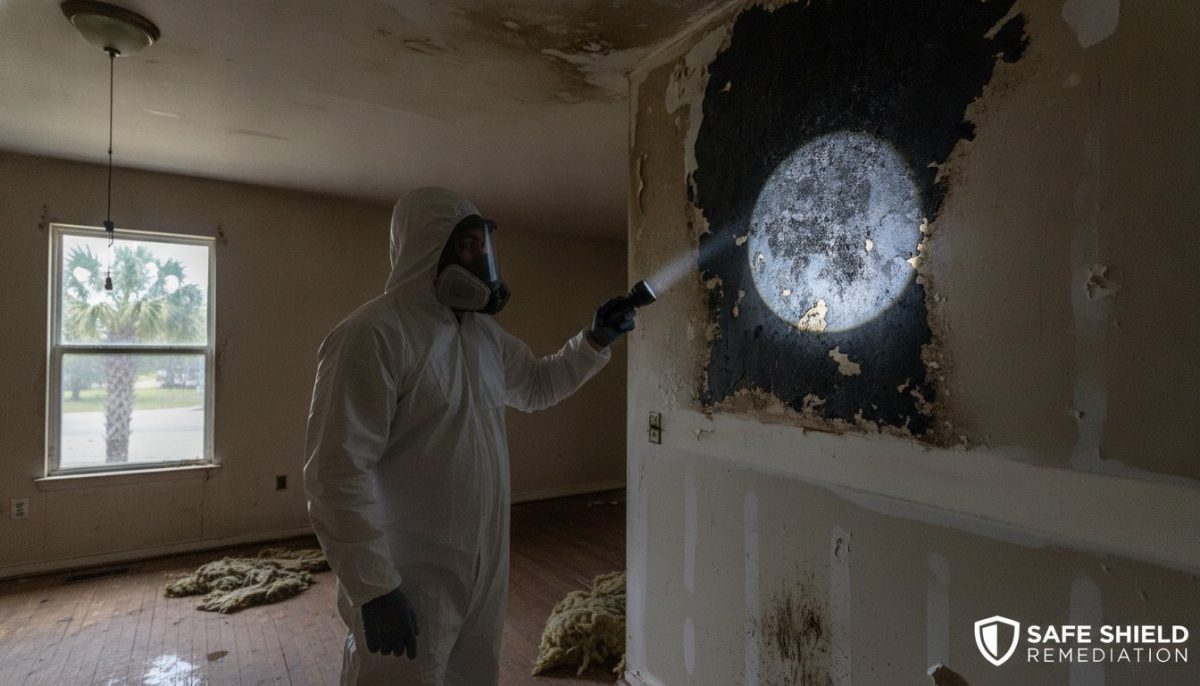
Treating a mold outbreak like a simple cleaning chore is the most common mistake South Carolina property owners make, and it often leads to catastrophic structural damage. In a state where humidity levels and hurricane risks are constant, understanding when to call a professional for mold removal south carolina is a matter of both financial and physical safety. While a small spot on a windowsill might seem manageable, the reality is that mold often signals a deeper failure in the building envelope. With South Carolina’s 2026 legislative shifts, including the pending Bill H 5109, the distinction between a surface wipe-down and technical remediation has never been more critical for legal compliance and property value.
You likely feel overwhelmed by conflicting DIY advice or the fear that toxic spores are hiding behind your drywall, and you’re right to be concerned. This guide will help you identify the exact technical thresholds where household cleaners fail and professional structural intervention becomes mandatory. We’ll examine the 10-square-foot rule, the implications of new state certifications, and the methodology required to ensure mold doesn’t just return after the next storm.
Key Takeaways
- Identify the 10-square-foot threshold where visible growth indicates a deep-seated structural issue that exceeds safe DIY capabilities.
- Understand the critical risks of cross-contamination in older South Carolina properties, where mold remediation often intersects with asbestos and lead abatement requirements.
- Learn the technical requirements of professional containment, including negative air pressure and specialized filtration, to prevent the migration of spores during structural work.
- Determine exactly when to call a professional for mold removal south carolina to ensure compliance with 2026 health regulations and protect your long-term property valuation.
- Discover how integrating mold remediation with professional interior gutting services provides a comprehensive solution for severe contamination and structural restoration.
The 10-Square-Foot Rule and Beyond: Defining the Professional Threshold
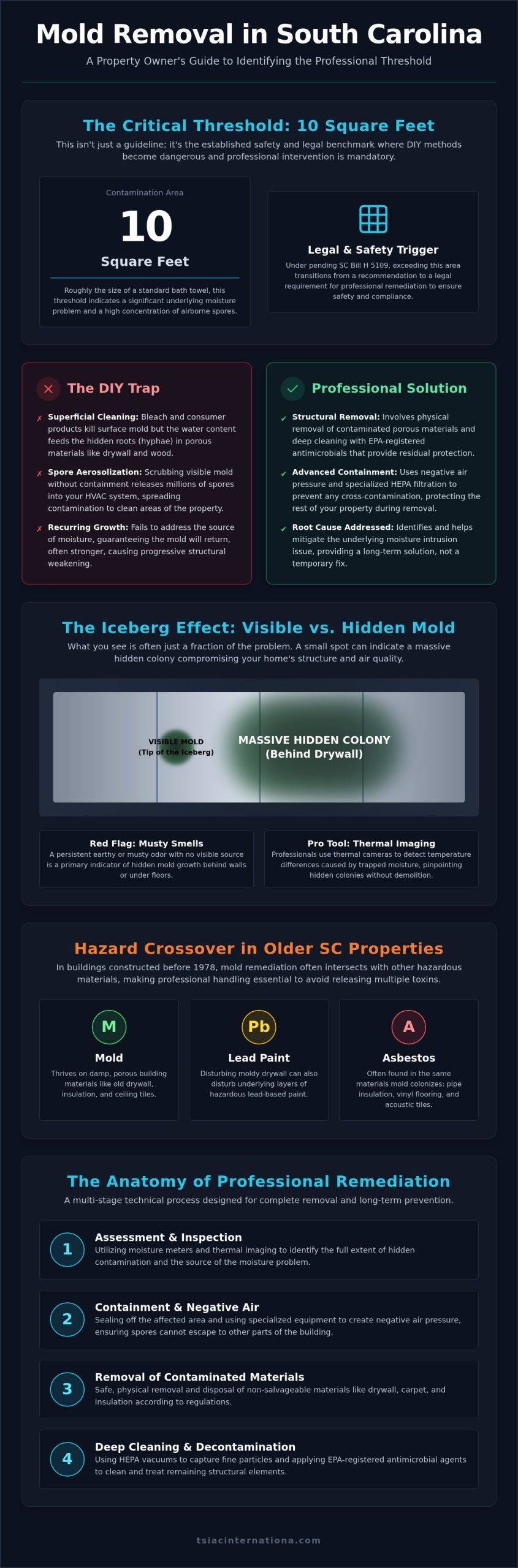
The Environmental Protection Agency (EPA) establishes a specific benchmark for safety: any mold contamination exceeding 10 square feet requires professional handling. This measurement, roughly the size of a standard bath towel, isn’t an arbitrary figure. It represents the point where the spore load becomes too concentrated for standard household ventilation to manage. Under South Carolina’s pending Bill H 5109, this 10-square-foot threshold is transitioning from a guideline to a legal definition for professional intervention. Relying on a comprehensive guide to mold remediation is essential because surface area is almost always an underestimate of the actual fungal colony. When you scrub a visible patch, you risk aerosolizing millions of spores, which then migrate through your HVAC system and settle in uncontaminated areas.
Visible vs. Hidden Mold: The Iceberg Effect
Visual inspections only tell part of the story. Mold is a biological organism that thrives in dark, stagnant environments. A small discoloration on a baseboard often serves as the “tip of the iceberg,” indicating a massive colony thriving behind the drywall or under the flooring. Professional teams use high-resolution thermal imaging to detect temperature differentials that signal moisture pockets. They also employ moisture meters to quantify the saturation of structural members. If you notice persistent musty smells without a clear source, it’s a primary indicator of hidden growth that demands a technical assessment. Knowing when to call a professional for mold removal south carolina is critical when these sensory red flags appear, as hidden mold can compromise the integrity of your wall studs and floor joists long before it becomes visible.
Recurring Growth: Why Cleaning Isn’t Remediation
Many property owners attempt to resolve the issue with bleach or consumer-grade fungicides. This approach usually fails on porous materials like wood or drywall. Bleach is mostly water; while the chlorine kills surface spores, the water soaks into the material and actually feeds the deep-seated roots, or hyphae. This leads to recurring growth cycles that weaken the structure over time. Professional remediation involves a multi-stage process that includes physical removal of contaminated materials and the application of EPA-registered antimicrobials. These industrial solutions are designed for deep penetration and long-term residual protection. You should determine when to call a professional for mold removal south carolina if a previously “cleaned” area shows signs of regrowth within weeks. True remediation addresses the root cause, such as structural moisture intrusion—which may require a specialist like Family Roofing to fix underlying leaks—or high ambient humidity, rather than just masking the symptoms.
Identifying High-Risk Mold Scenarios in Older Structures
Older South Carolina properties, particularly those built before 1978, present a unique set of challenges that extend far beyond simple moisture management. In these structures, mold growth rarely exists in isolation; it often colonizes materials manufactured using legacy hazardous substances. This is precisely when to call a professional for mold removal south carolina, as a standard DIY approach could inadvertently release toxic particulates into your breathing zone. Adhering to OSHA mold safety guidelines is vital for ensuring that the removal process doesn’t trade one health hazard for another.
The Hazard Crossover: Mold, Lead, and Asbestos
In many historical or mid-century buildings, fungal colonies thrive on damp acoustic ceiling tiles, pipe insulation, or vinyl flooring adhesives. These specific materials are high-risk candidates for containing asbestos fibers. If you attempt to tear out moldy drywall without proper testing, you risk disturbing lead-based paint or friable asbestos. This makes specialized asbestos removal in South Carolina a necessary component of the remediation process. A unified hazardous material abatement strategy ensures every toxic element is contained and disposed of according to current environmental standards. Selective demolition is often necessary to reach deep-seated colonies without compromising the structural integrity of the surrounding area.
HVAC and Ductwork Contamination
The central air system often acts as a “super-spreader” for fungal spores. In South Carolina’s humid climate, condensation inside dark ductwork creates an ideal nursery for mold. Once the system is engaged, it pushes mycotoxins through every room, regardless of where the original water intrusion occurred. If you notice a persistent odor that intensifies when the AC cycles on, it’s a clear sign your ventilation is compromised. Professional protocols often dictate that porous duct insulation cannot simply be cleaned if heavily infested. It must be professionally removed under strict containment to prevent cross-contamination. Securing a professional hazardous material assessment is the most reliable way to protect your property and health before starting any major cleanup.
The Anatomy of Professional Remediation: Beyond Surface Scrubbing
Professional remediation is a rigorous engineering process designed to isolate and eliminate fungal contaminants without compromising the rest of the structure. Unlike DIY attempts, which often spread spores through the home’s airflow, experts utilize physical barriers and airlocks to create a sealed environment. This is exactly when to call a professional for mold removal south carolina; when the contamination requires specialized negative air pressure machines to maintain environmental control. These industrial units exhaust filtered air outside the building, creating a vacuum that prevents microscopic particles from escaping the work zone. By following established EPA guidelines on mold cleanup, professionals ensure that the spore count within the containment area is neutralized before the seals are removed.
In cases of severe infestation, the demolition process in South Carolina serves as a surgical tool for remediation. Technicians remove non-salvageable porous materials, such as saturated drywall or insulation, while maintaining strict dust control. This technical approach addresses the root of the colony, ensuring no hyphae remain dormant within the wall cavities. The goal isn’t just a clean surface but a restored building envelope that’s free of biological hazards.
Engineering Controls and PPE
The safety equipment used in professional settings far exceeds the capabilities of a standard N95 mask. Technicians wear full-face respirators with P100 filters, providing protection against both spores and the volatile organic compounds (VOCs) released during the removal process. Industrial air scrubbers equipped with HEPA filtration capture 99.97% of particulates as small as 0.3 microns. Continuous air quality monitoring throughout the project ensures that “clearance” levels are met, confirming the space is safe for re-occupancy. Understanding when to call a professional for mold removal south carolina often comes down to recognizing that consumer-grade gear cannot protect your respiratory system during large-scale disturbance.
Structural Drying and Dehumidification
Removing the visible mold is only half the battle. If the building materials don’t reach a specific “dry standard,” the mold will inevitably return. Professionals use industrial-grade LGR (Low Grain Refrigerant) dehumidifiers that pull significantly more moisture from the air than any consumer model. Technicians track moisture migration deep within structural wood and masonry using penetrating and non-penetrating meters. This data-driven approach guarantees that the environment no longer supports fungal life, providing a permanent solution rather than a temporary fix. It’s this level of technical precision that differentiates a professional remediation project from a simple cleaning effort.
Health, Liability, and Property Value: The Non-Physical Costs
The impact of a fungal outbreak extends far beyond the visible degradation of building materials. In South Carolina, the legal and medical liabilities associated with improper remediation can outweigh the physical repair costs. Deciding when to call a professional for mold removal south carolina is often a legal decision as much as a technical one. With the 2026 legislative session considering the “Healthy Rental Housing Act” (Bill H 3232), landlords and commercial property managers face increased scrutiny regarding moisture disclosure and habitability. Failing to provide documented, professional clearance can lead to significant litigation if tenants experience adverse health effects.
Property disclosure forms in South Carolina require the reporting of past mold issues. A “DIY” cleanup without a professional certificate of completion often acts as a red flag for savvy buyers and home inspectors. This lack of documentation creates a “stigma” that can depress property values by more than the cost of the original remediation. Most insurance providers now mandate professional certification to satisfy claims, as they view uncertified work as a high-risk factor for future structural failure.
Vulnerable Populations and Immediate Action
Health considerations should always dictate the timeline for professional intervention. Individuals with compromised immune systems, infants, and the elderly are at a heightened risk for severe reactions. According to 2022 CDC data, the adult asthma rate in South Carolina is 9.0%, a statistic that underscores the danger of circulating mycotoxins in residential environments. Toxic mold syndrome refers to a cluster of symptoms resulting from chronic mycotoxin exposure, including persistent headaches, cognitive impairment, respiratory distress, and chronic fatigue. When these symptoms appear, immediate evacuation and professional containment are necessary to prevent long-term respiratory damage.
Protecting Your Real Estate Investment
Professional remediation is an investment in the asset’s future marketability. A certified remediation report serves as a legal shield, proving that the moisture source was identified and the biological load was neutralized according to industry standards. This documentation is essential during the due diligence phase of a property sale. It transforms a potential liability into a verified maintenance record, ensuring that your property value remains intact despite a previous water intrusion event. If you are managing a commercial or residential asset, securing professional mold remediation services is the only way to guarantee regulatory compliance and occupant safety.
Comprehensive Hazardous Material Management: The Professional Solution
Effective remediation in complex commercial or residential environments often requires a transition from simple cleaning to a full structural reset. Integrating mold removal with commercial interior gutting services ensures that every contaminated substrate is physically removed from the premises. Understanding when to call a professional for mold removal south carolina is vital when dealing with large-scale water damage where moisture has wicked deep into the structural framing. A specialized demolition contractor possesses the heavy equipment and technical knowledge to handle these structural interventions while maintaining strict hazardous material containment protocols that a standard cleaning crew cannot provide.
Selective Demolition for Deep Remediation
When fungal colonies penetrate deeply into porous materials like timber or masonry, surface treatments are insufficient. Selective demolition allows for the surgical removal of impacted components without disturbing the building’s primary structural integrity. This process involves the safe disposal of mold-impacted building materials under controlled conditions to prevent the release of particulates into the surrounding air. Environmental responsibility is a core pillar of professional remediation. TSIAC International’s approach involves meticulously sorting non-contaminated wood, metal, and plastic for recycling, ensuring that only the truly hazardous biological waste is sent to specialized disposal facilities. This methodology ensures that while the biological hazard is eliminated, the project remains sustainable and compliant with 2026 South Carolina environmental guidelines regarding material waste.
Choosing an Abatement Partner
Selecting the right partner is the most critical step in restoring a contaminated property to a safe state. You should look for a firm with at least 15 years of industry experience in hazardous environments, as this depth of knowledge is vital for navigating the intersection of mold, asbestos, and lead. When evaluating a provider, ask about their containment physics, their air filtration standards, and their specific protocols for structural drying. A reputable professional will provide a comprehensive site assessment that uses data from thermal imaging and moisture probes to create a technical roadmap for the entire project. Determining when to call a professional for mold removal south carolina is the first step toward securing a safe living or working environment; the second is ensuring your chosen partner treats the project with methodological precision and professional transparency. This thorough approach moves the property from a hazardous state to a safe, gut-out condition ready for high-quality renovation.
Restoring Structural Integrity and Environmental Safety
Managing mold in South Carolina’s humid climate requires more than surface-level cleaning; it demands a technical understanding of building physics and hazardous material containment. We’ve established that exceeding the 10-square-foot threshold or encountering growth in pre-1978 structures creates risks that DIY methods cannot safely mitigate. Determining when to call a professional for mold removal south carolina is the most critical step in protecting your property’s long-term value and your occupants’ respiratory health. By prioritizing professional documentation and negative air pressure containment, you eliminate the risk of cross-contamination and ensure compliance with 2026 legislative standards.
With over 15 years of hazardous material expertise, TSIAC International provides the technical precision necessary for complex remediation projects. Our team specializes in the simultaneous removal of mold, asbestos, and lead, offering comprehensive structural gut-out capabilities that prepare your property for a safe renovation. You can secure your property with professional hazardous material abatement from TSIAC International to ensure every biological and mineral hazard is handled with methodological accuracy. Taking decisive action now prevents structural decay and provides the peace of mind that comes with a truly decontaminated environment.
Frequently Asked Questions
Is mold removal covered by homeowners insurance in South Carolina?
Coverage for mold removal depends entirely on the underlying cause of the moisture intrusion. Most standard South Carolina policies cover remediation if the mold is a direct result of a “covered peril,” such as a sudden pipe burst or accidental water discharge. However, many insurers exclude mold resulting from long-term humidity, lack of maintenance, or flood events unless you have a specific flood insurance policy or a mold endorsement rider. It’s essential to review your policy’s “fungi or bacteria” exclusion clause before filing a claim.
How long does the professional mold remediation process typically take?
A standard remediation project generally takes between three to seven days to complete. The first phase involves establishing physical containment and negative air pressure, which usually occurs on day one. The subsequent days are dedicated to the physical removal of contaminated materials and the intensive drying of structural components. This timeline ensures that building materials reach the “dry standard” necessary to prevent the fungi from returning immediately after the project concludes.
Can I stay in my home while professional mold removal is being performed?
Whether you can remain on-site depends on the location of the growth and the health of the occupants. If the mold is contained within a single room with a sealed airlock, staying in other parts of the house is often possible. However, if the HVAC system is compromised or if occupants belong to vulnerable groups, such as the 9.0% of South Carolina adults living with asthma, temporary relocation is highly recommended. Professionals prioritize your safety and will advise on evacuation if the spore load poses a respiratory risk.
What is the difference between mold “removal” and mold “remediation”?
Mold removal is the simple physical act of cleaning or taking out visible mold, while remediation is a comprehensive structural reset. Remediation involves a multi-stage protocol that includes source identification, containment, air filtration, and the application of industrial antimicrobials. This scientific approach addresses the root cause of the infestation. Knowing when to call a professional for mold removal south carolina ensures you receive a full remediation that prevents the colony from recolonizing the same space.
How do I know if my mold problem is related to asbestos or lead paint?
The age of your property is the most reliable indicator of a hazardous material crossover. If your building was constructed before 1978, mold growing on pipe insulation, acoustic ceiling tiles, or painted drywall likely involves asbestos or lead-based paint. Disturbing these surfaces without professional testing can release toxic fibers or heavy metal dust into your breathing zone. In these scenarios, a unified abatement strategy is the only safe way to handle the demolition of contaminated materials.
Will the mold come back after a professional has treated the area?
Mold will not return if the professional remediation was performed correctly and the moisture source was permanently eliminated. Experts use industrial-grade dehumidifiers and penetrating moisture meters to ensure structural wood and masonry are below the threshold for fungal growth. If you fix the underlying leak or humidity issue, the EPA-registered antimicrobials used during the process provide a residual barrier that prevents new spores from taking root in the treated area.
What certifications should a South Carolina mold professional hold in 2026?
By July 2026, property owners should look for providers certified by the South Carolina Mold Assessment and Remediation Board as proposed under Bill H 5109. This legislation requires formal certification for any remediation project exceeding ten square feet. Additionally, ensure your contractor has verified expertise in asbestos and lead abatement if you’re working on an older structure. Validating these credentials ensures that the work meets the highest safety and regulatory standards in the state.
What happens if I ignore a small amount of mold in my crawlspace?
Ignoring even a small patch of mold in a crawlspace can lead to significant structural decay and degraded indoor air quality. South Carolina’s high ambient humidity allows crawlspace mold to migrate quickly into floor joists and subflooring, potentially leading to wood rot. Through the “stack effect,” air from your crawlspace is pulled upward into your living areas, meaning you may be breathing in mycotoxins even if you never enter the crawlspace. Early intervention is always more cost-effective than a total structural gut-out.
