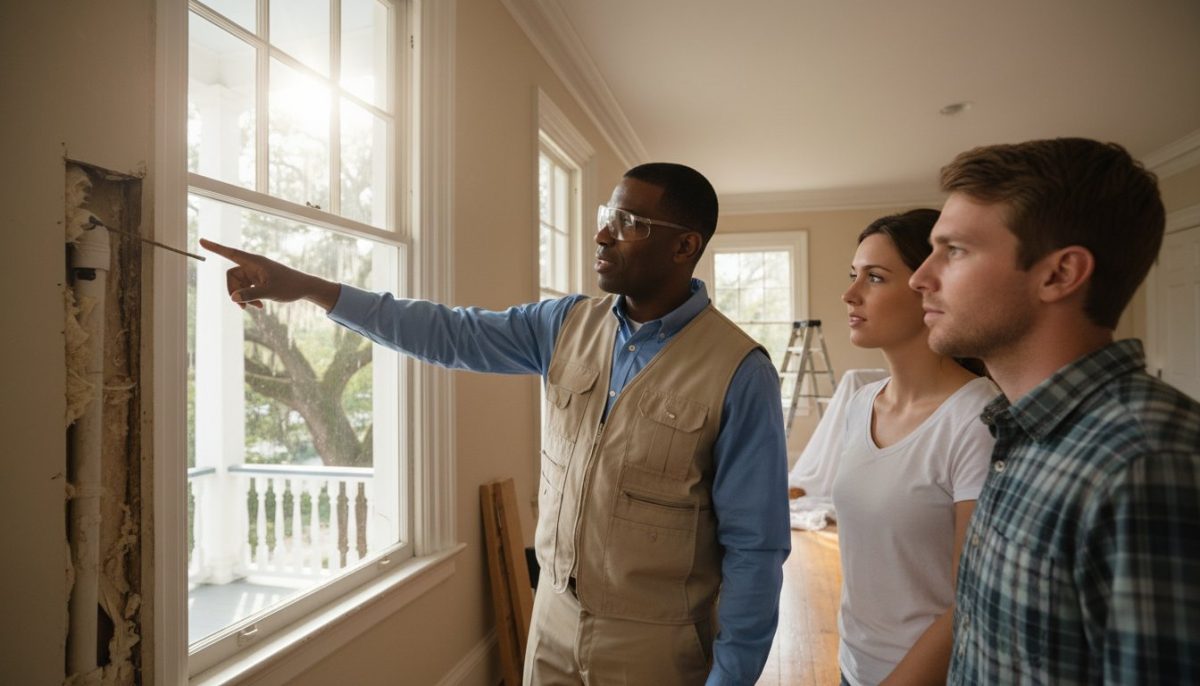
In South Carolina, more than 40% of residential structures in historic hubs like Charleston and Myrtle Beach were constructed before 1980. This data…
In South Carolina, more than 40% of residential structures in historic hubs like Charleston and Myrtle Beach were constructed before 1980. This data point means the statistical likelihood of encountering asbestos in old homes south carolina during a routine renovation is nearly one in two. You’ve likely felt a sense of hesitation when peeling back layers of vintage linoleum or inspecting attic insulation; it’s the valid concern that a simple home improvement could inadvertently release hazardous fibers into your family’s living space. We understand that maintaining a property’s structural integrity requires a disciplined, technical approach rather than guesswork.
This guide delivers the precise information required to navigate the 2026 SCDES, formerly DHEC, regulations, helping you identify high-risk materials and understand the specific legal exemptions available to residential owners. We’ll examine the specific locations where these minerals reside and outline the process for securing a certified abatement partner to keep your project on track. You’ll gain a clear roadmap for mitigating health risks while avoiding the common regulatory hurdles that often stall South Carolina restoration projects.
Key Takeaways
Identify high-risk materials and specific visual cues common in South Carolina residences built between 1920 and 1980.
Understand the 2026 SCDES legal framework for managing asbestos in old homes south carolina, including how the “4-unit or fewer” exemption applies to your property.
Learn the technical requirements of professional abatement, such as the use of negative pressure containment to prevent dangerous fiber migration.
Discover how a structured, engineering-led remediation process ensures compliance with the most stringent state safety and disposal standards.
Gain insights into why specialized hazardous material handling is essential for protecting the long-term value of historic coastal and mid-century properties.
The Legacy of Asbestos in South Carolina’s Residential History
Asbestos refers to a specific group of six naturally occurring silicate minerals that builders once prized for their extraordinary tensile strength, poor heat conduction, and resistance to chemical corrosion. Between 1920 and 1980, these fibers were integrated into thousands of building products across the United States. The Legacy of Asbestos is deeply intertwined with the industrialization of the American South, where its durability made it a staple in both commercial and residential construction projects. Because the mineral is nearly indestructible, it provided a cost-effective solution for fireproofing and insulation in a rapidly growing region.
In the Lowcountry, the prevalence of asbestos in old homes south carolina correlates directly with the construction surges of the mid-20th century. Data from the South Carolina Department of Health and Environmental Control (DHEC) indicates that structures built prior to the federal bans of the late 1970s frequently contain these materials. The transition from industrial use to residential standards occurred rapidly after 1945, as developers sought ways to fireproof suburban dwellings. It’s vital to understand that the presence of asbestos doesn’t automatically create a health crisis. If the material remains in good condition and stays undisturbed, the risk of fiber release is minimal. Danger arises during renovations, demolition, or when environmental factors compromise the structural integrity of the material.
Era-Specific Risks: From Charleston Historic District to Mid-Century Suburbs
Historic renovations in downtown Charleston often encounter asbestos in 19th-century homes that were updated or expanded during the 1930s. Contractors frequently find mineral-fiber insulation and textured paints in these properties that weren’t part of the original build. In contrast, the post-war boom in Myrtle Beach and North Charleston during the 1950s and 1960s saw a 40% increase in the use of transite siding and asbestos-cement shingles. Coastal humidity levels, which often exceed 80% during the summer months, can accelerate the weathering of exterior binders. This degradation potentially exposes fibers over several decades, making routine inspections a necessity for maintaining structural safety.
Friable vs. Non-Friable: What Homeowners Must Know
Professionals categorize asbestos-containing materials (ACMs) by their friability, which is a technical measure of how easily the material crumbles. This distinction is critical for risk assessment and remediation planning. Managing the presence of asbestos in old homes south carolina requires a methodical approach to these two categories:
Friable Materials: These can be pulverized by simple hand pressure. Common examples include spray-applied “popcorn” ceilings popular in the 1970s and magnesium pipe insulation found in older attics. These materials are hazardous because they allow microscopic fibers to become airborne instantly upon contact.
Non-Friable Materials: These contain fibers locked within a solid matrix, such as 9-inch vinyl floor tiles or corrugated roofing sheets. These remain relatively safe and stable unless they’re sanded, sawed, or crushed during a home remodel.
For a homeowner in Columbia or Charleston, identifying these risks requires a technical understanding of how these materials were applied. While a solid floor tile might pose little risk during daily use, the adhesive used beneath it often contains high concentrations of chrysotile asbestos. Every renovation project in a pre-1980 home should begin with a professional survey to ensure that these legacy materials are handled with engineering precision and total safety.
Identifying Common Asbestos-Containing Materials in SC Homes
Determining the presence of asbestos in old homes south carolina requires a technical eye and an understanding of regional construction history. Between 1930 and 1980, thousands of residential structures in Charleston and the surrounding Lowcountry incorporated mineral fibers for fireproofing and insulation. You’ll often find these materials in undisturbed areas like crawlspaces or utility rooms. While some indicators are visual, microscopic analysis remains the only definitive method for identification. The EPA provides a detailed list of Common Asbestos-Containing Materials that homeowners should recognize before starting any demolition or renovation project.
Visual cues serve as a preliminary warning system, but they aren’t evidence of safety. In basements and crawlspaces, look for white, chalky tape on metal ductwork or grey, cement-like pipes. In attics, the presence of pebble-like insulation suggests a high probability of contamination. However, asbestos fibers are microscopic and odorless. A material that looks identical to modern fiberglass might actually be a hazardous composite. Professional laboratory testing is a non-negotiable step because it quantifies the exact percentage of asbestos present, allowing for a calculated risk assessment and a precise abatement strategy.
Interior Hotspots: Flooring, Ceilings, and Insulation
Floor tiles manufactured before 1980 are a primary concern for local property owners. Specifically, 9×9 inch vinyl tiles almost universally contain asbestos fibers. The risk isn’t limited to the tile itself; the black mastic adhesive used to secure these floors, often called “cutback,” frequently contains high concentrations of chrysotile asbestos. When homeowners scrape up old flooring, they inadvertently aerosolize these fibers, creating a severe inhalation hazard in confined spaces.
Textured “popcorn” ceilings and the joint compounds used in drywall systems represent another significant interior risk. These materials often contain 1% to 10% asbestos to provide texture and fire resistance. Because these surfaces are “friable,” they can be crumbled by hand pressure, releasing dust into the living environment. In many South Carolina attics, vermiculite insulation poses a hidden danger. Approximately 70% of all vermiculite sold in the U.S. between 1919 and 1990 originated from a mine in Libby, Montana, which was contaminated with tremolite asbestos. This insulation looks like small, shiny accordion-shaped pellets and should never be disturbed without professional oversight.
Exterior and Structural Components
Coastal South Carolina homes built between 1940 and 1970 frequently utilize “transite” siding. This cement-asbestos composite was favored for its extreme resistance to salt air, humidity, and rot. It appears as hard, brittle grey shingles or large flat panels with a wavy or wood-grain texture. While transite is generally safe when intact, it becomes dangerous when it’s cracked, drilled, or power-washed. Maintaining the structural integrity of these exterior envelopes is a core component of specialized building maintenance and long-term asset protection.
Structural components also hide risks in historic window restorations. Window glazing and caulking compounds used prior to 1980 often contain asbestos to improve weather resistance and durability against the harsh Charleston sun. Additionally, HVAC systems in older properties often feature white thermal paper or “mummy wrap” around ductwork joints. This material is highly susceptible to frictional wear and degradation over time. If you observe frayed or peeling white tape on your heating and cooling pipes, it indicates a failure of the containment material and requires immediate professional evaluation to prevent the distribution of fibers through the home’s ventilation system.
Navigating South Carolina Asbestos Laws and Regulations (2026)
Regulatory oversight for hazardous materials in the Palmetto State rests with the South Carolina Department of Environmental Services (SCDES). This agency enforces Regulation 61-86.1, which dictates how property owners must handle potential carcinogens. When dealing with asbestos in old homes south carolina, many homeowners mistakenly assume they’re entirely outside the law’s reach. While the state provides certain flexibilities for private residents, the technical requirements remain stringent to prevent public health crises.
South Carolina law provides a specific exemption for residential structures containing four or fewer dwelling units. This means a private homeowner isn’t legally mandated by the state to perform a comprehensive asbestos survey before a standard renovation project. However, this exemption is a regulatory technicality; it’s not a safety standard. For a detailed breakdown of these statutes, homeowners should consult the South Carolina asbestos regulations to understand their specific liabilities under the law. Even if a project is exempt from the inspection mandate, the material itself remains regulated once it’s disturbed.
Being “exempt” from an inspection doesn’t grant license to dispose of hazardous waste in a standard Charleston County trash bin. Federal EPA guidelines still apply to the transport and final disposal of these materials. Licensed landfills in the Lowcountry require specific documentation and manifest forms that only licensed contractors can provide. Attempting to bypass these protocols by dumping “exempt” material into a residential roll-off container is a violation of environmental law. It’s a risk that carries heavy penalties and long-term environmental consequences for the local community.
The Legal Risks of DIY Asbestos Removal in SC
DIY abatement is a high-stakes gamble with narrow margins for error. If a homeowner improperly handles friable asbestos, they risk fines that can exceed $10,000 per day of violation under SCDES enforcement. Beyond immediate penalties, South Carolina’s 2026 real estate disclosure requirements are unforgiving. Selling a property with a history of unmitigated or improperly removed asbestos in old homes south carolina creates massive civil liability. If a future buyer discovers contamination, the original owner may face lawsuits for non-disclosure and endangerment. The health risks are equally severe; microscopic fibers can linger in HVAC systems for years, exposing family members to preventable respiratory diseases.
Permitting and Notification Requirements
Project scope determines the level of state involvement. For total demolitions in Charleston, a “Notification of Demolition” form must be submitted to SCDES at least 10 working days before work starts, regardless of whether asbestos was found. Renovation permits are handled at the municipal level, but they often require proof of a professional assessment if the structure was built before 1980. TSIAC manages this entire administrative burden for our clients. We handle the 10-day notifications, secure the necessary SCDES permits, and provide the final air clearance reports required to close out a project safely and legally. Our process ensures that every technicality is addressed with engineering precision.
The Professional Abatement Process: From Testing to Disposal
Managing hazardous materials requires a level of engineering precision that mirrors complex structural projects. When addressing asbestos in old homes south carolina, the process begins with a rigorous environmental assessment. Certified inspectors perform bulk sampling of materials like popcorn ceilings or pipe insulation, followed by baseline air quality testing. These initial metrics provide a data-driven foundation for the entire remediation strategy. Accuracy at this stage prevents the accidental release of microscopic fibers that measure less than 3 microns in width. These fibers are invisible to the naked eye but pose the highest health risks when inhaled.
A professional team doesn’t just start tearing out walls. They evaluate the friability of the material, which refers to how easily it can be crumbled into dust. In Charleston’s humid climate, moisture can sometimes hide the true state of decay in older building materials. Technicians use specialized equipment to map out every square foot of the contaminated area before a single barrier is raised. This methodical approach ensures that the project timeline remains predictable and that safety margins are never compromised.
Containment: Setting Up a Safe Work Zone
A controlled environment is the only way to ensure safety during a renovation. Technicians establish a negative pressure containment zone using 6-mil poly-sheeting to seal all openings, including windows, doors, and HVAC vents. High-Efficiency Particulate Air (HEPA) filtration units move at least 4 air changes per hour. This setup ensures that air flows into the work area but never out into the rest of the home. Workers enter through a three-stage decontamination chamber where they transition through clean, shower, and dirty rooms. This protocol prevents cross-contamination. Warning signage must be posted at every entry point to inform the neighborhood that a regulated work area is active, maintaining transparency and public safety.
Industry standards prioritize wet-removal techniques to manage dust at the source. By saturating asbestos-containing materials with amended water, technicians increase the weight of the fibers. This causes them to drop to the floor rather than drift through the air. This method reduces airborne fiber counts by 90% compared to dry scraping methods. Every square foot of the work area undergoes a meticulous cleaning process, often involving HEPA-vacuuming and damp wiping of all surfaces once the primary materials are removed. It’s a labor-intensive process that leaves no room for error.
Safe Disposal and Documentation
The final phase of the project involves strict adherence to South Carolina environmental laws. All hazardous waste is double-bagged in 6-mil leak-tight containers and labeled with specific OSHA and DHEC warnings. These materials don’t go to standard municipal landfills. Instead, they’re transported to specialized Class 3 landfills permitted to handle friable asbestos. Homeowners receive a waste shipment manifest. This document tracks the material from the moment it leaves the property until it reaches its final disposal point. It serves as a legal record for the residence, which is vital for future property inspections or sales.
Before the containment barriers are dismantled, an independent laboratory performs final clearance testing. This involves aggressive air sampling where leaf blowers or fans circulate air to ensure no residual fibers remain. A passing result requires fiber concentrations to be below 0.01 fibers per cubic centimeter of air. Only after this specific threshold is met is the site declared safe for re-occupancy, providing the owner with a verified clean bill of health for their property.
Why TSIAC International is the Trusted Choice for SC Abatement
Since 2008, TSIAC International has served as a cornerstone of environmental safety for the Charleston and Myrtle Beach markets. We’ve spent 16 years refining a methodology that prioritizes technical precision over quick fixes. Managing asbestos in old homes south carolina requires a deep understanding of how these hazardous materials were integrated into historic building envelopes. Our team doesn’t just offer labor; we provide a disciplined engineering approach to every remediation project we undertake. We’re licensed, bonded, and carry $2 million in specialized liability insurance, providing a safety net for both high-stakes residential renovations and complex commercial developments.
Our service model is built on full-scale capabilities. We handle everything from selective demolition to the total remediation of hazardous substances. This means homeowners don’t have to coordinate between multiple contractors who might not understand the delicate nature of asbestos containment. Whether it’s removing contaminated floor tiles or stripping industrial pipe insulation, we execute every phase with surgical accuracy. We’ve completed over 1,200 abatement projects across the state, and our reputation is built on the fact that we don’t leave room for error. Safety isn’t a goal; it’s our baseline requirement.
Environmental responsibility is a core pillar of our operation. We’ve implemented a rigorous waste management protocol that has allowed us to increase our material recycling rate by 24 percent since 2019. We ensure that all non-hazardous debris is diverted from local landfills and processed through the correct channels. When we handle asbestos in old homes south carolina, we follow strict disposal chains that protect the Lowcountry’s fragile ecosystem. Our commitment to the planet is just as firm as our commitment to our clients’ health.
Our Local Expertise in Charleston and Beyond
The Lowcountry presents unique structural challenges that many national firms overlook. Charleston’s high humidity levels and historic lath-and-plaster construction require specific containment strategies to prevent mold growth and structural degradation during abatement. We’ve developed long-standing relationships with the South Carolina Department of Environmental Services (SCDES) and local building departments. In the last 24 months alone, we’ve successfully navigated 185 site inspections without a single regulatory violation. We know the inspectors, we know the codes, and we know exactly what’s required to keep your project on schedule and in total compliance.
Get a Professional Assessment Today
Renovating an older property without a professional assessment is a significant financial and health risk. Disturbing even a small area of textured ceiling or old vinyl flooring can release millions of microscopic fibers into your HVAC system. Once these fibers are airborne, the cost of decontamination can triple. We provide transparent, data-driven quotes based on physical site inspections and certified laboratory results. We don’t guess; we measure. Taking action now prevents the complications that arise when a project is halted by an unexpected discovery of hazardous materials. Our process is designed to give you total control over your home’s safety profile.
Secure Your Property Through Professional Mitigation
Managing the risks associated with asbestos in old homes south carolina isn’t just a safety precaution; it’s a critical legal requirement under the updated 2026 SCDES guidelines. Homeowners must identify hazardous materials like textured ceilings or thermal insulation before any demolition begins. Professional intervention ensures that these microscopic fibers don’t compromise your indoor air quality or lead to regulatory penalties. Our team at TSIAC International brings over 15 years of industrial experience to every residential site. As a licensed SCDES abatement contractor, we’ve completed hundreds of projects with technical precision, particularly within the complex landscape of Charleston historic renovations. We don’t just remove waste; we provide a comprehensive safety solution from the initial inspection through the final certified disposal. This methodical approach protects both your family’s health and your property’s long term market value. You can Request an Asbestos Abatement Quote from TSIAC International today to secure your renovation project. Let’s work together to make your historic South Carolina home safe for the next generation.
Frequently Asked Questions
How much does asbestos removal cost in South Carolina?
Asbestos removal in South Carolina typically costs between $5 and $20 per square foot depending on the material’s accessibility and condition. A standard residential project often ranges from $2,100 to $15,300. These figures include labor, specialized HEPA filtration equipment, and disposal fees at SCDHEC-approved facilities. Total expenses fluctuate based on whether you’re removing floor tiles, popcorn ceilings, or thermal pipe insulation.
Can I stay in my home during the asbestos abatement process?
You shouldn’t stay in your home while active abatement occurs in living spaces. Professional teams establish a negative pressure enclosure to prevent fiber migration; this setup often restricts access to bathrooms or kitchens. While you can remain if the work area is completely isolated in a detached structure, South Carolina safety standards prioritize occupant protection. Most projects require a 24-hour waiting period for final air clearance testing before you return.
Is asbestos testing required before I renovate my Charleston home?
Yes, the City of Charleston requires an asbestos survey before issuing renovation or demolition permits for structures built before 1980. Identifying asbestos in old homes south carolina is a mandatory safety protocol under SCDHEC Regulation 61-86.1. You must hire a licensed inspector to collect bulk samples from at least 3 separate areas of suspected material. This technical assessment ensures that hazardous fibers aren’t released into the urban environment during construction.
What should I do if I find a material I suspect contains asbestos?
Stop all work immediately and isolate the area by turning off your HVAC system to prevent air circulation. Don’t touch, sweep, or vacuum the debris because even minor disturbances can release millions of microscopic fibers. Mark a 10-foot exclusion zone around the suspect material and contact a certified professional for laboratory analysis. Precise identification through Polarized Light Microscopy is the only way to confirm a hazard exists.
Does homeowners insurance cover asbestos removal in SC?
Most standard South Carolina homeowners insurance policies don’t cover asbestos removal because it’s classified under a pollution exclusion clause. Coverage typically only applies if the asbestos is disturbed during a covered peril, such as a pipe burst or fire. Approximately 90% of policies issued by major carriers in the Lowcountry exclude routine abatement. Always review your specific policy’s Section I Exclusions for language regarding hazardous materials.
What is the difference between asbestos encapsulation and removal?
Encapsulation involves coating the material with a high-solids sealant to trap fibers, while removal physically eliminates the hazard from the structure. Encapsulation is a cost-effective technical solution for pipe insulation that remains in good condition, but it requires lifetime monitoring. Removal is the only way to achieve 100% decontamination. This is often necessary for asbestos in old homes south carolina when the material is friable or located in high-traffic renovation zones.
How long does a typical residential asbestos abatement project take?
A typical residential abatement project takes between 2 and 5 business days to complete. The timeline includes one day for site preparation and containment setup, followed by 48 hours for actual removal and HEPA vacuuming. Finally, you must account for the 24-hour period required for independent air clearance monitoring and laboratory results. Complex projects involving structural components or crawlspaces may extend this schedule by an additional 72 hours.