
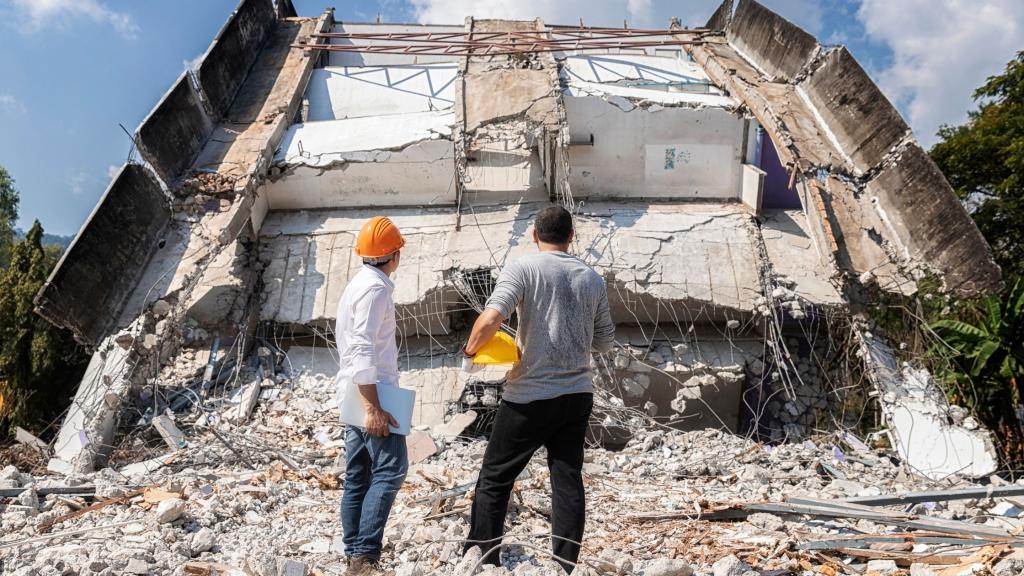
After a hurricane, tornado, or severe wind event, the clock starts ticking. The longer unsafe structures sit, the more they threaten people, schedules, and budgets. That’s where storm damaged structure demolition comes in. Done right—and done fast—controlled demolition clears hazards, stabilizes the site, and jump-starts the rebuild. At TSIAC International, our goal is simple: make the demolition phase the quickest, safest part of your recovery so construction can begin without delay.
What “controlled” demolition really means after a storm
“Controlled” doesn’t always mean dramatic implosions. In post-storm conditions, it usually means structural and selective methods carried out with tight sequencing, engineered safety controls, and real-time coordination with adjusters and builders. Crews isolate compromised members, peel back unsafe portions, and protect what’s salvageable so your GC can frame, set, or pour on a clean, verified substrate. TSIAC International specializes in all types of demolition—structural, selective, and deconstruction with heavy equipment and hand tools—which is exactly what storm sites demand.
Why speed matters (and how you get it safely)
Every day lost in demolition delays everything that follows—temporary power, framing, roofing, interiors, and move-in. Fast doesn’t mean reckless; it means front-loading the plan:
- Rapid hazard assessment: Identify collapse risks, utilities, asbestos/lead, and unstable soils before the first pull or cut.
- Scope alignment with your insurer and GC: Define what’s removed now vs. protected for later.
- Staged mobilization: Right-size machines, buckets, shears, and labor to the footprint and access limits.
- Material management & recycling: Segregate debris streams (metal, concrete, wood) to minimize haul-offs and tipping fees while supporting sustainability goals.
That last point matters: recycling and materials separation are not just “green”—they’re efficient and often cheaper. TSIAC International uses protective measures and practices recycling on projects by separating wood, metals, plastics, and steel to reduce waste and support sustainability.
Want a deeper dive into debris planning? See FEMA’s reference guidance: Public Assistance Debris Management Guide.
The controlled demo sequence that keeps rebuilds moving
- Stabilize & secure. Fence the perimeter, mark utilities, and shore where necessary so equipment can operate safely.
- Selective teardown first. Remove roofs, exterior cladding, and add-ons that create lateral load or wind catch. Interior strips follow to expose structure.
- Structural removal. Excavate or shear compromised frames, trusses, and masonry in a top-down, load-path-aware sequence.
- Foundation decisions. Where foundations are heaved, undermined, or out of tolerance, remove them now; where they’re sound, protect and document them to preserve the schedule.
- Segregate debris. Metal to scrap, clean concrete to crush, wood to C&D—keep dumpsters “pure” to control cost and speed turnarounds.
- Surface prep for the builder. Grade, compact, and proof-roll as needed; verify elevations and setbacks; hand back a site that’s truly “ready to build.”
- Final clean & verification. A thorough sweep—foundations, trees, and hidden debris included—prevents rework when crews arrive.
How controlled demo accelerates timelines
- Eliminates safety holds: Removing collapse risks and stray utilities clears the way for trades and inspections to proceed in parallel.
- Preserves what’s usable: Selective demo saves slabs, utilities, or undamaged wings when appropriate—less to rebuild, less to insure.
- Reduces change orders: Clear scope, daily progress checks, and clean turnover limit surprises when the rebuild team mobilizes.
- Cuts hauling time: Sorted debris moves faster and cheaper. If concrete is stockpiled for on- or off-site crushing, you also reduce the number of truck cycles.
- Speeds permitting closes: Documented removal and site conditions make it easier for inspectors to sign off and for your GC to pull follow-on permits.
What about abatement and fire-water residues?
Storm losses often expose older materials or mix fire, smoke, and water damage with structural failure. That’s why your demolition partner should be built for abatement as well as tear-down. TSIAC International’s core competencies include asbestos and lead abatement alongside structural and selective demolition—so hazardous building materials can be identified and addressed without handing the project to multiple subs.
Residential, commercial, and municipal recovery
Whether you’re a homeowner, a property manager, a procurement officer, or a GC on public projects, the fundamentals don’t change: you need fast, clean, safe demolition and a site that’s truly ready for the next trade. TSIAC International delivers complete teardowns for residential, commercial, and industrial structures, tailored to the client and the contract.
Why partner with TSIAC International for storm recovery?
- All methods, one team. Structural demo, selective demo, and careful deconstruction—the right tool for each task—so we protect what matters and remove what doesn’t.
- A fast demo and a thorough cleanup. We remove everything you need gone and perform a detailed clean so your builders start on schedule, not on a mess.
- Family-owned, highly experienced. From our family to yours, we bring 15+ years of demolition experience and a reputation for doing the job right.
- Built for disaster work. We routinely support rebuilding after floods and fires, and we coordinate around your schedule to minimize downtime.
- Abatement ready. If a storm exposes asbestos or lead, our in-house abatement capabilities keep your project moving.
- Local commitment. We proudly serve Charleston and surrounding communities and understand local conditions, codes, and workflows.
Frequently asked questions
How fast can demolition start after a storm?
Mobilization depends on access, utility shutdowns, and abatement needs. With approvals in place, a properly sized crew and equipment can often start within days and finish selective/structural removals in tight windows—especially when the contractor controls sorting, hauling, and cleanup. TSIAC’s process is designed to operate around your schedule.
Can you keep my slab or foundation?
Sometimes. If a foundation is intact, within tolerance, and not undermined, preserving it can save weeks. If it’s compromised, we remove it and hand back a blank slate for your GC.
Will you separate debris for recycling?
Yes. Sorting metals, concrete, wood, and plastics is part of our standard operating procedure and supports both sustainability and cost control.
The bottom line
Controlled demolition is the pivot point in storm recovery. Done with focus and discipline, it compresses the timeline, lowers risk, and gives your builder a surface that speeds every trade that follows. If you’re navigating insurance, juggling schedules, and racing weather windows, partner with a crew that treats demolition like a precision operation—not an afterthought.
Ready to rebuild faster? Talk to TSIAC International about storm-damaged structure demolition and handoffs that keep your project moving—safely, cleanly, and on time.
