
Charleston’s architectural heritage faces constant pressure from development needs, creating opportunities for property owners to choose between traditional demolition methods and environmentally conscious deconstruction approaches. The growing awareness of sustainability in construction has sparked increased interest in deconstruction vs demolition practices that prioritize material recovery over waste generation. Property owners who select professional deconstruction services contribute to environmental protection while often recovering valuable building materials that offset project expenses.
Building deconstruction represents a fundamental shift from wasteful demolition practices toward resource conservation and environmental stewardship. Charleston property owners increasingly recognize the value of systematic deconstruction approaches that preserve architectural elements, recover valuable materials, and reduce landfill waste from building removal projects.
Charleston’s unique architectural landscape creates exceptional opportunities for material salvage deconstruction projects. Historic homes contain heart pine flooring, antique hardware, and handcrafted millwork that command premium prices in architectural salvage markets. Commercial buildings often feature steel beams, brick, and fixtures that can be reused in new construction projects throughout the region.
Primary Deconstruction Demolition Services:
TSIAC International approaches each deconstruction project with detailed material assessments that identify salvageable components before work begins. This advance planning maximizes material recovery while maintaining safety standards and project efficiency throughout the deconstruction process.
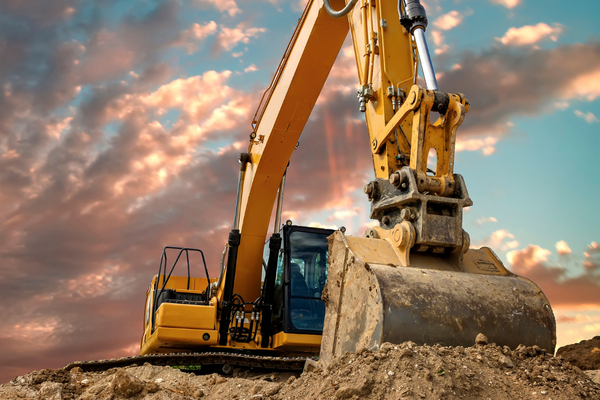
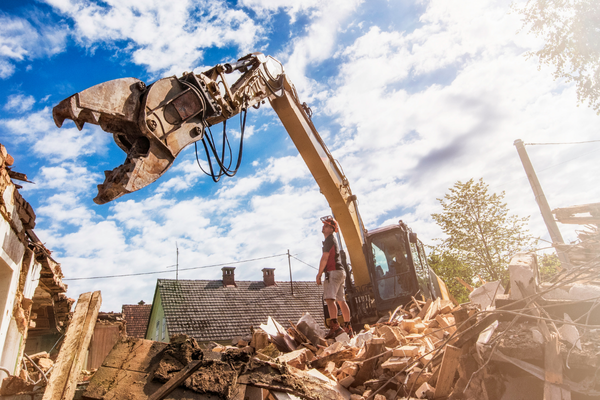
Demolition vs deconstruction represents more than just different removal methods – these approaches reflect fundamentally different philosophies about resource use, environmental impact, and community responsibility. Property owners who understand these differences can make informed decisions that align with their values and project goals.
Key Differences Between Methods:
Charleston-Specific Deconstruction Opportunities:
Charleston’s building stock presents unique advantages for successful deconstruction projects. The city’s historic architecture includes construction materials and techniques that create valuable salvage opportunities:
Charleston single houses contain irreplaceable heart pine flooring, cyprus millwork, and handmade hardware that architectural enthusiasts seek for restoration projects. Commercial buildings from the early 20th century often feature steel beams, terra cotta elements, and solid wood structural members that retain significant value.
Church deconstruction projects recover stained glass windows, carved woodwork, and architectural details that religious organizations and private collectors value highly. School building deconstruction yields classroom fixtures, hardwood floors, and institutional furniture suitable for reuse in educational facilities.
Environmental Benefits of Sustainable Building Removal:
Zero-waste deconstruction practices align with Charleston’s growing environmental consciousness and climate change mitigation efforts. Professional deconstruction reduces construction waste by 75-90% compared to traditional demolition methods, while carbon-neutral demolition approaches minimize the environmental impact of building removal.
Eco-friendly deconstruction services support local circular economy initiatives by keeping materials in productive use rather than sending them to regional landfills. This approach reduces demand for new material production while creating local employment opportunities in material processing and resale operations.
TSIAC International brings more than 15 years of experience to Charleston deconstruction projects, combining traditional demolition expertise with sustainable material recovery practices. This background includes successful completion of historic preservation projects, commercial deconstruction work, and residential material salvage operations throughout the Charleston area.
Advanced Material Assessment and Planning:
Successful reclaimed material recovery begins with thorough building assessments that identify valuable components and plan removal sequences to maximize salvage success. TSIAC International conducts:
Specialized Equipment for Careful Removal:
Systematic deconstruction requires different tools and techniques than conventional demolition work. TSIAC International maintains equipment specifically designed for material preservation:
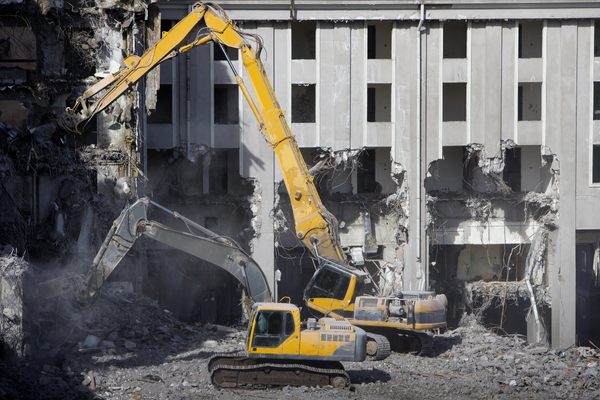
Material Processing and Marketing:
Reusable material extraction creates value only when salvaged items reach appropriate markets. TSIAC International maintains relationships with architectural salvage dealers, building material retailers, and specialty craftspeople who purchase recovered materials at fair market values.
Architectural salvage from Charleston projects often includes cypress siding, slate roofing, cast iron elements, and handcrafted millwork that commands premium prices in regional markets. Building material reclamation operations also recover modern components like steel beams, commercial fixtures, and mechanical equipment suitable for reuse in new construction.
Historic material salvage requires specialized knowledge of traditional construction methods, material characteristics, and preservation techniques that protect valuable components during removal. Charleston’s historic buildings present both opportunities and challenges for successful material recovery operations.
Century Home Deconstruction Processes:
Vintage material recovery from historic Charleston homes follows systematic approaches that preserve architectural integrity while maximizing salvage value:
Industrial Facility Deconstruction Challenges:
Industrial facility deconstruction presents different challenges than residential projects due to building scale, structural complexity, and potential environmental contamination. Charleston’s industrial heritage includes buildings with specialized equipment, heavy structural elements, and materials that require careful evaluation before removal.
Professional deconstruction teams address industrial building challenges through systematic approaches that prioritize worker safety while maximizing material recovery. Asbestos removal and testing and lead removal often precede deconstruction work in older industrial facilities.
LEED Deconstruction Practices and Green Certification:
Green building deconstruction follows established protocols that support LEED certification and other environmental building standards. These practices include detailed waste tracking, material diversion documentation, and environmental impact reporting that property owners can use for sustainability certifications.
Environmental deconstruction services also coordinate with concrete grinding and crushing operations that recycle foundation materials and hardscape elements. These integrated approaches achieve higher material diversion rates while reducing overall project environmental impact.
How does deconstruction demolition affect project timelines compared to traditional methods?
Planned deconstruction typically requires 2-4 times longer than conventional demolition because of the careful material handling and sorting required. Simple residential projects might extend from 1 week to 3-4 weeks, while complex commercial deconstruction can require several months. Charleston’s humid climate and frequent weather delays can also affect outdoor deconstruction work. Property owners should plan project schedules accordingly and discuss timeline expectations with contractors during initial consultations. The additional time investment often produces material recovery value that offsets extended project duration.
What types of materials can be successfully salvaged from Charleston buildings?
Salvageable material removal success depends on building age, construction quality, and material condition at the time of deconstruction. Charleston buildings commonly yield valuable heart pine flooring, cypress millwork, slate roofing, cast iron elements, and handcrafted hardware. Modern buildings may contain steel beams, commercial fixtures, and mechanical equipment suitable for reuse. Brick and stone materials often retain value for landscaping and construction applications. TSIAC International conducts pre-project assessments to identify materials with highest salvage potential and market value.
How do property owners benefit financially from choosing deconstruction over demolition?
Building material reclamation can offset 25-75% of deconstruction expenses through material sales, tax benefits, and reduced disposal fees. High-value materials like heart pine flooring, antique fixtures, and architectural details often command premium prices in specialty markets. Property owners may also qualify for tax deductions for donated materials and reduced tipping fees at disposal facilities. Charleston’s strong architectural salvage market creates favorable conditions for material resale. Professional contractors provide detailed cost-benefit analyses that help property owners evaluate financial implications of different removal approaches.
Charleston property owners who choose sustainable building removal contribute to environmental protection while often recovering unexpected value from their projects. The deconstruction process requires specialized knowledge, appropriate equipment, and market connections that only experienced contractors can provide effectively.
Successful deconstruction projects balance material recovery goals with safety requirements, project timelines, and budget constraints. TSIAC International manages these competing priorities through careful planning, skilled execution, and transparent communication throughout the deconstruction process.
Property owners often discover that deconstruction yields surprising benefits beyond material recovery. The careful documentation required for sustainable building removal creates detailed records of building construction that can inform future development decisions. Community goodwill from environmental stewardship also provides intangible benefits for property owners and developers.
The growing market for reclaimed building materials creates new opportunities for property owners willing to invest in sustainable removal practices. Charleston’s architectural heritage and environmental consciousness combine to support strong demand for salvaged materials from local deconstruction projects.
Landmark building deconstruction requires coordination with historic preservation organizations, environmental agencies, and community stakeholders who have interests in project outcomes. TSIAC International manages these relationships to achieve project goals while maintaining positive community relations.
Foundation work and site preparation often accompany deconstruction projects. Charleston’s soil conditions and drainage requirements create unique challenges for crawl space modifications and foundation removal that affect overall project planning.
Don’t settle for wasteful demolition practices that squander valuable materials and harm the environment. TSIAC International combines environmental consciousness with practical expertise to deliver sustainable building removal services that benefit property owners and the Charleston community.
Charleston’s future depends on balancing development needs with environmental protection and historic preservation. Professional deconstruction services provide practical solutions that advance these goals while meeting property owner objectives effectively and responsibly.
Contact TSIAC International today to explore how sustainable deconstruction approaches can transform your building removal project into an environmental success story that creates value for your property and community.

(843) 564-8790
Monday-Saturday, 7 a.m.-7 p.m.
334 E Bay St, Charleston, SC 29403, United States
Proudly Serving Homeowners Throughout Charleston, South Carolina, & the Surrounding Areas