Environmental Concerns During Industrial Demolition on James Island

When it comes to industrial demolition, especially on James Island, considering environmental concerns is not just important—it’s a responsibility. Industrial sites may hold numerous challenges, including hazardous materials, which if not handled properly, can have long-term impacts on both the environment and the community. Understanding the ecological factors unique to James Island helps us ensure that demolition activities remain safe and environmentally conscious.

James Island presents its own environmental considerations due to its coastal location, proximity to diverse ecosystems, and community-focused zoning laws. These factors make it crucial for any demolition work to be meticulously planned. An industrial demolition contractor with local experience can navigate these complexities effectively, ensuring that every step of the demolition process minimizes environmental disruption while adhering to regulations.

Understanding Environmental Regulations

Demolition projects need to align with a variety of environmental regulations. These rules are set at local, state, and federal levels to protect our surroundings from harm. Let’s take a closer look at what this involves:

– Local Regulations: James Island has specific guidelines due to its location in a coastal zone. This area requires adherence to protections for surrounding waterways and wildlife.

– State Regulations: South Carolina imposes certain standards, especially concerning air and water quality. Demolition projects must meet these requirements to prevent unnecessary pollution.

– Federal Regulations: On the national level, regulations include the Clean Air Act and Clean Water Act, which govern emissions and waste management practices.

Compliance with these regulations is not just a formality; it’s a pillar that supports safe and sustainable demolition practices. Ignoring these rules can lead to penalties and broader environmental damage. By following established guidelines, projects proceed smoothly and maintain a positive impact on James Island’s delicate ecological balance.

Identifying Hazardous Materials

During industrial demolition, recognizing and properly handling hazardous materials ensures safety and environmental protection. James Island’s older industrial sites often contain materials like asbestos and lead, which require careful management. Failing to address these hazards can lead to contamination and health risks, underlining the need for expertise in this area.

A critical step involves conducting a thorough site assessment to pinpoint the presence of these materials. This assessment directs the necessary precautions and protocols for safe removal. Consider asbestos, for example. Its fibers can pose serious health risks if disturbed, so it’s crucial to have specialists perform an evaluation. This evaluation helps plan for containment and removal, minimizing any environmental impact.

Here’s how these materials are typically managed:

– Site Surveys: Conduct preliminary surveys to identify hazardous materials.

– Containment Strategies: Use barriers and seals to contain any hazardous dust or debris.

– Safe Removal Practices: Employ specialized equipment and techniques to safely eliminate materials.

Waste Management and Recycling

Effective waste handling is another cornerstone of eco-friendly demolition. Industrial projects often generate large volumes of debris, making it vital to have a solid waste management plan. On James Island, where environmental preservation is a priority, recycling and efficient debris disposal are key.

By sorting materials into categories like metals, concrete, and wood, contractors can recycle a significant portion of the waste, reducing landfill use. This practice not only lessens environmental impacts but also contributes to resource conservation. The process typically involves:

1. Material Segregation: Identify which materials can be reused or recycled.

2. Sorting and Collection: Gather and sort these materials at the demolition site.

3. Transport to Recycling Facilities: Ensure that materials are sent to appropriate recycling centers.

Best Practices for Minimizing Environmental Impact

Implementing strategies to minimize environmental impact is vital throughout the demolition process. Dust control is one method, often achieved by using water during demolition to keep particles from spreading. Choosing quieter machinery helps reduce noise disturbances, which is especially important in residential areas like James Island.

Adopting these practices highlights a commitment to sustainable demolition, conserving natural resources while mitigating adverse effects. This approach reflects the broader community values of environmental stewardship and care for local ecosystems.

Bringing Your Demolition Project to a Safe Close

As the project wraps up, focusing on thorough clean-up and inspection ensures no environmental concerns linger. Conduct final assessments to verify that all regulations have been met and that all waste has been properly managed or recycled. It’s not just about ending a project but ensuring it’s concluded responsibly.

By understanding and implementing these practices, industrial demolition on James Island remains safe for both people and the planet. With careful planning and execution, these projects protect the island’s unique environment, allowing it to thrive alongside necessary industrial activities.

Partner with TSIAC International for your James Island project to ensure a safe and compliant demolition process. Our expertise as an industrial demolition contractor will guide you through every step. Trust our team to manage your project with precision and care, protecting the local ecosystem while meeting all necessary standards. Achieve peace of mind knowing your industrial site is in capable hands, ready for its next chapter.
Best Practices for Asbestos Removal for James Island Homes

Asbestos is a word that can make any homeowner anxious. It was used in many building materials years ago due to its strength and heat-resistant properties. However, it is now known for the health risks it poses when its fibers are disturbed and inhaled. For homeowners in James Island, understanding the role of asbestos removal in James Island and how to handle it safely is vital, especially in older homes where its presence is more common.

Homes built before the 1980s might contain asbestos in unexpected places, such as insulation, floor tiles, and even pipes. Identifying and removing it properly requires careful planning and execution. Following the best practices not only minimizes exposure but also ensures that families can feel safe and secure in their homes.

This article will guide you through the best practices for asbestos removal, focusing on how to recognize the risks, key steps to follow, and why it’s important to involve professionals. By empowering yourself with this knowledge, you can ensure that asbestos concerns are addressed thoroughly and effectively. This comprehensive look at asbestos removal will help provide peace of mind to James Island residents.

Understanding Asbestos and Its Risks

Asbestos is a natural mineral once popular for its strength and heat-resistant qualities. While useful, it can be incredibly dangerous to health. Tiny asbestos fibers can become airborne when disturbed, and if inhaled, they pose serious health risks like lung disease and cancer.

In homes, asbestos may be hiding in various places. Common spots include insulation around pipes, ceiling tiles, floor tiles, and even shingles. Many older homes on James Island likely contain these materials, making it important to know where and what to look for.

Identifying asbestos in older homes is crucial. Before the 1980s, asbestos was widely used in construction, so homes from this era are high-risk. Knowing if your home has asbestos allows you to plan for safe removal. This is important not just for your family’s health but also for maintaining property value. Proper identification and response can prevent accidental exposure and provide peace of mind.

Important Steps for Safe Asbestos Removal

Removing asbestos involves a careful, step-by-step process to ensure safety. Here’s a look at the key steps involved:

  • Assessment and Inspection: Professionals start with a thorough inspection to confirm the presence of asbestos.
  • Planning the Removal: Develop a detailed removal plan that includes safety measures and exact procedures.
  • Sealing the Area: Seal off the work area completely to prevent asbestos fibers from spreading.
  • Careful Removal: Gently remove asbestos-containing materials. Avoid breaking them apart to minimize fiber release.
  • Proper Disposal: Collect and dispose of asbestos waste in sealed plastic bags. It must go to designated disposal sites.

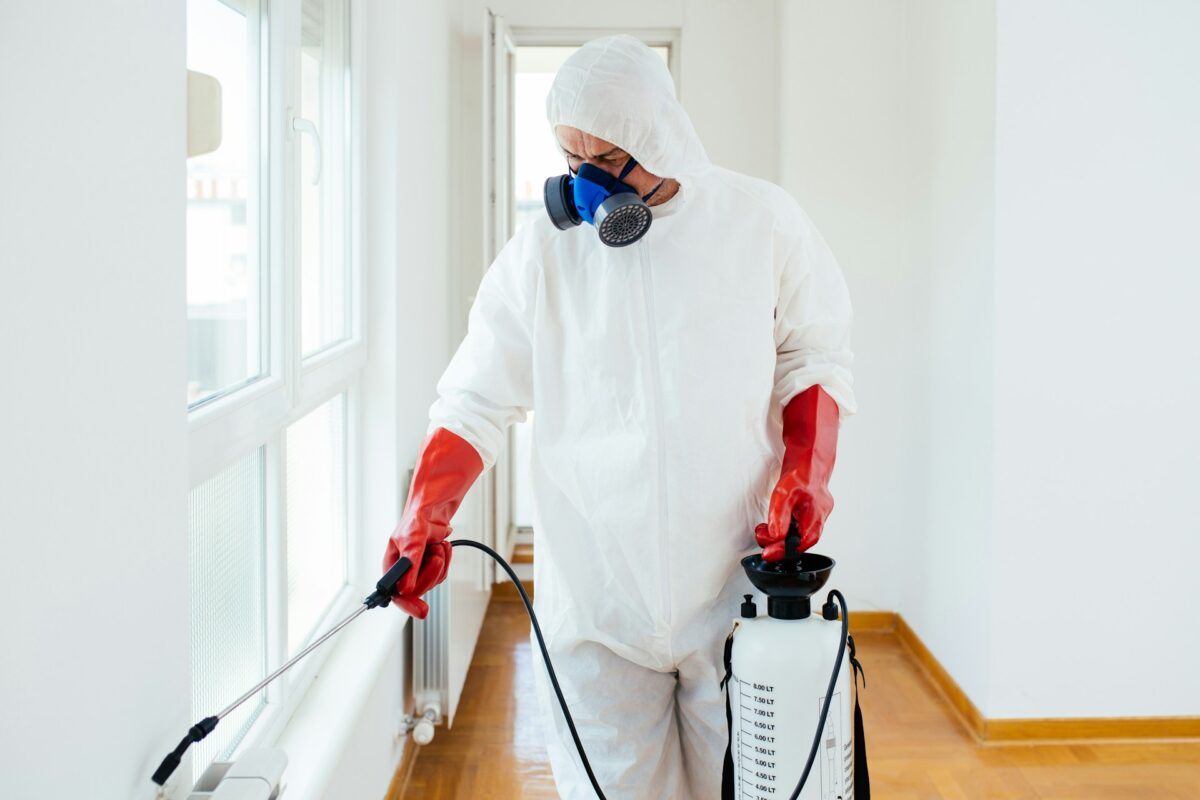
During removal, strict precautions are necessary. Workers wear protective gear like masks and suits to avoid inhaling fibers. Also, keeping the area moist reduces airborne particles, and specialized equipment captures any free-floating fibers.

Specific equipment is used for safety. High-efficiency particulate air (HEPA) vacuums are essential to clean up, ensuring no fibers remain in the air. Negative air machines help keep the work area under control by filtering the air and maintaining low pressure to keep fibers contained. These steps and tools help ensure the removal process is safe and effective, protecting everyone involved.

Choosing the Right Professional Removal Services

When dealing with asbestos, hiring trained professionals is crucial. They have the skills and equipment needed to handle the job safely and correctly. Professionals know the best methods to remove asbestos without putting anyone at risk. Their training helps prevent mistakes that could lead to dangerous exposure.

Choosing the right asbestos removal service involves careful evaluation. Look for companies with certification and a proven track record in safe asbestos handling. Ask for references and verify their past work to ensure they can manage your situation. It’s important to choose a service with insurance to protect against any accidental damage or exposure issues.

Professional services offer several assurances. They complete the removal process efficiently, handling everything from initial inspection to proper disposal. They also handle all necessary permits and paperwork, ensuring the project complies with local regulations. Their expertise provides peace of mind, knowing that the asbestos removal in your home is thorough and safety-focused.

Ensuring a Safe Home Post-Removal

After asbestos removal, ensuring your home is safe involves successful cleanup and testing. Professionals will clean the area meticulously, using HEPA vacuums and other tools to ensure no fibers remain. Post-removal testing by a certified inspector ensures the environment is asbestos-free. This step is vital to confirm the safety of your home.

Maintaining a safe home involves ongoing vigilance. Regular inspections can prevent future asbestos problems, especially if your home undergoes renovations or repairs. Keep an eye on areas that may still contain asbestos materials, such as old floor tiles or pipe insulation. Monitoring these areas can help you address any issues promptly.

Renovating your home after asbestos removal can improve safety and comfort. Consider using modern materials that do not contain asbestos for any updates. This not only enhances the safety of your house but also its value. Proper planning and material selection can transform your home into a healthier environment.

Conclusion:

Handling asbestos removal with care is crucial for the safety and well-being of your family. In James Island, where many homes may contain asbestos due to their age, understanding and following best practices can make all the difference. Thorough inspections, choosing the right professionals, and maintaining a safe environment ensure your home remains a sanctuary free from hidden dangers.

Partnering with the right experts can ease the process and bring assured results. TSIAC International is committed to providing quality and safety in asbestos removal. Contact us today to protect your home and family from the risks of asbestos. Let us guide you through creating a safe, worry-free environment in your James Island home.