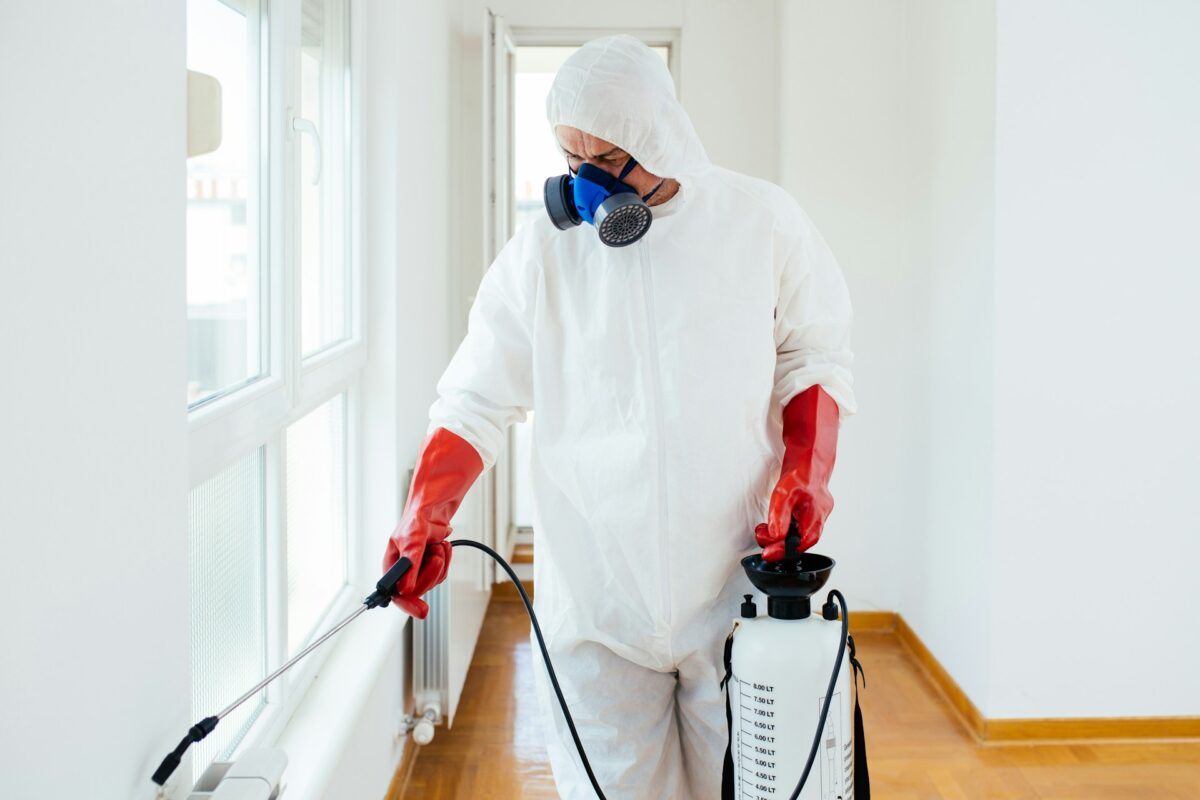
When Is Professional Asbestos Testing Necessary for Kiawah Island Properties?

Asbestos is a naturally occurring mineral celebrated for its strength and heat resistance. However, it’s now known to be hazardous to health, especially when the fine fibers are airborne and inhaled. In many properties, particularly those built before regulations tightened, asbestos might still be lurking unnoticed in construction materials like insulation, tiles, or shingles. For residents of Kiawah Island, safeguarding against the potential threats posed by asbestos means understanding where it might be hidden and knowing when to seek professional testing.

The importance of asbestos testing can’t be overstated, especially in an area like Kiawah Island, where maintaining a safe and healthy home is a priority. With the picturesque surroundings of the island, it’s easy to overlook hidden dangers within property structures. Professional asbestos testing plays a crucial role in ensuring that these hazardous fibers are identified and managed properly, protecting both your home and health.

Signs You Might Need Asbestos Testing

For property owners, knowing when to call in professionals for asbestos testing is key to maintaining a safe environment. Here are some indicators that you might need to consider testing:

– Age of the Property: If your property was constructed before the late 1980s, there’s a chance it may contain materials with asbestos. Older homes often used it for its fire-resistant properties.

– Visible Wear and Tear: Look for deteriorating materials such as old insulation, crumbling tiles, or roof shingles that appear worn out. Asbestos may be present if they break apart or look damaged.

– Recent Renovations or Disturbances: Any kind of remodeling or substantial changes to the home can disturb asbestos-containing materials. If you’ve recently undertaken renovations, it might be a good time to think about testing.

Keeping your property safe involves staying vigilant. If any of these scenarios match your situation, reaching out to qualified experts for asbestos testing can help ensure that your home remains a secure and healthy place for family and visitors alike.

Health Risks of Asbestos Exposure

Asbestos fibers, when disturbed, can become airborne, creating a silent yet serious threat to health. When these tiny fibers are inhaled, they can settle in the lungs, leading to several health problems over time. Among the most common conditions linked to asbestos exposure are asbestosis and mesothelioma, both of which have significant long-term effects. Understanding these risks emphasizes why timely and professional asbestos testing is a necessity.

Consider an example: let’s say an old house on Kiawah Island undergoes a renovation without prior asbestos testing. The dust created during the process might release asbestos fibers into the air, unknowingly putting the occupants at risk. This potential hazard shows the unnoticeable yet serious nature of asbestos exposure. Regular testing and attention to suspected areas can act as the first line of defense in keeping these dangers at bay.

Role of an Asbestos Abatement Contractor

An asbestos abatement contractor specializes in identifying and safely removing asbestos from properties. Their job involves a detailed assessment of the property to determine the presence of asbestos, followed by a carefully planned removal process to prevent exposure. This professional handling ensures that asbestos materials are disposed of in a manner that complies with safety regulations.

Hiring a contractor provides peace of mind, as they have the tools and expertise to manage asbestos safely. They carry out thorough inspections and use protective measures to ensure that no fibers are released during the removal process. Also, they adhere to compliance standards, which lessens any legal or health implications. This kind of specialized service isn’t just about safety today; it prevents potential health issues down the road, reinforcing why partnering with professionals for asbestos concerns is a prudent decision.

When to Schedule Asbestos Testing for Your Property

Timing can be a critical factor in asbestos testing and abatement. Ideally, testing should be done before purchasing a new property or beginning a major renovation. If you’re planning to sell, having evidence of an asbestos-free environment can be reassuring for prospective buyers. In Kiawah Island’s unique climate, certain environmental factors may also trigger a need for asbestos testing, like heavy storms that could disturb older infrastructure.

To make sure you’re covered:

1. Pre-Property Transactions: Test before buying or selling to get a clear understanding of what you’re dealing with.

2. Before Renovations: In older homes, it’s wise to test before any upgrades or changes begin to avoid accidentally releasing fibers.

3. Routine Checks: Periodic evaluations can help prevent asbestos from becoming a surprise issue.

In wrapping up, while asbestos might lurk silently, acting decisively and scheduling timely tests ensures that properties remain safe havens. It’s about taking proactive steps to maintain a healthy living environment in the beautiful setting of Kiawah Island. Embracing this cautious approach ensures that health and safety always take center stage, keeping both residents and properties secure.

To ensure that your Kiawah Island property remains a safe and welcoming environment, consider reaching out to a trusted asbestos abatement contractor. TSIAC International offers reliable services for identifying and managing asbestos risks, so you and your loved ones can have peace of mind. Learn more about our approach and how we can help today.

Health Risks of Improper Asbestos Removal in Johns Island Homes

Asbestos is a material that was commonly used in homes for its fire-resistant properties and ability to insulate. Often found in ceiling tiles, floor tiles, and roof shingles, its widespread use took place before its health risks were fully understood. Over time, experts discovered that when asbestos materials become disturbed or damaged, they can release tiny fibers into the air, posing significant health threats.

Particularly in Johns Island, where many homes date back several decades, the presence of asbestos is not unusual. Because of the potential dangers linked with asbestos exposure, safe removal is vital to ensure the safety of residents. It is crucial to recognize the importance of handling asbestos properly to avoid unwanted health issues that can affect anyone living in or visiting a home with asbestos.

Health Risks Associated with Improper Asbestos Removal

Improper handling of asbestos can result in serious health hazards. When disturbed, asbestos fibers become airborne and can be easily inhaled, leading to respiratory issues. One common ailment is asbestosis, a lung condition caused by inhaling the fibers, which can lead to breathing difficulties. Continuous exposure may result in more severe issues, including certain types of lung cancer and mesothelioma, a rare form of cancer affecting the lining of the lungs and chest.

The impact of asbestos exposure isn’t immediate; it develops over time, making it even more crucial to act with caution. Long-term exposure amplifies the risks, which is why early and safe intervention is important. Children and the elderly face higher risks due to their more sensitive respiratory systems. Ensuring that asbestos is managed properly can safeguard vulnerable groups and maintain a healthier living environment.

Here are the main health risks associated with asbestos exposure:

– Respiratory Issues: Shortness of breath and persistent coughing.

– Chronic Conditions: Development of asbestosis and scarring of lung tissue.

– Increased Risk of Cancer: Lung cancer and mesothelioma.

– Vulnerable Groups: Greater impact on children, elderly, and those with pre-existing conditions.

With these risks in mind, homeowners must refrain from handling asbestos independently. It’s a task best left to those who understand the substance and how to manage its safe removal efficiently.

Common Mistakes in Asbestos Removal

Tackling asbestos removal on your own is not only risky but can actually increase the danger if not done properly. Common mistakes include failing to contain the area or using improper equipment, which allows fibers to spread to other parts of the home. Additionally, improper disposal of asbestos materials can further contribute to environmental contamination.

Untrained individuals may not be familiar with the specific precautions needed, such as sealing vents or using protective clothing, which are essential to minimize exposure risks. Errors can inadvertently turn a seemingly small issue into a bigger hazard, affecting the health of everyone in the household.

Here’s a list of pitfalls:

– Using improper safety gear.

– Failing to seal off the contaminated area.

– Attempting to dispose of asbestos debris without proper containment.

– Overlooking detailed guidelines specific to your region or local laws.

By understanding these common missteps, it becomes apparent why hiring professionals is vital. Handling asbestos removal with expert care helps ensure the safety and health of everyone involved, providing peace of mind and a safer living space.

Benefits of Hiring Certified Professionals

Choosing to work with certified professionals for asbestos removal ensures a safer and more effective process. These experts have the training to follow strict safety and health regulations, minimizing airborne fiber risks. Their knowledge helps prevent the dangers associated with improper techniques, providing security that the job is done right.

Professionals use specialized tools and equipment designed specifically for asbestos removal. This equipment includes HEPA-filtered vacuums and protective gear that keep asbestos fibers contained, reducing chances of contamination. The use of these tools not only guarantees thorough removal but also protects both residents and workers from exposure.

Another significant advantage is the peace of mind you gain. Knowing that certified professionals handle asbestos removal means your home environment remains safe without you having to worry about lingering fibers. This peace allows you to focus on enjoying your home, confident that it’s secure.

What to Expect During Professional Asbestos Removal

Understanding the steps involved in professional asbestos removal can alleviate any anxiety about the process. Here’s what typically happens:

– Assessment and Planning: Professionals assess the site to determine the extent of asbestos presence. They create detailed plans to ensure efficient and safe removal.

– Containment: The area is sealed to prevent fibers from escaping into the rest of the house. This usually involves plastic sheeting and special tape.

– Removal: Using specialized equipment, experts carefully remove asbestos-containing materials, ensuring minimal disturbance. They employ HEPA vacuums and other tools to capture any stray fibers.

– Clean-Up: Once removal is complete, the area gets thoroughly cleaned. Professionals continue to monitor for fibers, ensuring no asbestos is left behind.

– Inspection: A final examination confirms a safe environment. Air quality tests guarantee that all asbestos levels are within safe limits.

Such a structured approach means you can trust the process’s thoroughness, resulting in a healthier, worry-free home.

Ensuring a Safe Home After Asbestos Removal

Following professional removal, maintaining a safe home is vital. Here are some tips to keep your environment healthy:

– Keep up with regular inspections to ensure that no new asbestos has surfaced.

– Monitor air quality, especially after renovations or significant weather changes.

– Stay informed about any updates in asbestos regulations or safety practices.

Maintaining awareness and vigilance helps keep your home safe from potential asbestos reintroduction. Regular checks and professional advice can guide you in sustaining a healthy living space.

Keeping Your Johns Island Home Safe

Prioritizing professional asbestos removal is a key step in safeguarding the health of your home. Proper handling involves understanding the risks, recognizing the importance of trained expertise, and following through with preventative care. Certified professionals are equipped to manage the challenges that come with distinguishing safe environments from hazardous ones.

For homeowners in Johns Island, awareness of these risks and measures can make a significant difference in daily life. Ensuring your household’s safety means being proactive about asbestos management, allowing you to enjoy your home without concerns over hidden dangers. Such responsible practices not only protect your loved ones but also honor the legacy and longevity of your home.

For residents in Charleston, keeping your home safe from the hidden dangers of asbestos is key to ensuring your family’s health. Consider TSIAC International when it’s time for professional asbestos removal in Charleston. We understand the importance of protecting your living space and can provide expert services tailored to your needs. Contact us to learn more about how certified professionals can help keep your environment free of harmful materials.

Why Proper Asbestos Removal is Crucial for Seabrook Island Homes

Asbestos is a silent danger that could be lurking in many homes, especially older ones, across Seabrook Island. Known for its durability and resistance to heat, asbestos was once a popular material in building construction. However, as we have learned more about its risks, safely removing asbestos has become crucial for homeowners.

In Seabrook Island, many homes built before the 1980s may still contain asbestos materials. Whether it’s hidden in insulation, tiles, or roofing, its presence is a health risk that should be addressed. Ensuring these dangerous fibers are properly removed is critical to maintaining a safe and healthy living environment for families and future generations.

Addressing asbestos issues head-on can provide peace of mind and protect your investment. This article explores the importance of understanding where asbestos might be hiding, the risks of improper handling, and best practices for its safe removal. By taking the right steps, you can ensure that your Seabrook Island home remains a safe haven.

Understanding the Risks of Asbestos in Homes

Asbestos is a group of minerals made up of tiny fibers. These fibers are strong and resist heat, which once made asbestos a popular building material. However, when asbestos materials become damaged or disturbed, the fibers can become airborne. If people breathe them in, it can lead to serious health problems.

In homes, asbestos might be hiding in several places. It was often used in insulation around pipes, in roofing shingles, floor tiles, and even in some cement products. As time goes on and these materials age, they can break down and release their fibers into the air.

Older homes in Seabrook Island are particularly at risk because many of them were built when asbestos was a common building material. Homes constructed before the 1980s are the most likely to have asbestos, especially if renovations exposed or damaged asbestos-containing materials. Since these homes have likely been through some wear and tear over the years, it’s important for homeowners to know where asbestos might be lurking to protect their families from potential harm.

The Impact of Improper Asbestos Handling

Mishandling asbestos can lead to severe health issues. When asbestos fibers are disturbed, they can be inhaled, leading to diseases like asbestosis, lung cancer, and mesothelioma. These conditions are serious and can take years to develop, making early detection challenging.

Not properly addressing asbestos in homes can have many negative consequences. For example, there’s the risk of exposing everyone in the household to airborne fibers. Also, failing to remove asbestos properly can lead to legal issues. Selling a home with known asbestos problems without disclosure can result in fines and lawsuits.

The long-term effects on property value and safety are significant too. Homes with asbestos issues can be less appealing to buyers, lowering their market value. Additionally, asbestos can pose ongoing safety risks if not addressed. Ensuring that asbestos is correctly removed and managed preserves the home’s safety and value for future generations. Proper handling helps keep the property both livable and sellable, securing your investment in the Long run.

Best Practices for Safe Asbestos Removal

Removing asbestos safely requires careful planning and execution. Here’s a recommended approach to ensure everything is done correctly:

  • Inspection and Assessment: Start with a thorough inspection by a certified professional to identify all asbestos-containing materials in the home.
  • Containment: Before removal, seal off the work area to prevent fibers from spreading. This includes turning off HVAC systems and using plastic sheeting to cover floors and surfaces.
  • Removal: Carefully remove asbestos materials using specialized tools. Avoid breaking the materials to minimize fiber release.
  • Cleanup: Use HEPA vacuums and other approved methods to clean up all dust and debris.
  • Waste Disposal: Place all asbestos waste in sealed, labeled bags and dispose of it at a licensed facility.

Hiring professionals is crucial when dealing with asbestos. Experts have the training and equipment needed to handle the process safely. They also know how to comply with strict regulations, ensuring no steps are missed. During removal, pros use personal protective equipment (PPE) like respirators, gloves, and suits to protect themselves. Trusting professionals with this task means peace of mind and a safe, thorough job.

Maintaining a Safe Environment After Asbestos Removal

Once asbestos is removed, keeping your home safe involves a bit of ongoing effort. Post-removal, a detailed inspection should be performed to confirm all asbestos fibers are gone. This typically involves air testing by a certified inspector, providing you with documentation that your home is asbestos-free.

Preventing future asbestos exposure is about vigilance and understanding where risks might arise. If your home undergoes remodeling, always check for hidden asbestos in the areas being updated. Inform contractors about the home’s history to take necessary precautions.

When renovating, consider using sustainable and non-toxic materials. Options like fiberglass or foam insulation are safer choices that don’t carry the same risks as asbestos. Choosing these materials can improve air quality and enhance safety over the long term. By being proactive, you can enjoy peace of mind knowing that you’ve taken the right steps to protect your home and family.

Conclusion

Asbestos removal in Seabrook Island homes is not just about taking away a health hazard; it’s about safeguarding your most valued space. Properly handling asbestos ensures that your home remains a healthy environment and a safe investment for the future. The process involves understanding potential risks, working with qualified professionals, and maintaining a vigilant approach to home care and improvements.

Protecting your home from asbestos is a worthy endeavor, one that TSIAC International is ready to assist you with. Contact us today to explore your options and let our asbestos removal in Seabrook Island, SC, help you create a safer living space. Your home deserves the highest standards of safety, and we’re here to make that happen.

Tips for Effective Asbestos Removal in Charleston’s Historical Homes

Charleston is known for its beautiful historical homes, showcasing architecture from a bygone era. These homes are cherished for their charm and history. However, owning a historic home in Charleston comes with unique responsibilities, including the potential presence of asbestos. Asbestos was commonly used in building materials for its fire-resistant and insulating properties. In homes built before the 1980s, this can pose health risks if not handled correctly.

Understanding how to deal with asbestos safely is crucial for preserving these treasures while ensuring the safety of occupants. It’s more than just a simple DIY task; it requires careful planning, knowledge, and the right measures to protect everyone involved. In this article, we’ll explore key tips for safely managing asbestos removal in Charleston’s historic homes, focusing on what to look out for and how to approach it effectively. Whether you’re renovating or maintaining your home, these tips will help you ensure a safe and healthy living environment.

Understanding Asbestos in Historical Homes

Historical homes in Charleston often contain asbestos due to its widespread use in building materials decades ago. During the mid-20th century, asbestos was priced for its durability and heat resistance. Builders included it in insulation, roofing, and floor tiles, making it a common material in many older homes. As such, if you own or are considering purchasing a historic property in Charleston, awareness of asbestos’s presence is crucial.

Areas you might encounter asbestos include:

– Attics and Basements: Often used in insulation.

– Roofing Materials: Including shingles and felt.

– Flooring: Found in vinyl tiles and adhesives.

– Pipes: Sometimes wrapped in asbestos-containing insulation.

– Walls and Ceilings: Might be within textured surfaces or plaster.

The risks associated with asbestos stem from its fibrous nature. When disturbed, tiny fibers can become airborne and, if inhaled, may lead to serious health issues like lung disease and cancer. This makes safe handling and removal essential to protecting the health of everyone involved.

Being informed about where asbestos might be found and why it poses a risk helps in taking the necessary precautions for any renovation or maintenance activities in these historic homes.

Preparing for Asbestos Removal

Safe assessment and planning are crucial before any asbestos removal begins. Start with an asbestos inspection conducted by trained professionals to accurately identify and map out areas containing asbestos.

Steps to follow include:

1. Inspection: Hire a certified asbestos inspector to assess the property.

2. Testing: Ensure samples from suspected areas are properly tested in a lab.

3. Planning: Develop a removal action plan that includes timelines and safety measures.

Hiring certified professionals is vital for asbestos removal. They possess the expertise and equipment necessary to handle the material safely, ensuring all regulations are followed. Professionals understand the local laws regarding asbestos and guarantee that the process adheres to Charleston’s strict guidelines.

Safety precautions protect both workers and residents. This includes setting up warning signs around work areas, using sealed-off zones to contain asbestos, and ensuring everyone on-site wears appropriate protective gear like masks and gloves. Property owners should coordinate closely with removal teams to ensure a smooth and secure process. Preparation is key to mitigating risks and executing asbestos removal effectively in Charleston’s historical homes.

Safe and Effective Removal Techniques

Extracting asbestos safely involves following specific methods to ensure the safety of everyone involved. One common method is using a “wet removal” technique. By applying water to asbestos materials, workers can suppress fiber release, reducing airborne asbestos particles. This method is particularly effective in minimizing exposure risks during demolition or renovation activities.

Another crucial step during removal is the containment of asbestos dust. Setting up proper barriers, like plastic sheeting and sealed zones, keeps the hazardous particles from spreading to uncontaminated areas. Creating a negative pressure environment with exhaust fans also helps in directing the airflow, further containing potential exposure.

Specialized equipment plays a vital role in safe asbestos removal. HEPA-filtered vacuums are essential for cleaning surfaces and capturing stray fibers. Decontamination units ensure that workers can safely exit sealed areas without carrying any asbestos outside. These tools, combined with skilled personnel, significantly enhance the effectiveness of asbestos removal operations while protecting health.

After Removal: Ensuring a Safe Environment

After asbestos removal, proper disposal of the hazardous material is essential. Asbestos waste must be double-bagged in labeled, leak-tight containers and transported to authorized disposal facilities. This ensures it doesn’t pose a further risk to the environment or the community.

Thorough cleaning and air testing follow disposal. Cleaning involves using HEPA vacuums and wet-wiping surfaces within the containment area. This removes any lingering fibers and reduces health risks. Air testing confirms the air quality meets safety standards, and it provides additional assurance that removal efforts were successful.

Homeowners should regularly monitor the condition of their property following removal. Maintaining a safe environment is crucial. This includes keeping an eye on areas where asbestos was previously found and conducting periodic checks to prevent future exposure. Being vigilant helps preserve the health and integrity of historical homes.

Conclusion

The careful handling and removal of asbestos in Charleston’s historical homes are essential for preserving their beauty and ensuring the safety of those who live in or visit them. Each step, from assessment to final cleanup, involves keen attention to detail and adherence to safety protocols. Successful asbestos removal is not just about following procedures but also understanding the importance of each phase in protecting people and the environment.

For homeowners in Charleston looking to manage asbestos removal effectively, professional guidance can ease the process. TSIAC International stands ready to help navigate the complexities of asbestos removal, ensuring that your historic home remains a safe and cherished space.

Best Practices for Asbestos Removal for James Island Homes

Asbestos is a word that can make any homeowner anxious. It was used in many building materials years ago due to its strength and heat-resistant properties. However, it is now known for the health risks it poses when its fibers are disturbed and inhaled. For homeowners in James Island, understanding the role of asbestos removal in James Island and how to handle it safely is vital, especially in older homes where its presence is more common.

Homes built before the 1980s might contain asbestos in unexpected places, such as insulation, floor tiles, and even pipes. Identifying and removing it properly requires careful planning and execution. Following the best practices not only minimizes exposure but also ensures that families can feel safe and secure in their homes.

This article will guide you through the best practices for asbestos removal, focusing on how to recognize the risks, key steps to follow, and why it’s important to involve professionals. By empowering yourself with this knowledge, you can ensure that asbestos concerns are addressed thoroughly and effectively. This comprehensive look at asbestos removal will help provide peace of mind to James Island residents.

Understanding Asbestos and Its Risks

Asbestos is a natural mineral once popular for its strength and heat-resistant qualities. While useful, it can be incredibly dangerous to health. Tiny asbestos fibers can become airborne when disturbed, and if inhaled, they pose serious health risks like lung disease and cancer.

In homes, asbestos may be hiding in various places. Common spots include insulation around pipes, ceiling tiles, floor tiles, and even shingles. Many older homes on James Island likely contain these materials, making it important to know where and what to look for.

Identifying asbestos in older homes is crucial. Before the 1980s, asbestos was widely used in construction, so homes from this era are high-risk. Knowing if your home has asbestos allows you to plan for safe removal. This is important not just for your family’s health but also for maintaining property value. Proper identification and response can prevent accidental exposure and provide peace of mind.

Important Steps for Safe Asbestos Removal

Removing asbestos involves a careful, step-by-step process to ensure safety. Here’s a look at the key steps involved:

  • Assessment and Inspection: Professionals start with a thorough inspection to confirm the presence of asbestos.
  • Planning the Removal: Develop a detailed removal plan that includes safety measures and exact procedures.
  • Sealing the Area: Seal off the work area completely to prevent asbestos fibers from spreading.
  • Careful Removal: Gently remove asbestos-containing materials. Avoid breaking them apart to minimize fiber release.
  • Proper Disposal: Collect and dispose of asbestos waste in sealed plastic bags. It must go to designated disposal sites.

During removal, strict precautions are necessary. Workers wear protective gear like masks and suits to avoid inhaling fibers. Also, keeping the area moist reduces airborne particles, and specialized equipment captures any free-floating fibers.

Specific equipment is used for safety. High-efficiency particulate air (HEPA) vacuums are essential to clean up, ensuring no fibers remain in the air. Negative air machines help keep the work area under control by filtering the air and maintaining low pressure to keep fibers contained. These steps and tools help ensure the removal process is safe and effective, protecting everyone involved.

Choosing the Right Professional Removal Services

When dealing with asbestos, hiring trained professionals is crucial. They have the skills and equipment needed to handle the job safely and correctly. Professionals know the best methods to remove asbestos without putting anyone at risk. Their training helps prevent mistakes that could lead to dangerous exposure.

Choosing the right asbestos removal service involves careful evaluation. Look for companies with certification and a proven track record in safe asbestos handling. Ask for references and verify their past work to ensure they can manage your situation. It’s important to choose a service with insurance to protect against any accidental damage or exposure issues.

Professional services offer several assurances. They complete the removal process efficiently, handling everything from initial inspection to proper disposal. They also handle all necessary permits and paperwork, ensuring the project complies with local regulations. Their expertise provides peace of mind, knowing that the asbestos removal in your home is thorough and safety-focused.

Ensuring a Safe Home Post-Removal

After asbestos removal, ensuring your home is safe involves successful cleanup and testing. Professionals will clean the area meticulously, using HEPA vacuums and other tools to ensure no fibers remain. Post-removal testing by a certified inspector ensures the environment is asbestos-free. This step is vital to confirm the safety of your home.

Maintaining a safe home involves ongoing vigilance. Regular inspections can prevent future asbestos problems, especially if your home undergoes renovations or repairs. Keep an eye on areas that may still contain asbestos materials, such as old floor tiles or pipe insulation. Monitoring these areas can help you address any issues promptly.

Renovating your home after asbestos removal can improve safety and comfort. Consider using modern materials that do not contain asbestos for any updates. This not only enhances the safety of your house but also its value. Proper planning and material selection can transform your home into a healthier environment.

Conclusion:

Handling asbestos removal with care is crucial for the safety and well-being of your family. In James Island, where many homes may contain asbestos due to their age, understanding and following best practices can make all the difference. Thorough inspections, choosing the right professionals, and maintaining a safe environment ensure your home remains a sanctuary free from hidden dangers.

Partnering with the right experts can ease the process and bring assured results. TSIAC International is committed to providing quality and safety in asbestos removal. Contact us today to protect your home and family from the risks of asbestos. Let us guide you through creating a safe, worry-free environment in your James Island home.

Health Risks Associated with Asbestos and How to Avoid Them

Asbestos is a naturally occurring mineral that has been widely used in construction due to its durability and fire-resistant properties. However, exposure to asbestos can pose serious health risks. These tiny fibers, when disturbed, can become airborne and be easily inhaled. This can lead to diseases that take years to develop, making them especially dangerous.

Understanding where asbestos might be present in buildings and how to handle it carefully is crucial for ensuring safety. It’s important for property owners and those in the demolition and construction industries to be aware of the dangers posed by asbestos exposure. Proper knowledge and protective measures are essential to prevent harmful health effects.

Being informed about asbestos and knowing what steps to take can significantly reduce exposure risks. By prioritizing safety protocols and involving professionals when necessary, individuals can protect themselves and others from the hidden dangers associated with this hazardous material.

Understanding the Dangers of Asbestos Exposure

Asbestos poses significant health risks due to its microscopic fibers. When these fibers become airborne, they are easily inhaled, settling deep into the lungs. Over time, exposure to asbestos can cause serious illnesses. The small size of these fibers makes them difficult for the body to expel, leading to continuous irritation and damage to lung tissue.

One of the most severe health issues from asbestos exposure is mesothelioma, a rare and aggressive cancer affecting the linings of the lungs, heart, or abdomen. Additionally, asbestos exposure can cause asbestosis, a chronic lung disease, and increase the risk of lung cancer. These conditions can develop over decades, leaving individuals unaware of the danger until symptoms appear.

Symptoms from asbestos-related diseases often include difficulty breathing, persistent coughing, and chest pain. The slow development of these conditions emphasizes the importance of minimizing exposure whenever possible. Because of the latency period, it’s critical to understand and respect the risks posed by this hazardous material.

Taking preventive measures to avoid inhaling asbestos and recognizing its dangers play a major role in safeguarding health. Awareness and caution can help minimize these risks effectively.

Identifying Common Sources of Asbestos in Buildings

Knowing where asbestos may be found in buildings is key to preventing exposure. Asbestos was used in many construction materials due to its strength and resistance to heat. It can be present in a variety of places that might not seem obvious at first glance.

One common source of asbestos is insulation, particularly in older homes and buildings. It was used to insulate pipes, ducts, and boilers. Roofing materials, such as shingles and cement, often contained asbestos to increase durability. Floor tiles and their adhesives also frequently had asbestos mixed in, providing additional resilience.

Additionally, some decorative plasters and coatings, as well as wallboards and siding materials, contained asbestos fibers. Fire-resistant fabrics and textiles, such as those used in curtains and blankets, might also include asbestos for added protection.

Here’s a quick checklist of potential asbestos sources:

– Insulation around pipes and boilers

– Roofing shingles and siding

– Floor tiles and adhesives

– Decorative plasters and wallboards

– Fire-resistant textiles and fabrics

Understanding where asbestos might be found helps take the necessary steps to identify and manage these materials safely. Recognizing these common sources assists in reducing the risk of harmful exposure.

Protective Measures and Safety Protocols for Asbestos Handling

When dealing with asbestos, safety is the top priority. Proper handling requires strict protocols to prevent exposure to asbestos fibers. One crucial step is to ensure appropriate personal protective equipment (PPE) is worn by everyone involved in the process. This includes respirators, gloves, and protective clothing designed to keep asbestos fibers away from the skin and lungs.

It is essential to keep the work area well-ventilated to minimize fiber concentrations in the air. Seal off the work site to prevent asbestos particles from escaping to other parts of the building. Using wet methods can help reduce dust and keep fibers contained. Misting the area with water before starting work helps lower the chances of fibers becoming airborne.

Workers should be cautious to avoid direct contact with asbestos-containing materials. Training sessions are important for educating everyone on the best practices for handling asbestos safely. Understanding and following these protocols helps ensure safety for both those handling the material and anyone nearby.

Key safety measures include:

– Wearing full PPE, including respirators and protective suits

– Using water to suppress dust and air movement

– Sealing off the work area to protect surroundings

– Providing thorough training to all involved

By adhering to these protections, the risks associated with asbestos handling can be significantly reduced.

The Role of Professional Asbestos Removal Services

Engaging professional services for asbestos removal is critical due to the health risks involved. Professionals possess the necessary expertise and specialized equipment to safely manage and remove asbestos. They follow stringent procedures to ensure removal is carried out without endangering anyone on or around the site.

Certified removal teams are trained to handle hazardous materials, minimizing the release of asbestos fibers during the process. They use specialized tools and methods that safeguard the health of everyone involved. Professionals can also dispose of the asbestos waste following legal and environmental regulations, preventing contamination.

Hiring professionals is paramount for adherence to safety regulations. This ensures that the work is done correctly and efficiently, without exposing building occupants or workers to asbestos fibers. Professional services also provide peace of mind that the situation is handled by qualified experts.

Benefits of professional asbestos removal include:

– Reducing potential health risks through expert handling

– Ensuring compliance with safety and environmental standards

– Utilizing specialized equipment and techniques

– Assuring proper disposal and site decontamination

The expertise of these professionals is critical in managing asbestos safely and effectively.

Conclusion

Handling asbestos involves understanding its risks and taking steps to prevent exposure. Knowing common sources and adhering to safety measures helps manage the dangers efficiently. Professional removal services provide the expertise needed to handle this hazardous material, ensuring a safe environment for all.

To ensure your property remains safe from asbestos hazards, consider reaching out to TSIAC International. We provide expert asbestos testing services, ensuring your project is conducted safely and compliant with all necessary standards. Protect your health and that of others by trusting in professional expertise.

Safe Methods for Removing Asbestos from Your Home

Asbestos is a dangerous material that was widely used in building construction before the 1980s. Many homes still have asbestos hidden in walls, ceilings, and floors. If disturbed, asbestos releases tiny fibers into the air that can be harmful. Breathing in these fibers can cause lung diseases, including cancer. Knowing how to safely remove asbestos is important to protect your health and your family’s.

Before starting any asbestos removal, you need to prepare your home properly. This includes sealing off the work area and gathering the right safety gear. People should stay out of the areas where you will be working. It’s also important to have the right tools and materials ready. These steps help make sure the asbestos removal process is as safe as possible.

Removing asbestos by yourself can be challenging but it’s not impossible. It requires careful planning and attention to detail. Following a clear and structured approach ensures that you remove the material safely. Proper disposal of asbestos is mandatory to comply with laws and regulations. These steps are necessary to protect your home and health during the asbestos removal process.

What Is Asbestos and Why Is It Dangerous?

Asbestos is a natural mineral made up of tiny fibers. These fibers are so small that you can only see them with a microscope. Homes and buildings built before the 1980s often have asbestos in many materials like insulation, floor tiles, and roofing. It was popular because of its durability and resistance to heat.

The danger of asbestos comes from its fibers. When these tiny fibers are disturbed and released into the air, they can be inhaled. Breathing in asbestos fibers is harmful. These fibers can get stuck in your lungs and cause serious health problems. Diseases caused by asbestos exposure include asbestosis, lung cancer, and mesothelioma. These illnesses might not show up right away. It may take years before symptoms appear.

Because of these risks, it’s important to handle asbestos with care. Even a small number of fibers can be dangerous. That’s why it’s crucial to know where asbestos might be found in your home and to avoid disturbing it if possible. If you need to remove asbestos, following safe procedures is key to protecting your health and your family’s health.

Preparing Your Home for Safe Asbestos Removal

Before you start removing asbestos, you need to prepare your home to keep everyone safe. The right preparation can help prevent asbestos fibers from spreading. Here are detailed steps to get ready:

1. Identify the Asbestos: First, figure out where the asbestos is in your home. This might include areas like insulation, ceilings, floors, and pipes. Sometimes, it’s best to get a professional to do this for you to be sure.

2. Gather Safety Gear: Make sure you have the right safety equipment, including:

– Protective clothing, like coveralls
– Gloves
– Goggles
– Respirators with HEPA filters

3. Clear the Area: Remove any furniture, rugs, and other items from the asbestos removal area. This makes it easier to clean up and reduces the number of items fibers can cling to.

4. Seal the Work Area: Use plastic sheeting and duct tape to seal off the area where you will be working. Cover doors, windows, and vents. This helps keep asbestos fibers from spreading to other parts of your home.

5. Turn Off HVAC System: Shut down your heating, ventilation, and air conditioning systems. These systems can spread asbestos fibers throughout your home.

6. Set Up a Decontamination Area: Create a space near your work area where you can change clothes and clean off any asbestos dust. This helps keep the rest of your home safe and clean.

7. Wet the Asbestos: Keeping asbestos materials wet helps prevent fibers from becoming airborne. Fill a spray bottle with water and a small amount of dish soap. Wet the asbestos materials before you begin working.

By following these steps, you can prepare your home for safe asbestos removal. Being thorough in your preparation helps protect you and your family from asbestos exposure. Always take your time to ensure you are ready before starting the removal process.

Step-by-Step Guide to Removing Asbestos Safely

Removing asbestos yourself requires careful attention to detail. Follow this step-by-step guide to ensure safe removal:

1. Wear Safety Gear: Always wear your protective clothing, gloves, goggles, and respirator during the removal process.

2. Wet the Area: Keep the asbestos material damp throughout the process. This helps stop fibers from getting into the air.

3. Remove Asbestos Carefully: Gently remove the asbestos materials. Avoid breaking them into pieces, as this can release more fibers.

4. Bag the Materials: Place the damp asbestos materials into plastic bags. Seal the bags tightly with duct tape.

5. Clean the Area: After removing all asbestos materials, wet-clean the area using wet wipes or a wet mop. Do not sweep or vacuum, as this can spread fibers.

6. Double Bag Waste: Place the sealed bags into another set of heavy-duty plastic bags. Label these bags clearly with “Asbestos Waste.”

7. Dispose of Safety Gear: Carefully remove your protective clothing and place it into a sealed bag as well.

8. Decontaminate Yourself: Remove your respirator last. Wash your hands and face immediately after removing all protective gear.

9. Check for Leftover Debris: Inspect the area one last time to make sure there are no leftover asbestos materials.

10. Dispose of Wet Cleaning Materials: Place any wet wipes or mop heads used in the cleaning process into a sealed bag for disposal.

Following these steps ensures the asbestos is removed safely, minimizing the risk to yourself and others.

Disposing of Asbestos: Essential Tips and Regulations

Proper disposal of asbestos is just as important as safe removal. Here are key tips and important regulations to follow:

1. Know the Laws: Different states have different rules for asbestos disposal. Check your local regulations before starting the process.

2. Use Approved Landfills: Only certain landfills accept asbestos waste. Make sure to find an approved landfill in your area.

3. Transport Safely: When transporting asbestos waste, keep the bags sealed and secured during the trip. Do not allow the bags to tear or open.

4. Label Correctly: Clearly label all bags with “Asbestos Waste” so that handlers are aware of the contents.

5. Avoid Mix-ups: Do not mix asbestos waste with regular trash. This can cause contamination and legal issues.

6. Get a Permit: Some areas require a special permit for asbestos disposal. Check if you need one and apply for it if necessary.

7. Work with Disposal Services: Consider hiring a licensed asbestos disposal service if you’re unsure about handling the waste correctly.

By following these disposal tips and adhering to regulations, you handle the asbestos waste safely and legally.

Conclusion

Removing asbestos from your home is a serious task that requires careful preparation, execution, and disposal. Understanding the dangers of asbestos and taking the right steps to prepare helps keep your family safe. Following a step-by-step removal guide ensures you handle asbestos without spreading fibers. Proper disposal practices protect you and the environment from harmful exposure.

At TSIAC International, we specialize in all forms of demolition in Charleston and surrounding areas, including safe asbestos removal. If you need professional assistance to ensure your asbestos removal is done right, contact TSIAC International today. Our experts are here to help make your home safe.