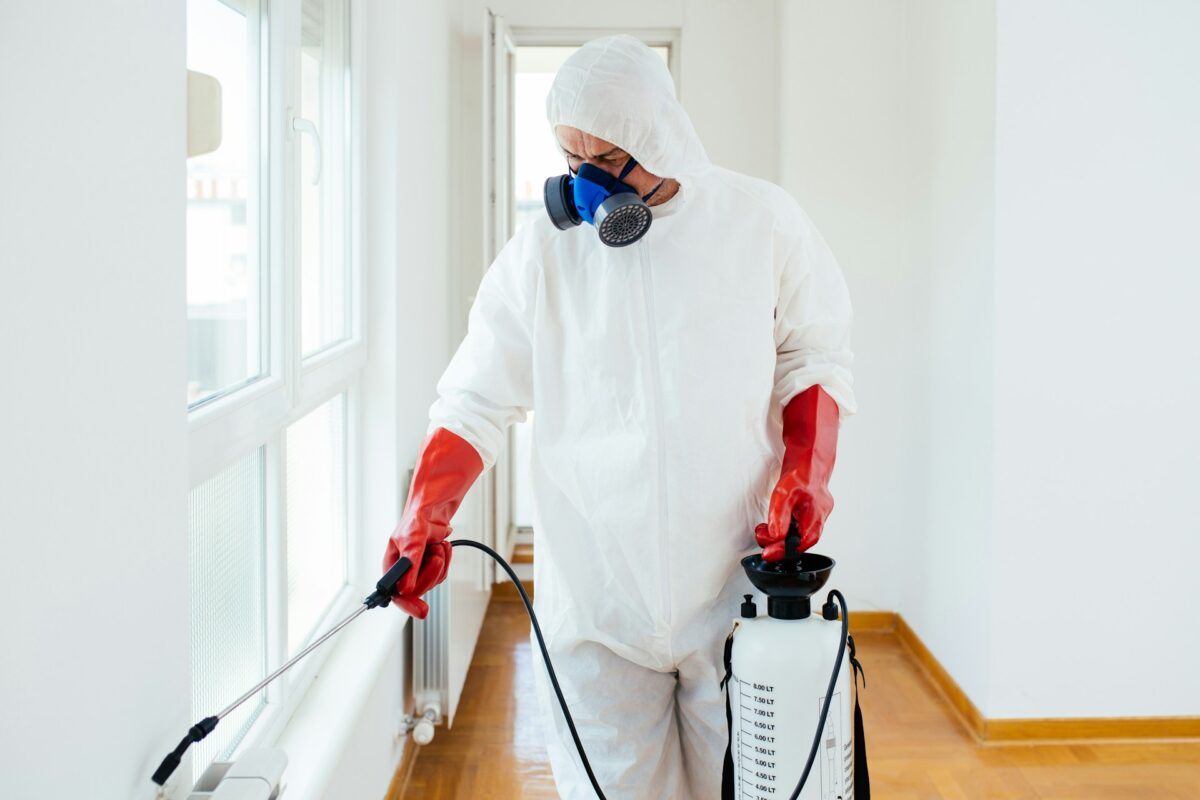
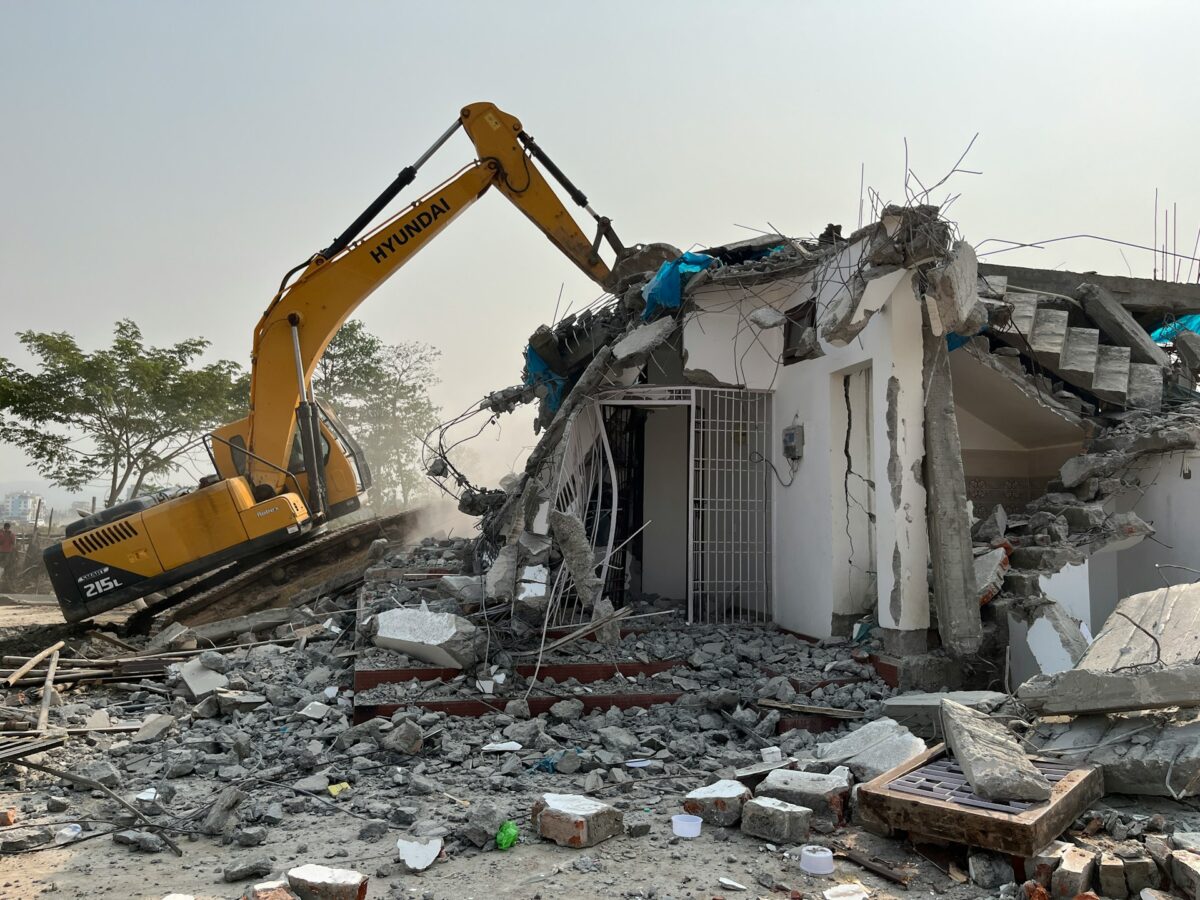
When Is Professional Asbestos Testing Necessary for Kiawah Island Properties?

Asbestos is a naturally occurring mineral celebrated for its strength and heat resistance. However, it’s now known to be hazardous to health, especially when the fine fibers are airborne and inhaled. In many properties, particularly those built before regulations tightened, asbestos might still be lurking unnoticed in construction materials like insulation, tiles, or shingles. For residents of Kiawah Island, safeguarding against the potential threats posed by asbestos means understanding where it might be hidden and knowing when to seek professional testing.

The importance of asbestos testing can’t be overstated, especially in an area like Kiawah Island, where maintaining a safe and healthy home is a priority. With the picturesque surroundings of the island, it’s easy to overlook hidden dangers within property structures. Professional asbestos testing plays a crucial role in ensuring that these hazardous fibers are identified and managed properly, protecting both your home and health.

Signs You Might Need Asbestos Testing

For property owners, knowing when to call in professionals for asbestos testing is key to maintaining a safe environment. Here are some indicators that you might need to consider testing:

– Age of the Property: If your property was constructed before the late 1980s, there’s a chance it may contain materials with asbestos. Older homes often used it for its fire-resistant properties.

– Visible Wear and Tear: Look for deteriorating materials such as old insulation, crumbling tiles, or roof shingles that appear worn out. Asbestos may be present if they break apart or look damaged.

– Recent Renovations or Disturbances: Any kind of remodeling or substantial changes to the home can disturb asbestos-containing materials. If you’ve recently undertaken renovations, it might be a good time to think about testing.

Keeping your property safe involves staying vigilant. If any of these scenarios match your situation, reaching out to qualified experts for asbestos testing can help ensure that your home remains a secure and healthy place for family and visitors alike.

Health Risks of Asbestos Exposure

Asbestos fibers, when disturbed, can become airborne, creating a silent yet serious threat to health. When these tiny fibers are inhaled, they can settle in the lungs, leading to several health problems over time. Among the most common conditions linked to asbestos exposure are asbestosis and mesothelioma, both of which have significant long-term effects. Understanding these risks emphasizes why timely and professional asbestos testing is a necessity.

Consider an example: let’s say an old house on Kiawah Island undergoes a renovation without prior asbestos testing. The dust created during the process might release asbestos fibers into the air, unknowingly putting the occupants at risk. This potential hazard shows the unnoticeable yet serious nature of asbestos exposure. Regular testing and attention to suspected areas can act as the first line of defense in keeping these dangers at bay.

Role of an Asbestos Abatement Contractor

An asbestos abatement contractor specializes in identifying and safely removing asbestos from properties. Their job involves a detailed assessment of the property to determine the presence of asbestos, followed by a carefully planned removal process to prevent exposure. This professional handling ensures that asbestos materials are disposed of in a manner that complies with safety regulations.

Hiring a contractor provides peace of mind, as they have the tools and expertise to manage asbestos safely. They carry out thorough inspections and use protective measures to ensure that no fibers are released during the removal process. Also, they adhere to compliance standards, which lessens any legal or health implications. This kind of specialized service isn’t just about safety today; it prevents potential health issues down the road, reinforcing why partnering with professionals for asbestos concerns is a prudent decision.

When to Schedule Asbestos Testing for Your Property

Timing can be a critical factor in asbestos testing and abatement. Ideally, testing should be done before purchasing a new property or beginning a major renovation. If you’re planning to sell, having evidence of an asbestos-free environment can be reassuring for prospective buyers. In Kiawah Island’s unique climate, certain environmental factors may also trigger a need for asbestos testing, like heavy storms that could disturb older infrastructure.

To make sure you’re covered:

1. Pre-Property Transactions: Test before buying or selling to get a clear understanding of what you’re dealing with.

2. Before Renovations: In older homes, it’s wise to test before any upgrades or changes begin to avoid accidentally releasing fibers.

3. Routine Checks: Periodic evaluations can help prevent asbestos from becoming a surprise issue.

In wrapping up, while asbestos might lurk silently, acting decisively and scheduling timely tests ensures that properties remain safe havens. It’s about taking proactive steps to maintain a healthy living environment in the beautiful setting of Kiawah Island. Embracing this cautious approach ensures that health and safety always take center stage, keeping both residents and properties secure.

To ensure that your Kiawah Island property remains a safe and welcoming environment, consider reaching out to a trusted asbestos abatement contractor. TSIAC International offers reliable services for identifying and managing asbestos risks, so you and your loved ones can have peace of mind. Learn more about our approach and how we can help today.

Health Risks of Improper Asbestos Removal in Johns Island Homes

Asbestos is a material that was commonly used in homes for its fire-resistant properties and ability to insulate. Often found in ceiling tiles, floor tiles, and roof shingles, its widespread use took place before its health risks were fully understood. Over time, experts discovered that when asbestos materials become disturbed or damaged, they can release tiny fibers into the air, posing significant health threats.

Particularly in Johns Island, where many homes date back several decades, the presence of asbestos is not unusual. Because of the potential dangers linked with asbestos exposure, safe removal is vital to ensure the safety of residents. It is crucial to recognize the importance of handling asbestos properly to avoid unwanted health issues that can affect anyone living in or visiting a home with asbestos.

Health Risks Associated with Improper Asbestos Removal

Improper handling of asbestos can result in serious health hazards. When disturbed, asbestos fibers become airborne and can be easily inhaled, leading to respiratory issues. One common ailment is asbestosis, a lung condition caused by inhaling the fibers, which can lead to breathing difficulties. Continuous exposure may result in more severe issues, including certain types of lung cancer and mesothelioma, a rare form of cancer affecting the lining of the lungs and chest.

The impact of asbestos exposure isn’t immediate; it develops over time, making it even more crucial to act with caution. Long-term exposure amplifies the risks, which is why early and safe intervention is important. Children and the elderly face higher risks due to their more sensitive respiratory systems. Ensuring that asbestos is managed properly can safeguard vulnerable groups and maintain a healthier living environment.

Here are the main health risks associated with asbestos exposure:

– Respiratory Issues: Shortness of breath and persistent coughing.

– Chronic Conditions: Development of asbestosis and scarring of lung tissue.

– Increased Risk of Cancer: Lung cancer and mesothelioma.

– Vulnerable Groups: Greater impact on children, elderly, and those with pre-existing conditions.

With these risks in mind, homeowners must refrain from handling asbestos independently. It’s a task best left to those who understand the substance and how to manage its safe removal efficiently.

Common Mistakes in Asbestos Removal

Tackling asbestos removal on your own is not only risky but can actually increase the danger if not done properly. Common mistakes include failing to contain the area or using improper equipment, which allows fibers to spread to other parts of the home. Additionally, improper disposal of asbestos materials can further contribute to environmental contamination.

Untrained individuals may not be familiar with the specific precautions needed, such as sealing vents or using protective clothing, which are essential to minimize exposure risks. Errors can inadvertently turn a seemingly small issue into a bigger hazard, affecting the health of everyone in the household.

Here’s a list of pitfalls:

– Using improper safety gear.

– Failing to seal off the contaminated area.

– Attempting to dispose of asbestos debris without proper containment.

– Overlooking detailed guidelines specific to your region or local laws.

By understanding these common missteps, it becomes apparent why hiring professionals is vital. Handling asbestos removal with expert care helps ensure the safety and health of everyone involved, providing peace of mind and a safer living space.

Benefits of Hiring Certified Professionals

Choosing to work with certified professionals for asbestos removal ensures a safer and more effective process. These experts have the training to follow strict safety and health regulations, minimizing airborne fiber risks. Their knowledge helps prevent the dangers associated with improper techniques, providing security that the job is done right.

Professionals use specialized tools and equipment designed specifically for asbestos removal. This equipment includes HEPA-filtered vacuums and protective gear that keep asbestos fibers contained, reducing chances of contamination. The use of these tools not only guarantees thorough removal but also protects both residents and workers from exposure.

Another significant advantage is the peace of mind you gain. Knowing that certified professionals handle asbestos removal means your home environment remains safe without you having to worry about lingering fibers. This peace allows you to focus on enjoying your home, confident that it’s secure.

What to Expect During Professional Asbestos Removal

Understanding the steps involved in professional asbestos removal can alleviate any anxiety about the process. Here’s what typically happens:

– Assessment and Planning: Professionals assess the site to determine the extent of asbestos presence. They create detailed plans to ensure efficient and safe removal.

– Containment: The area is sealed to prevent fibers from escaping into the rest of the house. This usually involves plastic sheeting and special tape.

– Removal: Using specialized equipment, experts carefully remove asbestos-containing materials, ensuring minimal disturbance. They employ HEPA vacuums and other tools to capture any stray fibers.

– Clean-Up: Once removal is complete, the area gets thoroughly cleaned. Professionals continue to monitor for fibers, ensuring no asbestos is left behind.

– Inspection: A final examination confirms a safe environment. Air quality tests guarantee that all asbestos levels are within safe limits.

Such a structured approach means you can trust the process’s thoroughness, resulting in a healthier, worry-free home.

Ensuring a Safe Home After Asbestos Removal

Following professional removal, maintaining a safe home is vital. Here are some tips to keep your environment healthy:

– Keep up with regular inspections to ensure that no new asbestos has surfaced.

– Monitor air quality, especially after renovations or significant weather changes.

– Stay informed about any updates in asbestos regulations or safety practices.

Maintaining awareness and vigilance helps keep your home safe from potential asbestos reintroduction. Regular checks and professional advice can guide you in sustaining a healthy living space.

Keeping Your Johns Island Home Safe

Prioritizing professional asbestos removal is a key step in safeguarding the health of your home. Proper handling involves understanding the risks, recognizing the importance of trained expertise, and following through with preventative care. Certified professionals are equipped to manage the challenges that come with distinguishing safe environments from hazardous ones.

For homeowners in Johns Island, awareness of these risks and measures can make a significant difference in daily life. Ensuring your household’s safety means being proactive about asbestos management, allowing you to enjoy your home without concerns over hidden dangers. Such responsible practices not only protect your loved ones but also honor the legacy and longevity of your home.

For residents in Charleston, keeping your home safe from the hidden dangers of asbestos is key to ensuring your family’s health. Consider TSIAC International when it’s time for professional asbestos removal in Charleston. We understand the importance of protecting your living space and can provide expert services tailored to your needs. Contact us to learn more about how certified professionals can help keep your environment free of harmful materials.

Environmental Concerns During Industrial Demolition on James Island

When it comes to industrial demolition, especially on James Island, considering environmental concerns is not just important—it’s a responsibility. Industrial sites may hold numerous challenges, including hazardous materials, which if not handled properly, can have long-term impacts on both the environment and the community. Understanding the ecological factors unique to James Island helps us ensure that demolition activities remain safe and environmentally conscious.

James Island presents its own environmental considerations due to its coastal location, proximity to diverse ecosystems, and community-focused zoning laws. These factors make it crucial for any demolition work to be meticulously planned. An industrial demolition contractor with local experience can navigate these complexities effectively, ensuring that every step of the demolition process minimizes environmental disruption while adhering to regulations.

Understanding Environmental Regulations

Demolition projects need to align with a variety of environmental regulations. These rules are set at local, state, and federal levels to protect our surroundings from harm. Let’s take a closer look at what this involves:

– Local Regulations: James Island has specific guidelines due to its location in a coastal zone. This area requires adherence to protections for surrounding waterways and wildlife.

– State Regulations: South Carolina imposes certain standards, especially concerning air and water quality. Demolition projects must meet these requirements to prevent unnecessary pollution.

– Federal Regulations: On the national level, regulations include the Clean Air Act and Clean Water Act, which govern emissions and waste management practices.

Compliance with these regulations is not just a formality; it’s a pillar that supports safe and sustainable demolition practices. Ignoring these rules can lead to penalties and broader environmental damage. By following established guidelines, projects proceed smoothly and maintain a positive impact on James Island’s delicate ecological balance.

Identifying Hazardous Materials

During industrial demolition, recognizing and properly handling hazardous materials ensures safety and environmental protection. James Island’s older industrial sites often contain materials like asbestos and lead, which require careful management. Failing to address these hazards can lead to contamination and health risks, underlining the need for expertise in this area.

A critical step involves conducting a thorough site assessment to pinpoint the presence of these materials. This assessment directs the necessary precautions and protocols for safe removal. Consider asbestos, for example. Its fibers can pose serious health risks if disturbed, so it’s crucial to have specialists perform an evaluation. This evaluation helps plan for containment and removal, minimizing any environmental impact.

Here’s how these materials are typically managed:

– Site Surveys: Conduct preliminary surveys to identify hazardous materials.

– Containment Strategies: Use barriers and seals to contain any hazardous dust or debris.

– Safe Removal Practices: Employ specialized equipment and techniques to safely eliminate materials.

Waste Management and Recycling

Effective waste handling is another cornerstone of eco-friendly demolition. Industrial projects often generate large volumes of debris, making it vital to have a solid waste management plan. On James Island, where environmental preservation is a priority, recycling and efficient debris disposal are key.

By sorting materials into categories like metals, concrete, and wood, contractors can recycle a significant portion of the waste, reducing landfill use. This practice not only lessens environmental impacts but also contributes to resource conservation. The process typically involves:

1. Material Segregation: Identify which materials can be reused or recycled.

2. Sorting and Collection: Gather and sort these materials at the demolition site.

3. Transport to Recycling Facilities: Ensure that materials are sent to appropriate recycling centers.

Best Practices for Minimizing Environmental Impact

Implementing strategies to minimize environmental impact is vital throughout the demolition process. Dust control is one method, often achieved by using water during demolition to keep particles from spreading. Choosing quieter machinery helps reduce noise disturbances, which is especially important in residential areas like James Island.

Adopting these practices highlights a commitment to sustainable demolition, conserving natural resources while mitigating adverse effects. This approach reflects the broader community values of environmental stewardship and care for local ecosystems.

Bringing Your Demolition Project to a Safe Close

As the project wraps up, focusing on thorough clean-up and inspection ensures no environmental concerns linger. Conduct final assessments to verify that all regulations have been met and that all waste has been properly managed or recycled. It’s not just about ending a project but ensuring it’s concluded responsibly.

By understanding and implementing these practices, industrial demolition on James Island remains safe for both people and the planet. With careful planning and execution, these projects protect the island’s unique environment, allowing it to thrive alongside necessary industrial activities.

Partner with TSIAC International for your James Island project to ensure a safe and compliant demolition process. Our expertise as an industrial demolition contractor will guide you through every step. Trust our team to manage your project with precision and care, protecting the local ecosystem while meeting all necessary standards. Achieve peace of mind knowing your industrial site is in capable hands, ready for its next chapter.

Repairing Structural Issues After Fire Damage in Goose Creek

Fire damage can turn your home upside down, creating chaos and distress. It’s not just about the burnt walls or the lingering odor; it’s the structural integrity that’s often at risk. Imagine your once safe and cozy space now vulnerable to collapses or further damage because of weakened walls and ceilings. The structural issues that can come after a fire are critical to address promptly, requiring attention and careful planning to restore your home to its former glory.

Acting quickly is key to preventing further problems. The damage isn’t always visible, seeping into walls, ceilings, and even the foundation. By understanding the importance of addressing these structural concerns, you protect not only your home but also the safety and well-being of everyone in it.

Assessing Fire Damage

Taking a close look at the damage is the first step to restoring your home after a fire. Evaluating the extent of damage can be daunting, but it’s necessary for a full recovery. This process involves a thorough inspection of key areas that might have been affected by the flames or heat.

– Walls and Ceilings: Often, these areas suffer the most during a fire. You’ll want to check for discoloration, cracks, or any spots that feel weak or soft.

– Foundation: Although it might seem untouched, the heat from a fire can weaken a foundation. Look for cracks or shifts, as these can lead to severe structural issues down the line.

– Professional Assessment: It’s wise to call in experts to assess the condition of your home. They bring tools and experience that can uncover hidden damage and ensure nothing is overlooked.

Understanding these aspects helps you focus on what’s essential for restoring strength and safety to your home. Each component plays a role in holding everything together, so having a crystal-clear view of the damage lets you make informed decisions on how best to proceed.

Immediate Safety Precautions

Once the damage has been assessed, the next priority is ensuring the structure is safe to enter. Safety measures are necessary to protect anyone entering the premises and prevent further damage to the property.

Begin by securing entryways and potential hazards:

– Entry Safety: Before entering, ensure no debris or weakened areas pose a risk at the entrance. Sometimes, firefighters might have already marked unsafe areas to avoid.

– Temporary Supports: Install temporary supports like beams or bracing where walls, ceilings, or other load-bearing structures might be compromised. This step is vital to prevent any unexpected collapses during repairs.

– Securing Property: Once the structure is stable, make sure doors and windows are secure to protect against weather and intrusion. Cover broken windows with boards and use tarps for exposed sections to fend off the elements.

These precautions ensure that you and those working on repairs stay safe while on-site.

Repairing Structural Components

After ensuring safety, the focus turns to repairing and strengthening the structural elements. The key to a successful repair process is methodical and thorough work. Here are some examples of what might be necessary:

– Walls, Ceilings, and Floors: Start by repairing any fire-damaged walls, ceilings, and floors. It often involves removing charred materials and replacing or reinforcing them with sturdy, safe alternatives.

– Fire-Resistant Materials: Use materials that offer added protection against future fires. Consider options like fire-resistant drywall or insulation, which help maintain safety.

– Building Codes Compliance: Always ensure that repairs comply with local building codes. This not only ensures safety but can also prevent legal trouble later. It’s important to have professionals who are familiar with Goose Creek and its particular regulations handle this aspect.

Approaching repairs with a clear plan makes the process smoother and more effective.

Preventing Future Damage

Once structural repairs are underway or completed, it’s time to think about how to prevent future problems and keep your home safer.

– Fire Alarms and Smoke Detectors: Install and regularly check smoke detectors throughout the house. This is one of the simplest ways to detect fires early and minimize damage.

– Fireproofing: Consider fire-retardant materials for the roof and around key areas of the home. Fireproof paints and coatings can add a layer of defense against fire spreading.

– Routine Maintenance: Regular inspections of heating systems, wiring, and other potential fire hazards can catch problems before they escalate. Schedule these checks as part of your annual home maintenance routine.

Preparing your home with these protective measures can enhance safety and comfort. Taking proactive steps now helps avoid damage and gives peace of mind.

After addressing the challenges of fire damage, you’ll be on your way to restoring a safe, secure, and welcoming home in Goose Creek. With careful planning and the right actions, you can transform a difficult situation into an opportunity to rebuild better than before.

Reclaim the comfort and safety of your Goose Creek home with expert fire damage restoration Charleston services from TSIAC International. Our dedicated team is ready to guide you through every step of the recovery process, ensuring your property is restored to its former glory and beyond. Let us help you fortify your home against future threats, bringing peace and security back to your sanctuary. Trust TSIAC International to restore not just your home, but your peace of mind.

5 Warning Signs Your Charleston Home Needs Mold Remediation

Living in Charleston, one can’t help but appreciate the charm and comfort this region brings. Still, with that comfort comes certain challenges, especially in the humid subtropical climate we experience here. This kind of climate can lead to mold in our homes if we’re not careful. Mold isn’t just unsightly; it’s a risk to your health and home’s integrity. Recognizing the warning signs early can save homeowners a lot of trouble.

As spring blooms, now’s the perfect time to look out for signs that your home might need mold remediation. Mold can creep in when you least expect it, so it’s good to keep an eye out for warning signs. Here are five indicators that mold may be making a home in your Charleston residence.

Musty Odors

One of the first clues that mold may be lurking is a persistent musty smell. This is the kind of odor that doesn’t go away with regular cleaning or airing out the house. It’s comparable to the scent of dampness, similar to a wet sponge left out too long. This odor might not only be in isolated spots but can spread throughout your home, becoming more pronounced in certain weather conditions.

When mold releases compounds into the air, those particles contribute to that distinctive musty smell. Finding these odors can lead you to problem areas where mold might be hiding. Common spots to check include basement corners, bathrooms with poor ventilation, and areas near windows or pipes where moisture can accumulate.

It may feel like just an odd smell at first, but it often indicates a deeper problem. If your home has this persistent odor, consider this a sign that professional mold inspection and remediation may be necessary. Ignoring this can mean more significant issues down the line, impacting both your home and your family’s health.

Visible Mold Growth

Spotting mold is a pretty clear signal that you’ve got a problem. Mold can show up in many colors, including black, white, green, or even orange. It might appear fuzzy or slimy depending on the type and where it is growing. If it becomes visible, it’s essential not to ignore it. Mold usually prefers damp areas, so pay attention to spots like under sinks, around windows, or in the basement. Searching in these areas can help you spot mold before it spreads further.

Leaving it untouched allows mold to worsen, damaging materials it grows on and possibly spreading. It’s tempting to handle small patches on your own, but professional help ensures that mold doesn’t return and get worse.

Water Damage or Leaks

Water and moisture are mold’s best friends. If you’ve had any leaks or water damage, be cautious because mold loves to grow in those wet spots. Check for signs like water stains on the ceiling or walls and peeling paint or wallpaper. These can suggest a deeper issue where moisture could have made a perfect breeding ground for mold.

Addressing the source of moisture is crucial to stopping mold in its tracks. Repairing leaks and keeping your home properly ventilated can stop mold from finding a place to grow. Consistently check areas prone to water damage, particularly after heavy rain or snow. Not doing so can lead to more severe issues that affect both your home and everyone’s health inside.

Health Issues

Mold doesn’t just stay where it grows. Spores can float through the air, getting into your lungs and causing various health symptoms. These can range from mild irritations to serious health concerns like coughing, a runny nose, or even respiratory issues in more sensitive individuals. If you or your family members seem to have lingering cold-like symptoms that don’t improve in fresh air, it might be time to question the air quality at home.

Mold significantly impacts the quality of your indoor air, potentially worsening asthma or allergies. Taking action to investigate mold in such cases is wise, as going without remediation can lead to long-term health discomfort. If symptoms persist or worsen, seeking a thorough check of your home’s mold levels can be beneficial.

Increased Humidity Levels

Keeping an eye on the humidity level inside your home can help you fight against mold. Mold thrives in humid spaces, and you’ll want to ensure your home doesn’t become one. Signs of excessive humidity include condensation on windows, damp walls, or even musty-smelling areas that don’t seem to dry out properly.

To manage moisture, you might consider using dehumidifiers, especially during humid months. Ventilation systems can also help maintain a comfortable, mold-free environment. By reducing and controlling indoor humidity, you establish a less inviting place for mold to ever make a start.

Ensuring Your Home is Safe

Charleston’s climate might invite mold, but with vigilance, you can keep your home safe and healthy. Recognizing these five warning signs helps you address mold issues before they escalate. Mold remediation isn’t just fixing a spot; it’s about ensuring your home is a secure place to live.

Being proactive and getting professional help when spotting signs of mold can save potential stress and costs later on. Knowing these signals helps in making informed decisions, keeping your living space healthy and comfortable for everyone.

To ensure your home remains a comfortable and healthy space, consider professional solutions for mold remediation in Charleston. TSIAC International is here to help identify and address any mold concerns efficiently, protecting your home and family. For more details, view our offerings on mold remediation in Charleston.

Why Proper Asbestos Removal is Crucial for Seabrook Island Homes

Asbestos is a silent danger that could be lurking in many homes, especially older ones, across Seabrook Island. Known for its durability and resistance to heat, asbestos was once a popular material in building construction. However, as we have learned more about its risks, safely removing asbestos has become crucial for homeowners.

In Seabrook Island, many homes built before the 1980s may still contain asbestos materials. Whether it’s hidden in insulation, tiles, or roofing, its presence is a health risk that should be addressed. Ensuring these dangerous fibers are properly removed is critical to maintaining a safe and healthy living environment for families and future generations.

Addressing asbestos issues head-on can provide peace of mind and protect your investment. This article explores the importance of understanding where asbestos might be hiding, the risks of improper handling, and best practices for its safe removal. By taking the right steps, you can ensure that your Seabrook Island home remains a safe haven.

Understanding the Risks of Asbestos in Homes

Asbestos is a group of minerals made up of tiny fibers. These fibers are strong and resist heat, which once made asbestos a popular building material. However, when asbestos materials become damaged or disturbed, the fibers can become airborne. If people breathe them in, it can lead to serious health problems.

In homes, asbestos might be hiding in several places. It was often used in insulation around pipes, in roofing shingles, floor tiles, and even in some cement products. As time goes on and these materials age, they can break down and release their fibers into the air.

Older homes in Seabrook Island are particularly at risk because many of them were built when asbestos was a common building material. Homes constructed before the 1980s are the most likely to have asbestos, especially if renovations exposed or damaged asbestos-containing materials. Since these homes have likely been through some wear and tear over the years, it’s important for homeowners to know where asbestos might be lurking to protect their families from potential harm.

The Impact of Improper Asbestos Handling

Mishandling asbestos can lead to severe health issues. When asbestos fibers are disturbed, they can be inhaled, leading to diseases like asbestosis, lung cancer, and mesothelioma. These conditions are serious and can take years to develop, making early detection challenging.

Not properly addressing asbestos in homes can have many negative consequences. For example, there’s the risk of exposing everyone in the household to airborne fibers. Also, failing to remove asbestos properly can lead to legal issues. Selling a home with known asbestos problems without disclosure can result in fines and lawsuits.

The long-term effects on property value and safety are significant too. Homes with asbestos issues can be less appealing to buyers, lowering their market value. Additionally, asbestos can pose ongoing safety risks if not addressed. Ensuring that asbestos is correctly removed and managed preserves the home’s safety and value for future generations. Proper handling helps keep the property both livable and sellable, securing your investment in the Long run.

Best Practices for Safe Asbestos Removal

Removing asbestos safely requires careful planning and execution. Here’s a recommended approach to ensure everything is done correctly:

  • Inspection and Assessment: Start with a thorough inspection by a certified professional to identify all asbestos-containing materials in the home.
  • Containment: Before removal, seal off the work area to prevent fibers from spreading. This includes turning off HVAC systems and using plastic sheeting to cover floors and surfaces.
  • Removal: Carefully remove asbestos materials using specialized tools. Avoid breaking the materials to minimize fiber release.
  • Cleanup: Use HEPA vacuums and other approved methods to clean up all dust and debris.
  • Waste Disposal: Place all asbestos waste in sealed, labeled bags and dispose of it at a licensed facility.

Hiring professionals is crucial when dealing with asbestos. Experts have the training and equipment needed to handle the process safely. They also know how to comply with strict regulations, ensuring no steps are missed. During removal, pros use personal protective equipment (PPE) like respirators, gloves, and suits to protect themselves. Trusting professionals with this task means peace of mind and a safe, thorough job.

Maintaining a Safe Environment After Asbestos Removal

Once asbestos is removed, keeping your home safe involves a bit of ongoing effort. Post-removal, a detailed inspection should be performed to confirm all asbestos fibers are gone. This typically involves air testing by a certified inspector, providing you with documentation that your home is asbestos-free.

Preventing future asbestos exposure is about vigilance and understanding where risks might arise. If your home undergoes remodeling, always check for hidden asbestos in the areas being updated. Inform contractors about the home’s history to take necessary precautions.

When renovating, consider using sustainable and non-toxic materials. Options like fiberglass or foam insulation are safer choices that don’t carry the same risks as asbestos. Choosing these materials can improve air quality and enhance safety over the long term. By being proactive, you can enjoy peace of mind knowing that you’ve taken the right steps to protect your home and family.

Conclusion

Asbestos removal in Seabrook Island homes is not just about taking away a health hazard; it’s about safeguarding your most valued space. Properly handling asbestos ensures that your home remains a healthy environment and a safe investment for the future. The process involves understanding potential risks, working with qualified professionals, and maintaining a vigilant approach to home care and improvements.

Protecting your home from asbestos is a worthy endeavor, one that TSIAC International is ready to assist you with. Contact us today to explore your options and let our asbestos removal in Seabrook Island, SC, help you create a safer living space. Your home deserves the highest standards of safety, and we’re here to make that happen.

How Safe Demolition Can Improve Your Property in Kiawah Island

Demolishing a building is a big task that involves careful planning and execution. In places like Kiawah Island, where property values are high, and the landscape is precious, safe demolition practices are essential. They ensure that the process does not hurt the surrounding environment or the neighborhood.

Safe demolition helps clear the way for new opportunities. Whether it’s removing an old structure to make room for a new home or restoring a piece of land to its natural state, doing it safely means work gets done without unnecessary hazards. Plus, it protects workers and property owners from risks during demolition activities.

When a property undergoes demolition, it can often reveal hidden potential, whether that’s extra space or a more attractive view. Embracing safe demolition practices helps property owners reassess the value and use of their land, offering a fresh start and a chance to create something new and exciting.

Understanding the Importance of Safe Demolition

Safe demolition is a crucial aspect of property improvement in Kiawah Island. This picturesque area, known for its natural beauty, requires practices that ensure surrounding environments and communities are not affected negatively. Safe demolition helps protect the value of adjacent properties and maintains the serene nature of Kiawah Island is famous for.

Improper demolition can lead to various risks, such as damage to neighboring properties, accidental exposure to hazardous materials, and injury to workers or residents. These scenarios not only compromise safety but also lead to expensive liabilities. To avoid such issues, it’s essential to adhere to prescribed demolition guidelines. By complying with these regulations, property owners can prevent accidents and make efficient use of time and resources.

Following strict safety measures during demolition ensures all procedures are carried out systematically. This means getting the right permits, preparing a detailed plan, and employing skilled professionals who are knowledgeable about local regulations. These steps make the entire demolition process smooth and trouble-free, ultimately contributing to a safer and more effective property enhancement.

Benefits of Safe Demolition for Property Enhancement

Safe demolition brings several advantages that can significantly boost the value and appeal of a property in Kiawah Island. First and foremost, it creates a clean slate for new projects. Whether the goal is building a new home or developing a commercial space, starting from a blank canvas allows for greater creativity and freedom in design.

Here are some key benefits of safe demolition for property enhancement:

– Increased Property Value: A well-executed demolition can make a property more attractive to buyers or investors, leading to higher market value.

– Improved Land Usability: Removing old structures clears the way for better land use, whether for gardening, recreation, or new constructions.

– Uncovering Hidden Potential: Demolition can reveal previously unseen opportunities on the land, like new views or additional space.

Choosing safe demolition means the property will align with Kiawah Island’s upscale and environmentally conscious community. By uncovering and enhancing the unique attributes of the land, owners can maximize their investment and create spaces that are functional, beautiful, and in harmony with the local environment.

Environmental Considerations of Safe Demolition

Safe demolition practices play a vital role in reducing the environmental impact of construction projects. On Kiawah Island, where protecting the natural beauty is a priority, using eco-friendly demolition methods helps preserve the landscape. By carefully managing demolition, builders can lessen the amount of waste and avoid unnecessary damage to the surrounding areas.

Recycling and reusing demolition materials are crucial components. By salvaging concrete, wood, and metals, you can significantly cut down on waste. This recycled material can be used in new construction projects, making the process more sustainable. Through recycling, less material ends up in landfills, reducing its impact on the environment.

Local regulations on Kiawah Island support sustainable demolition practices. These guidelines encourage property owners to adopt methods that minimize waste and protect natural resources. Following these local norms not only complies with legal requirements but also contributes to community efforts to maintain an eco-friendly environment. Safe demolition thus helps in preserving the island’s natural charm and advocates for a greener future.

Key Steps to Achieving Safe Demolition

Achieving safe demolition involves several critical steps that ensure the job is done right. Selecting the right demolition team is the first step. You should choose professionals with experience and a solid track record to ensure they understand the local environment and regulations.

Here are some key steps to consider:

– Assessment and Planning: Conduct a thorough assessment of the site. A detailed plan should cover everything from the timeline to potential hazards.

– Safety Measures: Use proper safety equipment, such as helmets and goggles. Ensure that all workers are trained and follow safety protocols.

– Efficient Execution: Clear communication is essential. Make sure everyone knows their roles and follows the plan exactly.

Proper planning and execution can prevent accidents and delays, making the demolition process smoother and more predictable. These practices safeguard workers and anyone nearby, reducing the chance of mishaps.

Conclusion

Safe demolition is an essential part of property improvement, especially in areas like Kiawah Island. By understanding the importance of safety, exploring benefits, considering environmental impacts, and following key steps, property owners can transform their spaces effectively and responsibly. Safe demolition practices open up new possibilities for property enhancement, ensuring land is ready for future projects or natural restoration.

At TSIAC International, we understand the importance of safe demolition. Our expert team knows the specific needs of Kiawah Island and is ready to help you in your property transformation journey. Reach out to us today to see how our demolition contractor services can assist in safely and efficiently enhancing your property while preserving the island’s beauty.

Tips for Effective Asbestos Removal in Charleston’s Historical Homes

Charleston is known for its beautiful historical homes, showcasing architecture from a bygone era. These homes are cherished for their charm and history. However, owning a historic home in Charleston comes with unique responsibilities, including the potential presence of asbestos. Asbestos was commonly used in building materials for its fire-resistant and insulating properties. In homes built before the 1980s, this can pose health risks if not handled correctly.

Understanding how to deal with asbestos safely is crucial for preserving these treasures while ensuring the safety of occupants. It’s more than just a simple DIY task; it requires careful planning, knowledge, and the right measures to protect everyone involved. In this article, we’ll explore key tips for safely managing asbestos removal in Charleston’s historic homes, focusing on what to look out for and how to approach it effectively. Whether you’re renovating or maintaining your home, these tips will help you ensure a safe and healthy living environment.

Understanding Asbestos in Historical Homes

Historical homes in Charleston often contain asbestos due to its widespread use in building materials decades ago. During the mid-20th century, asbestos was priced for its durability and heat resistance. Builders included it in insulation, roofing, and floor tiles, making it a common material in many older homes. As such, if you own or are considering purchasing a historic property in Charleston, awareness of asbestos’s presence is crucial.

Areas you might encounter asbestos include:

– Attics and Basements: Often used in insulation.

– Roofing Materials: Including shingles and felt.

– Flooring: Found in vinyl tiles and adhesives.

– Pipes: Sometimes wrapped in asbestos-containing insulation.

– Walls and Ceilings: Might be within textured surfaces or plaster.

The risks associated with asbestos stem from its fibrous nature. When disturbed, tiny fibers can become airborne and, if inhaled, may lead to serious health issues like lung disease and cancer. This makes safe handling and removal essential to protecting the health of everyone involved.

Being informed about where asbestos might be found and why it poses a risk helps in taking the necessary precautions for any renovation or maintenance activities in these historic homes.

Preparing for Asbestos Removal

Safe assessment and planning are crucial before any asbestos removal begins. Start with an asbestos inspection conducted by trained professionals to accurately identify and map out areas containing asbestos.

Steps to follow include:

1. Inspection: Hire a certified asbestos inspector to assess the property.

2. Testing: Ensure samples from suspected areas are properly tested in a lab.

3. Planning: Develop a removal action plan that includes timelines and safety measures.

Hiring certified professionals is vital for asbestos removal. They possess the expertise and equipment necessary to handle the material safely, ensuring all regulations are followed. Professionals understand the local laws regarding asbestos and guarantee that the process adheres to Charleston’s strict guidelines.

Safety precautions protect both workers and residents. This includes setting up warning signs around work areas, using sealed-off zones to contain asbestos, and ensuring everyone on-site wears appropriate protective gear like masks and gloves. Property owners should coordinate closely with removal teams to ensure a smooth and secure process. Preparation is key to mitigating risks and executing asbestos removal effectively in Charleston’s historical homes.

Safe and Effective Removal Techniques

Extracting asbestos safely involves following specific methods to ensure the safety of everyone involved. One common method is using a “wet removal” technique. By applying water to asbestos materials, workers can suppress fiber release, reducing airborne asbestos particles. This method is particularly effective in minimizing exposure risks during demolition or renovation activities.

Another crucial step during removal is the containment of asbestos dust. Setting up proper barriers, like plastic sheeting and sealed zones, keeps the hazardous particles from spreading to uncontaminated areas. Creating a negative pressure environment with exhaust fans also helps in directing the airflow, further containing potential exposure.

Specialized equipment plays a vital role in safe asbestos removal. HEPA-filtered vacuums are essential for cleaning surfaces and capturing stray fibers. Decontamination units ensure that workers can safely exit sealed areas without carrying any asbestos outside. These tools, combined with skilled personnel, significantly enhance the effectiveness of asbestos removal operations while protecting health.

After Removal: Ensuring a Safe Environment

After asbestos removal, proper disposal of the hazardous material is essential. Asbestos waste must be double-bagged in labeled, leak-tight containers and transported to authorized disposal facilities. This ensures it doesn’t pose a further risk to the environment or the community.

Thorough cleaning and air testing follow disposal. Cleaning involves using HEPA vacuums and wet-wiping surfaces within the containment area. This removes any lingering fibers and reduces health risks. Air testing confirms the air quality meets safety standards, and it provides additional assurance that removal efforts were successful.

Homeowners should regularly monitor the condition of their property following removal. Maintaining a safe environment is crucial. This includes keeping an eye on areas where asbestos was previously found and conducting periodic checks to prevent future exposure. Being vigilant helps preserve the health and integrity of historical homes.

Conclusion

The careful handling and removal of asbestos in Charleston’s historical homes are essential for preserving their beauty and ensuring the safety of those who live in or visit them. Each step, from assessment to final cleanup, involves keen attention to detail and adherence to safety protocols. Successful asbestos removal is not just about following procedures but also understanding the importance of each phase in protecting people and the environment.

For homeowners in Charleston looking to manage asbestos removal effectively, professional guidance can ease the process. TSIAC International stands ready to help navigate the complexities of asbestos removal, ensuring that your historic home remains a safe and cherished space.

Best Practices for Asbestos Removal for James Island Homes

Asbestos is a word that can make any homeowner anxious. It was used in many building materials years ago due to its strength and heat-resistant properties. However, it is now known for the health risks it poses when its fibers are disturbed and inhaled. For homeowners in James Island, understanding the role of asbestos removal in James Island and how to handle it safely is vital, especially in older homes where its presence is more common.

Homes built before the 1980s might contain asbestos in unexpected places, such as insulation, floor tiles, and even pipes. Identifying and removing it properly requires careful planning and execution. Following the best practices not only minimizes exposure but also ensures that families can feel safe and secure in their homes.

This article will guide you through the best practices for asbestos removal, focusing on how to recognize the risks, key steps to follow, and why it’s important to involve professionals. By empowering yourself with this knowledge, you can ensure that asbestos concerns are addressed thoroughly and effectively. This comprehensive look at asbestos removal will help provide peace of mind to James Island residents.

Understanding Asbestos and Its Risks

Asbestos is a natural mineral once popular for its strength and heat-resistant qualities. While useful, it can be incredibly dangerous to health. Tiny asbestos fibers can become airborne when disturbed, and if inhaled, they pose serious health risks like lung disease and cancer.

In homes, asbestos may be hiding in various places. Common spots include insulation around pipes, ceiling tiles, floor tiles, and even shingles. Many older homes on James Island likely contain these materials, making it important to know where and what to look for.

Identifying asbestos in older homes is crucial. Before the 1980s, asbestos was widely used in construction, so homes from this era are high-risk. Knowing if your home has asbestos allows you to plan for safe removal. This is important not just for your family’s health but also for maintaining property value. Proper identification and response can prevent accidental exposure and provide peace of mind.

Important Steps for Safe Asbestos Removal

Removing asbestos involves a careful, step-by-step process to ensure safety. Here’s a look at the key steps involved:

  • Assessment and Inspection: Professionals start with a thorough inspection to confirm the presence of asbestos.
  • Planning the Removal: Develop a detailed removal plan that includes safety measures and exact procedures.
  • Sealing the Area: Seal off the work area completely to prevent asbestos fibers from spreading.
  • Careful Removal: Gently remove asbestos-containing materials. Avoid breaking them apart to minimize fiber release.
  • Proper Disposal: Collect and dispose of asbestos waste in sealed plastic bags. It must go to designated disposal sites.

During removal, strict precautions are necessary. Workers wear protective gear like masks and suits to avoid inhaling fibers. Also, keeping the area moist reduces airborne particles, and specialized equipment captures any free-floating fibers.

Specific equipment is used for safety. High-efficiency particulate air (HEPA) vacuums are essential to clean up, ensuring no fibers remain in the air. Negative air machines help keep the work area under control by filtering the air and maintaining low pressure to keep fibers contained. These steps and tools help ensure the removal process is safe and effective, protecting everyone involved.

Choosing the Right Professional Removal Services

When dealing with asbestos, hiring trained professionals is crucial. They have the skills and equipment needed to handle the job safely and correctly. Professionals know the best methods to remove asbestos without putting anyone at risk. Their training helps prevent mistakes that could lead to dangerous exposure.

Choosing the right asbestos removal service involves careful evaluation. Look for companies with certification and a proven track record in safe asbestos handling. Ask for references and verify their past work to ensure they can manage your situation. It’s important to choose a service with insurance to protect against any accidental damage or exposure issues.

Professional services offer several assurances. They complete the removal process efficiently, handling everything from initial inspection to proper disposal. They also handle all necessary permits and paperwork, ensuring the project complies with local regulations. Their expertise provides peace of mind, knowing that the asbestos removal in your home is thorough and safety-focused.

Ensuring a Safe Home Post-Removal

After asbestos removal, ensuring your home is safe involves successful cleanup and testing. Professionals will clean the area meticulously, using HEPA vacuums and other tools to ensure no fibers remain. Post-removal testing by a certified inspector ensures the environment is asbestos-free. This step is vital to confirm the safety of your home.

Maintaining a safe home involves ongoing vigilance. Regular inspections can prevent future asbestos problems, especially if your home undergoes renovations or repairs. Keep an eye on areas that may still contain asbestos materials, such as old floor tiles or pipe insulation. Monitoring these areas can help you address any issues promptly.

Renovating your home after asbestos removal can improve safety and comfort. Consider using modern materials that do not contain asbestos for any updates. This not only enhances the safety of your house but also its value. Proper planning and material selection can transform your home into a healthier environment.

Conclusion:

Handling asbestos removal with care is crucial for the safety and well-being of your family. In James Island, where many homes may contain asbestos due to their age, understanding and following best practices can make all the difference. Thorough inspections, choosing the right professionals, and maintaining a safe environment ensure your home remains a sanctuary free from hidden dangers.

Partnering with the right experts can ease the process and bring assured results. TSIAC International is committed to providing quality and safety in asbestos removal. Contact us today to protect your home and family from the risks of asbestos. Let us guide you through creating a safe, worry-free environment in your James Island home.

The Demolition Process: What Goose Creek Residents Need to Know

Demolition may sound straightforward, but it involves much more than tearing down structures. In Goose Creek, demolishing a building can be a crucial step in property development or improvement. Whether it’s making way for new constructions or clearing out old, unsafe buildings, understanding the demolition process ensures a smoother project.

As Goose Creek continues to grow, there is a wave of both residential and commercial developments. This growth brings various types of demolition projects, from small home teardowns to large commercial space clearances. Each project, regardless of its size, plays a part in reshaping and enhancing the local landscape.

This article delves into what residents of Goose Creek need to know about demolition. From understanding the basics to learning about the steps involved and the importance of professional services, being informed helps in making better decisions. By the end of this, you’ll have a clearer picture of how demolition works in your community and why it’s an important consideration for future development.

Understanding the Basics of Demolition

Demolition is more than just knocking down a building. It involves safely tearing down structures to make way for new developments or to remove unsafe buildings. It’s crucial because it clears space for new projects and revitalizes areas that need upgrades. In Goose Creek, where residential and commercial growth is on the rise, demolition has become an essential part of the community’s evolution.

There are several types of demolition projects in Goose Creek. Residents may witness small-scale projects like single-house teardowns or garage removals, while larger projects could involve commercial buildings or old warehouses. Each type of demolition project has its unique requirements and challenges. Residential demolitions are usually simpler and quicker, while commercial demolitions often require more complex planning and execution.

Demolition plays a vital role in property development and improvement. It allows for the removal of outdated or hazardous structures, paving the way for new, safe, and efficient buildings. It also helps in reimagining urban spaces, aligning them with modern needs. This kind of transformation is key to making Goose Creek a more appealing and functional place to live and work.

Key Steps in the Demolition Process

Demolition follows a series of organized steps to ensure safety and effectiveness. Here’s a brief look at the key steps involved in a typical demolition project:

  • Site Assessment and Planning: Evaluating the site and drawing a clear plan of action. This involves understanding the structure and arranging the logistics.
  • Permit Acquisition: Securing necessary permits from local authorities. Permits ensure the demolition adheres to city regulations and safety standards.
  • Utility Disconnection: Shutting off all utilities like electricity, water, and gas to prevent accidents during the demolition.
  • Building Preparation: Removing hazardous materials and securing the site. This includes asbestos removal and ensuring the surroundings are safe.
  • Demolition Execution: Bringing down the structure using appropriate techniques, whether manually or mechanically. The choice depends on the project’s specifics.
  • Debris Clearance: Cleaning up the site by removing all debris and waste. This step is crucial for preparing the site for future construction.

Each step requires meticulous attention to detail. Proper planning and obtaining permits are especially important. They ensure the project runs smoothly and complies with local laws. Safety precautions are also a major focus throughout the process. Crews use protective gear, follow strict protocols, and work to prevent any harm to the neighboring properties and the environment. The combination of careful planning, experienced execution, and attention to safety is what makes a demolition project successful.

Choosing Materials and Techniques for Effective Demolition

Demolition involves dealing with a variety of materials. Buildings contain elements like concrete, wood, steel, and glass, each requiring a different approach for effective removal. Understanding material types helps in choosing the right demolition techniques, ensuring efficiency and safety.

Several techniques can be applied during the demolition process, depending on the structure and materials involved:

  • Implosion: Using explosives to make structures collapse inwardly, typically used for large buildings.
  • Mechanical Demolition: Involves heavy equipment like cranes and excavators to tear down structures. This method is common in Goose Creek due to its effectiveness.
  • Deconstruction: This is a careful method where materials are manually dismantled for reuse or recycling, promoting environmental sustainability.

The choice of method depends on the building’s size, materials, and the surrounding environment. For instance, a building in a densely populated area might require a more controlled approach like deconstruction or mechanical excavation. Using the right method not only ensures project success but also minimizes hazards and allows for quicker clean-up and rebuilding.

Understanding the Role of Professionals in Demolition

Professional services are vital in the demolition process. These experts bring a blend of skills, knowledge, and experience, which is crucial for handling complex demolition tasks. Professionals ensure the job is done safely and efficiently, reducing risks and unexpected delays.

The skills that professional demolition teams offer include:

  • Project Management: Coordinating all aspects from permits to cleanup.
  • Safety Expertise: Implementing strict safety standards to protect both workers and nearby residents.
  • Specialized Knowledge: Knowing how to deal with various materials and choosing the best techniques for each project.

Professional teams guarantee that all aspects of the demolition meet regulatory requirements. They handle the disposal of materials responsibly, ensuring minimal environmental impact. By hiring experts, you have peace of mind knowing the project will be completed within the timeline and budget, while maintaining the highest safety standards.

Conclusion:

The demolition process in Goose Creek involves a detailed and careful approach. From understanding the basics to selecting materials and methods, each step plays a crucial role in ensuring that projects proceed smoothly. The expertise of professional teams adds value by adhering to safety standards and offering efficient solutions tailored to individual project needs.

For Goose Creek residents considering a demolition project, engaging with professionals will guide and ease the process, turning complex undertakings into manageable tasks. TSIAC International stands ready to assist, bringing years of experience to ensure your demolition needs are met with excellence. Contact us today to see how our demolition contractor services can help you successfully transform your property.